
 Harper Hall
10 Iconic Bands From The 70s That Would Never Get A Record Deal Today
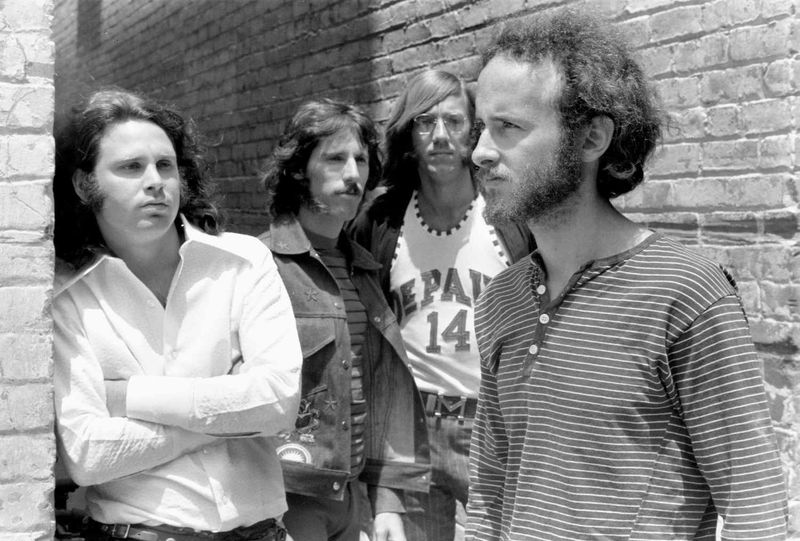
The 1970s gave us some of the most legendary rock bands in music history.
Many of these groups sold millions of albums and packed stadiums around the world.
But the music industry has changed dramatically since then, and what worked in the 70s doesn’t always fit today’s market.
Some of these beloved bands might struggle to even get noticed by modern record labels.
1. Grand Funk Railroad
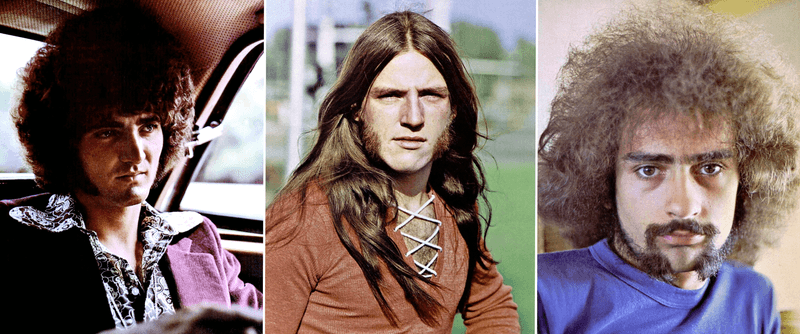
These guys were the people’s band, selling out stadiums faster than The Beatles despite getting terrible reviews from critics.
Grand Funk Railroad played straightforward, loud rock music that connected with working-class fans across America.
Their success came from constant touring and word-of-mouth rather than industry hype.
Today’s music business relies heavily on critical acclaim, streaming numbers, and social media buzz.
A band that critics hate wouldn’t get the marketing support needed to break through.
Record labels now want acts that look good on Instagram and generate positive press coverage.
Grand Funk’s raw, unpolished sound would be considered too simple compared to modern production standards.
2. Kansas
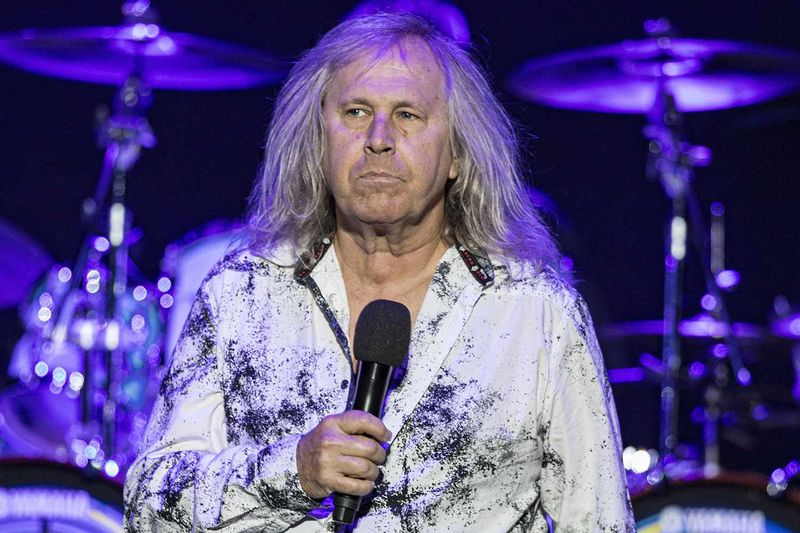
Trying to pitch a rock band that features a violin as a lead instrument.
Kansas created progressive rock masterpieces with classical influences, time signature changes, and lyrics about philosophy.
Their songs required serious musicianship and often ran past the eight-minute mark.
The modern industry favors accessibility over complexity.
Labels want artists who can grab attention in the first fifteen seconds of a song.
Kansas would be told their music is too complicated, too long, and appeals to too narrow an audience.
Progressive rock has become a niche genre with dedicated fans but limited mainstream potential.
Did you know their hit “Carry On Wayward Son” has over twenty different sections?
3. Jethro Tull
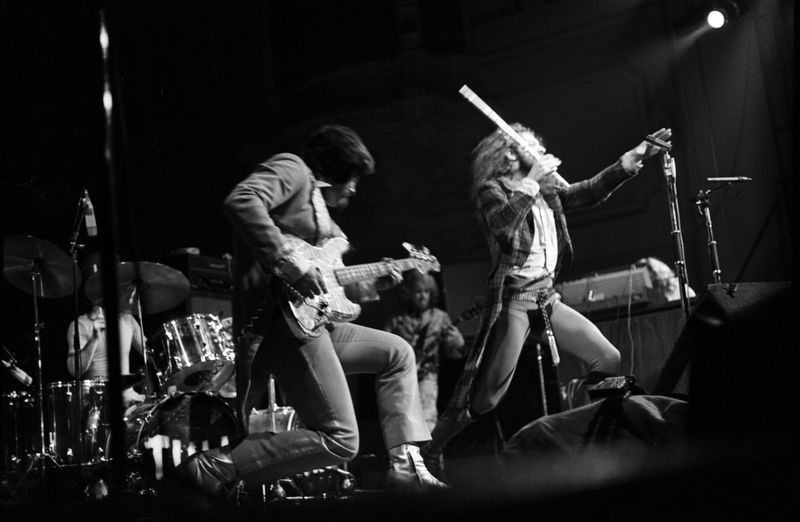
Picture a rock frontman playing the flute while balancing on one leg.
Ian Anderson turned Jethro Tull into one of the 70s’ most successful acts with this unusual combination.
Their music blended folk, classical, and hard rock with medieval themes and complex arrangements.
Record labels today would struggle to market a flute-playing rock band.
The visual doesn’t fit current rock aesthetics, and the medieval lyrics about minstrels and jesters seem out of touch.
Modern A&R representatives want artists who fit established categories.
Jethro Tull defied categorization, which made them special but also made them hard to promote.
Their theatrical live shows required audiences to pay attention rather than just vibe to the music.
4. The Doors
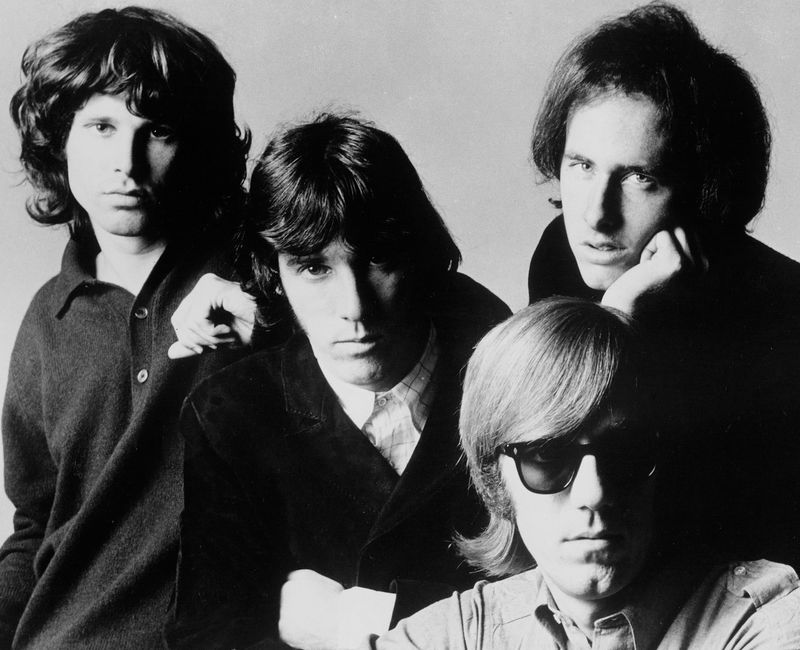
Jim Morrison’s haunting voice and poetic lyrics made The Doors one of the most mysterious bands of their era.
Their dark, bluesy sound mixed rock with jazz and psychedelia in ways nobody had heard before.
Songs stretched out for seven or eight minutes, with keyboard solos that went wherever the mood took them.
Modern record labels want radio-friendly tracks under three minutes that fit neatly into playlists.
The Doors’ experimental approach and Morrison’s unpredictable stage presence would be seen as too risky.
Their refusal to follow trends made them legends, but that same quality would work against them today.
Plus, their whole vibe was built around live performances and album-length experiences rather than viral moments.
5. Emerson, Lake & Palmer
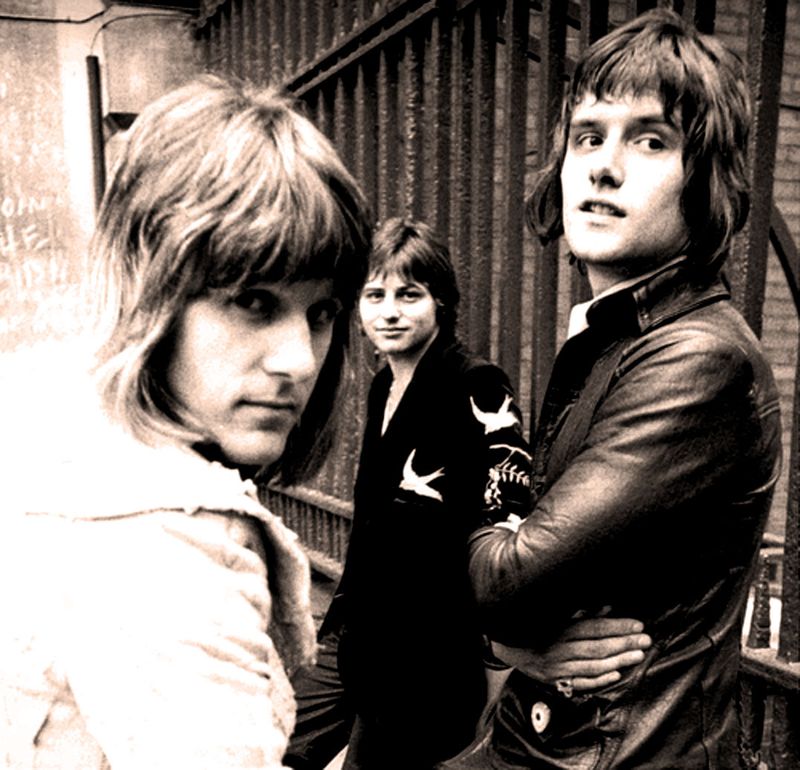
Keith Emerson once played keyboards while they spun around and shot flames.
ELP took rock music to operatic heights with twenty-minute suites based on classical compositions.
Their live shows featured entire orchestras and required trucks full of equipment.
The economics of modern music make such extravagance impossible for new artists.
Labels want low-risk investments that can tour profitably in small venues.
ELP needed massive budgets just to rehearse, let alone record or perform.
Streaming culture has also shortened attention spans dramatically.
A nine-part musical suite doesn’t translate to playlist adds or TikTok clips.
Their genius was in crafting epic musical journeys that today’s market simply doesn’t support.
6. Captain Beefheart and His Magic Band
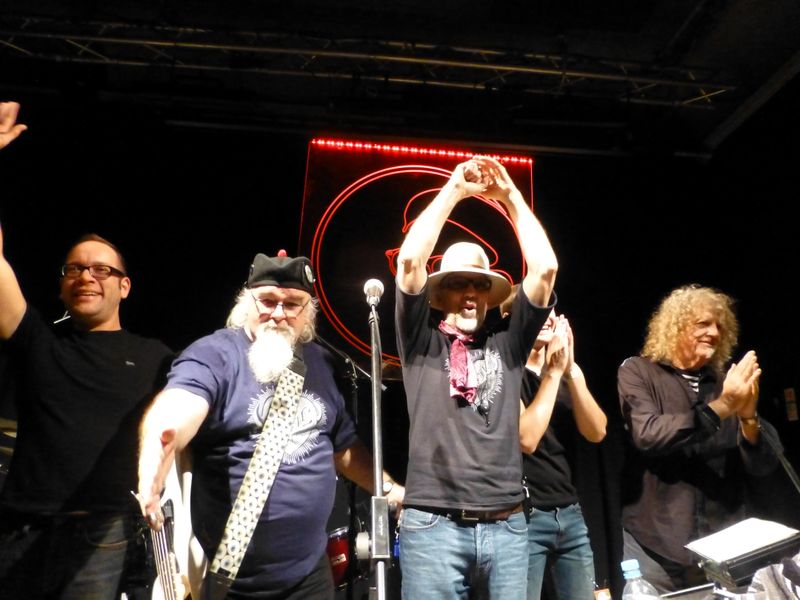
Captain Beefheart made music so weird that even other musicians couldn’t figure out how he did it.
His albums sounded like blues played by aliens who had only heard descriptions of human music.
Songs had bizarre time signatures, growled vocals, and lyrics that made no logical sense.
Modern labels wouldn’t know what to do with such uncompromising strangeness.
Focus groups would reject it immediately, and radio programmers would refuse to play it.
Beefheart’s music required multiple listens to even begin understanding it.
Today’s industry demands instant gratification and clear genre placement.
An artist this challenging would be directed toward self-releasing on Bandcamp rather than getting major label support and studio time.
7. Yes
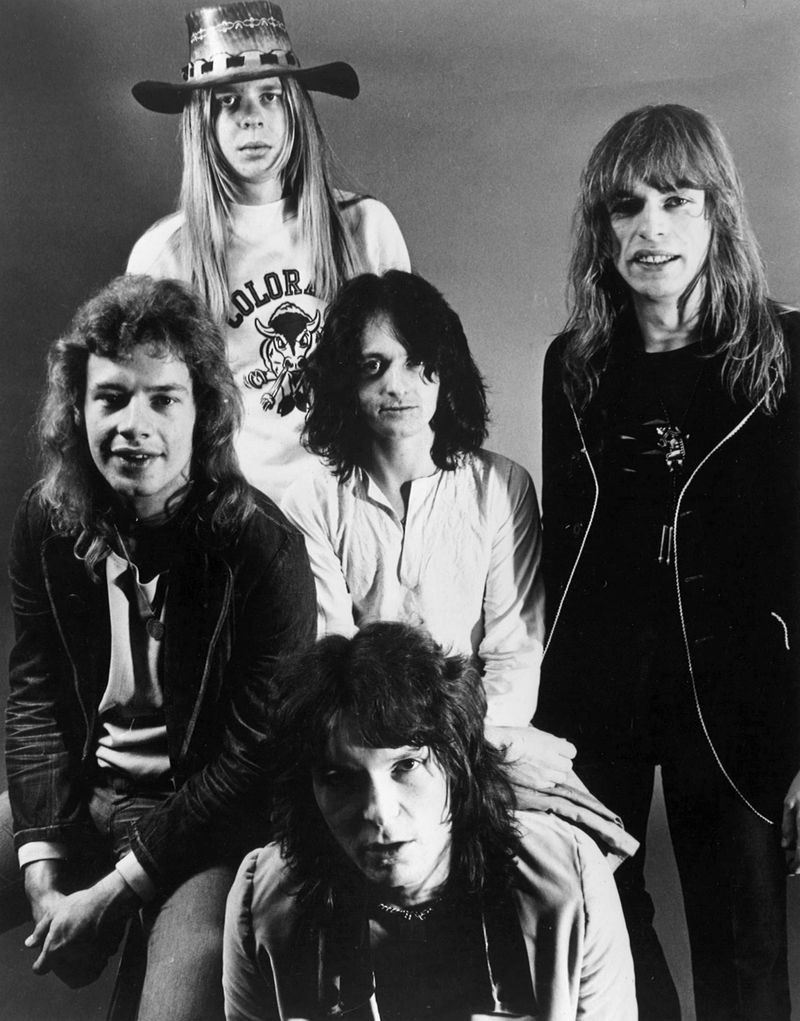
Yes created some of the most technically ambitious rock music ever recorded.
Their songs featured intricate vocal harmonies, virtuoso instrumental passages, and fantasy-inspired lyrics.
Album covers by Roger Dean showed floating islands and impossible landscapes that matched the music’s otherworldly quality.
Current record labels prefer artists who can deliver consistent three-minute singles.
Yes would be seen as self-indulgent and uncommercial.
Their refusal to simplify their sound for radio play would be considered career suicide.
The band required listeners to sit down with headphones and really focus.
That’s the opposite of background music for studying or working out, which dominates streaming playlists today.
8. Blue Öyster Cult
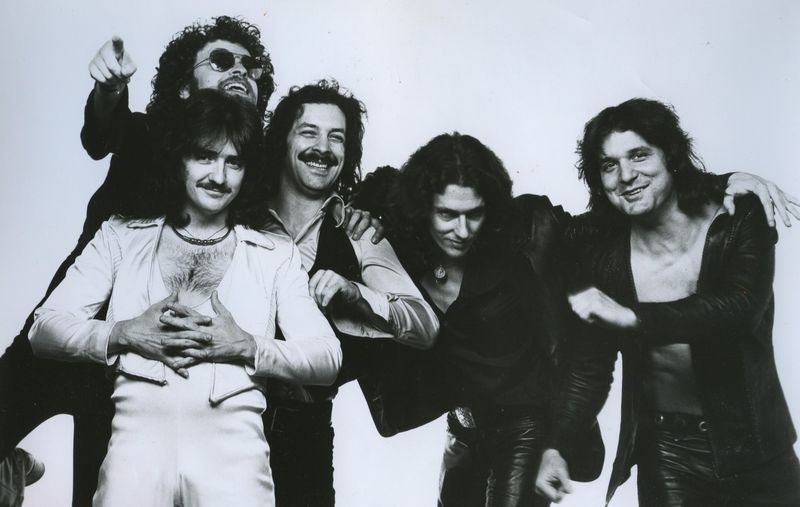
These guys wore all black, used mysterious symbols, and wrote songs about occult themes and science fiction.
Blue Öyster Cult mixed hard rock with literary references to writers like Michael Moorcock.
Their image was dark and cerebral rather than flashy or accessible.
Today’s rock market wants clear branding and relatable lyrics about relationships or partying.
A band singing about ancient cults and interdimensional beings wouldn’t get past the first meeting.
Their intellectual approach to heavy metal would be considered too niche.
Labels now want artists whose image translates well to short video content.
Blue Öyster Cult’s subtle mystique worked in the album era but wouldn’t generate viral moments or memes effectively.
9. Gentle Giant
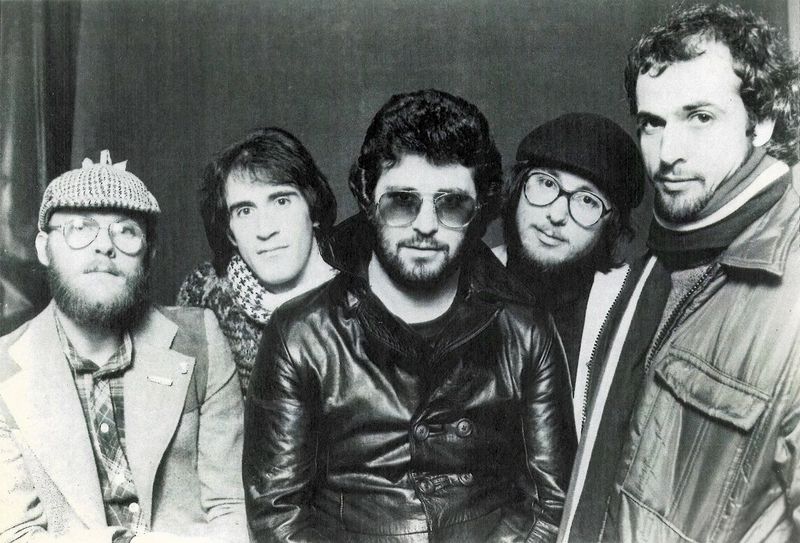
Band members switched between dozens of instruments during shows, sometimes mid-song.
Gentle Giant created progressive rock so complex that music students still analyze their compositions.
They used medieval instruments, dissonant harmonies, and rhythms that seemed mathematically impossible.
No modern label would invest in a band this demanding.
The learning curve for listeners is too steep, and the commercial potential too limited.
Their music required serious concentration rather than casual listening.
Streaming algorithms favor songs that people don’t skip.
Gentle Giant’s challenging sound would get skipped constantly by casual listeners.
Their brilliance appealed to a small audience of serious music fans rather than the mass market labels need today.
10. Roxy Music
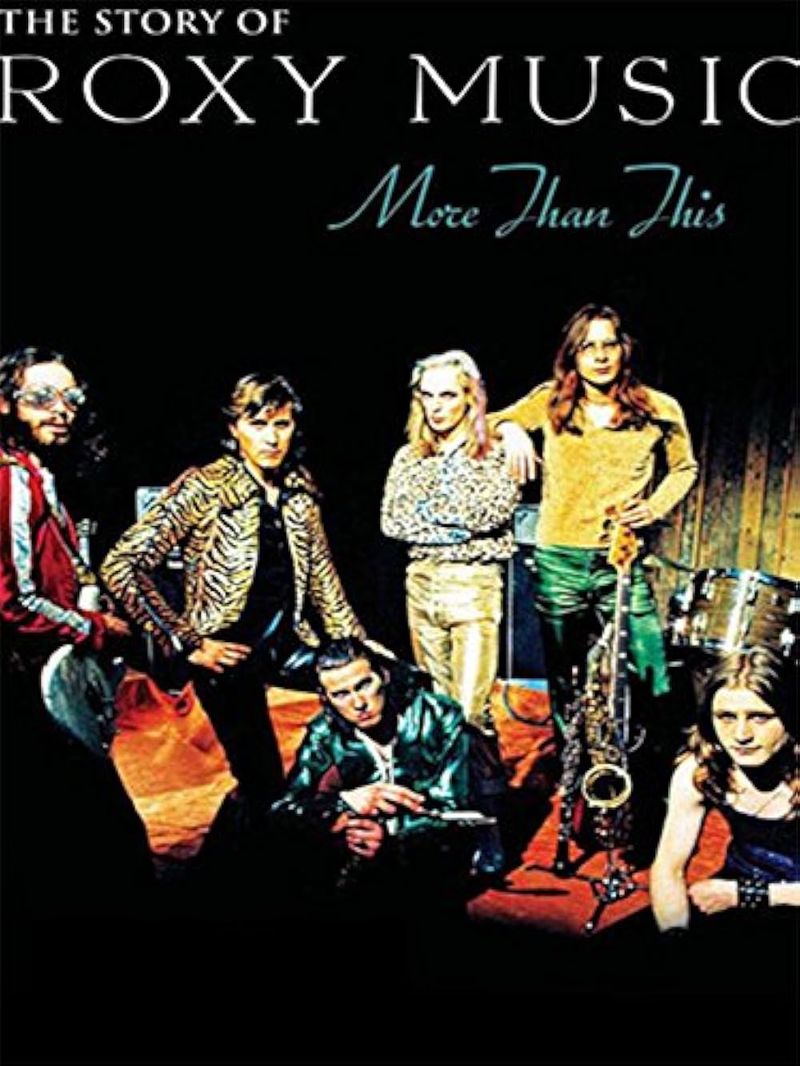
Bryan Ferry wore outrageous outfits and sang sophisticated lyrics about art and fashion.
Roxy Music combined avant-garde experimentation with glam rock theatrics and lounge music smoothness.
Their sound was impossibly elegant yet genuinely weird at the same time.
Current rock music tends toward authenticity and relatability rather than artifice and sophistication.
Roxy Music’s art-school pretensions would be mocked on social media.
Their refusal to be straightforward or earnest goes against modern rock values.
Labels want artists whose persona feels genuine and accessible.
Roxy Music’s carefully constructed aesthetic would seem fake and try-hard to contemporary audiences raised on confessional songwriting and casual presentation styles.
Comments
Loading…