
 Chloe Peterson
10 Critically Acclaimed TV Shows That Completely Ruined Their Legacy in the Final 20 Minutes
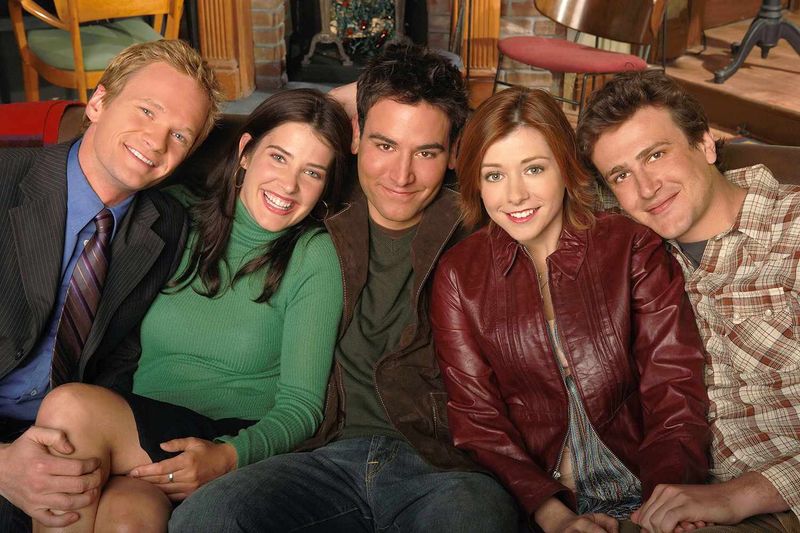
Television history is filled with amazing shows that kept viewers hooked for years.
But sometimes, even the most beloved series can stumble at the finish line.
A disappointing final episode can change how fans remember an entire show, turning years of great storytelling into bitter disappointment.
These shows had millions of devoted followers, but their last 20 minutes left audiences feeling confused, angry, or just plain let down.
1. Game of Thrones
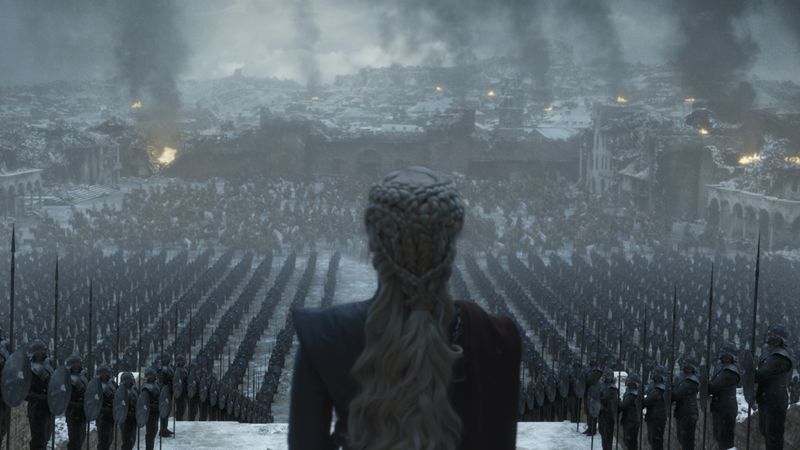
Eight seasons of epic battles, complex characters, and shocking plot twists all led to one massive letdown.
Daenerys burning King’s Landing felt rushed and out of character after years of character development.
Bran becoming king seemed random, especially since he spent most of the final season doing absolutely nothing.
Fans waited two years for the final season, only to watch beloved characters make choices that made no sense.
The Night King, built up as the ultimate villain for eight years, died in a single episode halfway through the season.
This left the real final battle feeling anticlimactic and hollow.
Millions of viewers signed petitions asking HBO to remake the entire final season.
2. How I Met Your Mother
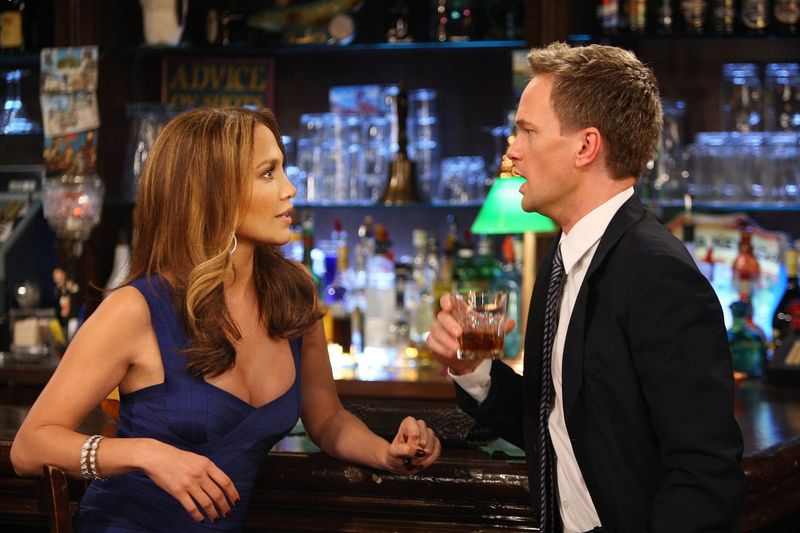
After nine seasons of building toward meeting the mother, viewers spent an entire season on Barney and Robin’s wedding weekend.
Then everything unraveled in minutes.
The mother died off-screen, Barney and Robin divorced immediately, and Ted went back to Robin like the whole series meant nothing.
Tracy, the actual mother, barely got any screen time despite being the show’s entire premise.
Fans felt cheated watching Ted pursue Robin again after spending years moving on.
The finale basically erased all character growth from the previous seasons.
Many consider it one of television’s most hated endings, with fans creating alternate finales that felt more satisfying and true to the characters everyone loved.
3. Dexter
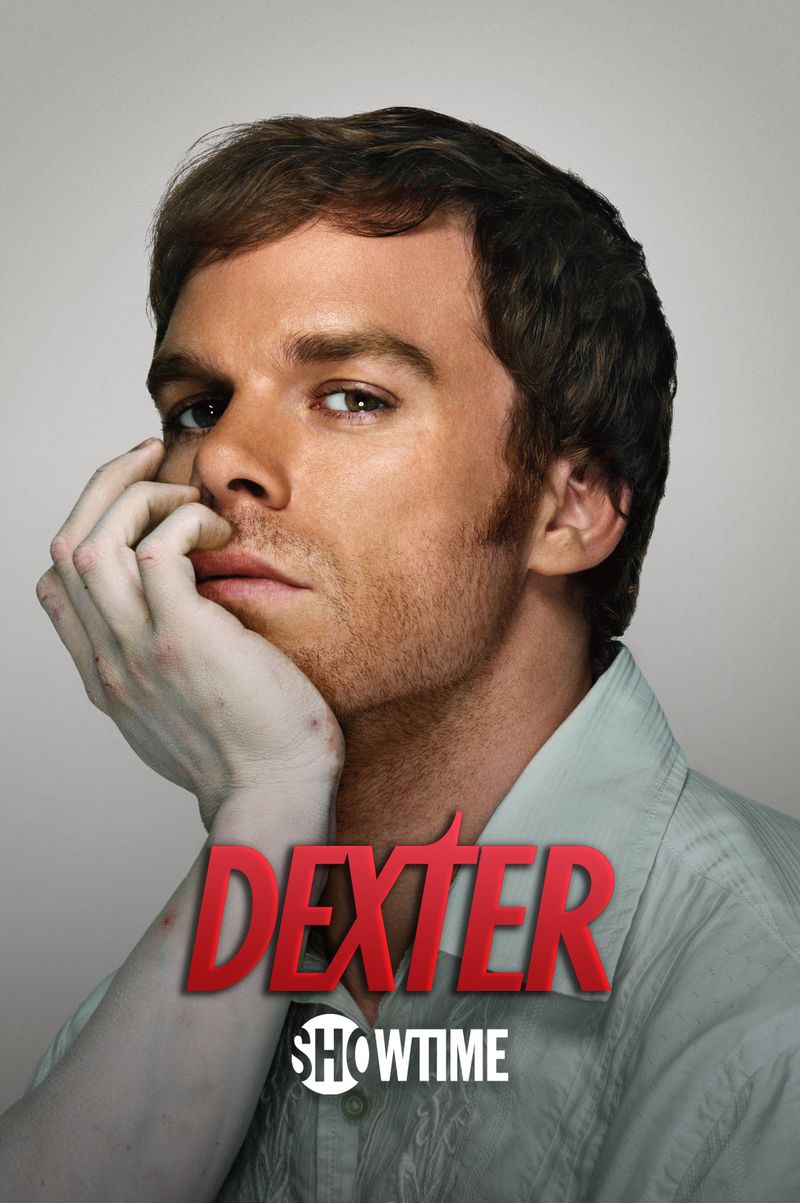
A serial killer with a code became one of cable’s biggest hits, but the finale turned Dexter into a lumberjack.
Seriously.
After eight seasons of psychology and suspense, he faked his death and abandoned his son to chop wood in Oregon.
His sister Deb died for no real reason, wasting years of complicated sibling dynamics.
The final season introduced a forgettable villain and ignored plot threads fans actually cared about.
Miami Metro never discovered Dexter’s secret despite countless close calls throughout the series.
The showrunner later admitted they struggled with how to end things properly.
The ending felt so wrong that Showtime brought the show back years later to try fixing it with a limited series.
4. Lost
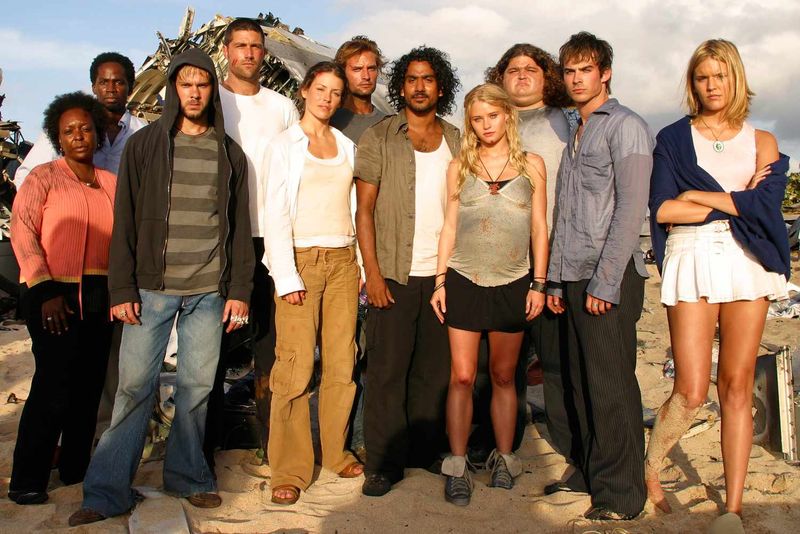
Six seasons of mysteries, polar bears, and smoke monsters ended with everyone meeting in a church.
The flash-sideways revealed to be a purgatory waiting room confused viewers who thought they’d get actual answers.
All those mysterious numbers, whispers, and weird island properties?
Basically left unexplained or brushed aside.
Writers spent years insisting the characters weren’t dead the whole time, but the finale made people think exactly that.
Hardcore fans who theorized and analyzed every detail felt betrayed by the vague spiritual ending.
The show raised hundreds of questions but only answered a handful satisfactorily.
Years later, debates still rage about whether the finale ruined the entire journey or provided meaningful closure.
5. The Sopranos
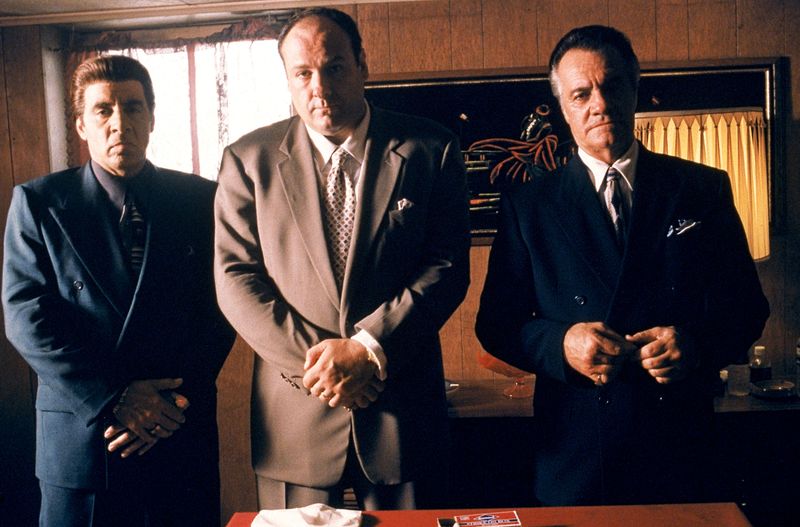
That sudden cut to black became television’s most discussed moment ever.
Tony sits in a diner, Journey plays on the jukebox, and then… nothing.
Screen goes dark.
Credits roll in silence.
Was Tony killed?
Did he live?
Creator David Chase left it completely ambiguous, frustrating millions who expected closure.
Some call it brilliant art, forcing viewers to sit with uncertainty like characters in mob life do.
Others felt cheated after following Tony’s journey through therapy and family drama for six seasons.
The abrupt ending sparked endless online debates and think pieces.
HBO’s phones crashed from angry viewers calling to complain about their cable cutting out, not realizing the blackout was intentional and permanent.
6. Seinfeld
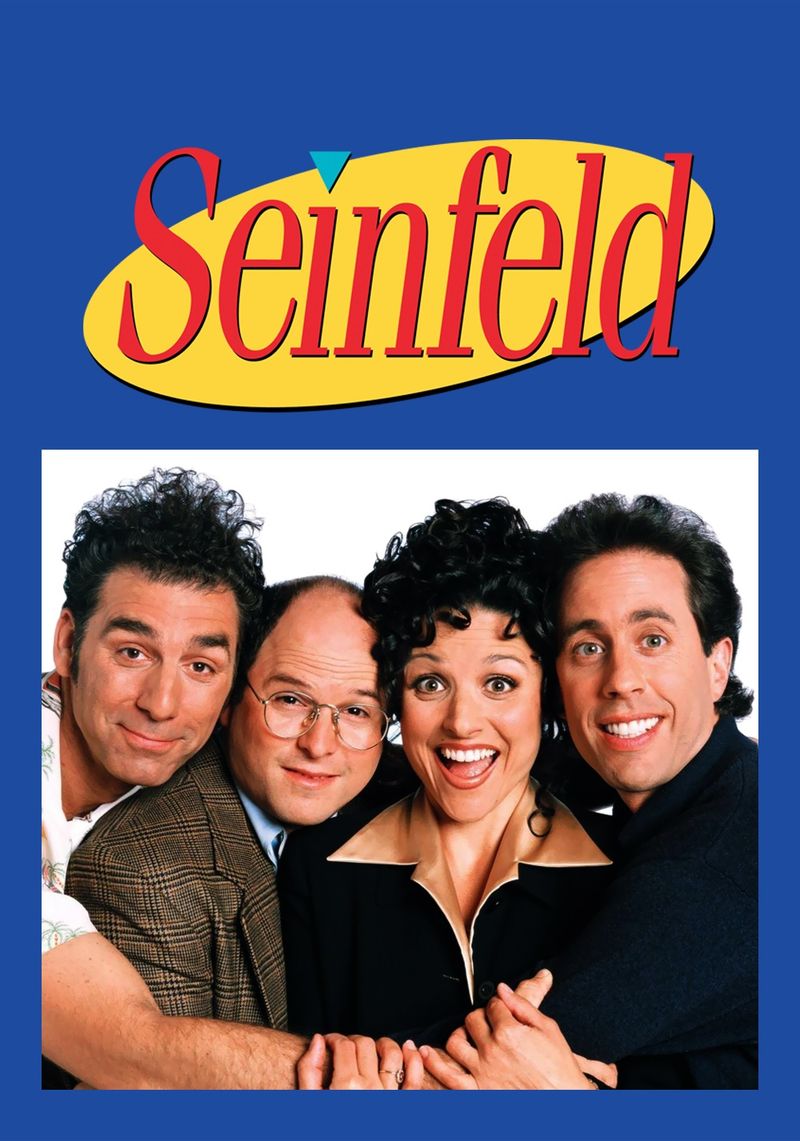
The show about nothing ended with literally nothing satisfying happening.
Jerry, George, Elaine, and Kramer go to jail for violating a Good Samaritan law by filming someone getting robbed.
The trial paraded every past character they’d wronged, basically putting the audience on trial for laughing at terrible people for nine years.
It felt preachy and weird for a comedy that always avoided sentimentality.
Watching beloved characters locked up for being selfish wasn’t funny or meaningful.
Co-creator Larry David has since admitted the finale didn’t work as well as hoped.
Despite massive viewership numbers, the episode left a sour taste that still impacts how people remember an otherwise revolutionary comedy.
7. St. Elsewhere
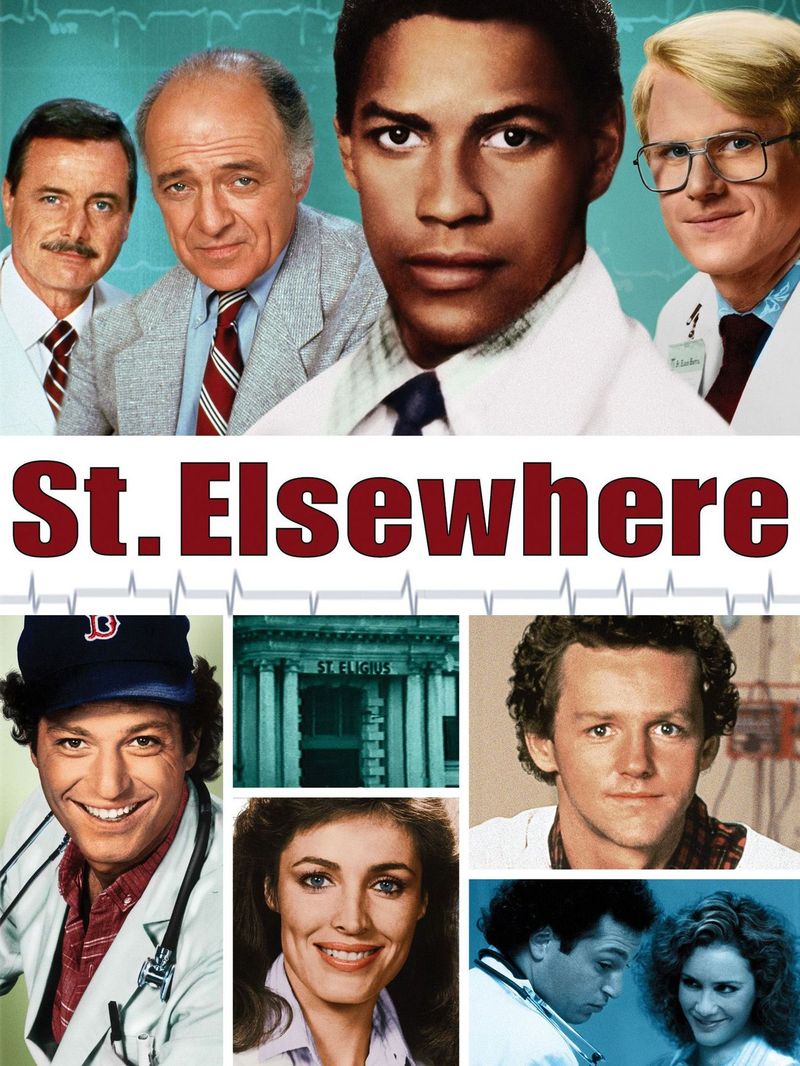
Everything was fake.
The entire six-season run took place inside an autistic boy’s snow globe fantasy.
Tommy Westphall stared at a snow globe containing a tiny hospital, suggesting none of the medical drama actually happened.
It retroactively made every emotional moment, death, and triumph completely meaningless.
This ending created the “Tommy Westphall Universe” theory suggesting hundreds of other shows exist only in his imagination through crossovers.
While creative, it felt like a slap to viewers who invested in these characters’ lives.
The twist was too clever for its own good.
Many consider it the original example of “it was all a dream” endings that make audiences feel their time was wasted watching something that never mattered.
8. Roseanne
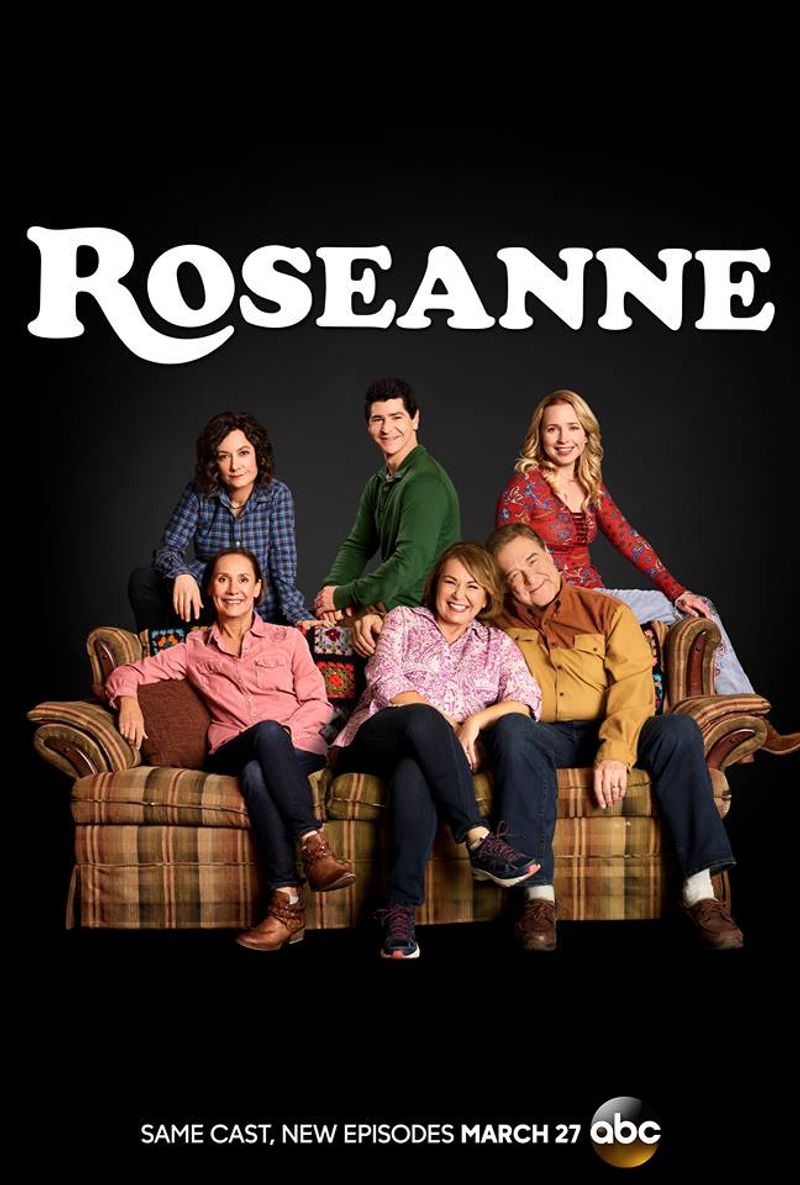
Nine seasons of working-class family struggles ended with Roseanne revealing she made everything up.
Dan actually died from his heart attack months earlier.
The lottery win was fantasy.
Jackie was really gay, not her mom.
Darlene married Mark, not David.
Every happy moment from the final season was just Roseanne’s fictional writing.
It transformed a relatable sitcom about real problems into a sad widow’s coping mechanism.
Fans who celebrated the family’s lottery win felt manipulated and confused.
The meta twist worked against everything the show represented about authentic blue-collar life.
When the revival happened decades later, they ignored most of the original finale, basically admitting it was a mistake worth pretending never happened.
9. Bloodline
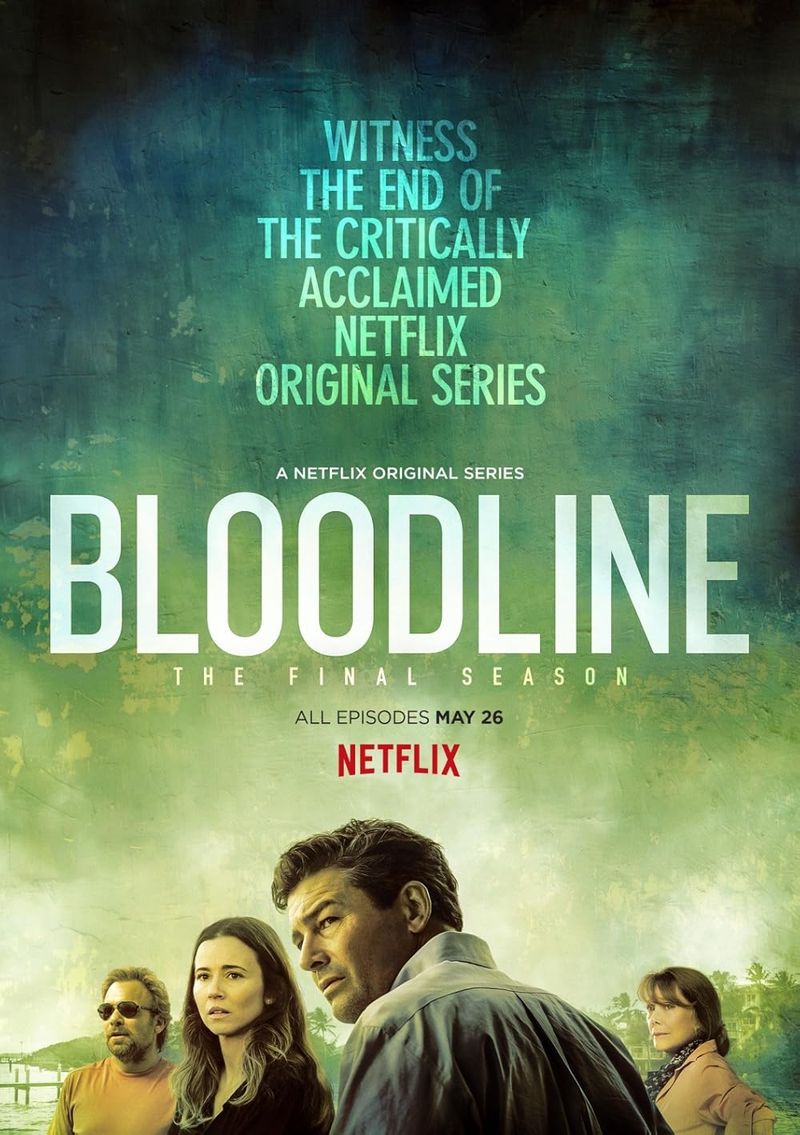
This Netflix thriller about a family’s dark secrets in the Florida Keys ended with zero resolution.
Danny’s son confronted John about murdering his father, and the screen just… stopped.
No resolution, no consequences, no payoff for three seasons of slowly building tension and mystery.
The final season felt rushed after Netflix shortened it, cramming too much into too few episodes.
Character motivations stopped making sense.
Important plot threads vanished without explanation.
The talented cast deserved better than an ending that literally answered nothing.
The abrupt finale transformed what started as a prestigious drama into a cautionary tale about shows getting canceled mid-story, leaving loyal viewers hanging forever.
10. Two and a Half Men
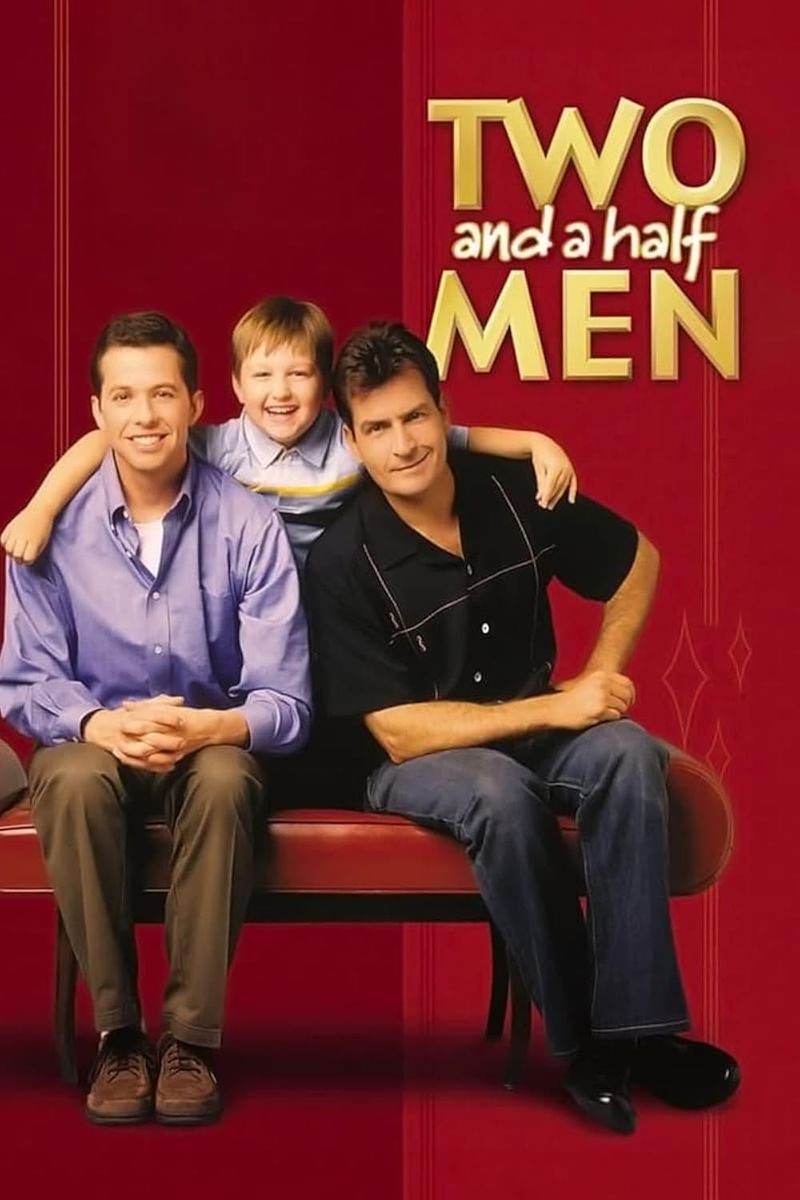
Charlie Sheen’s public meltdown and firing created real-life drama bigger than the show itself.
The finale brought back his character just to drop a piano on him, then creator Chuck Lorre appeared on-screen to address the camera before a piano fell on him too.
Breaking the fourth wall felt petty and bitter.
Ashton Kutcher’s character disappeared without explanation.
The whole episode focused on settling scores with Sheen rather than honoring twelve seasons of comedy.
Fans who stuck around through the awkward transition deserved an actual ending, not a mean-spirited inside joke.
What should have been a celebration became a public feud’s final chapter, proving sometimes real-life conflicts ruin perfectly good television shows.
Comments
Loading…