
 Hailey Watson
10 Career Paths That May Not Offer Long-Term Security

The world of work keeps changing faster than ever before.
Some jobs that seemed stable just a few years ago are now disappearing or becoming much harder to find.
Technology, automation, and shifting consumer habits are reshaping entire industries.
Understanding which career paths face uncertain futures can help you make smarter choices about your education and work life.
1. Print Journalist

Newspapers are closing at an alarming rate across America.
More people get their news from phones and social media than from printed papers.
Advertising money that once kept newspapers alive has moved online to companies like Google and Facebook.
Many experienced reporters have lost their jobs or taken major pay cuts.
Young journalists often struggle to find full-time positions with benefits.
The few jobs available pay much less than they did twenty years ago.
While some digital news outlets are growing, they hire far fewer people than traditional newspapers did.
Competition for these positions remains incredibly fierce nationwide.
2. Travel Agent

Booking trips yourself online has become super easy and popular.
Websites like Expedia, Kayak, and Booking.com let anyone compare prices and make reservations instantly.
Most people no longer need someone else to plan their vacations for them.
Travel agencies have been closing their doors for years now.
The ones still operating often struggle to compete with online prices.
Many agents work from home as independent contractors without steady paychecks or health insurance.
Only luxury travel planning for complicated international trips keeps some agents employed.
But even wealthy customers increasingly book their own travel online too.
3. Retail Cashier

Self-checkout machines are replacing cashiers everywhere you look.
Grocery stores, department stores, and fast-food restaurants are installing more automated systems every month.
These machines never need breaks, sick days, or paychecks.
Amazon opened stores where customers just grab items and walk out without any checkout at all.
The technology tracks everything automatically and charges your account.
Several other companies are testing similar systems right now.
Traditional cashier jobs still exist today but are disappearing fast.
Experts predict most will vanish within the next decade.
Young people starting in these positions should plan for different careers soon.
4. Taxi Driver

Ridesharing apps like Uber and Lyft changed everything for taxi drivers.
Cities that once had thousands of cab drivers now have just hundreds.
The yellow taxi medallions that used to be worth hundreds of thousands of dollars lost most of their value.
Self-driving car technology poses an even bigger threat coming soon.
Companies are already testing robot taxis in several cities.
When this technology becomes widespread, human drivers of all types could lose their jobs.
Current drivers face tough competition and shrinking incomes.
Many work extremely long hours just to pay their bills and car expenses.
5. Telemarketer

Nobody likes getting sales calls during dinner anymore.
Caller ID and spam-blocking apps have made telemarketing incredibly difficult.
Most people simply ignore unknown numbers or send them straight to voicemail nowadays.
Laws restricting when and how companies can call people keep getting stricter.
The Do Not Call Registry protects millions of households.
Automated robocalls and artificial intelligence programs are replacing human callers too.
Call centers continue moving overseas where labor costs less.
The jobs that remain often pay minimum wage with high-pressure quotas.
Employee turnover rates in telemarketing exceed seventy percent annually because conditions are so stressful.
6. Coal Miner

Coal mining has been declining for decades as cleaner energy sources expand.
Natural gas, wind turbines, and solar panels are replacing coal-fired power plants.
Environmental concerns and climate change policies accelerate this shift away from coal.
Entire mining communities have suffered as operations shut down.
Thousands of experienced miners lost their jobs with few alternatives in small towns.
Retraining programs exist but cannot replace all the lost employment.
Younger workers avoid mining because the industry’s future looks bleak.
Health risks from coal dust remain serious concerns too.
Most experts agree coal mining will continue shrinking significantly.
7. Bank Teller

ATMs and online banking have reduced the need for human tellers dramatically.
Customers deposit checks by taking phone photos and transfer money with apps.
Fewer people visit physical bank branches than ever before.
Banks are closing thousands of branches nationwide to cut costs.
The remaining locations operate with minimal staff.
Many routine transactions that tellers once handled are now completely automated.
Entry-level banking jobs continue disappearing each year.
Artificial intelligence chatbots answer customer questions online.
Teller positions that remain offer limited advancement opportunities and modest wages.
Career prospects in this field look increasingly uncertain.
8. Assembly Line Worker
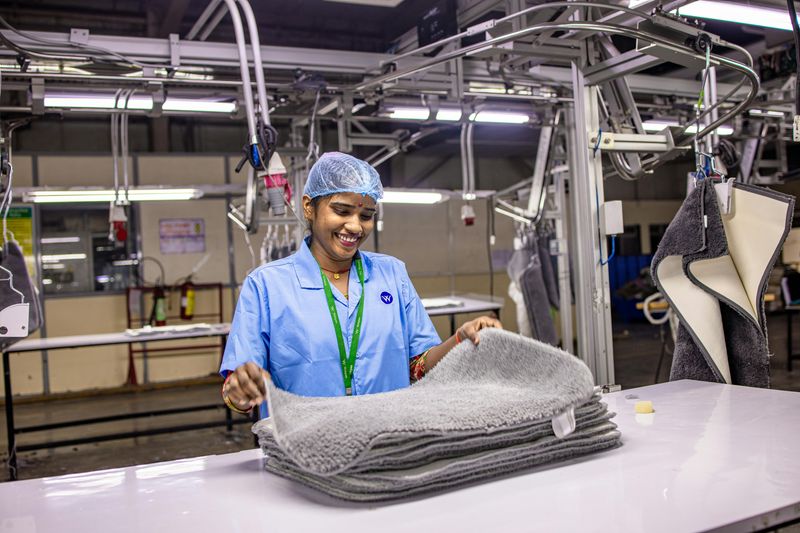
Robots are taking over factory floors across America and worldwide.
Machines can work twenty-four hours without breaks, never make mistakes, and never complain.
Manufacturing companies invest billions in automation to reduce labor costs.
Jobs assembling cars, electronics, and other products increasingly go to robots.
Even in countries with cheap labor, automation is replacing human workers.
The trend accelerates as robot technology improves and becomes more affordable.
Factory towns that once employed thousands now need only a few dozen technicians.
Workers without advanced technical skills face limited options.
Manufacturing will always need some people, but far fewer than before.
9. Mail Carrier
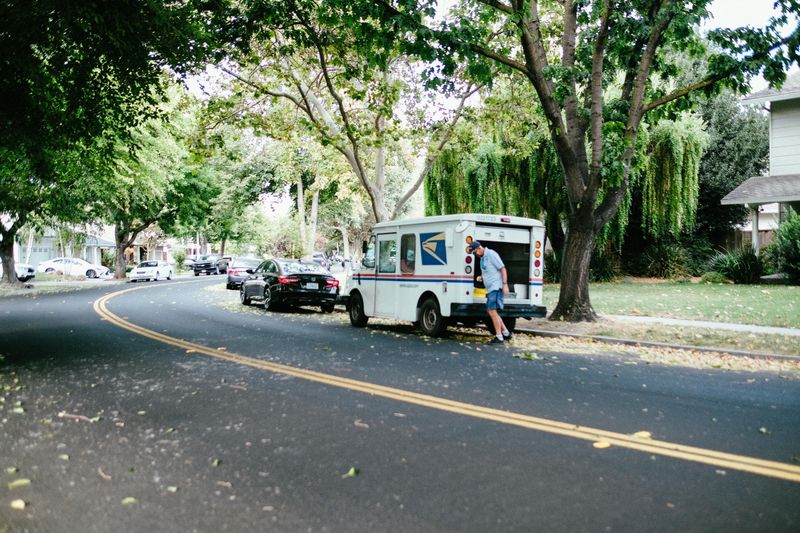
The postal service loses billions of dollars every year as mail volume drops.
Email, online billing, and digital communication have replaced most letters.
Young people rarely send physical mail except for occasional packages.
The United States Postal Service has discussed reducing delivery days to save money.
Early retirement offers and workforce reductions happen regularly.
Package delivery remains strong but faces fierce competition from private companies.
Starting a career as a mail carrier might seem safe because it’s a government job.
However, the postal service faces serious financial problems.
Long-term security in this profession appears questionable as trends favor digital communication.
10. Data Entry Clerk

Optical character recognition software can now read and input data automatically.
Artificial intelligence programs process forms, receipts, and documents faster than humans.
Companies pay for these systems once instead of salaries forever.
Outsourcing to countries with lower wages also threatens these jobs.
Many data entry tasks move overseas where workers cost much less.
The positions that stay in America pay relatively low wages.
People entering data entry should view it as temporary work only.
Learning more advanced computer skills becomes essential for future employment.
This career offers minimal growth potential and faces automation from multiple directions simultaneously.
Comments
Loading…