
 Jade Reed
Sometimes the reason you feel off is hiding in plain sight – inside your own walls.
The way your home looks, sounds, and functions can quietly wear down your energy, focus, and emotional resilience.
If you have been blaming yourself for feeling low, your space may deserve a closer look.
These subtle signs can reveal what is dragging you down and show you how to make home feel supportive again.
1. Your Home Feels Too Dark All the Time
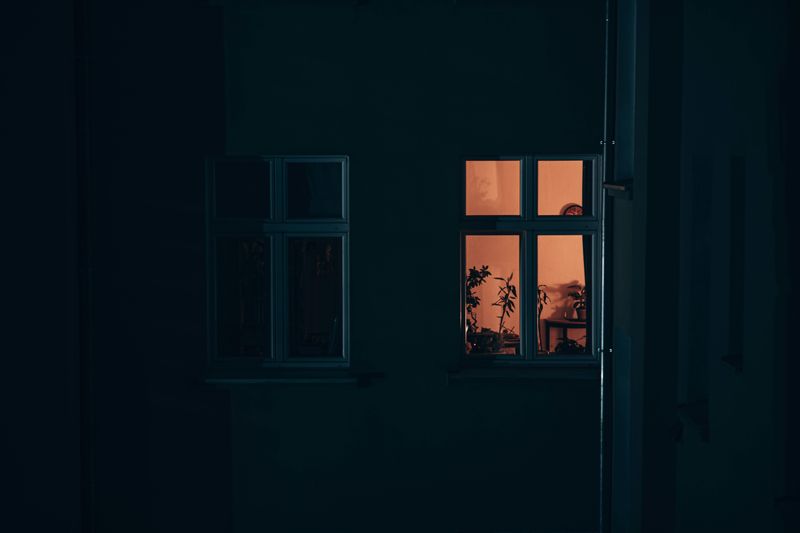
If your rooms stay dim even at noon, your brain may read the space as a cue to power down.
Low light can flatten energy, disrupt your body clock, and make ordinary tasks feel heavier than they are.
You may notice more naps, less motivation, or a constant sense of mental fog.
Start by opening blinds earlier, trimming outdoor blockage, and swapping weak bulbs for brighter warm-white LEDs.
Place mirrors where they can bounce daylight deeper into the room.
Even one well-lit corner for reading, working, or eating can shift the mood of your whole day.
2. Clutter Makes Every Room Feel Mentally Loud
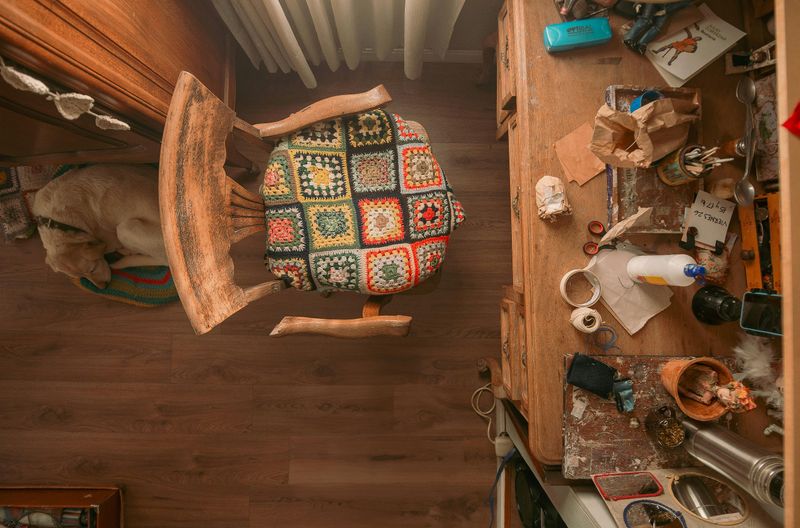
When every surface is crowded, your mind keeps scanning unfinished business.
Visual noise can quietly raise stress, steal focus, and make home feel like another place where you are falling behind.
That background tension often shows up as irritability, procrastination, or the urge to avoid certain rooms entirely.
Pick one small zone, like a nightstand or kitchen counter, and clear it completely today.
Use baskets, labels, and a simple rule that everything needs a home.
You do not need a perfect house – you need enough order that your nervous system can finally relax again.
3. The Air Feels Stale and Heavy
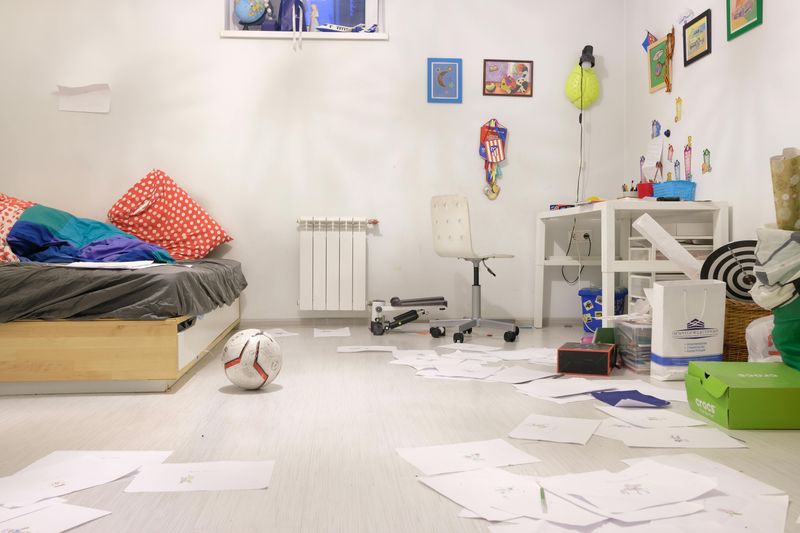
If your home feels stuffy, sleepy, or vaguely unpleasant, poor air quality may be affecting more than comfort.
Dust, trapped odors, excess humidity, and hidden mold can worsen fatigue, headaches, and low mood without announcing themselves clearly.
You might think you are just tired, when your space is quietly draining you.
Open windows for a short cross breeze whenever weather allows, and replace neglected filters on schedule.
Add an air purifier in the room where you spend the most time, and check damp areas for leaks.
Cleaner air often brings faster thinking, easier breathing, and a surprising emotional lift.
4. There Is Constant Background Noise

A house that never gets quiet can keep your body in low-grade alert.
Buzzing appliances, traffic, barking dogs, or a television that is always on may chip away at patience and rest more than you realize.
Over time, constant noise can make concentration harder, sleep lighter, and emotions feel closer to the surface.
Notice which sounds spike your tension, then reduce what you can with rugs, curtains, door sweeps, and softer lighting routines at night.
Try a white noise machine or calming music instead of random background chatter.
The goal is not silence – it is giving your mind a chance to unclench.
5. Little Repairs Keep Sending a Bad Message
Small household problems can create a surprisingly heavy emotional load.
A dripping faucet, peeling paint, loose handle, or stained ceiling sends a steady message that things are not okay, even when you stop consciously noticing it.
That subtle sense of neglect can mirror inward, making you feel stuck, ashamed, or too overwhelmed to start.
Make a repair list and tackle the quickest win first, preferably in under twenty minutes.
Fixing one visible annoyance can restore a sense of agency faster than a major makeover.
If money is tight, focus on safety, function, and the spots you see every single day.
6. The Colors Around You Feel Flat or Cold
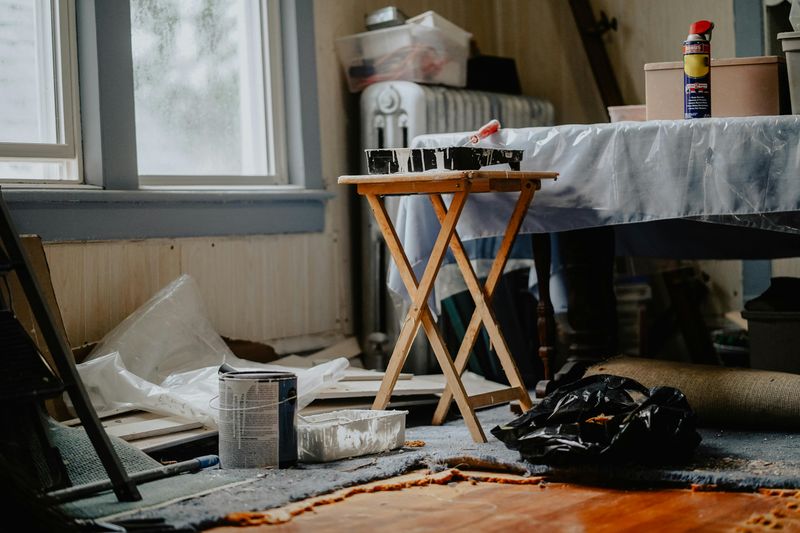
Color affects mood more than most people admit.
Walls that are muddy, overly gray, or aggressively stark can make a space feel colder, flatter, and less alive, especially during long weeks indoors.
If a room seems to drain your energy the moment you enter, the palette may be working against you.
You do not need a full renovation to soften the effect.
Bring in warmer textiles, natural wood tones, plants, and artwork with colors that feel grounded and hopeful.
Even painting one wall, changing pillow covers, or adding a richer lamp shade can make the room feel emotionally safer.
7. You Have No Real Place to Unwind
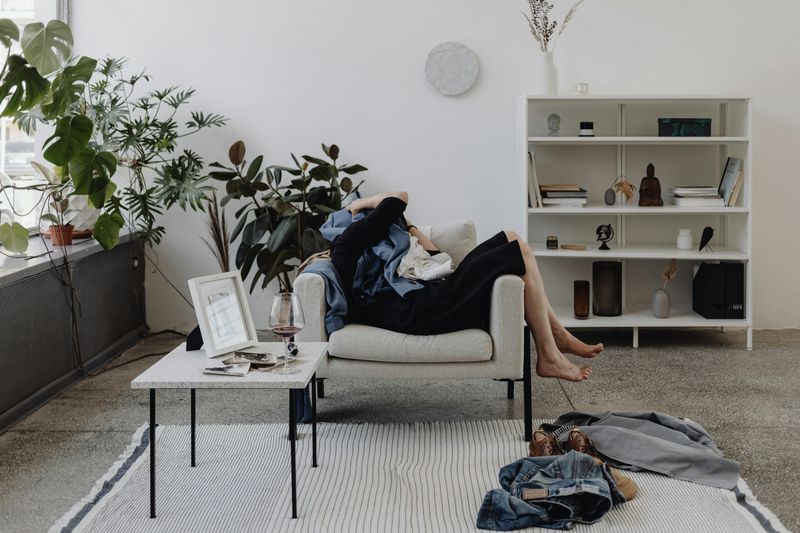
If every room in your house is built for chores, screens, or storage, your mind never gets a clear signal to rest.
A home should contain at least one spot that asks nothing from you except presence.
Without that cue, stress can keep stretching across the day until even downtime feels strangely restless.
Create a small retreat with a comfortable chair, soft light, a blanket, and something living, like a plant or fresh flowers.
Keep the area free from laundry piles and work materials as much as possible.
When your eyes land on one calm corner, your body starts believing relief is available.
8. Your Bedroom Is Working Against Your Sleep

Your bedroom can shape your mood long before morning coffee does.
If it is hot, bright, cluttered, or filled with reminders of work, your brain may struggle to shift into recovery mode at night.
Poor sleep then amplifies sadness, anxiety, and irritability, making the whole house feel emotionally harder to live in.
Help the room do one main job by cooling it down, darkening the windows, and removing as many wakeful cues as possible.
Wash bedding, hide chargers, and keep paperwork elsewhere if you can.
Better sleep is one of the fastest home fixes because it changes how everything else feels.
Comments
Loading…