
 Mary Murphy
Most of us have been there — lying in bed, phone in hand, scrolling through social media or watching videos when we should be sleeping. It feels harmless, but that late-night habit might be doing more damage than you think.
From messing with your sleep to affecting your mood the next day, screen time before bed has some serious downsides. Here are eight solid reasons to put your phone down and give your body the rest it truly deserves.
1. Blue Light Disrupts Your Sleep Hormones
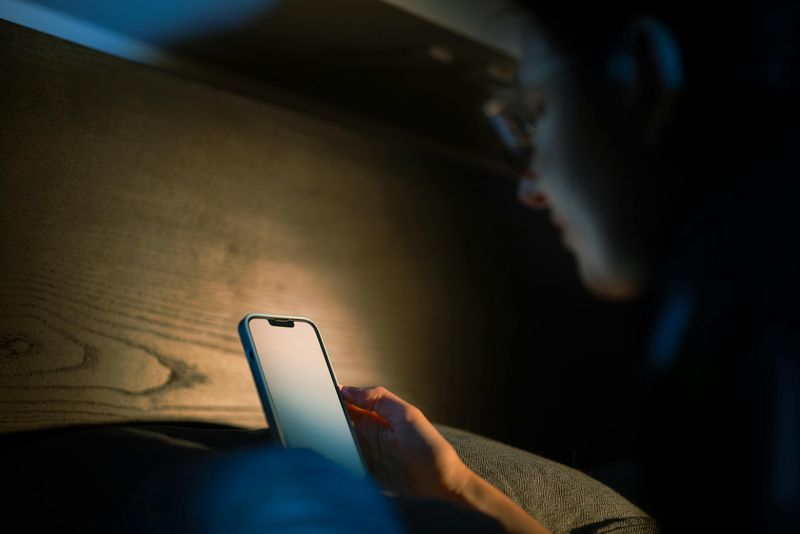
Your phone is basically tricking your brain into thinking it’s still daytime.
The blue light emitted from screens blocks melatonin, the hormone your body produces to signal that it’s time to sleep.
Without enough melatonin, falling asleep becomes a real struggle.
Researchers have found that even 30 minutes of screen exposure before bed can delay your sleep cycle by up to two hours.
That means your body clock gets thrown completely off.
Night after night, this adds up to serious sleep deprivation that affects everything from your grades to your mood.
2. Your Brain Stays Wired and Alert
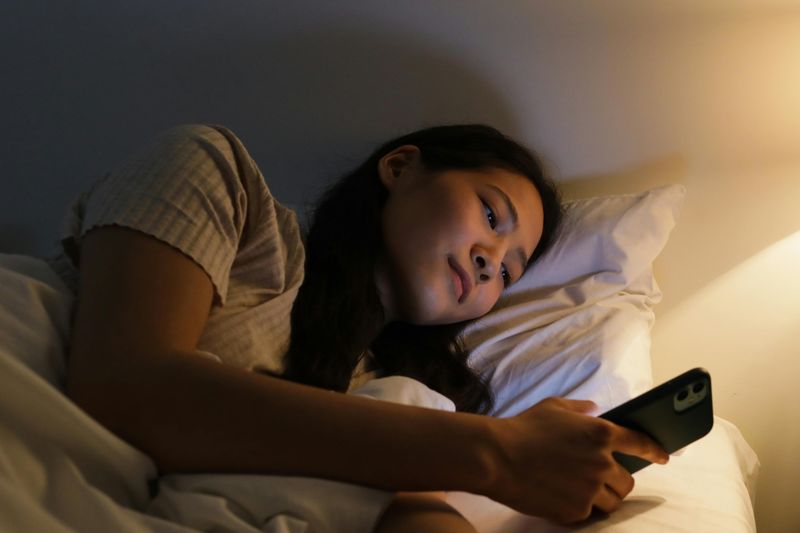
Scrolling through exciting content right before bed is like pouring energy drink into your brain at midnight.
Every notification, funny video, or shocking headline triggers a small burst of dopamine, keeping your mind buzzing with activity when it should be winding down.
Think of your brain as a car engine — it needs time to cool off before shutting down completely.
Constant stimulation from a screen keeps that engine running hot.
Giving your brain even 20 to 30 minutes of screen-free time before sleep allows it to shift into a calmer, sleep-ready state naturally.
3. Poor Sleep Tanks Your Memory and Learning

Did you know your brain actually does some of its most important work while you sleep?
During deep sleep, your brain processes and stores everything you learned during the day.
Skip that deep sleep, and a lot of that information simply doesn’t stick.
Students who stay up late scrolling often notice they struggle to remember lessons, make more errors on tests, and feel mentally foggy in class.
Sleep is not just rest — it is active brain maintenance.
Protecting your sleep means protecting your ability to learn, grow, and perform at your best every single day.
4. Scrolling Fuels Anxiety and Stress
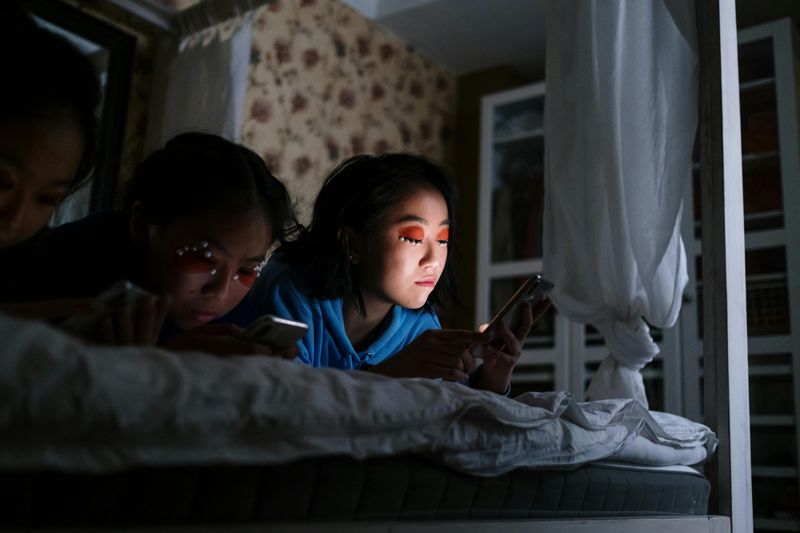
Late-night scrolling has a sneaky way of pulling you into content that raises your stress levels without you even realizing it.
News stories, arguments in comment sections, and comparison-heavy social media posts can leave you feeling uneasy, worried, or even sad right before you close your eyes.
Going to sleep with those feelings lingering makes it much harder to relax and drift off peacefully.
Over time, this pattern can actually feed into chronic anxiety.
Swapping your phone for something calming — like reading a book or listening to soft music — can completely change how you feel at bedtime.
5. It Shortens Your Total Sleep Time
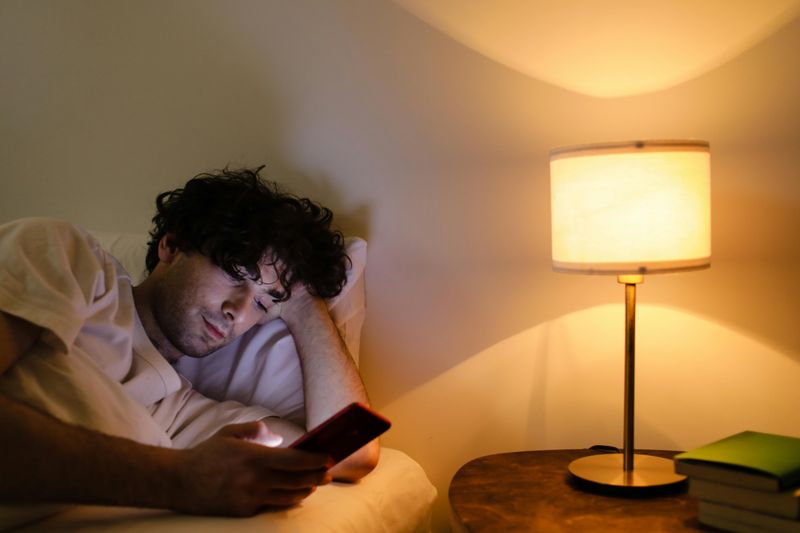
Here is a truth most night scrollers know deep down: one more video always turns into ten more.
Before you know it, an hour has slipped by and your alarm is set for six in the morning.
That math never works out in your favor.
Consistently cutting your sleep short creates what scientists call sleep debt — a growing deficit that your body keeps track of even when your mind tries to ignore it.
Teens need between eight and ten hours of sleep per night for healthy development.
Every night you spend scrolling is a night you are borrowing time from your own health.
6. Your Mood Takes a Hit the Next Day
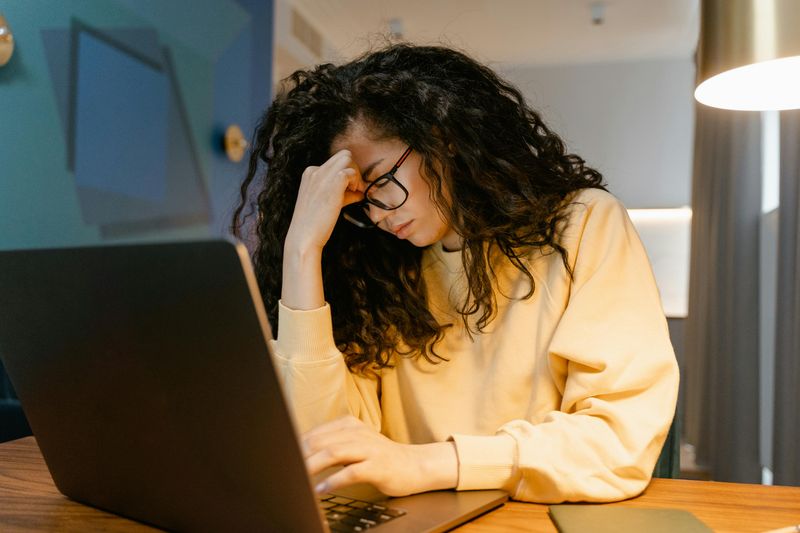
Waking up after a night of broken or shortened sleep feels rough — and your mood usually shows it.
Sleep-deprived people are more likely to feel irritable, easily frustrated, and emotionally reactive throughout the day.
Small annoyances feel huge, and patience wears thin fast.
Science backs this up: poor sleep directly affects the part of your brain that regulates emotions, making it harder to stay calm and think clearly.
Friends, family, and teachers might even notice the difference before you do.
Protecting your sleep is one of the easiest ways to show up as a better, happier version of yourself every morning.
7. Screen Time Before Bed Weakens Your Immune System

Your immune system does a lot of its repair and rebuilding work while you sleep.
When late-night scrolling cuts into that rest, your body has less time to fight off germs, heal from stress, and recharge its defenses.
The result?
You get sick more often and take longer to recover.
Studies show that people who regularly sleep fewer than seven hours are nearly three times more likely to catch a cold compared to those who get a full night of rest.
Putting the phone down is not just about feeling less tired — it is about keeping your whole body stronger and healthier long-term.
8. Better Bedtime Habits Lead to Better Days
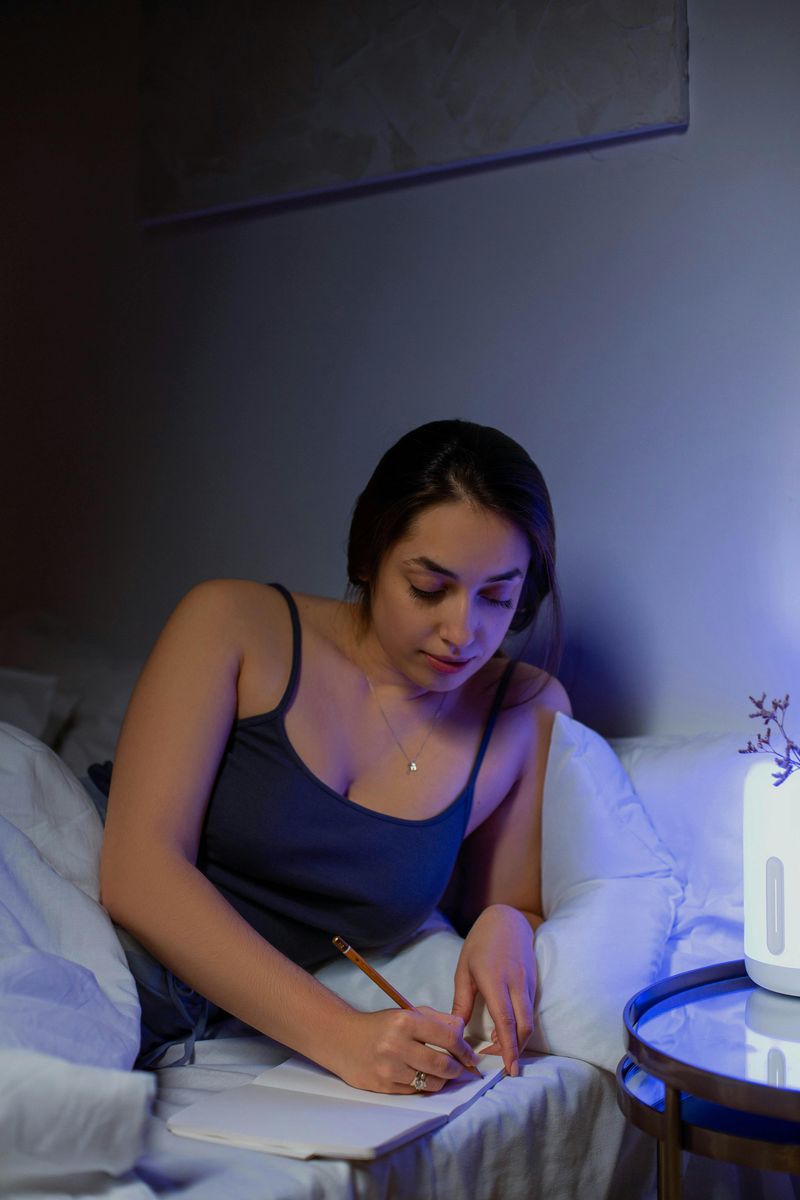
Replacing your nightly scroll with a calming routine can genuinely transform how you feel — not just at night, but all day long.
Activities like journaling, stretching, reading, or even just breathing slowly signal to your body that rest is coming, making it easier to fall asleep and stay asleep.
Building a consistent wind-down routine also trains your brain over time, so falling asleep starts to feel effortless rather than frustrating.
Small changes add up quickly.
Starting tonight, try setting your phone across the room 30 minutes before bed and notice the difference it makes within just a few days.
Comments
Loading…