
 Mila Ross
Ever wandered into a grocery store with a rumbling stomach and walked out with a cart full of snacks you didn’t plan to buy?
You’re not alone.
Science shows that shopping on an empty stomach messes with your brain in surprising ways, leading you to make choices you’ll regret later.
From overspending to grabbing junk food you don’t need, hunger turns a simple shopping trip into a costly mistake.
1. Your Brain Craves High-Calorie Junk Food
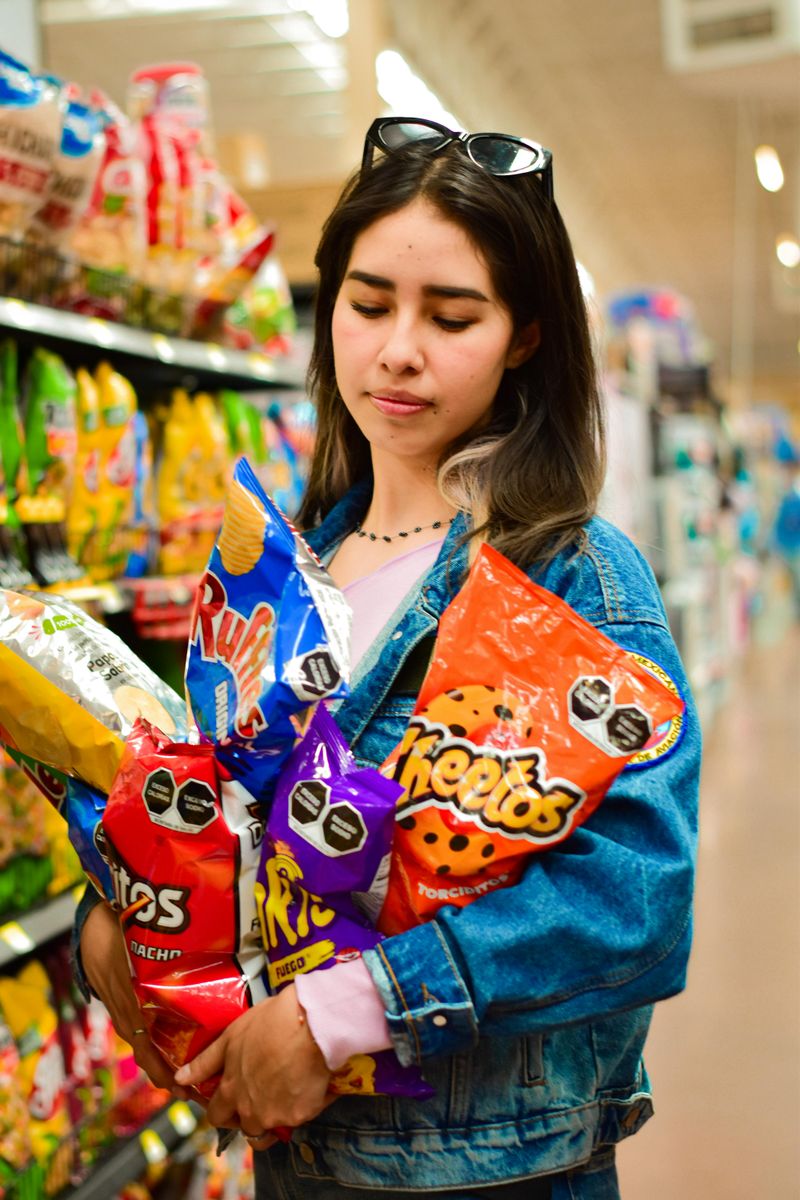
When your stomach is empty, your brain goes into survival mode and starts hunting for quick energy.
Research from Cornell University found that hungry shoppers grabbed an average of six high-calorie items compared to just four for people who ate beforehand.
Your body doesn’t care about your health goals when it thinks you’re starving.
Those colorful chip bags and chocolate bars suddenly look irresistible because your brain is desperately seeking fast calories.
You’ll reach for cookies, candy, and fried snacks without thinking twice.
Before you know it, your cart looks like a vending machine exploded.
Eating a small snack before shopping keeps your brain calm and rational, helping you stick to healthier choices.
2. You’ll Spend Way More Money Than Planned
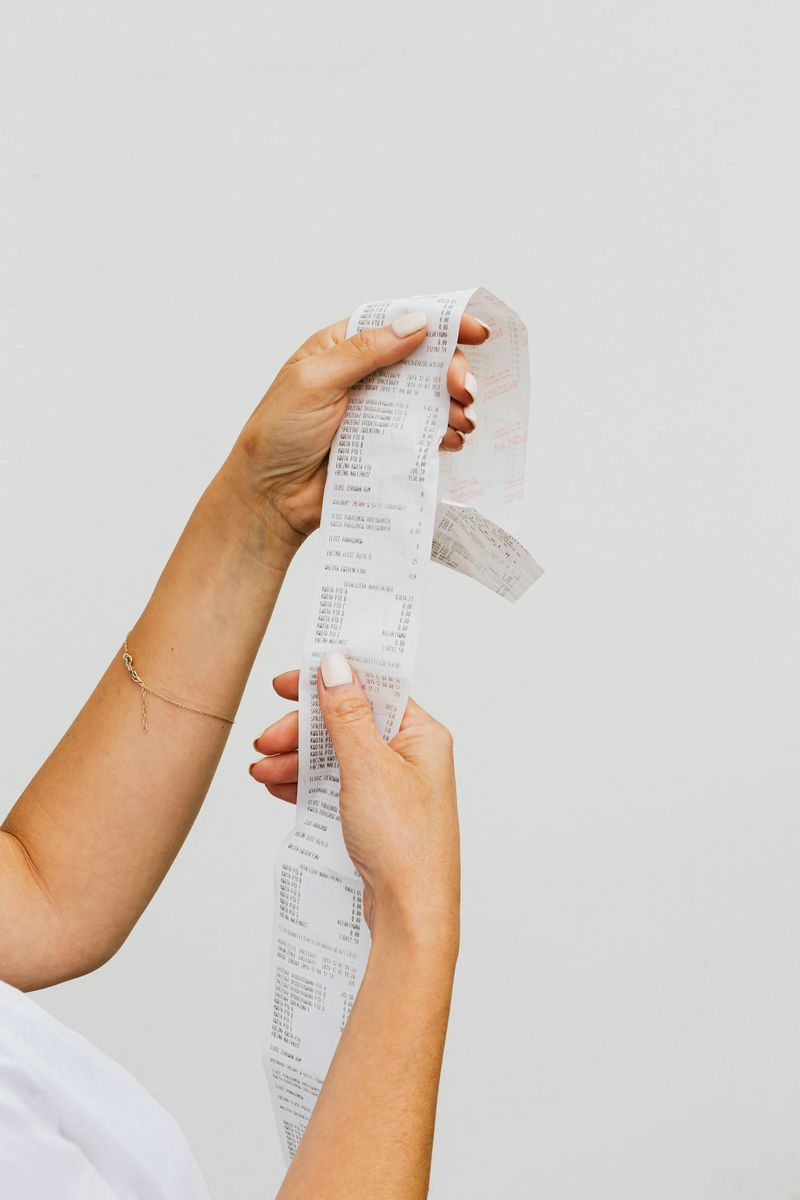
Hunger doesn’t just affect what you buy—it attacks your wallet too.
Scientists discovered that hungry shoppers spend significantly more money, sometimes up to 60% extra, even on things that aren’t food.
Your empty stomach somehow convinces you that everything looks like a great deal.
When you’re starving, that fancy cheese or imported olive oil seems absolutely necessary right now.
You’ll justify buying the premium versions of things you’d normally skip.
Your brain’s hunger signals override your budget sense completely.
Walking in with a full stomach helps you think clearly about prices and stick to your actual shopping list, saving serious cash over time.
3. Impulse Purchases Take Over Your Cart
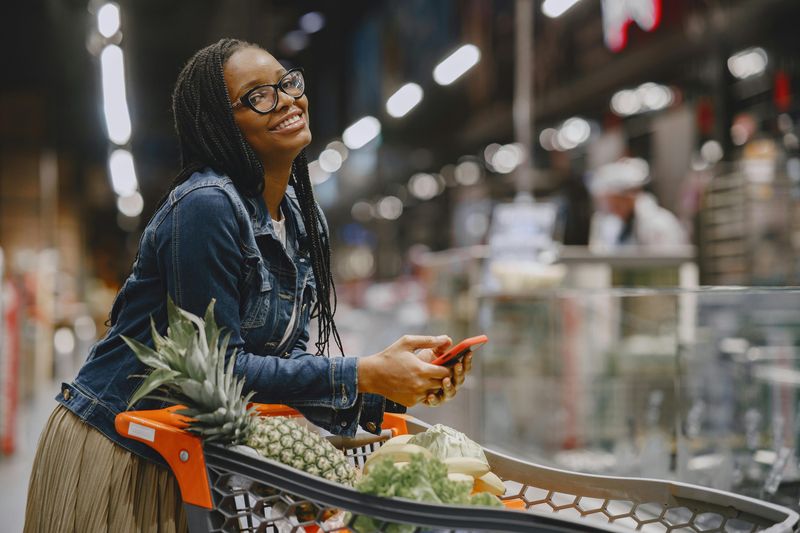
That carefully prepared shopping list in your pocket?
Hunger makes it practically invisible.
Studies show that hungry people have much weaker self-control, making them grab whatever catches their eye in the moment.
Your stomach takes the wheel while your brain sits helplessly in the passenger seat.
You’ll find yourself tossing random items into your cart—things you’ve never bought before and probably won’t use.
Those strategically placed displays near the checkout become impossible to resist.
One minute you’re buying milk, the next you’re hauling home three frozen pizzas and a giant bag of gummy bears.
Shopping after a meal gives you the willpower to say no to tempting distractions and stick with what you actually need.
4. Supermarket Tricks Work Better on Empty Stomachs
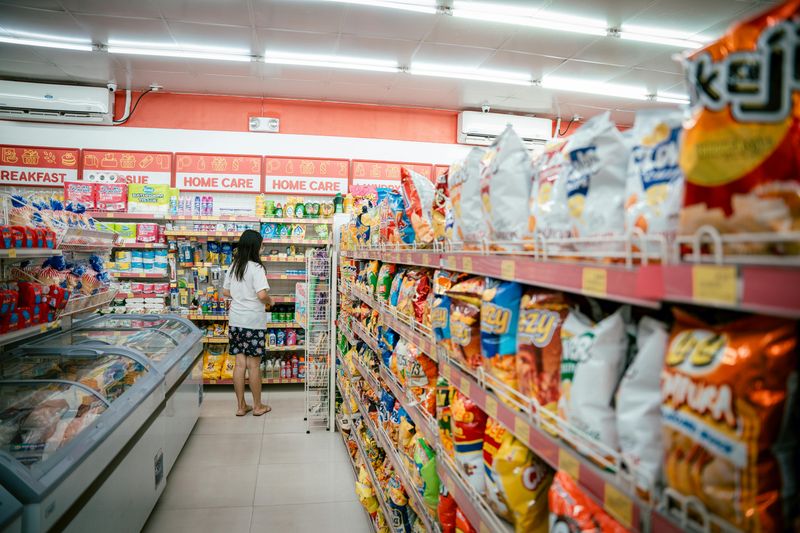
Grocery stores are designed like psychological mazes to make you spend more, and hunger makes you the perfect victim.
Store managers place expensive items at eye level, put candy near checkout lines, and use lighting to make food look extra appealing.
When you’re hungry, these tricks work twice as well.
Your starving brain falls for every marketing strategy in the book.
You’ll grab the pricier brand because the package looks fancier.
Those “buy two, get one” deals seem like amazing opportunities even when you don’t need three jars of pasta sauce.
A satisfied stomach helps you see through these manipulation tactics and make smarter, more intentional purchasing decisions based on actual needs.
5. Even Non-Food Items End Up in Your Cart
Here’s something weird: hunger makes you want to buy stuff that isn’t even edible.
Researchers found that hungry shoppers purchased more non-food products like magazines, kitchen gadgets, and household items they had zero intention of buying.
Your brain’s acquisition instinct goes haywire when you’re running on empty.
You’ll convince yourself that you absolutely need that new spatula or decorative candle right this second.
Somehow hunger transforms you into an impulsive shopper across every department.
Those cleaning supplies and random knickknacks near the entrance suddenly seem essential.
Shopping after eating keeps your focus sharp and prevents your hungry brain from justifying unnecessary purchases throughout the entire store, not just the food aisles.
6. Healthy Choices Become Nearly Impossible
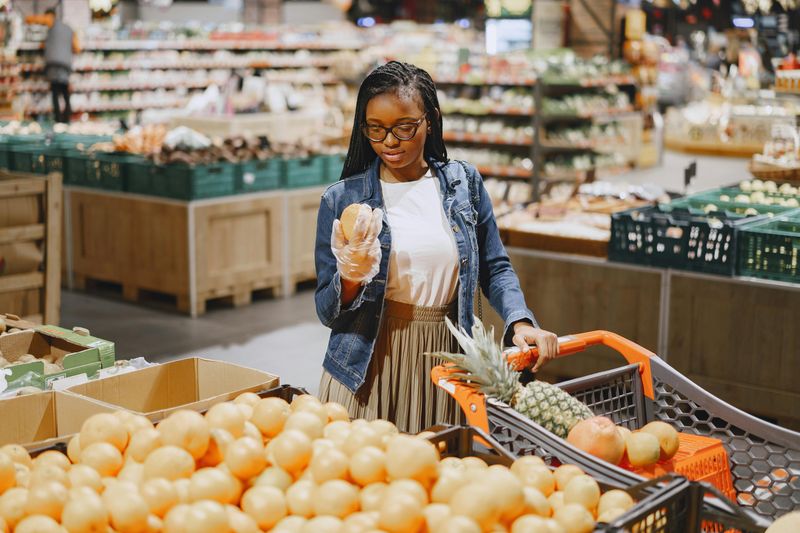
Trying to eat healthier?
Don’t shop hungry, or you’ll sabotage yourself instantly.
When your stomach is growling, your brain’s decision-making abilities crash, making those bright vegetables look boring while processed snacks seem amazing.
Research shows hungry shoppers consistently choose less nutritious options.
Fresh produce requires thinking about meal prep and cooking, but your hungry brain wants instant gratification now.
You’ll skip the broccoli and grab frozen dinners, sugary cereals, and ready-to-eat junk instead.
Your health goals don’t stand a chance against genuine hunger.
Eating before shopping gives you the mental clarity to choose nutritious foods that support your wellness goals instead of undermining them with convenience foods you’ll regret later.
7. You’ll Buy Too Much and Waste Food

Hungry eyes are bigger than actual stomach capacity or realistic eating schedules.
When you shop while starving, everything looks delicious and necessary, so you buy way more than you can actually consume before it spoils.
Your fridge becomes a graveyard of good intentions and rotting produce.
You’ll grab three different types of lettuce, multiple packages of meat, and enough snacks to feed a small army.
Then reality hits when you’re throwing away moldy strawberries and expired yogurt next week.
Food waste means wasted money—sometimes hundreds of dollars yearly.
Shopping with a satisfied stomach helps you buy realistic portions based on actual meal plans, reducing waste and keeping more money in your pocket long-term.
8. Emotions Override Logic When You’re Hungry

Did you know hunger makes you more emotional?
When your blood sugar drops, your feelings take control and logic takes a nap.
You’ll make decisions based purely on cravings and emotional desires rather than rational thinking about nutrition, budget, or actual needs.
That tub of ice cream isn’t just dessert anymore—it’s comfort in frozen form that you absolutely must have right now.
You’ll justify buying comfort foods because you “deserve a treat” or feel stressed.
Your emotional brain writes checks your rational brain wouldn’t approve.
A pre-shopping snack stabilizes your blood sugar and emotions, letting you make calm, sensible choices based on what you genuinely need rather than temporary feelings and intense cravings.
Comments
Loading…