
 Hailey Watson
8 Careers That Are Officially Dying (And 3 That Are Thriving in 2026)
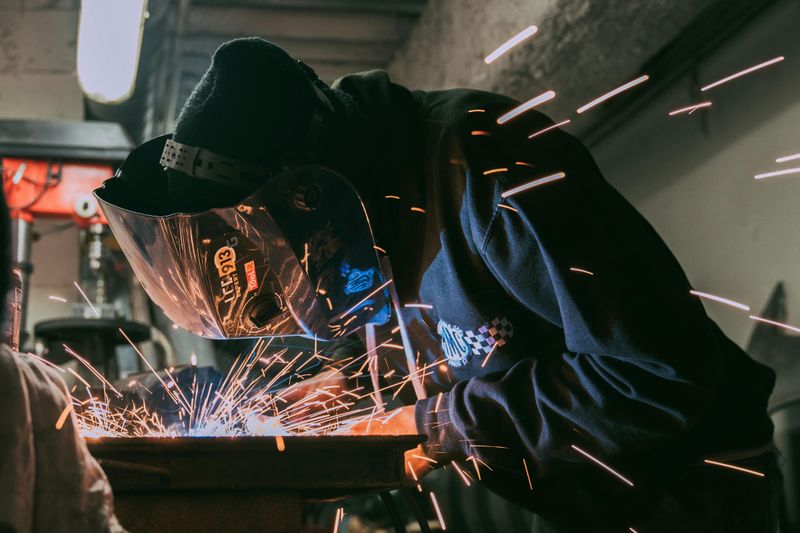
The job market looks completely different than it did just a few years ago.
Technology and automation have transformed how businesses operate, making some careers nearly extinct while creating exciting new opportunities in other fields.
Understanding which careers are fading and which ones are booming can help you make smarter decisions about your future, whether you’re choosing a career path or considering a change.
1. Data Entry Clerks

Remember when companies needed rooms full of people typing information into computers all day?
Those days are rapidly disappearing.
Automated systems and artificial intelligence can now process thousands of documents in seconds, doing work that once took humans hours or even days.
The numbers tell a stark story.
Businesses have discovered that software can handle data entry with fewer errors and much faster speeds.
What used to require a full-time employee now happens automatically when you scan a receipt or upload a file.
If you’re currently in this field, consider learning new skills like data analysis or database management.
The future belongs to people who can interpret data, not just enter it.
2. Telemarketers

Cold calling strangers during dinner time has become a relic of the past.
Companies have shifted their attention to social media ads, email campaigns, and chatbots that work around the clock without needing breaks or dealing with angry hang-ups.
Digital marketing reaches millions of potential customers instantly and costs a fraction of what traditional telemarketing used to cost.
AI-powered systems can even personalize messages and track which strategies actually work, something human callers could never do efficiently.
The decline has been dramatic, with thousands of call centers closing their doors each year.
For those affected, transitioning into digital marketing or customer success roles offers a path forward in the evolving landscape.
3. Cashiers

Walk into most stores today and you’ll notice something different.
Self-checkout lanes have multiplied while traditional checkout counters sit empty or have been removed entirely.
Online shopping has accelerated this trend, with millions of people never setting foot in physical stores anymore.
Major retailers have embraced technology that lets customers scan items with their phones or walk out with purchases automatically charged to their accounts.
Amazon’s cashier-less stores represent where the industry is heading, and other companies are racing to catch up.
Cashier positions continue to exist, but the opportunities are shrinking fast.
Young workers should view these roles as temporary stepping stones rather than long-term careers.
4. Postal Service Mail Sorters

Once upon a time, postal workers sorted mountains of letters and packages by hand every single day.
Now, sophisticated machines equipped with optical scanners and AI can sort mail faster than hundreds of humans combined, while the volume of traditional mail continues its downward spiral.
Email, text messages, and digital billing have replaced most personal and business correspondence.
The letters that do still get mailed are increasingly handled by automated systems that rarely need human intervention except for unusual situations.
Employment in mail sorting has dropped significantly, and experts predict further declines ahead.
Workers in this field should explore other postal service roles or consider retraining for logistics and package delivery positions.
5. File Clerks

Filing cabinets once dominated office spaces, requiring dedicated staff to organize, retrieve, and maintain thousands of paper documents.
Cloud storage and digital document management have made these physical archives practically obsolete, transforming how businesses handle information.
Companies can now store millions of files digitally, searchable in seconds rather than hours of digging through drawers.
The cost savings are enormous, both in physical space and staffing needs.
A single digital system replaces entire rooms of filing cabinets and the people who managed them.
File clerk positions have become increasingly rare, especially in modern offices.
Those still in these roles should develop skills in digital records management and information systems to remain employable.
6. Switchboard Operators
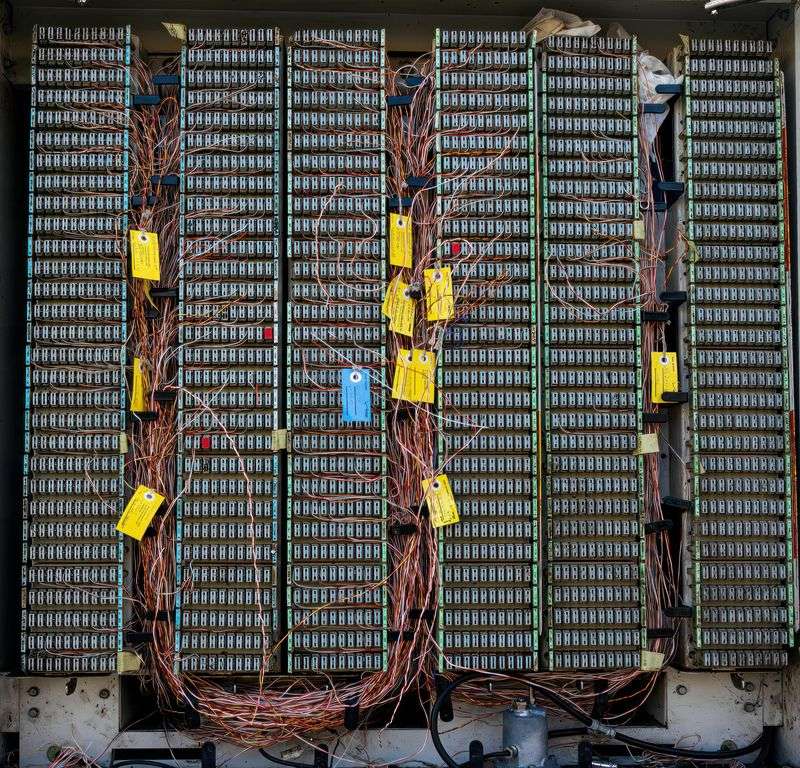
Connecting phone calls by plugging cables into a switchboard sounds like something from a black-and-white movie, and that’s essentially what this job has become.
Automated phone systems and digital networks now route millions of calls without any human assistance whatsoever.
Modern businesses use sophisticated voice recognition and menu systems that direct callers to the right department instantly.
Even receptionists have largely been replaced by these automated attendants, which work 24/7 without vacation days or sick leave.
This career has virtually disappeared, with only a tiny handful of positions remaining in specialized settings.
It serves as a powerful reminder of how completely technology can eliminate entire professions that once employed thousands of people.
7. Sewing Machine Operators
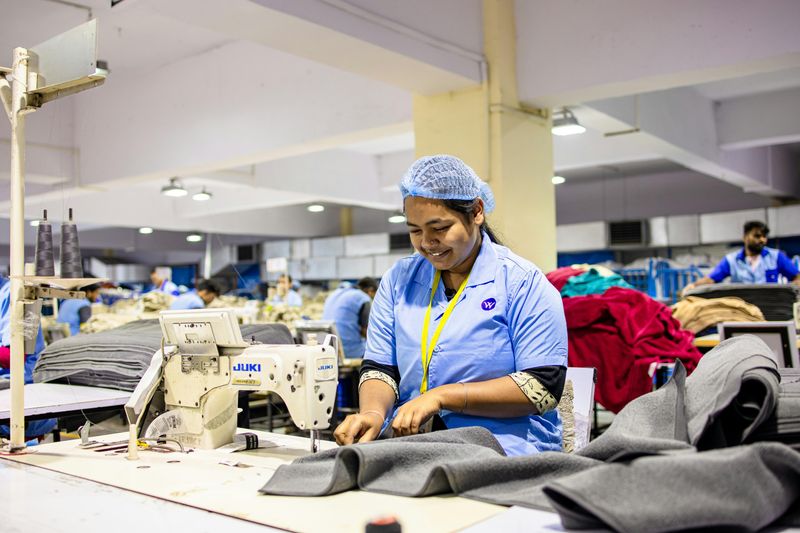
Garment factories in America once buzzed with the sound of hundreds of sewing machines operated by skilled workers.
Global manufacturing shifts sent most of these jobs overseas decades ago, and now automation is replacing even those offshore positions.
Robotic sewing systems can produce clothing faster and more consistently than human operators.
While some specialized sewing work remains, particularly for custom or luxury items, mass production has moved almost entirely to automated facilities.
Domestic sewing machine operator jobs have declined dramatically and show no signs of recovery.
People with these skills might find opportunities in alterations, custom design, or other specialized niches where human craftsmanship still matters.
8. Photo Processors

Dropping off film at the photo lab and waiting days for prints used to be the only way to see your vacation pictures.
Digital cameras and smartphones obliterated this entire industry practically overnight, making photo processing labs as outdated as typewriters.
Everyone now carries a high-quality camera in their pocket, instantly viewing, editing, and sharing photos without ever printing them.
Professional photographers edit their own work on computers, eliminating the need for darkroom technicians and processing specialists.
Photo processing as a career has essentially vanished, with only rare specialty positions remaining.
Former photo processors who adapted to digital photography and editing software have found new opportunities, but traditional darkroom skills have become historical curiosities.
9. Skilled Trade Specialists (The “Un-Automatables”)

You simply cannot download a plumber.
While the digital world is being swallowed by algorithms, the physical world still breaks, leaks, and requires power.
Electricians, HVAC technicians, and specialized builders are seeing record-high wages in 2026 because their work requires complex, non-linear problem-solving in unpredictable environments.
Every house is different, and every pipe burst is unique—tasks that a robot still cannot navigate.
These “blue-collar” roles have officially become the new “gold-collar” jobs.
If you have the skills to fix what AI cannot touch, you are essentially recession-proof and automation-proof.
10. Elderly Care & Longevity Coaches

The world is aging at an unprecedented rate, and we are facing a massive shortage of professionals who can provide the one thing AI will never truly possess: genuine human empathy.
In 2026, Elderly Care Specialists and Longevity Coaches aren’t just medical workers; they are emotional anchors.
While a robot can deliver a pill, it cannot provide the warmth of companionship or the nuanced understanding of a patient’s life story.
This has become the most secure “human-centric” job of the decade.
As society prioritizes living longer and better, those who can manage both the physical and emotional health of our aging population are finding themselves in higher demand than software engineers.
11. AI Ethics & Integration Consultants
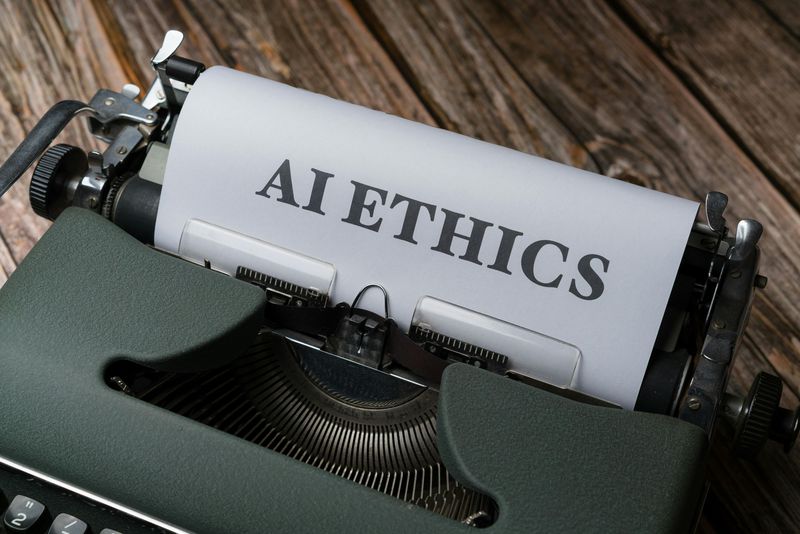
We have reached a point where companies no longer need people to do the work; they need people to manage the machines that perform the tasks.
However, letting an AI run a business blindly is a recipe for legal and moral disaster.
AI Ethics and Integration Consultants are the new corporate titans.
They are responsible for ensuring that automated systems remain unbiased, comply with evolving privacy laws, and maintain a “human touch” in branding.
These experts bridge the gap between cold code and human values.
Because they hold the keys to a company’s reputation and legal safety, they are currently naming their own salaries and sitting in the most powerful boardrooms in the world.
Comments
Loading…