
 Mila Ross
Have you ever tried to change your mind about something important, only to feel stuck or scared?
Our beliefs shape who we are and how we see the world, so shifting them can feel uncomfortable or even frightening.
Many people face invisible barriers that make it hard to embrace new perspectives, even when those new ideas might help them grow.
Understanding these hidden fears is the first step toward breaking free and opening your mind to fresh possibilities.
1. Fear of Cognitive Dissonance

Your brain loves harmony and consistency.
When fresh information clashes with what you already believe, it creates an uncomfortable mental tug-of-war that psychologists call cognitive dissonance.
This feeling is so unpleasant that your mind will work overtime to avoid it.
Instead of accepting new facts, you might find yourself making excuses or ignoring evidence that contradicts your current views.
Your brain essentially acts like a lawyer defending your existing beliefs rather than a scientist seeking truth.
Recognizing this discomfort as natural rather than dangerous helps you push through it.
Growth happens outside your comfort zone, and that includes mental growth too.
2. Fear of Identity Loss

Think about your favorite sports team, your political views, or your religion.
These beliefs aren’t just ideas floating in your head—they’re woven into the fabric of who you are.
Changing them can feel like erasing part of yourself.
When someone challenges your core beliefs, it might seem like they’re attacking you personally.
This happens because we tie our sense of self to our convictions.
Letting go of old beliefs requires courage to redefine yourself.
The truth is, evolving your beliefs doesn’t destroy who you are.
Instead, it allows you to become a fuller, more authentic version of yourself as you learn and grow.
3. Fear of Social Repercussions

Humans are social creatures who crave belonging.
Your family, friends, and community often share similar beliefs, creating bonds that feel safe and supportive.
Stepping away from these shared convictions risks rejection or conflict.
Imagine telling your tight-knit group that you’ve changed your mind about something they all believe strongly.
The potential awkwardness, arguments, or even losing friendships can feel terrifying.
Nobody wants to become the outsider.
However, authentic relationships can withstand different viewpoints.
True friends respect your journey, even when your paths diverge.
Sometimes finding your own truth means finding new communities that support your growth.
4. Fear of Uncertainty
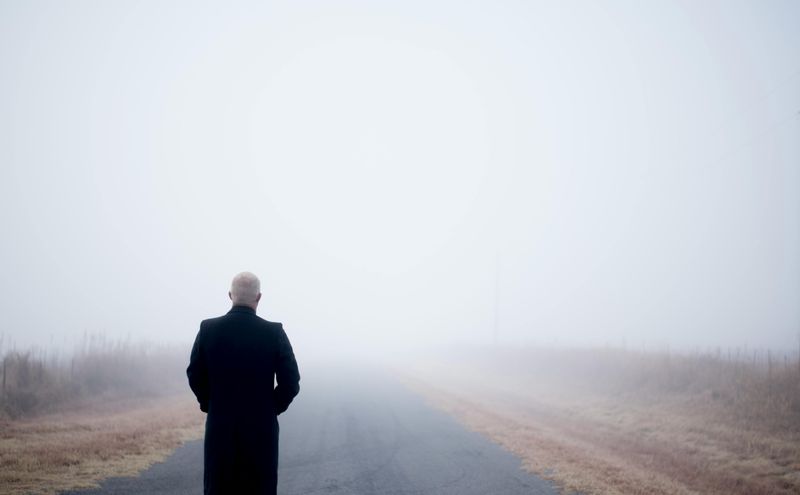
Old beliefs act like a comfortable roadmap, showing you exactly where you stand and what to expect.
New perspectives?
They’re like stepping into fog without knowing what’s ahead.
That unknown territory triggers anxiety in most people.
Your current beliefs, even if they’re limiting, provide predictability and security.
Trading that certainty for unfamiliar ideas feels risky.
What if the new belief system doesn’t work out?
What if you make the wrong choice?
Embracing uncertainty is actually a superpower.
It opens doors to possibilities you couldn’t see before.
The discomfort of not knowing everything can lead to exciting discoveries about yourself and the world around you.
5. Fear of Loss of Control

Your beliefs give you a sense of steering your own ship.
They help you make decisions, predict outcomes, and feel in charge of your life.
Adopting different beliefs can feel like someone else is grabbing the wheel.
This fear whispers that changing your mind means you’re weak or easily influenced.
It suggests you’re losing your independence and autonomy.
Nobody wants to feel like a puppet dancing to someone else’s tune.
Real control comes from flexibility, not rigidity.
Being open to changing your beliefs based on new evidence shows strength and wisdom.
You’re still in the driver’s seat—you’re just choosing a better route based on updated information.
6. Fear of Failure
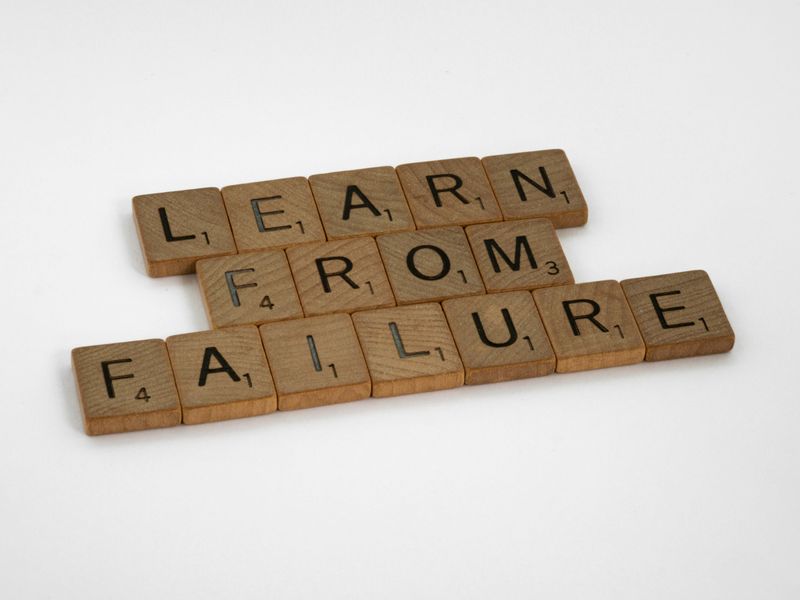
What if you change your beliefs and everything goes wrong?
This nagging worry keeps countless people trapped in outdated thinking patterns.
The fear of messing up feels bigger than the potential rewards of growth.
You might worry about making mistakes, looking foolish, or discovering you were wrong all along.
These concerns create a mental barrier that blocks you from even considering alternative viewpoints.
Staying put feels safer than risking embarrassment.
Here’s a secret: failure is feedback, not a final verdict.
Every successful person has changed their beliefs multiple times based on experience.
Adapting your thinking isn’t failure—it’s exactly how smart people succeed in an ever-changing world.
7. Fear of Emotional Discomfort

Changing beliefs isn’t just a mental exercise—it stirs up powerful emotions.
You might feel sadness, guilt, anger, or confusion as you question what you’ve always held true.
These feelings can be overwhelming and exhausting.
Confronting uncomfortable truths about yourself or the world requires emotional bravery.
Many people avoid this process entirely because dealing with these feelings seems too painful.
Why poke the bear when you could just leave it sleeping?
Emotional discomfort, though challenging, signals you’re doing important inner work.
These feelings pass, but the growth you gain lasts forever.
Being willing to sit with temporary discomfort leads to lasting peace and authenticity.
Comments
Loading…