
 Mary Murphy
18 Moments and Trends From the ’80s We Still Miss
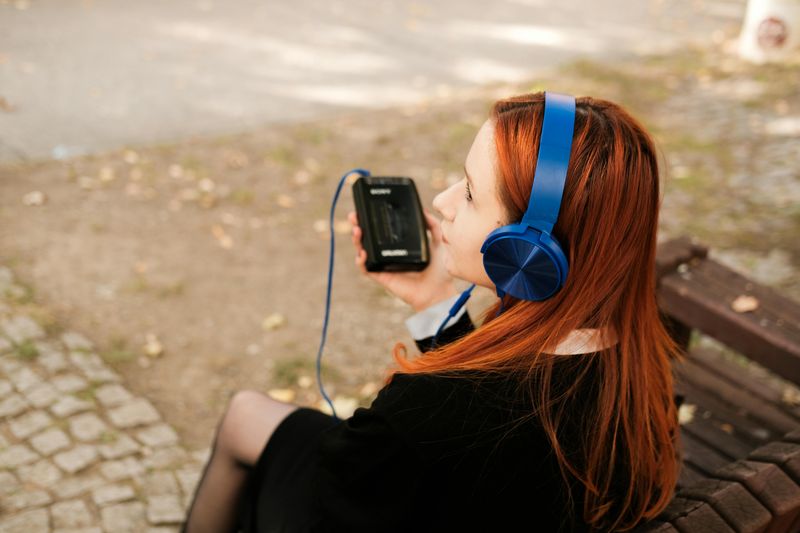
The 1980s gave us some of the most memorable moments in pop culture history.
From the music we jammed to on our Walkmans to the movies that shaped a generation, this decade left an unforgettable mark.
Many of these trends and experiences have disappeared over time, but they still hold a special place in our hearts.
Let’s take a trip down memory lane and revisit the things that made the ’80s so amazing.
1. Arcade Games Brought Friends Together
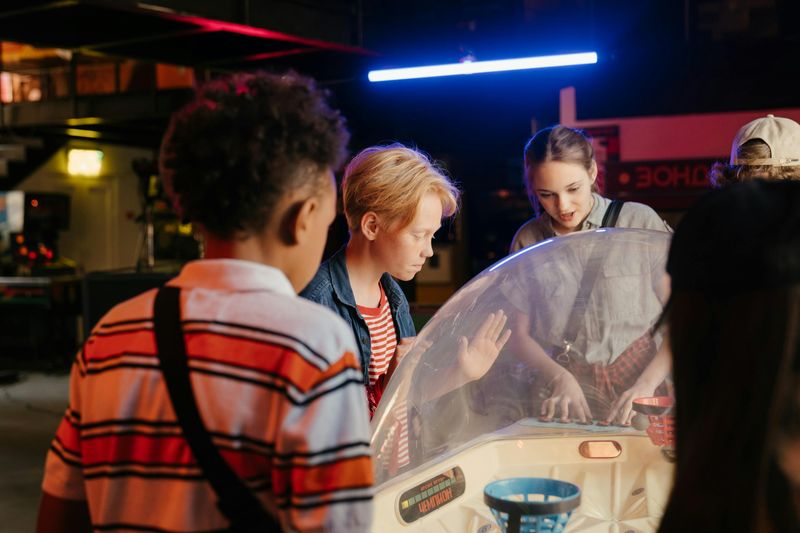
Walking into an arcade meant entering a world of flashing lights, electronic beeps, and friendly competition.
Kids would gather around machines, taking turns and cheering each other on.
The smell of popcorn mixed with the sounds of quarters dropping into slots.
Every game had a high score list, and seeing your initials at the top felt like winning an Olympic medal.
You’d practice the same level over and over, memorizing patterns and perfecting your moves.
Games like Pac-Man, Donkey Kong, and Galaga became part of everyday conversation.
Arcades were the original social networks where friendships formed and rivalries began in the most fun way possible.
2. MTV Actually Played Music Videos
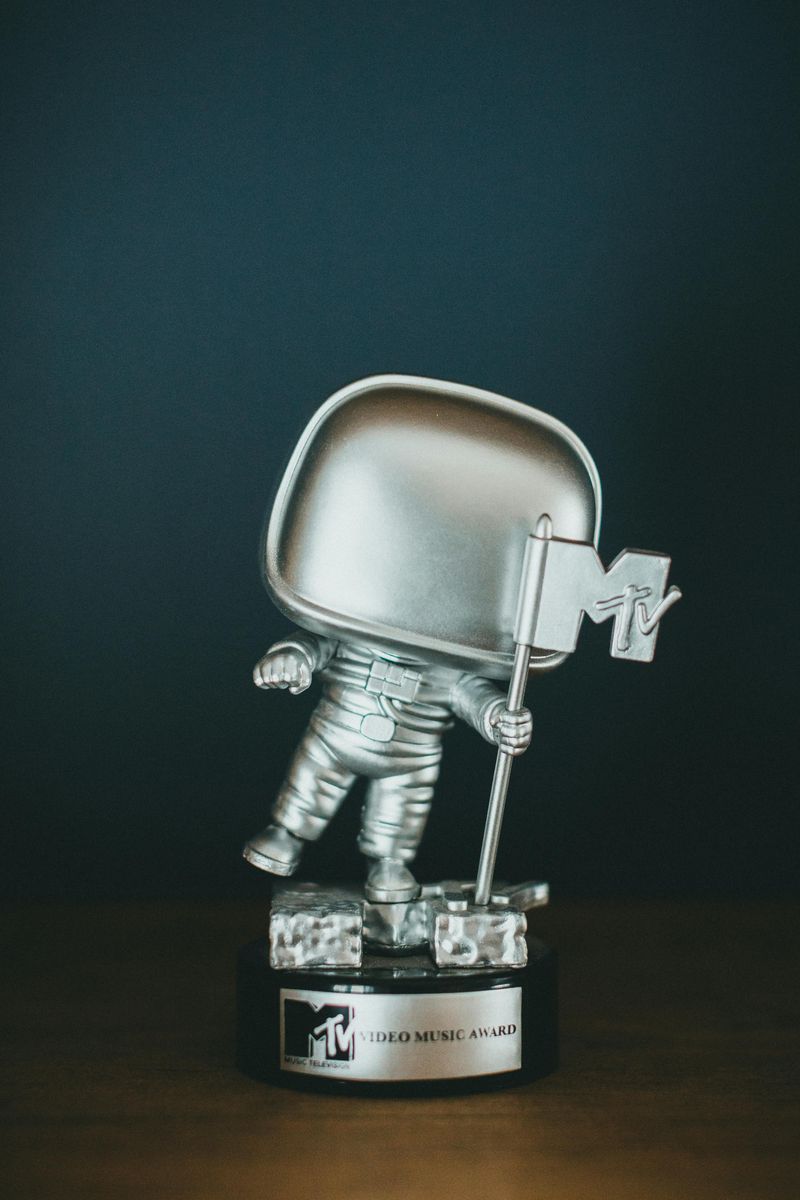
Remember when MTV was all about music?
The channel launched in 1981 and changed how we experienced our favorite songs.
Instead of just listening, we could watch artists perform in creative, sometimes bizarre videos.
Michael Jackson’s Thriller became a cultural event, while Madonna pushed boundaries with every release.
Bands like Duran Duran and A-ha created mini-movies that told stories.
You’d rush home from school to catch your favorite video premiere.
VJs like Martha Quinn and Kurt Loder became celebrities themselves, introducing songs and interviewing musicians.
Music videos turned songs into visual experiences that made everything more exciting and memorable for fans everywhere.
3. Saturday Morning Cartoons Were a Ritual
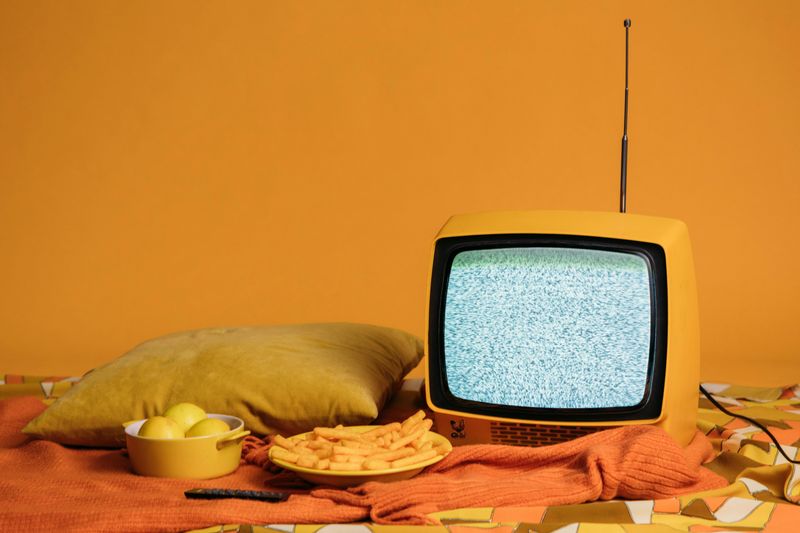
Saturday mornings had a special magic that modern streaming just can’t match.
You’d wake up early, pour a giant bowl of sugary cereal, and plant yourself in front of the TV.
Missing an episode meant waiting a whole week to see what happened next.
Shows like He-Man, Transformers, and Teenage Mutant Ninja Turtles ruled the airwaves.
The commercials were just as entertaining, showing off the coolest new toys.
Everyone at school on Monday would talk about what they watched.
That three-hour block of cartoons felt like an event, not just background noise while scrolling through phones.
4. Neon Everything Made Bold Fashion Statements
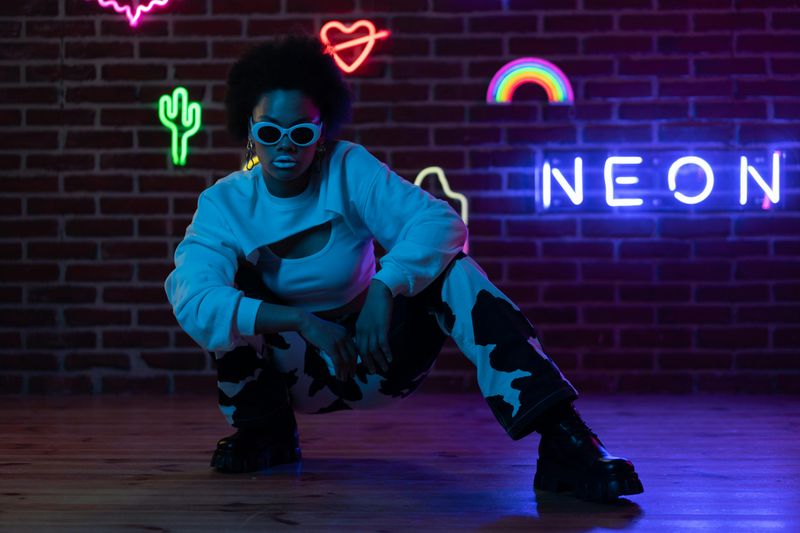
Bright, eye-catching colors dominated every outfit during the ’80s.
Neon pink, electric blue, and lime green weren’t just acceptable—they were fashionable.
People wore multiple neon colors together without worrying about clashing.
Windbreakers, sweatshirts, and even shoes came in these vibrant shades.
The brighter your outfit, the cooler you looked at school or the skating rink.
Fashion wasn’t about blending in; it was about standing out and expressing yourself boldly.
Today’s fashion feels safe and boring compared to the fearless color combinations we rocked back then.
Nobody judges you for playing it safe with black and gray now.
5. Boomboxes Pumped Up the Volume
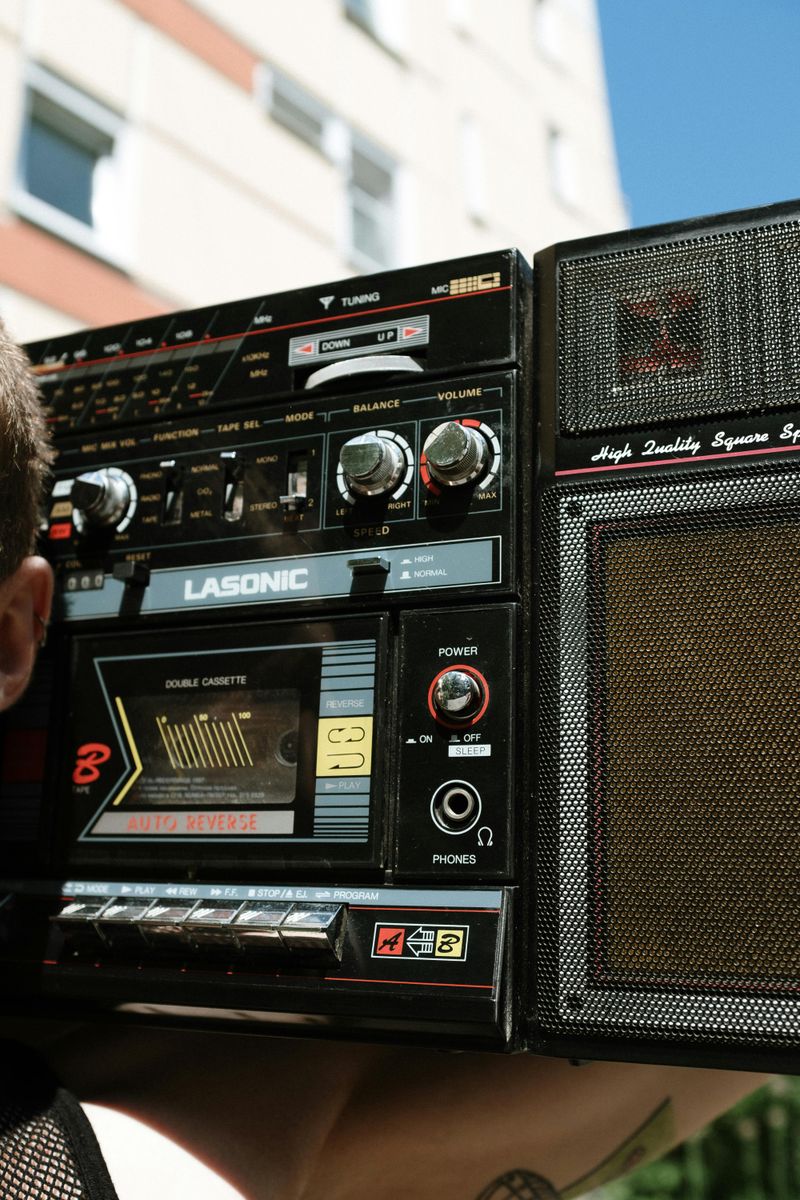
Portable music reached new heights when boomboxes became the coolest accessory around.
These massive speakers could be carried on your shoulder, blasting music wherever you went.
The bigger the boombox, the more respect you earned from your friends.
Parks, beaches, and street corners became instant parties.
You could record songs from the radio or play your favorite cassettes.
The bass would shake everything around you, and people could hear your music from blocks away.
Unlike today’s tiny earbuds, boomboxes made music a shared experience that brought people together in public spaces naturally and joyfully.
6. Making Mixtapes Was an Art Form
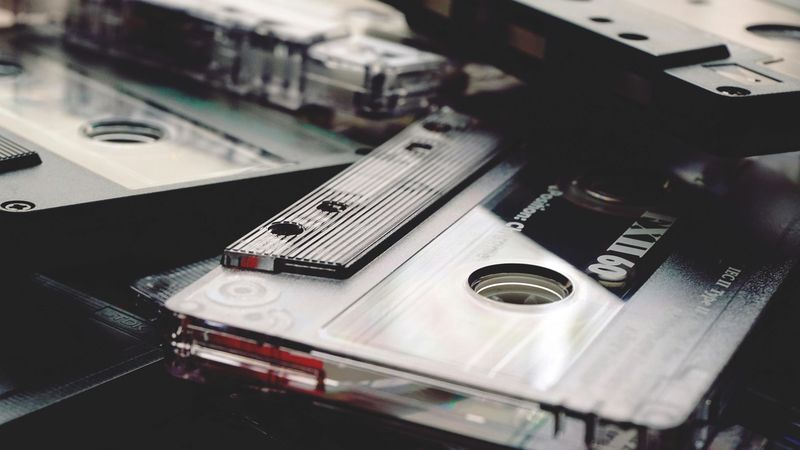
Creating the perfect mixtape took hours of careful planning and genuine effort.
You’d sit by the radio with your finger on the record button, waiting for your favorite song.
Timing was everything—you had to catch the song without the DJ talking over it.
Making a mixtape for someone special meant something real.
Each song was chosen to express feelings or create a specific mood.
You’d draw on the label with markers and write out the track list by hand.
Digital playlists are convenient, but they’ll never require the dedication and personal touch that went into crafting a mixtape for someone you cared about deeply.
7. Hanging Out at the Mall Was the Thing to Do
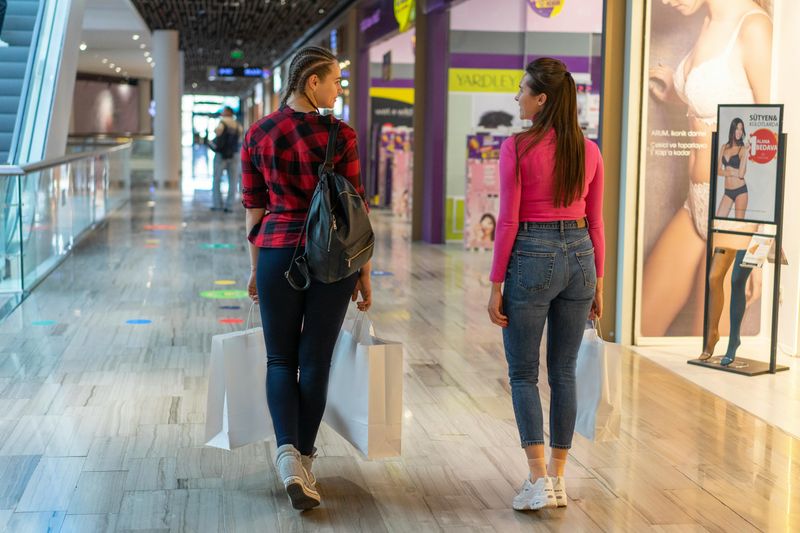
Malls weren’t just shopping centers—they were social headquarters for teenagers.
You’d spend entire afternoons wandering from store to store with friends, not necessarily buying anything.
The food court served as a meeting spot where everyone eventually showed up.
Sam Goody’s music store let you listen to albums before buying.
The arcade buzzed with activity.
Fashion stores like Chess King and Merry-Go-Round displayed the latest trends.
You might run into your crush by the fountain or outside Orange Julius.
Going to the mall meant adventure and possibility, not just clicking buttons online from your bedroom couch in pajamas.
8. Blockbuster Nights Were Family Events
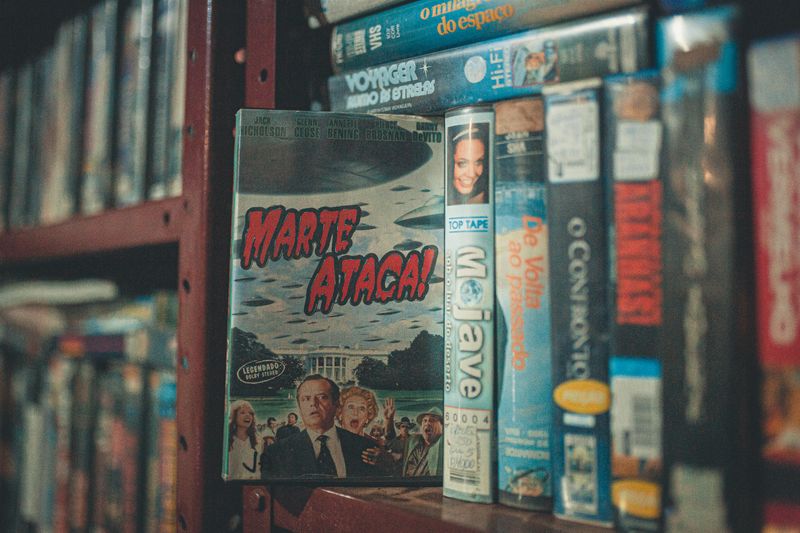
Friday nights meant piling into the car and heading to Blockbuster to rent movies.
Walking through those doors into walls of VHS cases felt exciting every single time.
You’d debate with family and friends about what to watch, sometimes for twenty minutes.
Checking if the new release was available created real suspense.
The movie you wanted might be rented out, so you’d need a backup plan.
Late fees taught responsibility, and rewinding tapes before returning them was just good manners.
Choosing a movie together made watching it feel more special than scrolling endlessly through streaming services today, feeling overwhelmed and indecisive about options.
9. The Original Nintendo Changed Gaming Forever
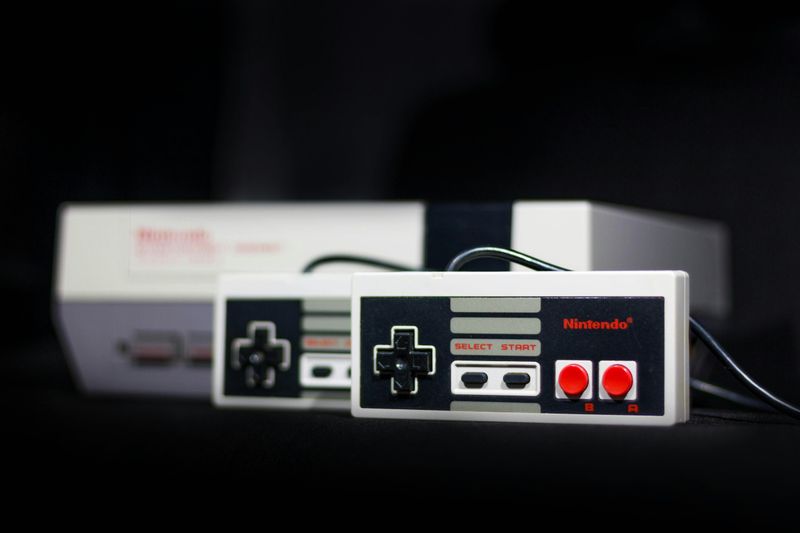
Christmas 1985 brought the Nintendo Entertainment System to America, and home gaming was never the same.
Blowing into cartridges to make them work became a universal ritual.
Super Mario Bros., The Legend of Zelda, and Duck Hunt consumed countless hours.
Having the newest game meant kids would want to come over to your house.
You’d gather around the TV, taking turns and sharing tips on beating tough levels.
The simple graphics sparked imagination in ways modern realistic games somehow don’t.
Nintendo made video games cool again after the industry nearly crashed.
Those 8-bit adventures created memories that outlasted any high-definition graphics today could ever produce.
10. Hair Metal Bands Rocked Stadium Shows
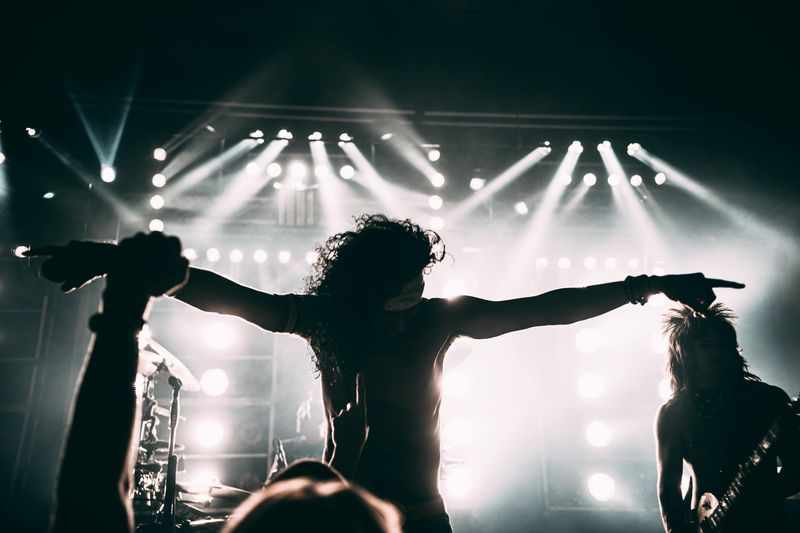
Bands with huge hair, leather pants, and electric guitar solos dominated rock music.
Mötley Crüe, Bon Jovi, and Poison filled stadiums with fans who sang every word.
Power ballads made everyone hold up lighters, creating seas of flickering flames.
The fashion was as important as the music—bigger hair and wilder outfits meant more star power.
MTV played their videos constantly, making these rockers into superstars.
Concert tickets were affordable enough that regular kids could actually attend shows.
Hair metal represented pure entertainment without taking itself too seriously.
The music was fun, energetic, and designed to make you feel alive and ready to party hard.
11. Teen Movies Captured Real High School Feelings
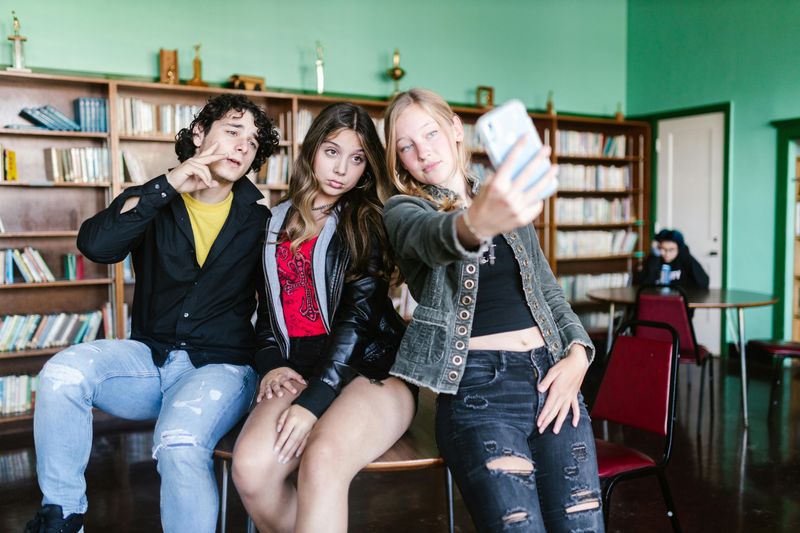
John Hughes created films that perfectly understood what being a teenager felt like.
The Breakfast Club showed that kids from different social groups weren’t that different after all.
Ferris Bueller’s Day Off made everyone want to skip school and have an adventure.
These movies tackled real issues like peer pressure, family problems, and feeling misunderstood.
The characters faced actual consequences and learned genuine lessons.
Quotes from these films became part of everyday conversation at school.
Modern teen movies often feel fake or overly polished.
The ’80s films had heart and honesty that connected with audiences in ways that still resonate decades later for viewers.
12. Rubik’s Cube Challenged Every Mind
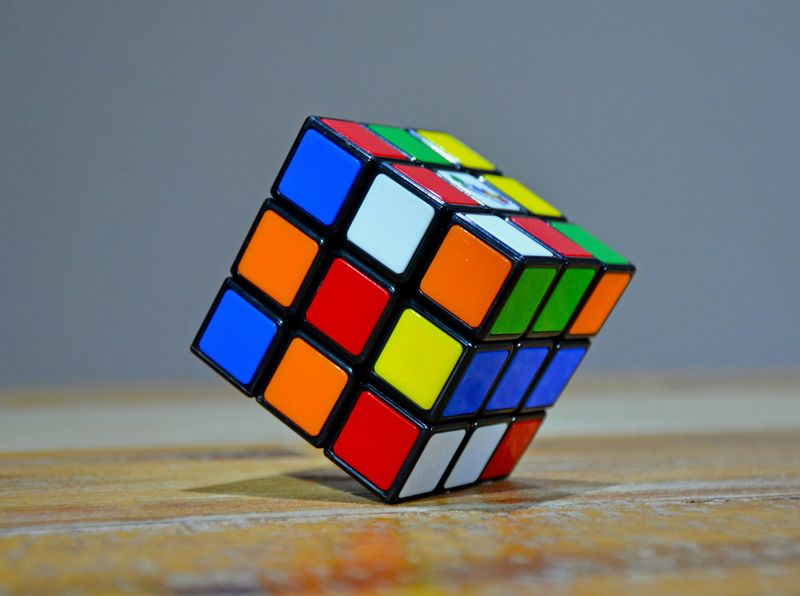
This colorful puzzle became an obsession worldwide after launching in 1980.
Solving all six sides seemed impossible at first, but kids everywhere dedicated themselves to mastering it.
Some people could complete it in under a minute, becoming legends at school.
Books and guides sold millions of copies teaching solution methods.
The satisfying click of the cube turning kept fingers busy during boring moments.
Competitions emerged where speed-solvers competed for records and prizes.
Unlike phone games that get deleted after a week, the Rubik’s Cube provided a physical challenge that improved problem-solving skills.
Finishing it brought real accomplishment you could show off to friends immediately.
13. Leg Warmers and Aerobics Videos Everywhere
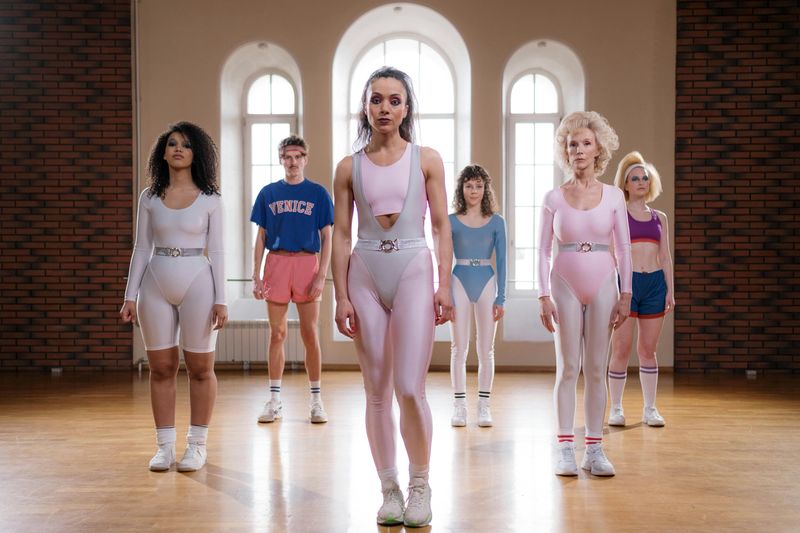
Jane Fonda made workout videos wildly popular, and suddenly everyone owned leg warmers.
Bright leotards, sweatbands, and high-energy routines turned exercise into entertainment.
Living rooms became gyms as families followed along with VHS tapes.
The fashion crossed over from gym to street, with people wearing workout clothes everywhere.
Leg warmers showed up with jeans and skirts, not just during exercise.
Richard Simmons became a household name, encouraging people to move and have fun.
Fitness felt joyful and accessible rather than intimidating.
The colorful outfits and upbeat music made working out seem like a party instead of punishment or boring routine.
14. Drive-In Movie Theaters Under the Stars
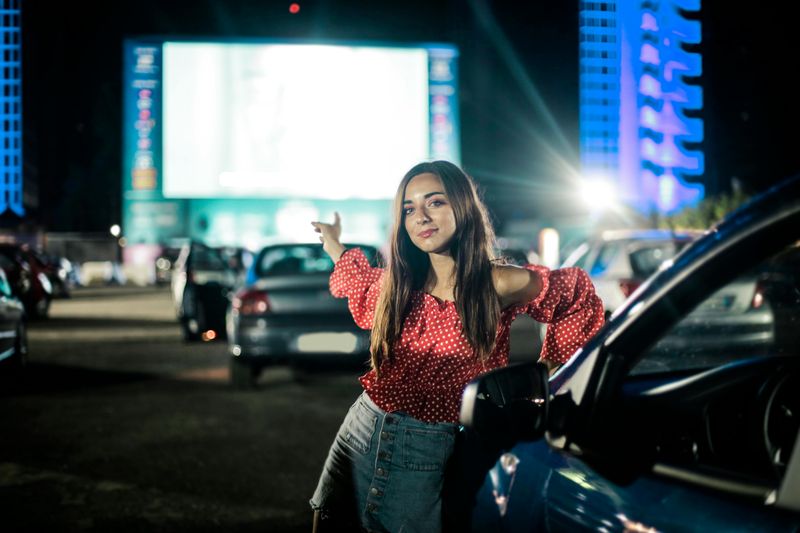
Watching movies from your car created a magical experience that felt special every time.
You’d park facing the huge screen, hang a speaker on your window, and settle in with snacks.
The stars above added to the atmosphere that indoor theaters couldn’t match.
Families could bring young kids without worrying about disturbing other people.
Teenagers used drive-ins as date spots, enjoying privacy and entertainment together.
The intermission featured classic ads for concession stands with dancing hot dogs and popcorn.
As multiplexes took over, drive-ins mostly disappeared.
The convenience of stadium seating replaced the unique charm of watching films outdoors from the comfort of your own vehicle.
15. Sony Walkmans Made Music Personal
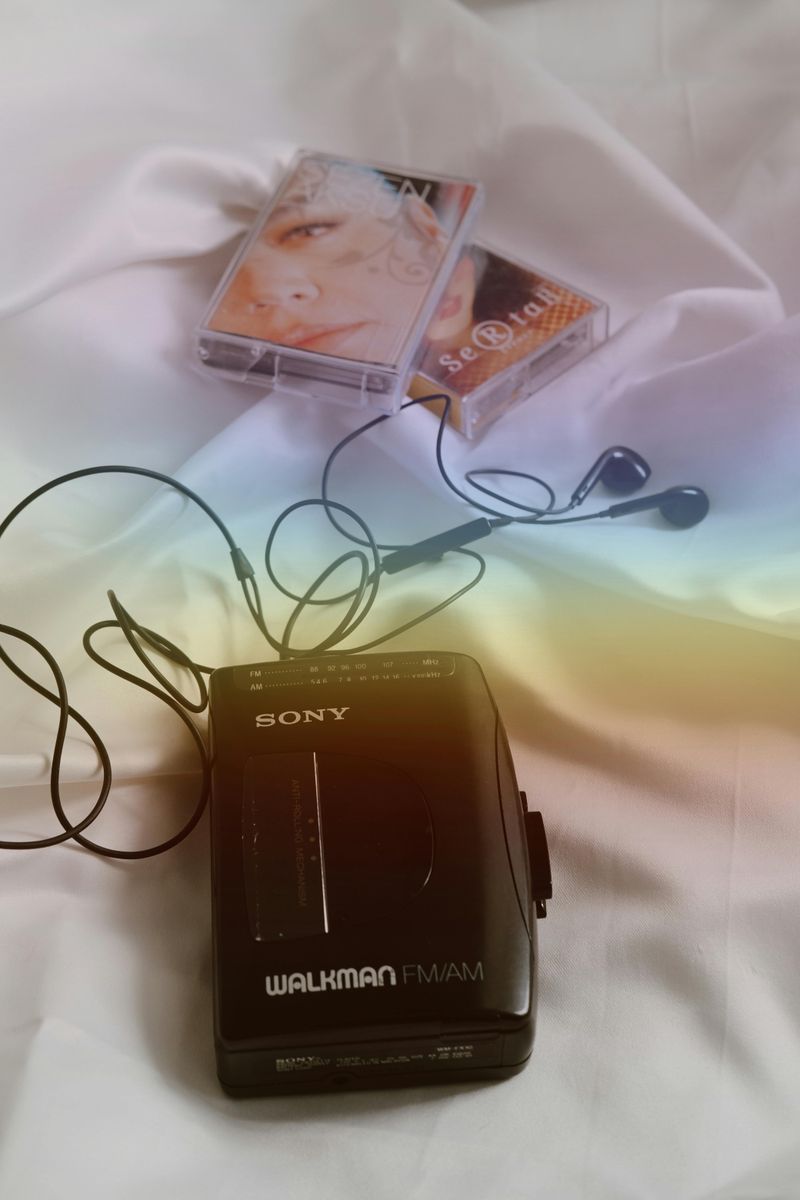
Before iPods and smartphones, the Walkman revolutionized how we listened to music.
Clipping it to your belt or pocket meant carrying your soundtrack everywhere.
The orange foam headphones became instantly recognizable symbols of cool.
You could tune out the world and live inside your own musical bubble.
Changing tapes meant choosing the mood for your journey.
The auto-reverse feature was mind-blowing technology that saved you from manually flipping the cassette.
Battery life meant carrying extras, and the cassette could get tangled in the mechanism.
Despite these hassles, having portable music felt futuristic and made every walk or bus ride more enjoyable and personal.
16. Pac-Man Fever Infected Everyone
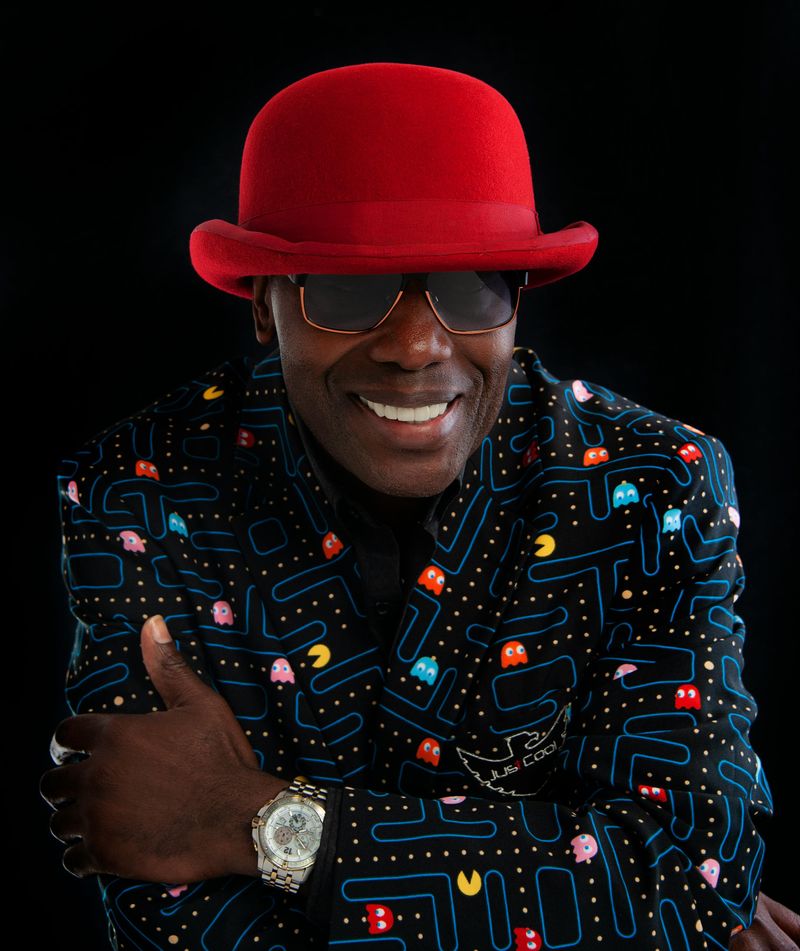
This simple yellow circle eating dots became one of the most recognized characters in history.
Pac-Man launched in 1980 and immediately captured hearts worldwide.
The game was easy to understand but hard to master, keeping players coming back constantly.
A song called Pac-Man Fever actually charted on the Billboard Top 10.
The character appeared on lunchboxes, t-shirts, cartoons, and cereal boxes.
Everyone knew the ghost names: Blinky, Pinky, Inky, and Clyde.
The game taught pattern recognition and quick decision-making.
Unlike violent games, Pac-Man was fun for all ages.
That iconic “wakka wakka” sound still triggers happy memories for millions of people worldwide.
17. New Wave Music Brought Synthesizer Sounds
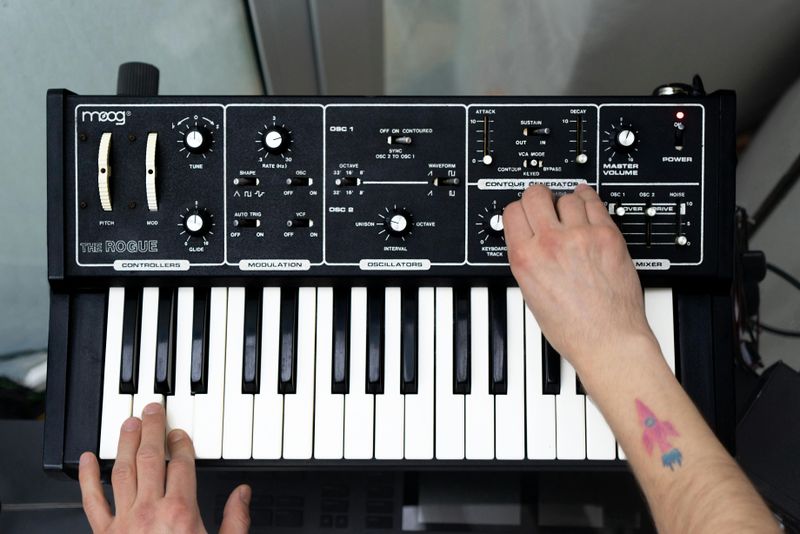
Bands like Depeche Mode, Duran Duran, and The Cure created a completely fresh sound.
Synthesizers and drum machines replaced traditional instruments, making music feel futuristic.
The fashion was just as important—geometric haircuts, eyeliner on guys, and avant-garde clothing defined the movement.
New Wave represented a break from traditional rock and disco.
The music felt emotional yet electronic, combining technology with human feelings.
MTV embraced these bands, and their artistic videos matched the innovative sound perfectly.
This genre influenced everything that came after, from modern pop to electronic dance music.
The ’80s proved that experimenting with new sounds and styles could create something truly original and timeless.
18. Pay Phones Were Connection Lifelines
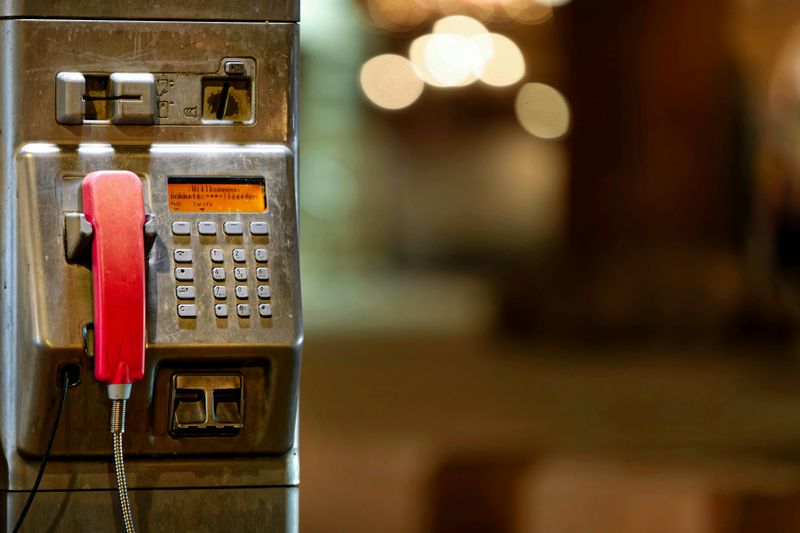
Finding a working pay phone when you needed one felt like striking gold.
Dropping a quarter and hearing the dial tone connected you to anyone in the world.
Phone booths offered semi-private conversations in public spaces where you could talk without everyone listening.
Memorizing important phone numbers was essential survival knowledge.
You’d carry extra quarters just in case of emergencies.
Calling collect or reversing charges meant the other person paid, which parents only allowed sometimes.
Pay phones taught responsibility and planning.
You couldn’t just text when running late—you had to find a phone and actually speak to someone, making communication more intentional and valuable.
Comments
Loading…