
 Mary Murphy
15 Fun Facts Perfect for Wasting a Few Minutes
Ever find yourself with a few spare minutes and nothing to do?
These quirky tidbits are exactly what you need.
From bizarre animal behaviors to mind-blowing space facts, each one will make you say “Wait, really?”
Get ready to fill your brain with random knowledge you never knew you needed.
1. Octopuses Have Three Hearts
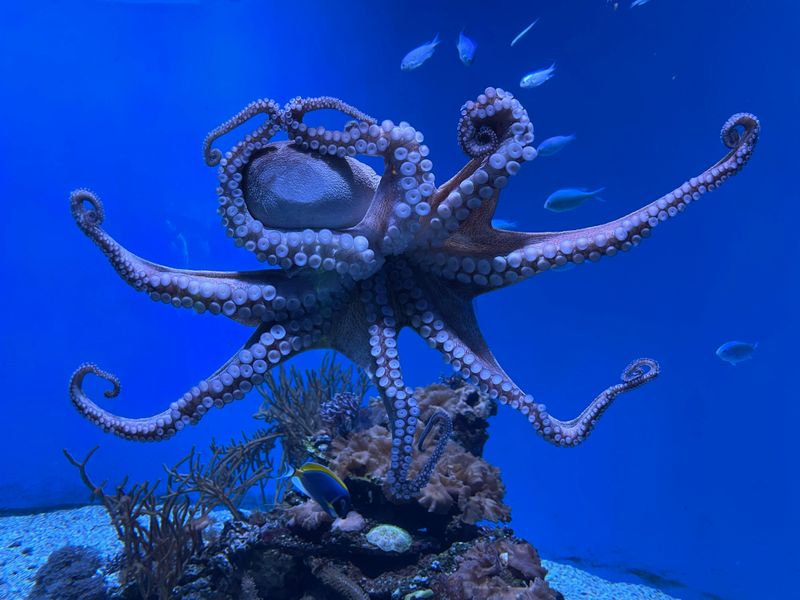
Most animals get by with just one heart, but octopuses decided to go overboard.
Two of their hearts work specifically to pump blood through their gills, while the third sends blood rushing through the rest of their body.
Here’s something even weirder: when an octopus swims, the heart that delivers blood to the body actually stops beating.
That’s why these eight-armed wonders prefer crawling along the ocean floor instead of swimming around.
Talk about energy conservation!
Nature really knows how to create fascinating creatures with unusual solutions to everyday problems.
2. Bananas Are Berries But Strawberries Aren’t
Your whole life has been a lie.
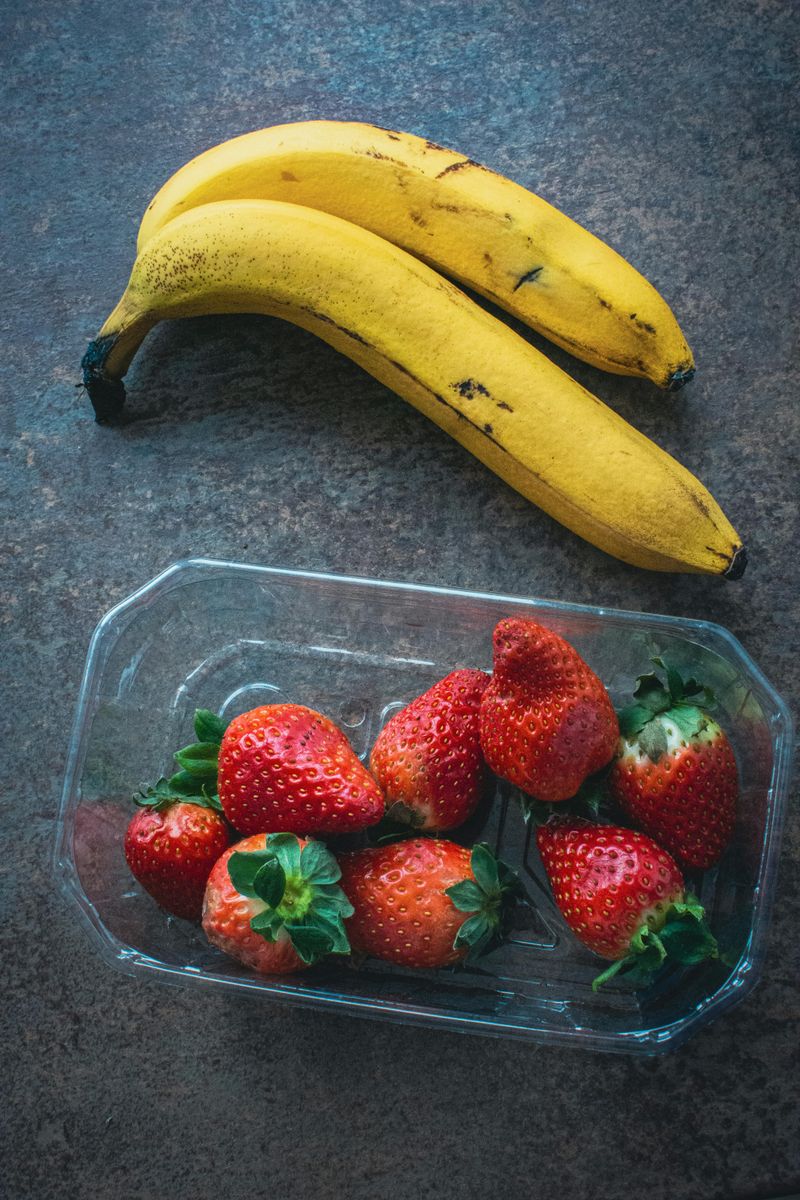
In botanical terms, a berry must come from one flower with one ovary and have seeds on the inside.
Bananas fit this definition perfectly, making them legitimate berries.
Strawberries, however, fail the test.
Their seeds sit on the outside, and they actually develop from a flower with multiple ovaries.
Scientists call them “accessory fruits” instead.
Raspberries and blackberries aren’t berries either!
Meanwhile, grapes, kiwis, and even pumpkins qualify as true berries.
Science just loves messing with our heads.
3. A Day on Venus Lasts Longer Than Its Year
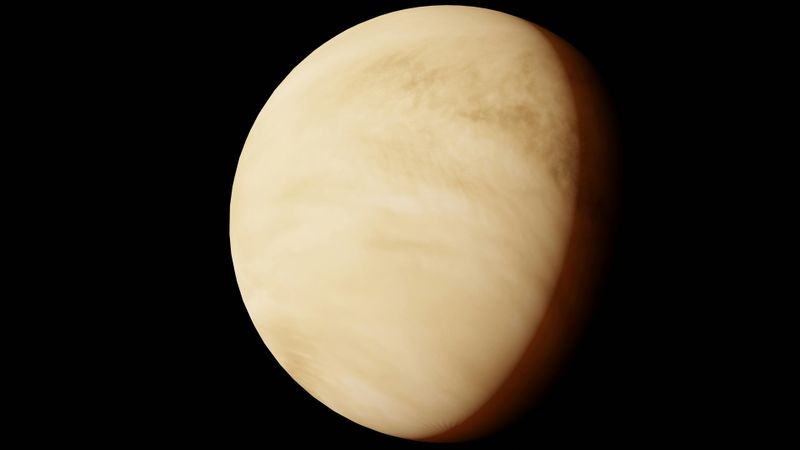
Venus spins incredibly slowly on its axis, taking about 243 Earth days to complete one full rotation.
Meanwhile, it only takes 225 Earth days for Venus to orbit around the Sun.
This creates a bizarre situation where a single day exceeds an entire year.
Imagine celebrating your birthday before the sun sets even once!
The planet also rotates backwards compared to most others in our solar system.
If you stood on Venus, the Sun would rise in the west and set in the east.
Space is wild!
4. Honey Never Spoils
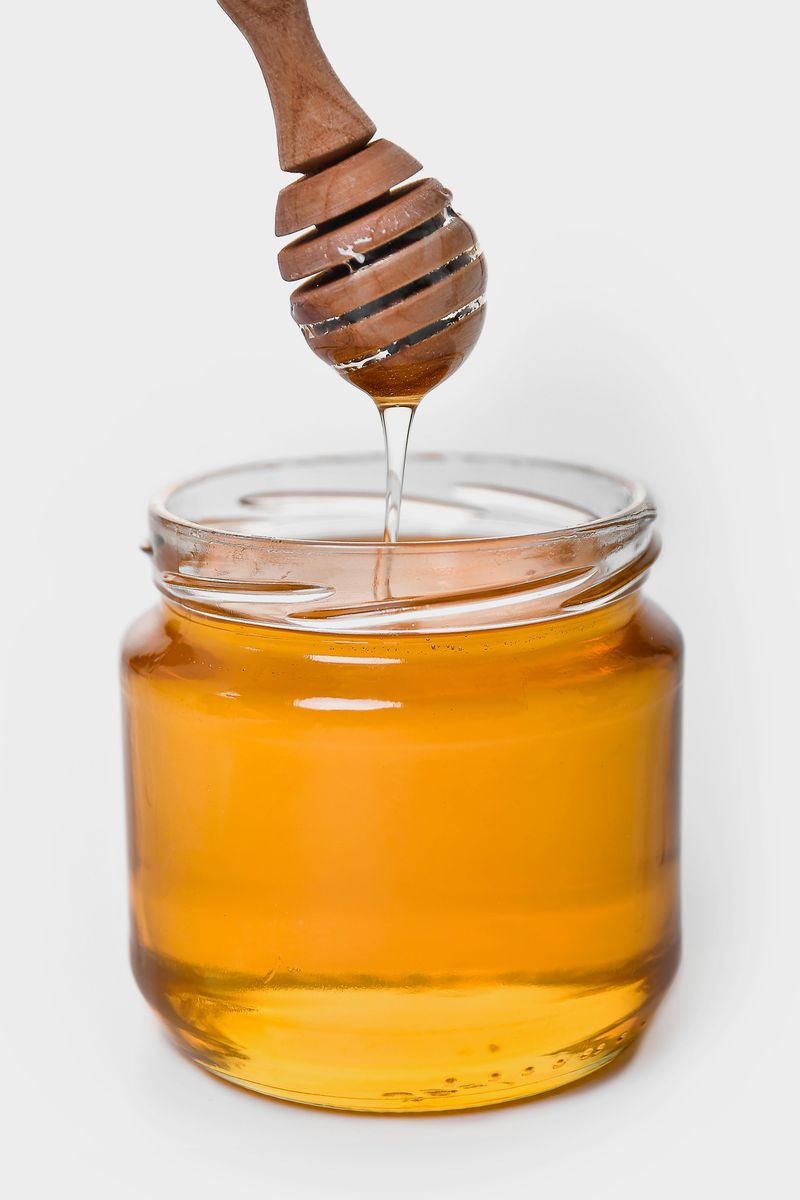
Archaeologists have discovered pots of honey in ancient Egyptian tombs that are over 3,000 years old.
The crazy part?
That honey is still perfectly edible today.
Honey’s magic comes from its unique chemical makeup.
It contains very little water and lots of sugar, creating an environment where bacteria and microorganisms simply can’t survive.
Bees also add an enzyme that produces hydrogen peroxide, giving honey natural antibacterial properties.
Just keep it sealed in a jar and it’ll outlast you, your grandkids, and possibly civilization itself.
5. There Are More Stars Than Grains of Sand
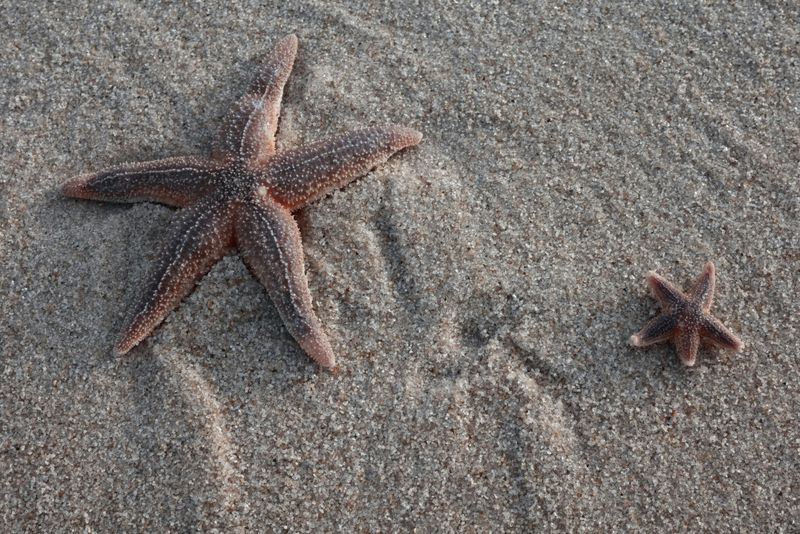
Go ahead, scoop up a handful of sand from any beach.
Count every single grain if you want.
Now multiply that by every beach on Earth.
Sounds like a lot, right?
Scientists estimate there are roughly 7.5 quintillion grains of sand on all the world’s beaches.
That number sounds huge until you compare it to the observable universe.
Astronomers believe there are about 70 sextillion stars out there.
That’s 10 times more stars than sand grains.
Your mind should be exploding right now.
6. Wombat Poop Is Cube-Shaped
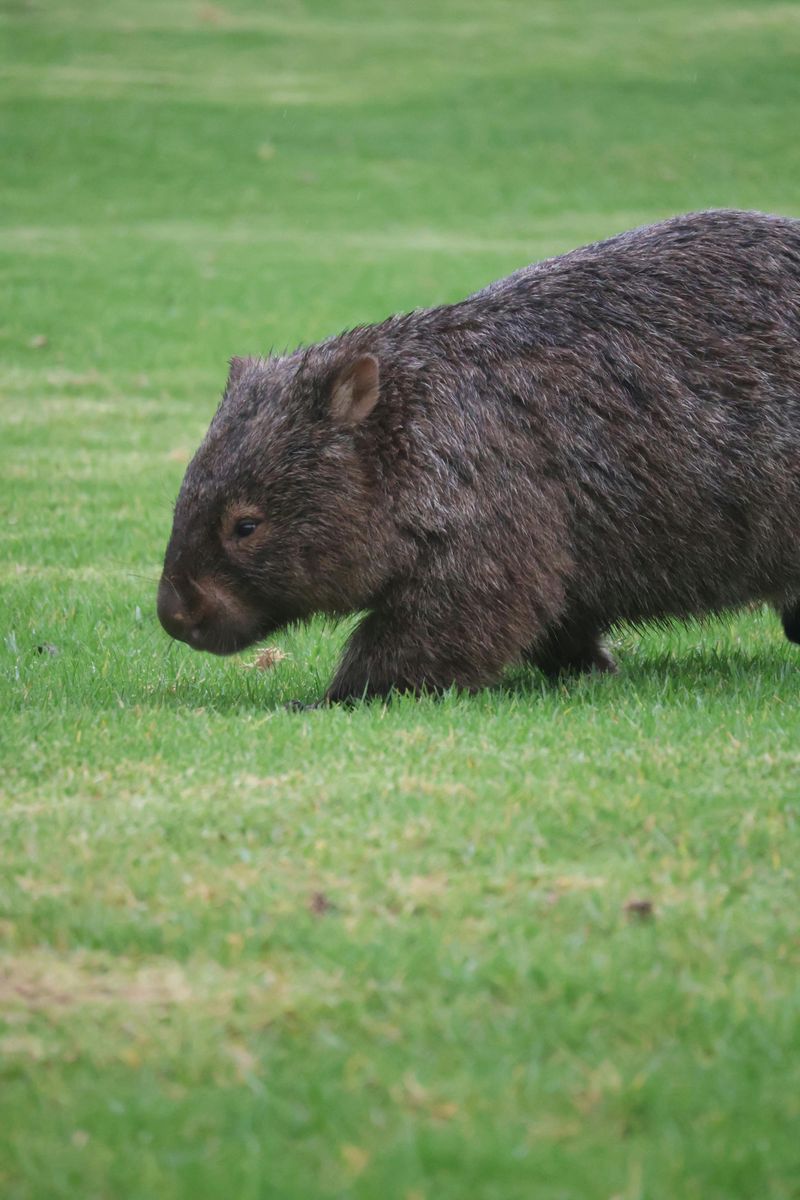
Wombats produce the only naturally cube-shaped poop in the animal kingdom.
These adorable Australian marsupials leave behind little brown blocks that look like they came from a Minecraft world.
They do this for a practical reason.
Wombats stack their droppings on rocks and logs to mark territory, and cubes don’t roll away like round poop would.
Their intestines have elastic sections that mold the waste into distinct corners.
Scientists actually studied this phenomenon for years before figuring it out.
Someone probably got a PhD researching square poop!
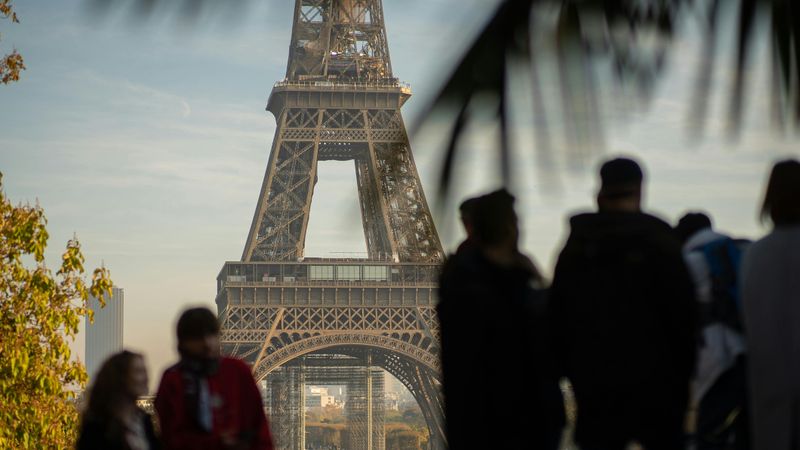
7. The Eiffel Tower Grows Taller in Summer
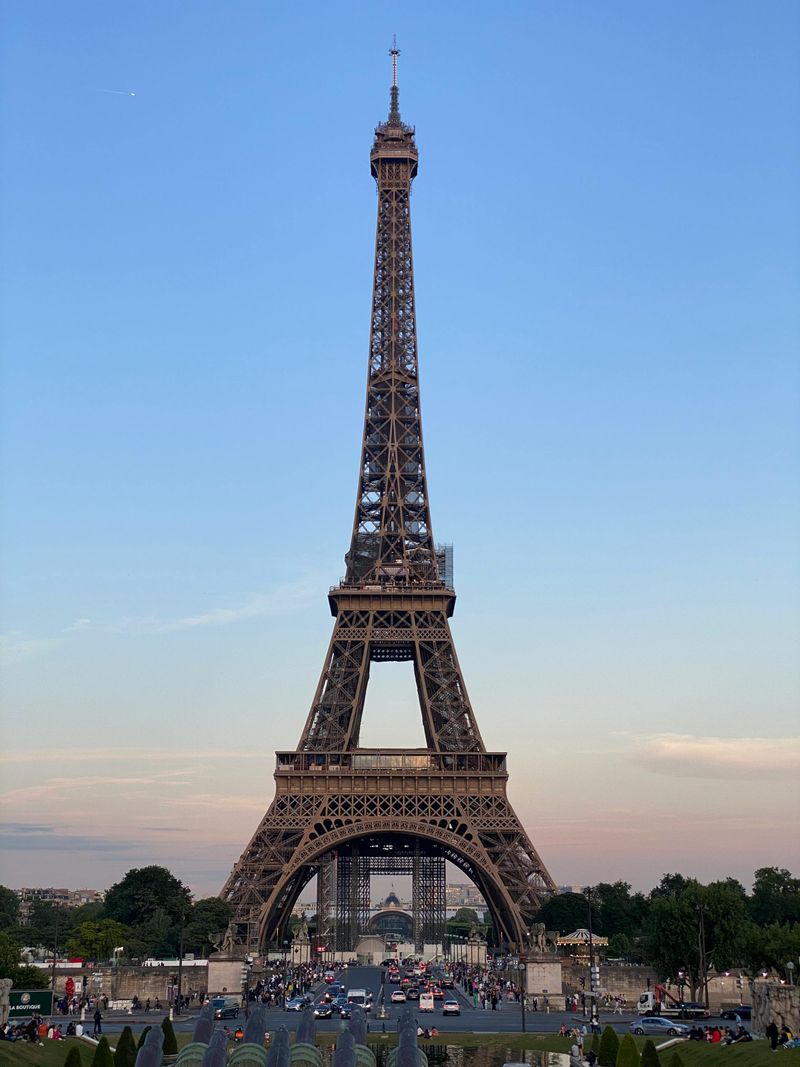
Metal expands when heated and contracts when cooled.
The Eiffel Tower, being made entirely of iron, follows this basic physics rule in a noticeable way.
During hot summer days, the iron structure can expand by up to 6 inches, making the tower temporarily taller.
The side facing the sun heats up more, causing the tower to actually lean away from the heat slightly.
When winter arrives and temperatures drop, everything shrinks back down.
It’s like the tower is doing tiny breathing exercises throughout the year.
8. Sharks Existed Before Trees
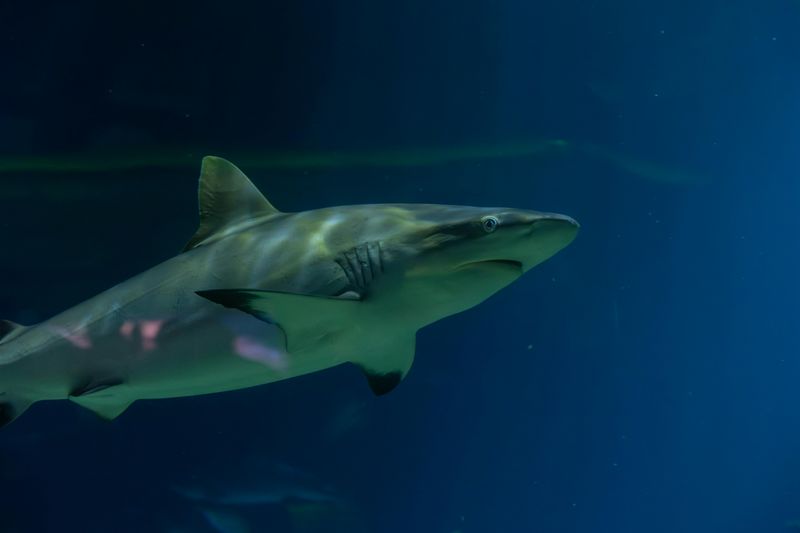
Sharks have been cruising through Earth’s oceans for roughly 400 million years.
Trees, on the other hand, only showed up about 350 million years ago.
This means sharks were already ancient by the time the first forests appeared.
They survived multiple mass extinctions that wiped out countless other species, including the dinosaurs.
Modern sharks still share many features with their prehistoric ancestors.
These ultimate survivors have barely needed to evolve because they perfected their design hundreds of millions of years ago.
9. A Group of Flamingos Is Called a Flamboyance
Someone with a great sense of humor must have named this one.
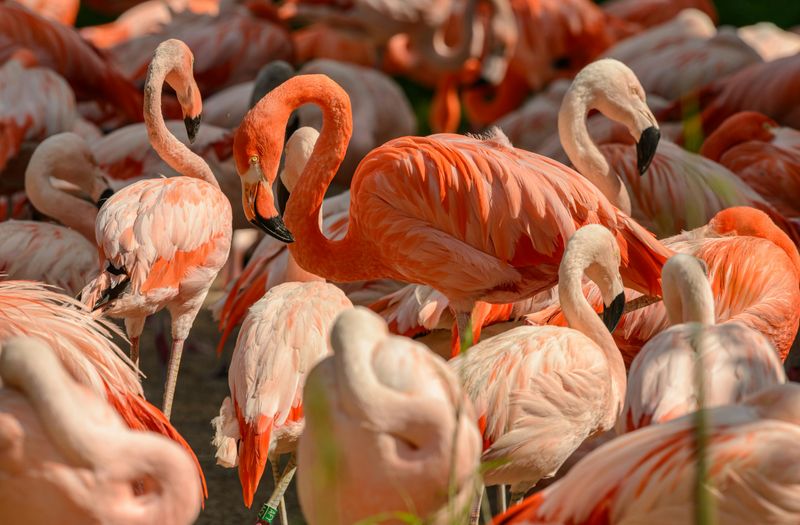
When flamingos gather together, the proper term is a “flamboyance.” Could there be a more perfect description?
Flamingos are naturally showy birds with their bright pink feathers and dramatic poses.
They get their signature color from eating algae and shrimp that contain carotenoid pigments.
Without this special diet, they’d actually be white or gray.
The collective noun fits their personality perfectly.
These birds strut around like they own the place, making every gathering feel like a fabulous party.
10. Your Brain Uses 20% of Your Body’s Energy
Your brain only weighs about three pounds, representing roughly 2% of your total body weight.
Yet this small organ gobbles up about 20% of all the calories and oxygen you consume.
All that energy powers billions of neurons that constantly communicate with each other.
Even when you’re sleeping, your brain stays busy processing memories, controlling vital functions, and dreaming up weird scenarios.
This is why thinking hard can actually make you feel physically tired.
Mental gymnastics burn serious fuel, just like running laps or lifting weights.
11. Cleopatra Lived Closer to the Moon Landing Than the Pyramids
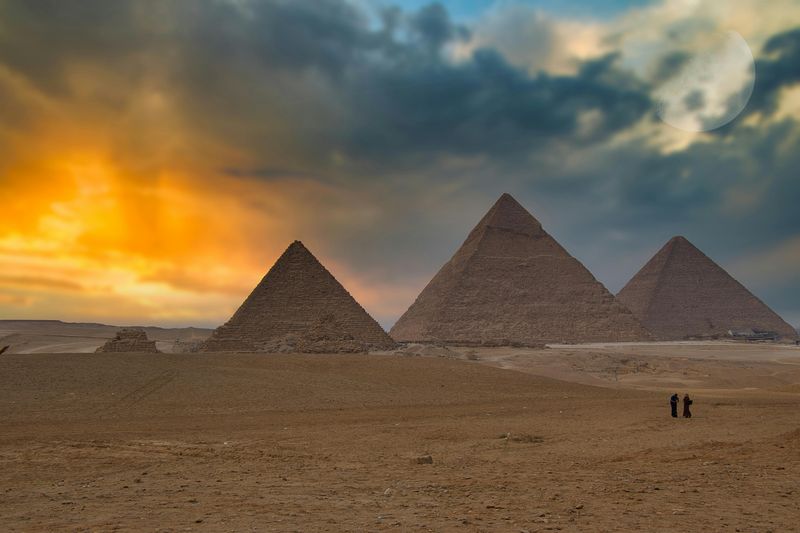
The Great Pyramid of Giza was built around 2560 BCE.
Cleopatra ruled Egypt from 51 BCE to 30 BCE.
That’s a gap of about 2,500 years between the pyramids and Cleopatra.
The Apollo 11 moon landing happened in 1969 CE, roughly 2,000 years after Cleopatra’s death.
She was actually closer in time to astronauts walking on the moon than to the construction of the pyramids.
This fact completely messes with how we think about ancient history.
The Egyptian civilization lasted so long that its own history seems impossibly distant.
12. Butterflies Taste With Their Feet
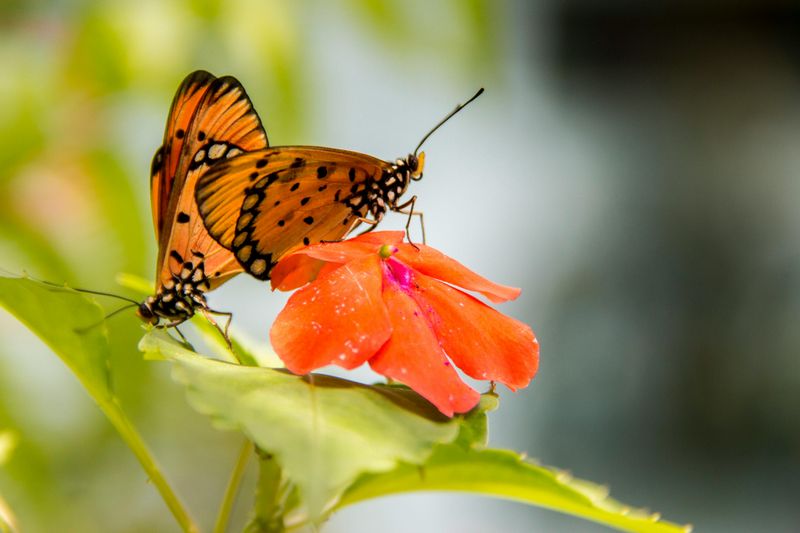
Before a butterfly lays eggs, it needs to find the perfect plant for its babies to munch on.
Instead of taking a nibble, butterflies simply land on a leaf and let their feet do the tasting.
Special sensors called chemoreceptors on their feet detect different chemicals in plants.
Within seconds, a butterfly knows if the plant is suitable food for its future caterpillars.
Imagine walking barefoot through a grocery store and knowing exactly what everything tastes like just by stepping on it.
That’s basically a butterfly’s daily experience.
13. The Inventor of the Frisbee Was Turned Into a Frisbee

Walter Frederick Morrison invented the modern Frisbee and watched it become one of America’s favorite toys.
When he died in 2010, his family decided on a unique memorial tribute.
His ashes were molded into actual Frisbees that family members could throw around.
According to his wishes, part of him literally became the toy he created, sailing through the air one last time.
Some might call this morbid, but it’s actually pretty poetic.
Morrison got to be part of his legacy in the most literal way possible, bringing joy to people even after death.
14. A Shrimp’s Heart Is in Its Head
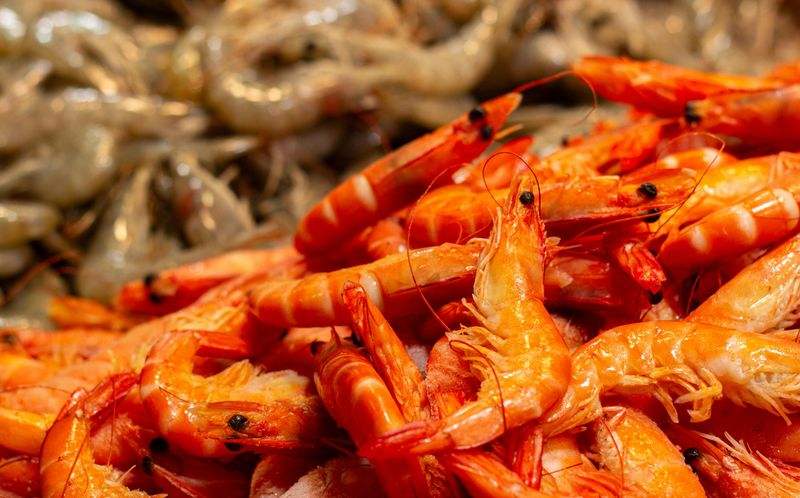
Shrimp have their vital organs arranged in some seriously weird ways.
Their heart sits right in their head, tucked between their brain and stomach.
Actually, shrimp anatomy is so strange that they also have their digestive system, reproductive organs, and other important bits all crammed into their cephalothorax.
That’s the fancy name for the head-chest combo section.
Next time you eat shrimp, remember you’re basically eating the whole creature, head and all.
Their tail is just muscle for swimming.
All the important stuff happens up top.
15. Scotland’s National Animal Is a Unicorn
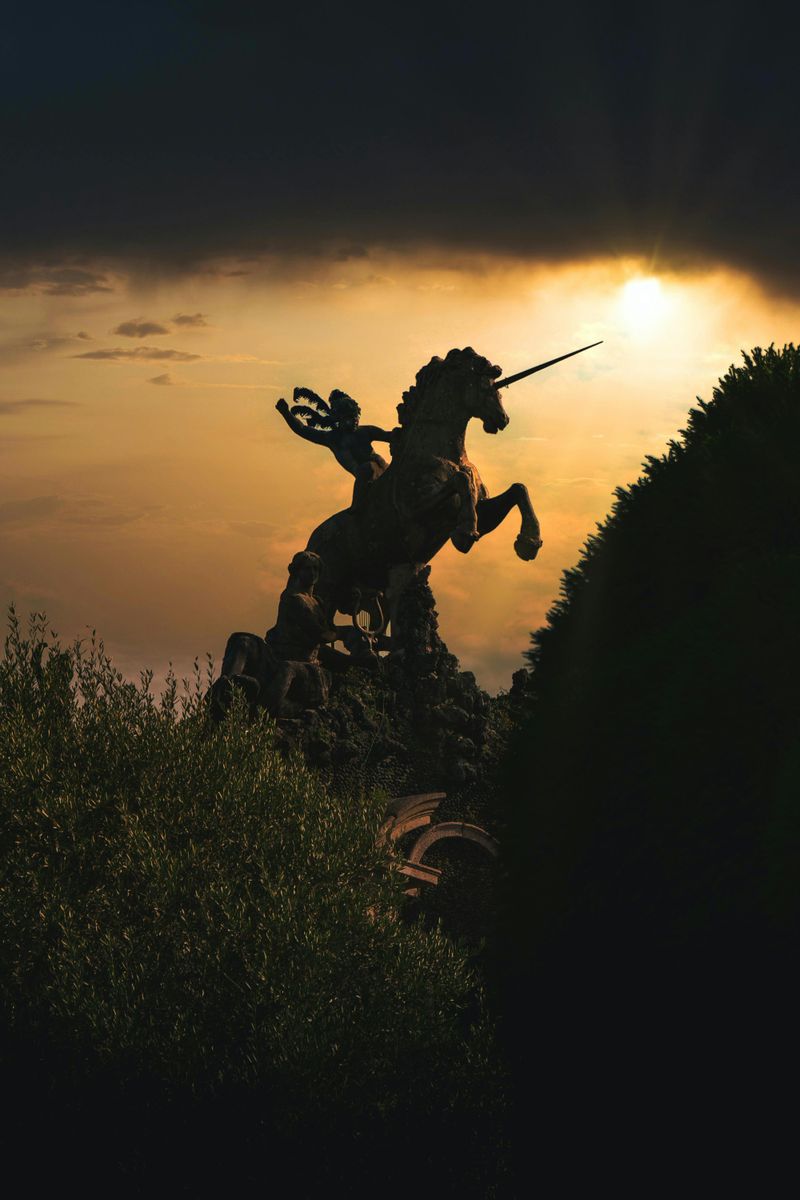
Most countries pick real animals as national symbols.
Eagles, lions, bears – you know, creatures that actually exist.
Scotland looked at all those options and said “Nah, we want a magical horse with a horn.”
The unicorn has been a Scottish symbol since the 1300s.
Medieval folks believed unicorns were real, powerful creatures that represented purity and strength.
Scottish kings particularly loved them because wild unicorns supposedly couldn’t be tamed.
Even today, unicorns appear on Scotland’s royal coat of arms, usually wearing gold chains to show their strength requires controlling.
Comments
Loading…