
 Chloe Peterson
14 Things Society Accepts That People Secretly Feel Are Total Scams

We all go along with certain things because everyone else does, but deep down, many of us wonder if we’re getting ripped off.
From everyday purchases to major life expenses, some products and services seem designed to drain our wallets rather than help us.
This list reveals the things most people pay for without question, even though they secretly suspect something fishy is going on.
1. College Textbooks

Publishers release new editions every year with minimal changes, forcing students to shell out hundreds of dollars per book.
The same information from last year’s edition remains mostly identical, but professors require the latest version anyway.
Used books get blocked by single-use access codes that cost nearly as much as new ones.
Students have no choice but to pay these inflated prices or risk falling behind in their courses.
Many textbooks sit unused after the semester ends, making them one-time purchases with terrible resale value.
The whole system feels designed to exploit students who can’t opt out.
2. Printer Ink Cartridges
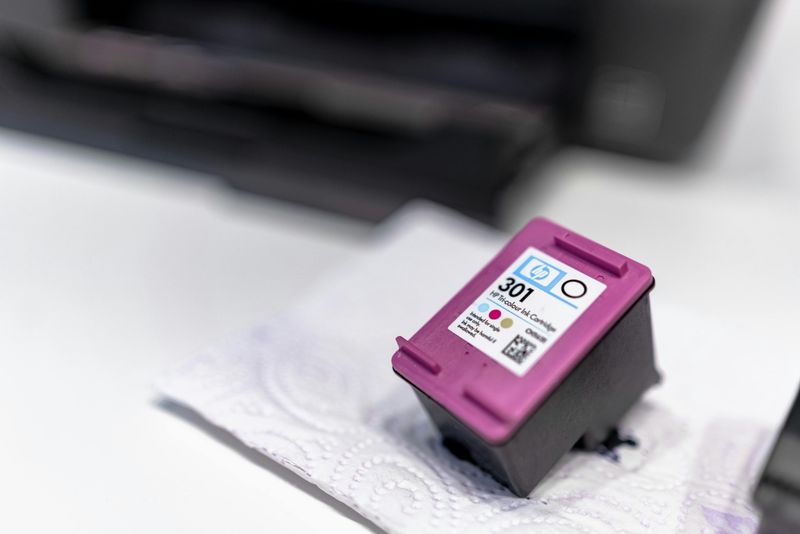
Ounce for ounce, printer ink costs more than luxury perfume or even human blood.
Manufacturers sell printers cheaply, then charge outrageous prices for replacement cartridges that run out suspiciously fast.
Built-in chips prevent you from refilling cartridges yourself or using cheaper alternatives.
Your printer claims it’s out of ink when plenty remains inside, forcing unnecessary replacements.
A set of color cartridges can cost more than buying a brand new printer.
This business model thrives on trapping customers who already own the printer and have no escape from the ink monopoly.
3. Wedding Industry Markups

Just mention the word “wedding” and watch prices magically triple for the exact same service.
Florists, photographers, and caterers charge premium rates simply because they know couples feel pressured to spend big on their special day.
A regular party venue becomes a wedding venue with a price tag three times higher.
The decorations, food, and service remain identical, but the invoice tells a completely different story.
Couples feel guilty cutting corners on their wedding, so vendors exploit this emotional vulnerability.
The entire industry banks on people believing they need to go into debt for one perfect day.
4. Bottled Water

Companies bottle tap water, slap a nature-themed label on it, and sell it for 2,000 times the price of what flows from your faucet.
Blind taste tests prove most people can’t tell the difference between bottled and tap water.
Marketing campaigns convince us that certain waters are purer or healthier, despite regulations making tap water equally safe in most developed countries.
We’re literally paying for plastic pollution and transportation costs.
The environmental damage from plastic bottles adds insult to injury when tap water works perfectly fine.
This might be the biggest scam where we voluntarily pay for something we already get essentially free.
5. Extended Warranties

Salespeople push these hard at checkout because stores make huge profits from warranties most customers never use.
Statistics show that products rarely break during the extended warranty period, and if they do, repairs often cost less than the warranty itself.
The fine print excludes so many situations that actually filing a claim becomes nearly impossible.
When you try to use your warranty, you discover it doesn’t cover the specific problem your product developed.
Manufacturers already build products to last beyond the standard warranty period.
Paying extra for coverage you probably won’t need is like betting against yourself, and the house always wins.
6. Diamond Engagement Rings

A clever 1930s marketing campaign created the tradition that men must spend months of salary on diamond rings.
Before that, diamond engagement rings weren’t even a thing, proving this “tradition” is manufactured.
Diamonds aren’t actually rare, but companies control the supply to keep prices artificially high.
Lab-created diamonds are chemically identical to mined ones but cost far less, exposing the markup scam.
The moment you walk out of the jewelry store, your diamond loses half its value.
These rocks have almost no resale market, making them terrible investments dressed up as symbols of eternal love.
7. Pre-Cut Produce

Grocery stores charge triple the price for produce that someone simply chopped up and put in a plastic container.
You’re paying premium rates for five minutes of work you could easily do yourself at home.
Pre-cut fruits and vegetables spoil faster due to increased surface area exposure to air and bacteria.
The convenience comes with a shorter shelf life, meaning you waste more food and money.
A whole watermelon costs a few dollars, but those little containers of watermelon chunks cost nearly the same for a quarter of the fruit.
Simple math reveals you’re funding the grocery store’s labor costs at an astronomical markup.
8. Brand Name Medications

Generic medications contain the exact same active ingredients as brand names but cost a fraction of the price.
FDA regulations require generics to be just as effective, yet many people still pay extra for familiar brand names.
Pharmaceutical companies spend billions on advertising to make you distrust cheaper alternatives that work identically.
The pill might look different, but the chemical composition remains the same.
Your doctor can confirm that switching to generics won’t affect your treatment, yet brand loyalty costs consumers thousands of unnecessary dollars yearly.
Marketing has successfully convinced people that higher prices mean better quality, which simply isn’t true for medications.
9. Cable TV Packages

Cable companies force you to buy 200 channels when you only watch ten, padding their profits with content nobody wants.
The packages are deliberately confusing, with add-on fees that mysteriously appear each month.
Your promotional rate expires after a year, doubling your bill overnight unless you call to negotiate.
They count on customers being too busy to constantly fight for reasonable prices.
Streaming services now offer better content for less money, yet cable companies refuse to adapt their outdated business model.
Hidden fees like broadcast charges and equipment rentals add insult to injury on already inflated base prices.
10. Gym Memberships

Gyms profit from members who sign up with good intentions but rarely show up, essentially donating money each month.
They make cancellation deliberately difficult, requiring certified letters or in-person visits during impossible hours.
January brings massive signup bonuses because gyms know most people quit by February while continuing to pay.
The business model literally depends on your failure and forgetfulness.
That expensive monthly fee could buy quality home equipment that doesn’t require driving anywhere or waiting for machines.
Gyms count on inertia keeping you subscribed long after you’ve stopped going, making them money for nothing.
11. Black Friday Deals

Stores inflate original prices before Black Friday just to slash them back to normal during the sale.
Price tracking websites reveal that many “deals” are actually more expensive than the item cost weeks earlier.
Retailers manufacture special low-quality versions of products specifically for Black Friday, giving you inferior goods at “discount” prices.
That TV looks the same but has a different model number and cheaper components.
The artificial urgency and doorbuster quantities trick people into buying things they don’t need simply because it feels like a deal.
Many items go even cheaper during post-Christmas clearance sales anyway.
12. Premium Gasoline
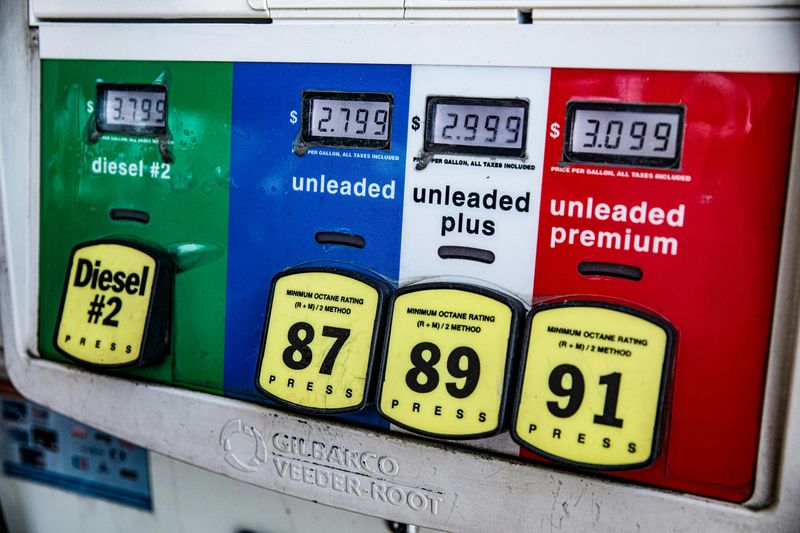
Most cars run perfectly fine on regular unleaded gas, despite what premium fuel marketing suggests.
Unless your owner’s manual specifically requires premium, you’re wasting money on every fillup for zero benefit.
Gasoline companies love implying that premium gas cleans your engine better or improves performance in regular cars.
Testing proves this wrong, but the higher profit margins keep the myth alive.
Even cars that recommend premium often run just fine on regular, with computer systems adjusting accordingly.
You’re essentially paying extra for bragging rights and placebo effects while gasoline companies laugh all the way to the bank.
13. Hotel Resort Fees

Hotels advertise low room rates, then hit you with mandatory resort fees at checkout that weren’t included in the booking price.
These fees supposedly cover pool access and WiFi that should obviously be included in the room rate.
The separate fee exists purely to make the advertised price look cheaper than it actually is, deceiving comparison shoppers.
You can’t refuse these fees even if you never use the amenities they supposedly cover.
Several lawsuits have challenged this deceptive practice, but hotels keep doing it because the extra revenue is worth the bad publicity.
What should be transparent pricing becomes a sneaky way to inflate bills after customers already commit.
14. Premium HDMI Cables
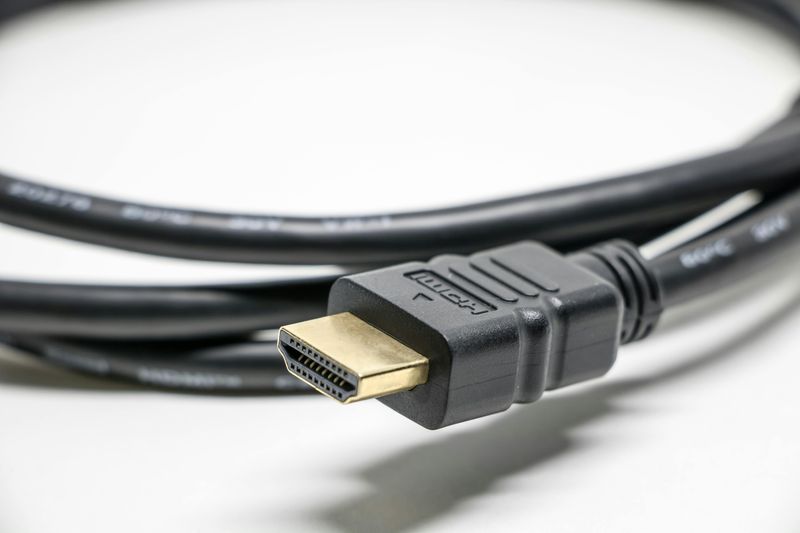
Electronics stores sell gold-plated HDMI cables for $100 claiming superior picture quality, when a $5 cable delivers identical results.
Digital signals either work or they don’t, making expensive cables pure profit on manufactured fear.
Salespeople push premium cables with technical jargon about signal quality that sounds impressive but means nothing for home use.
Those gold connectors and fancy shielding provide zero noticeable difference for typical viewing distances.
Consumer testing repeatedly proves that expensive and cheap HDMI cables perform identically for standard home setups.
This might be the easiest scam to avoid, yet people still spend fortunes on overpriced wires because marketing works.
Comments
Loading…