
 Mary Murphy
12 Things Boomers Refuse to Buy Anymore (And Why Gen Z Is Obsessed With Them)

What one generation calls outdated, another calls iconic.
Boomers spent years replacing clunky, inconvenient products with faster, sleeker options, while Gen Z is now bringing many of those same things back with real enthusiasm.
From analog charm to anti-algorithm cool, these throwback buys reveal how nostalgia, identity, and style can completely reshape what feels worth owning.
1. Vinyl Records
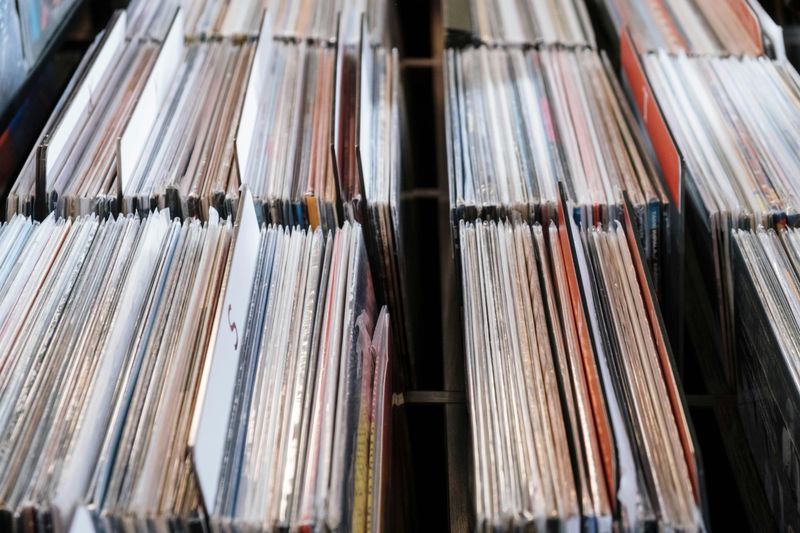
For many boomers, vinyl records were heavy, fragile, and a hassle to store, so ditching them for CDs and streaming felt like pure freedom.
You can understand why they would not rush back to scratched albums and bulky shelves after finally escaping the clutter.
Gen Z sees something entirely different.
Records feel intentional, collectible, and cool in a way playlists rarely do.
The larger artwork, richer sound, and ritual of dropping the needle turn music into an experience, not just background noise.
Owning vinyl also signals taste, personality, and a connection to culture that feels more personal than tapping a screen.
2. Film Cameras
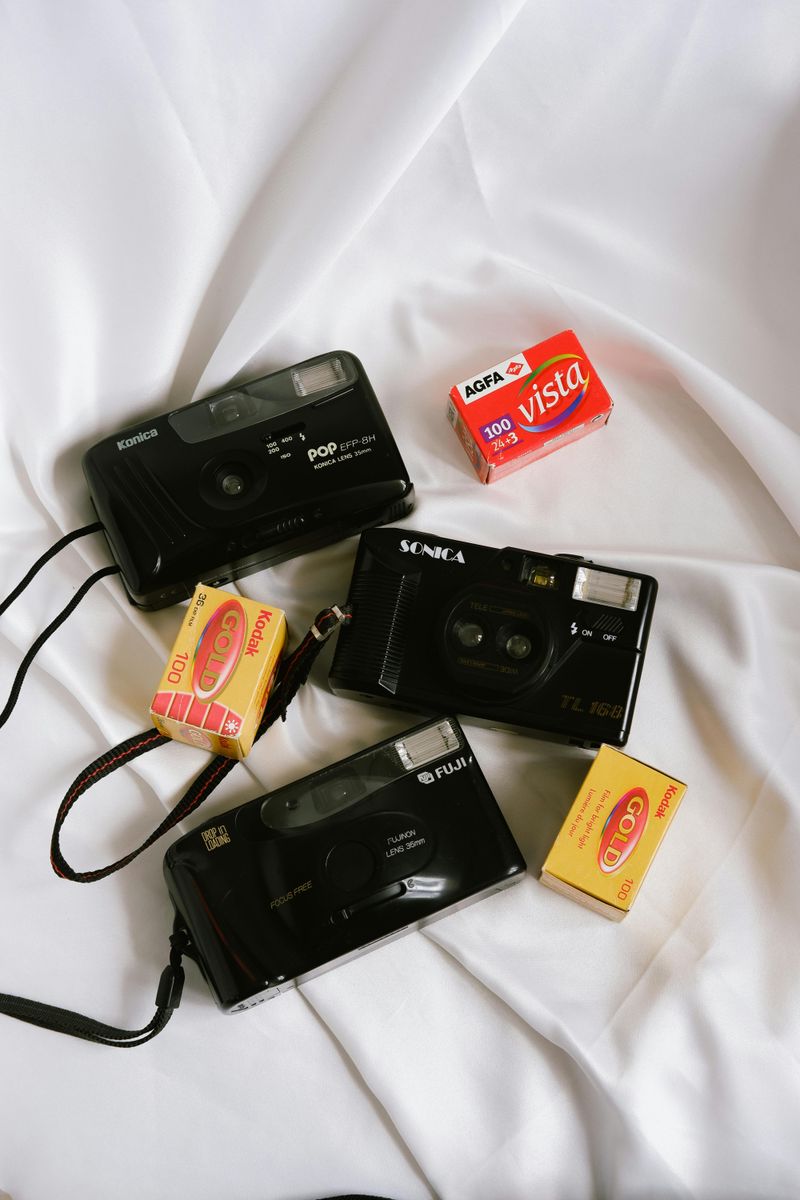
Boomers remember film cameras as expensive little machines that demanded patience, extra rolls, and a trip to the photo lab just to find out half the shots were blurry.
Once digital cameras and phones arrived, going back to film made almost no practical sense.
Gen Z loves that exact unpredictability.
Film adds mood, softness, and surprise that digital perfection often strips away.
You get fewer shots, so every frame feels more deliberate, and the wait for development builds anticipation.
In a world of endless selfies and filters, film feels honest, artistic, and just inconvenient enough to seem special.
3. Typewriters
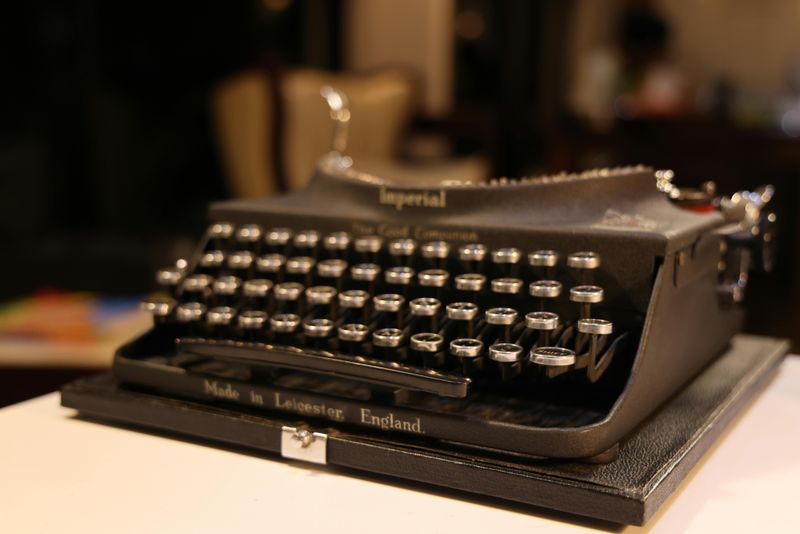
To boomers, typewriters are usually remembered as noisy, unforgiving workhorses that made every typo feel like a disaster.
Replacing them with computers was a clear upgrade, especially when editing, saving, and printing suddenly became faster and far less frustrating.
Gen Z is drawn to the opposite qualities.
A typewriter feels tactile, focused, and stubbornly free from notifications, tabs, and digital distractions.
The clacking keys and physical page create a sense of momentum you can almost hear.
For some, it is about romanticizing the writing process.
For others, it is a statement against hyperconnected life and a way to make creativity feel slower and more deliberate.
4. Polaroid Cameras
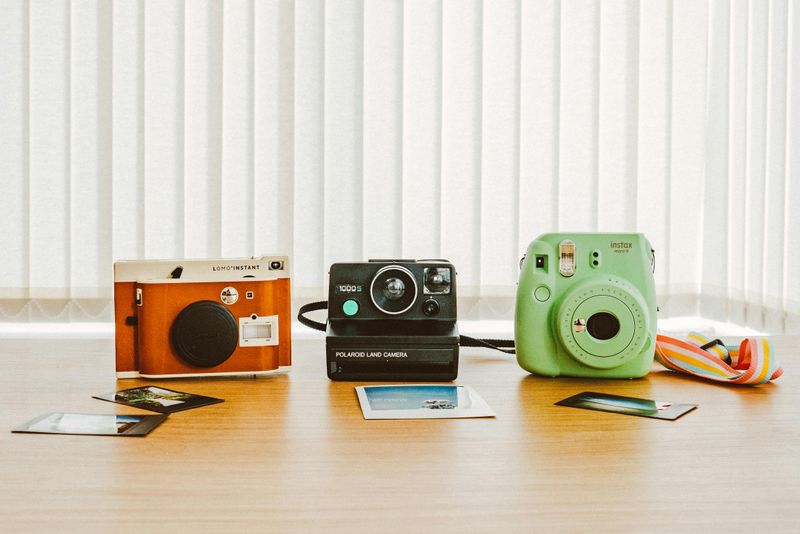
Boomers often see Polaroid cameras as pricey novelty gadgets that burned through film and produced pictures that were not always sharp.
After years of better cameras and cheaper digital storage, paying for instant snapshots can seem like a step backward.
Gen Z loves the magic in that tradeoff.
A Polaroid gives you one physical image, right now, with all its imperfect lighting and dreamy color shifts.
That makes each shot feel rare instead of disposable.
You can pin it to a wall, tuck it in a journal, or hand it to a friend.
In a world flooded with temporary posts, instant photos feel surprisingly lasting.
5. Flip Phones
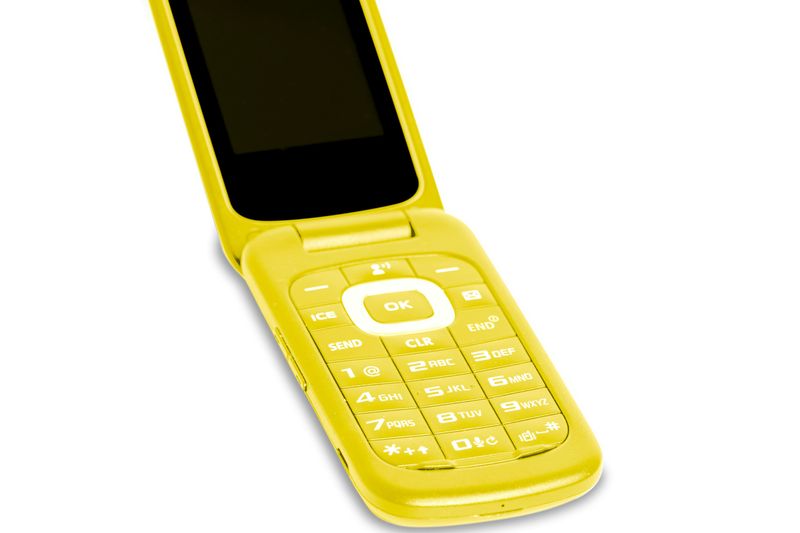
Boomers spent years upgrading from flip phones to smartphones because better screens, internet access, and apps made life easier.
Going back to tiny buttons and limited features feels like giving up convenience they already earned.
Gen Z is not always chasing more features.
For many, flip phones symbolize boundaries, simplicity, and a break from constant scrolling.
They look playful, feel nostalgic, and make texting less consuming.
Some young buyers use them full time, while others keep one as a weekend escape device.
In both cases, the appeal is clear: less noise, fewer notifications, and a daily life that feels a little more present and under control.
6. Cassette Tapes
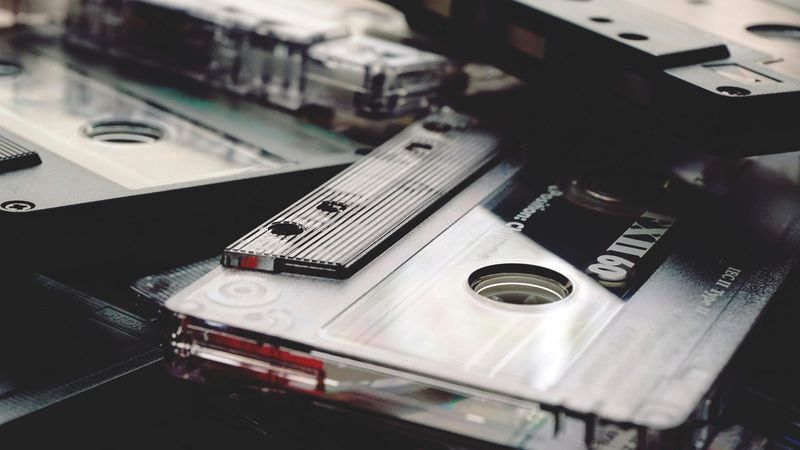
Boomers remember cassette tapes as maddeningly easy to ruin.
They tangled, hissed, melted in hot cars, and demanded patience every time you wanted to rewind to a favorite song.
Once better formats arrived, leaving tapes behind felt like common sense.
Gen Z sees charm where others remember headaches.
Cassettes are cheap to collect, fun to display, and loaded with retro personality.
The click of the buttons, the handmade mixtape energy, and the slightly imperfect sound all add to the appeal.
They are less about convenience and more about vibe.
For young fans, tapes turn music into an object with character rather than just another invisible file.
7. Rotary Phones
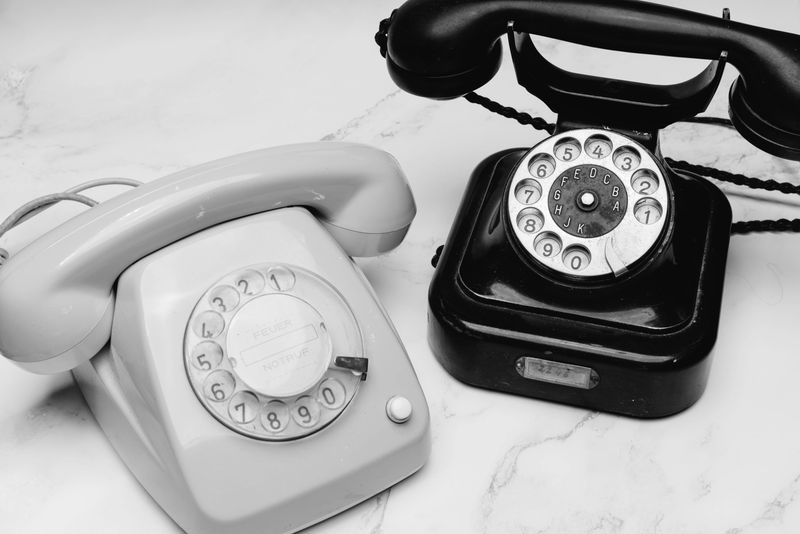
For boomers, rotary phones are the definition of old frustration.
Dialing took forever, cords knotted constantly, and privacy barely existed when the phone sat in a common room for everyone to hear.
It is no surprise they do not feel sentimental about using one again.
Gen Z usually is not buying rotary phones for practicality.
The appeal is visual, playful, and deeply tied to vintage interiors.
A rotary phone adds color, shape, and instant personality to a room in a way sleek tech rarely does.
Some even enjoy using one as a novelty.
It turns communication into theater, and that strange charm makes it feel cool again.
8. Paper Maps
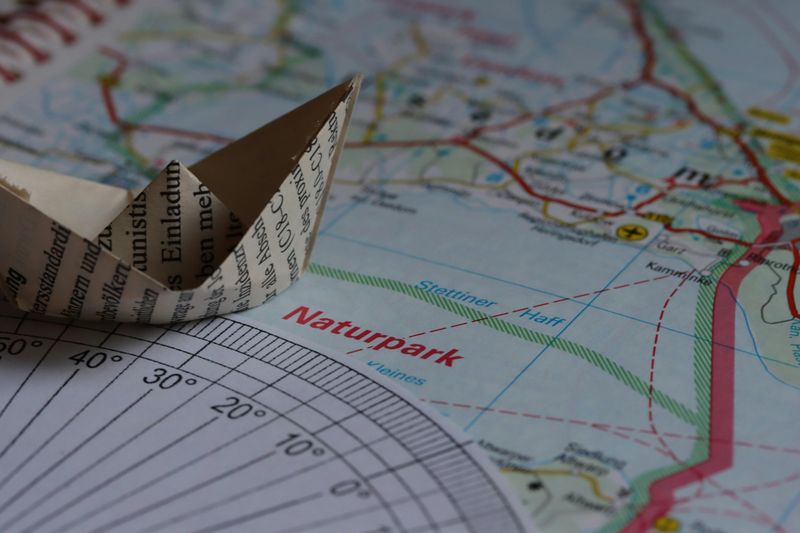
Boomers know exactly how inconvenient paper maps can be.
They were hard to fold, easy to tear, and stressful when you were lost and trying to read tiny print at the same time.
GPS made navigation so effortless that most never wanted to wrestle with road atlases again.
Gen Z is rediscovering paper maps for road trips, decor, journaling, and the feeling of adventure they create.
A map makes a place feel physical and expansive in a way digital directions do not.
You can trace routes, mark memories, and actually see where you are going in context.
That analog perspective feels refreshing when every turn is usually dictated by a voice.
9. Record Players
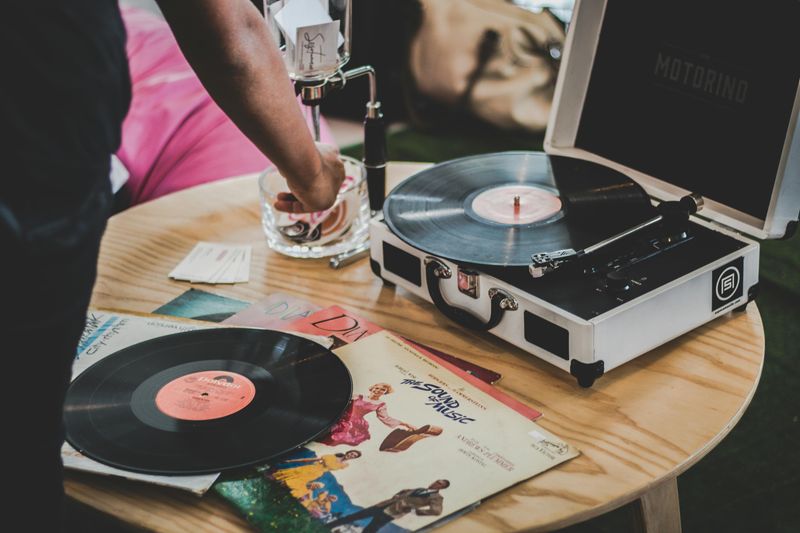
Boomers often separate record players from the romance younger people attach to them.
They remember replacing needles, adjusting speakers, and dealing with equipment that took space and maintenance.
When compact systems arrived, upgrading felt practical, not tragic.
Gen Z treats record players as both functional objects and statement pieces.
They anchor a room, invite conversation, and make listening sessions feel curated instead of passive.
Even the setup process becomes part of the pleasure.
You pick an album, flip the side, and stay present with the music.
That slower rhythm is appealing when so much entertainment is instant, endless, and easy to ignore after a few distracted minutes.
10. Printed Magazines

Boomers largely watched printed magazines shrink as the internet delivered faster news, endless celebrity coverage, and cheaper access to information.
After years of subscriptions piling up on tables, many were happy to stop paying for paper they would recycle a week later.
Gen Z has started valuing magazines as curated objects instead of disposable media.
The photography feels richer in print, the layouts invite slower reading, and the physical issue can become part of a collection.
You are not being interrupted by ads, popups, or notifications every few seconds.
That focused experience feels luxurious now.
A magazine can also double as decor, inspiration, and proof that taste exists beyond the algorithm.
11. Tube TVs
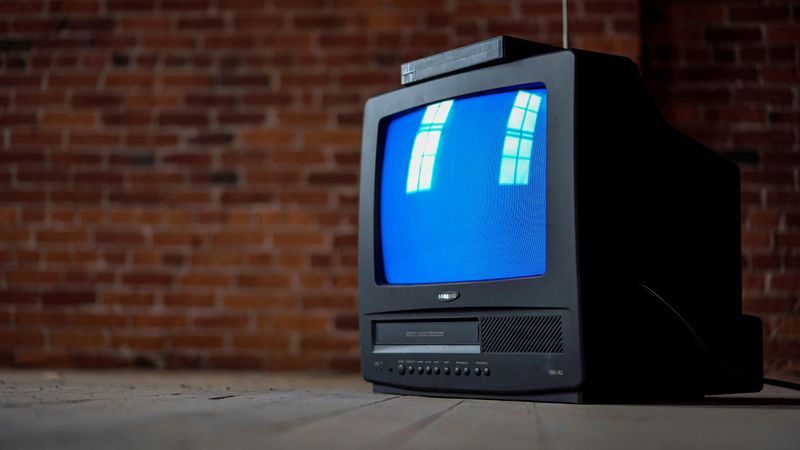
Boomers were thrilled to replace tube TVs with flatter, lighter screens that saved space and delivered sharper pictures.
Old sets were heavy, awkward, and difficult to move, so bringing one home again feels irrational to anyone who remembers the struggle.
Gen Z is drawn to CRT televisions for vintage gaming, visual texture, and pure retro atmosphere.
Older games often look better on the screens they were designed for, and the soft glow adds personality that modern displays cannot fake.
Even when the TV is not on, it works as a sculptural piece of decor.
That chunky silhouette broadcasts nostalgia, irony, and authenticity all at once, which is a strong combination.
12. Manual Watches
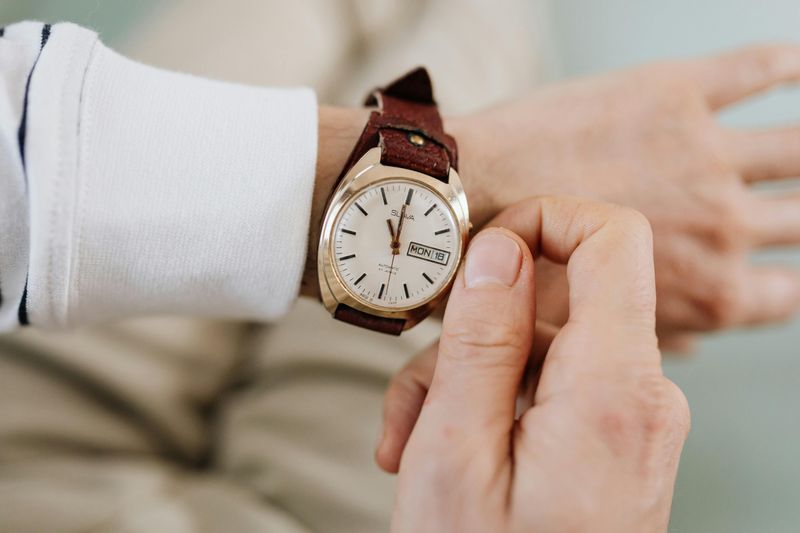
Boomers lived through the rise of quartz and smart devices, so manual watches can seem like expensive reminders of a less efficient era.
Why wind a watch or service tiny gears when cheaper, more accurate options are everywhere?
Gen Z is embracing manual watches because they feel timeless, intentional, and far more personal than disposable tech.
A mechanical watch has weight, craftsmanship, and visible character.
It does not buzz, track, or demand updates, which makes it feel calm in the best way.
Young buyers also appreciate the style story it tells.
Wearing one suggests taste, patience, and an interest in objects built to last instead of gadgets designed to be replaced quickly.
Comments
Loading…