
 Hailey Watson
12 Common Items in Your Kitchen That Are Secretly Making You Sick

Your kitchen is supposed to be the heart of your home, but some everyday items hiding in plain sight could actually be hurting your health.
From the sponge you use to wash dishes to the cutting board you chop vegetables on, danger can lurk in the most unexpected places.
Many of these hazards are easy to overlook because they seem totally harmless.
Read on to find out which common kitchen items might be making you and your family sick — and what you can do about it.
1. Kitchen Sponge
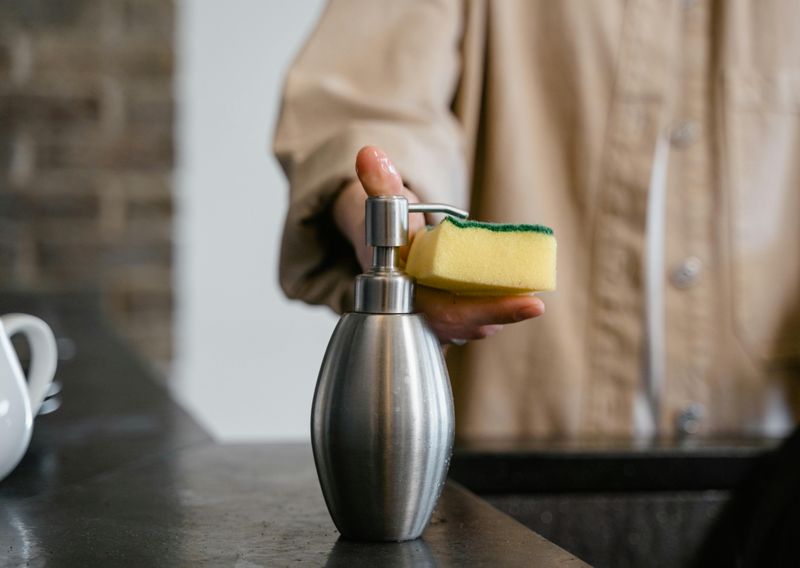
That sponge sitting by your sink might be the dirtiest thing in your entire home.
Studies have found that kitchen sponges can harbor millions of bacteria, including harmful strains like E. coli and Salmonella.
Every time you wipe down a counter or wash a dish, you could be spreading germs instead of cleaning them up.
Replacing your sponge every one to two weeks is a smart habit.
You can also microwave a damp sponge for one minute to kill most bacteria lurking inside.
A clean sponge really does make a big difference in keeping your kitchen safe.
2. Cutting Board
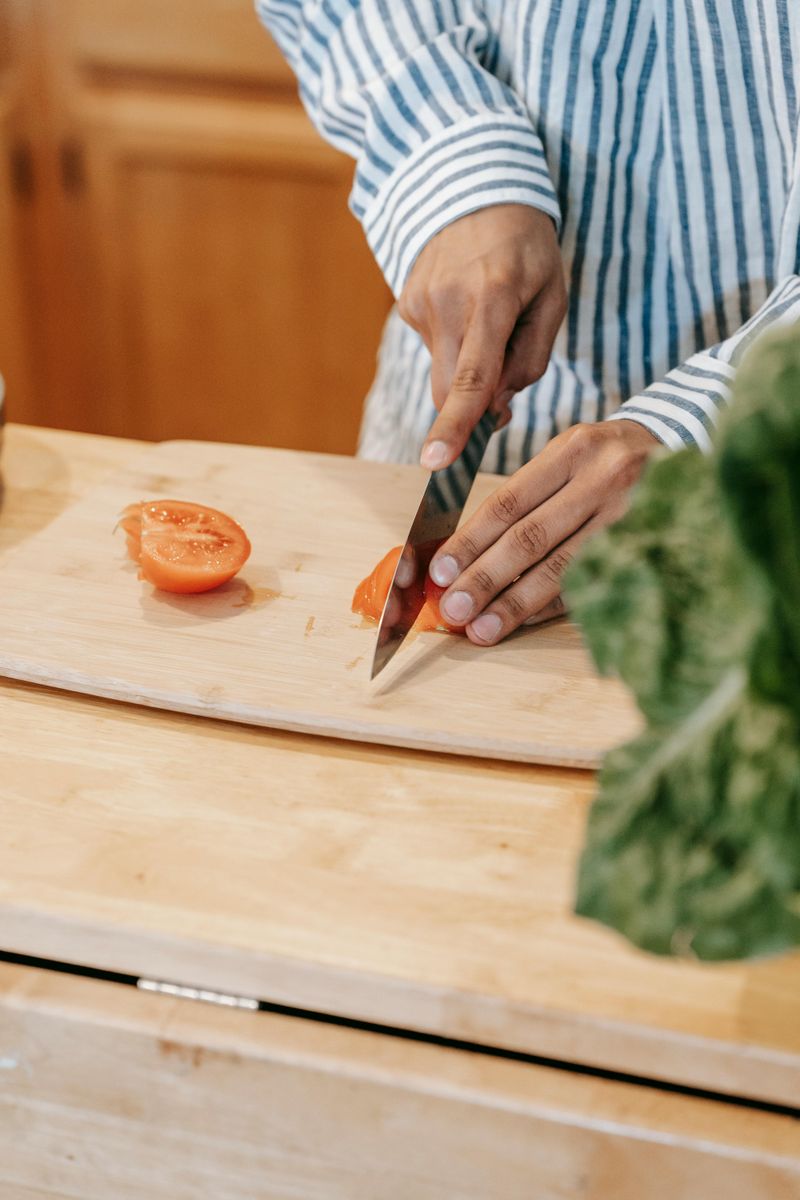
Most people own a cutting board, but not everyone thinks twice about how dangerous it can be.
Those deep knife grooves in your board are perfect hiding spots for bacteria like Listeria and Salmonella, especially after cutting raw meat.
Washing the surface quickly under the tap is rarely enough to get rid of all the germs trapped inside.
Use separate boards for meat and produce to avoid cross-contamination.
Scrub your boards thoroughly with hot, soapy water after every use.
Wooden boards should be replaced when they develop deep cuts, since bacteria can survive there even after cleaning.
3. Refrigerator Drawers
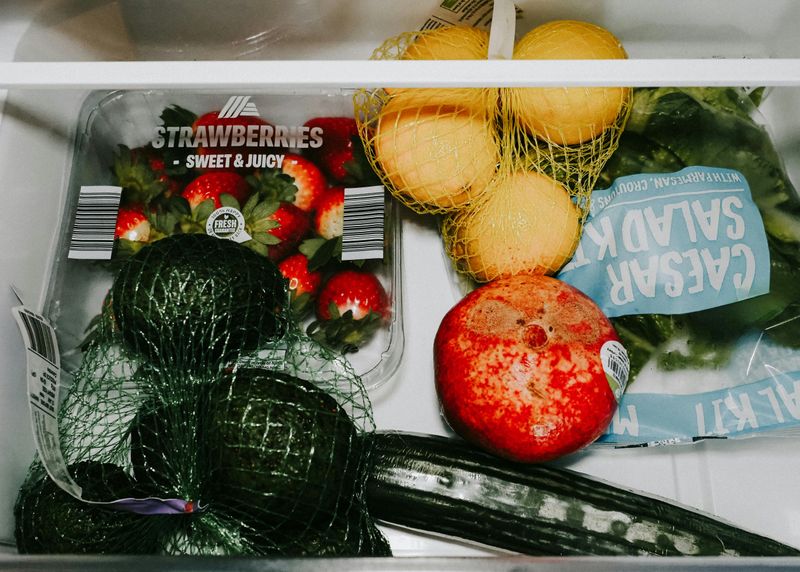
Refrigerator drawers are easy to forget about when cleaning, but they can become breeding grounds for mold and harmful bacteria over time.
Produce drawers, in particular, collect moisture, food residue, and bits of spoiled fruits and vegetables that go unnoticed for weeks.
That combination creates the perfect environment for pathogens to grow and spread to fresh food.
Pull out your refrigerator drawers monthly and wash them with warm soapy water.
Dry them completely before putting them back, since moisture encourages bacterial growth.
A small effort here can protect your whole family from foodborne illness without much extra work.
4. Dish Towels

Dish towels are one of the most overlooked sources of contamination in the kitchen.
People use them to dry hands, wipe counters, and clean up spills, often without washing them for days.
Research has actually shown that reusable kitchen towels can carry dangerous bacteria including E. coli, especially in households where meat is regularly prepared.
Swap out your dish towels every couple of days, or more often if they get wet or soiled.
Washing them in hot water kills most bacteria effectively.
Having a few extra towels on rotation makes it easier to stay on top of this simple but important hygiene habit.
5. Can Opener

Here is a kitchen tool that almost nobody thinks to clean: the can opener.
Every time you crack open a can of soup or beans, the blade slices through food and collects residue.
That gunk sits on the wheel and blade between uses, quietly growing bacteria that can transfer straight into your next meal.
After each use, wash your can opener thoroughly with hot soapy water, paying close attention to the blade and gear.
A small brush works well for getting into tight spaces.
If your can opener has visible rust or buildup that will not wash off, it is time to replace it.
6. Blender Gasket
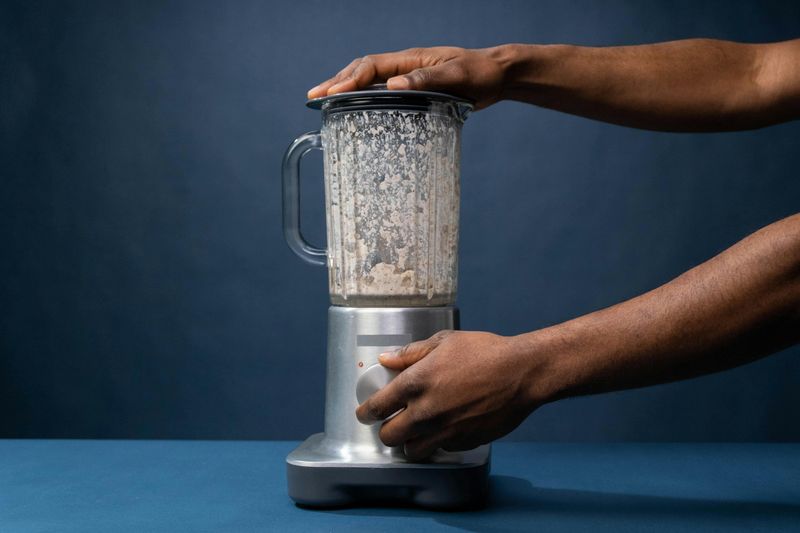
Smoothies taste great, but the blender making them might not be as clean as you think.
The rubber gasket, that small ring underneath the blender jar, is notorious for trapping old food particles and moisture.
Because it is tucked away and easy to miss, many people never clean it properly, allowing mold and bacteria to grow undetected.
Always disassemble your blender fully after every use and wash the gasket separately.
Let all parts air dry before putting the blender back together.
Skipping this step means you could be blending yesterday’s bacteria right into today’s breakfast, which is definitely not a healthy addition.
7. Non-Stick Cookware
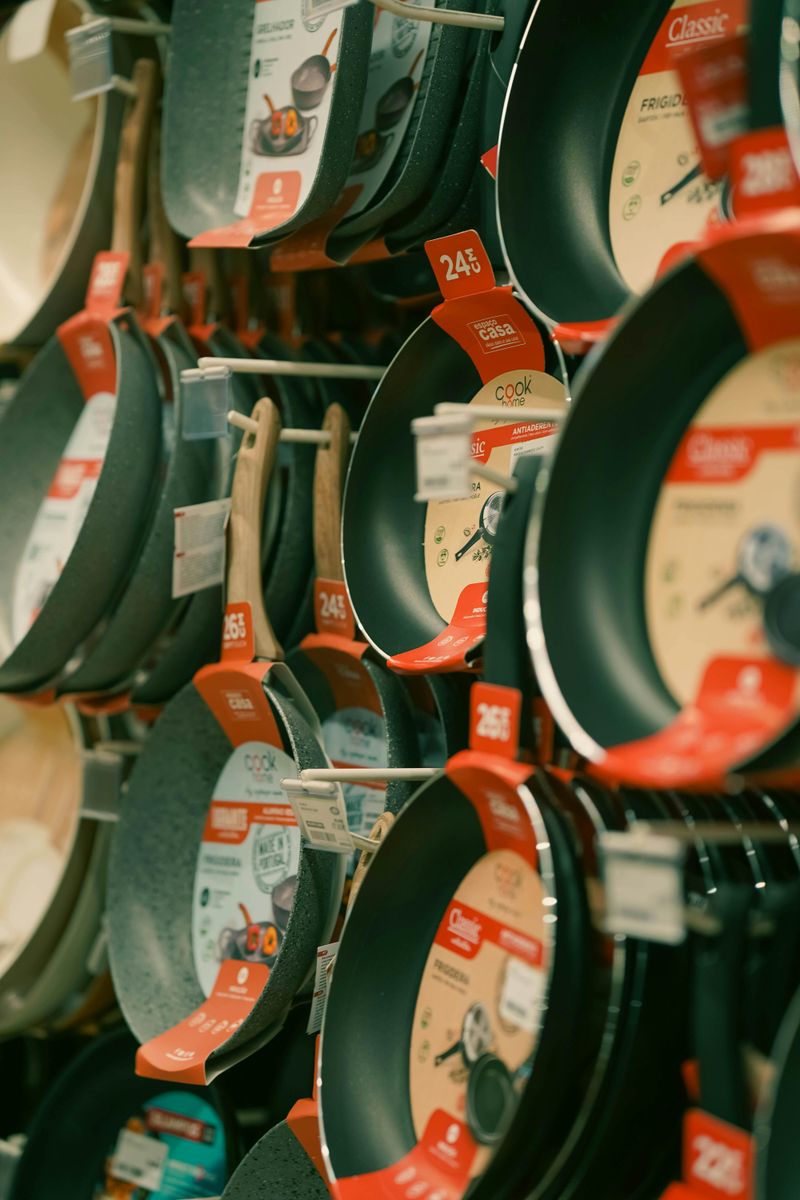
Non-stick pans make cooking and cleanup so much easier, but scratched or overheated ones can actually release harmful chemicals into your food.
Older non-stick cookware often contains a compound called PTFE, which can break down at high temperatures and release toxic fumes.
Even small flakes of peeling coating can end up in whatever you are cooking.
Replace any non-stick pan that has visible scratches, chips, or peeling.
Avoid using metal utensils on these surfaces, and never preheat a non-stick pan on high heat without food in it.
Ceramic or stainless steel cookware are safer long-term alternatives worth considering for everyday cooking.
8. Plastic Food Containers
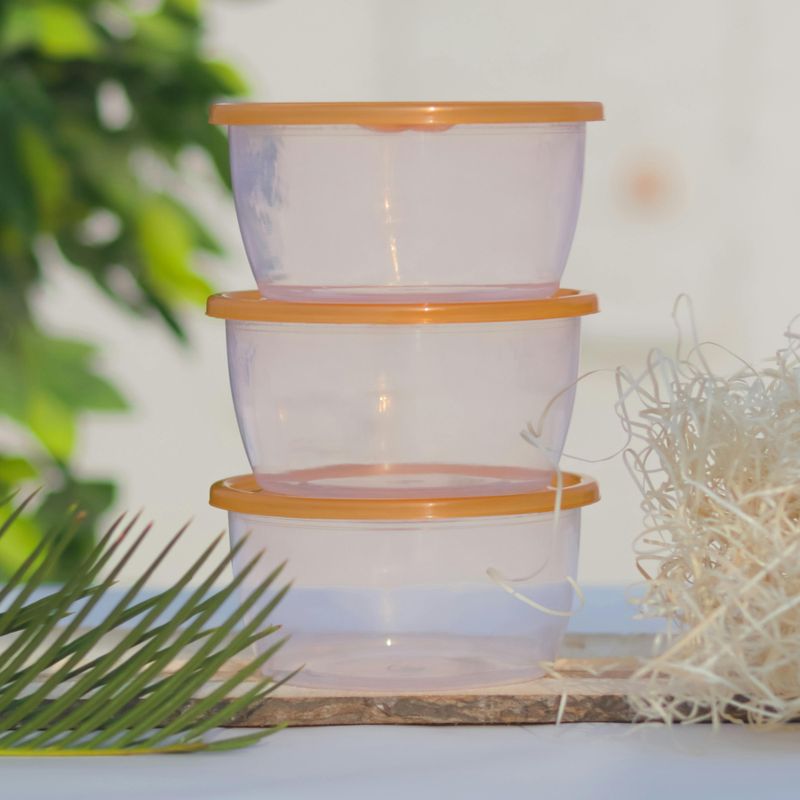
Plastic containers are super convenient for storing leftovers, but old or scratched ones can leach harmful chemicals into your food.
Bisphenol A, commonly known as BPA, was used in many plastic containers for years and has been linked to hormonal disruptions and other health concerns.
Even BPA-free plastics can release other potentially harmful compounds when heated or scratched.
Avoid microwaving food in plastic containers unless they are clearly labeled microwave-safe.
Replace containers that are cracked, heavily stained, or warped.
Glass or stainless steel storage containers are a much healthier investment and last significantly longer than their plastic counterparts, saving you money over time.
9. Spice Jars
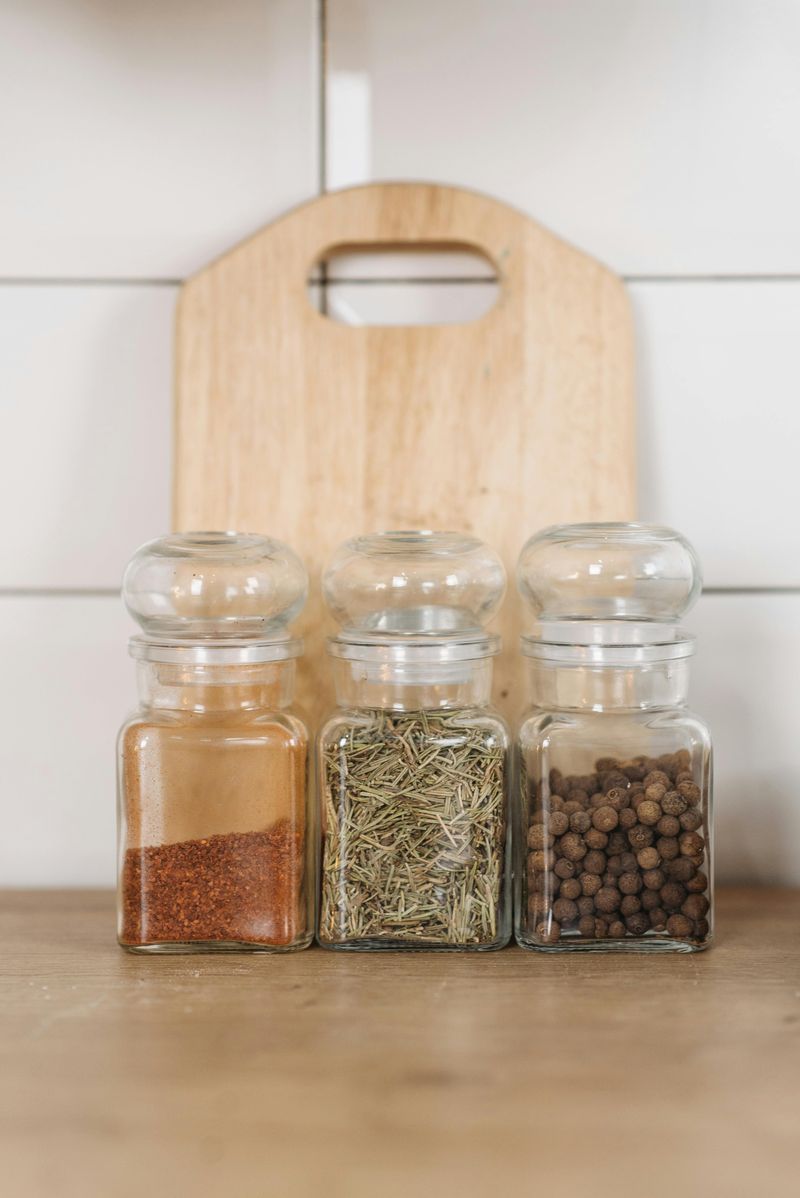
Spice jars might look harmless sitting on your rack, but they can become contaminated surprisingly fast.
When you touch a spice jar while handling raw chicken or meat and then touch it again without washing your hands, you transfer bacteria directly onto the jar.
Those germs then survive on the surface until the next time someone reaches for that seasoning.
Wipe down your spice jars regularly with a damp, sanitized cloth.
Always wash hands thoroughly before and after handling raw proteins in the kitchen.
Also check expiration dates, since old spices lose potency and can sometimes harbor mold, especially in humid kitchen environments.
10. Coffee Maker Reservoir
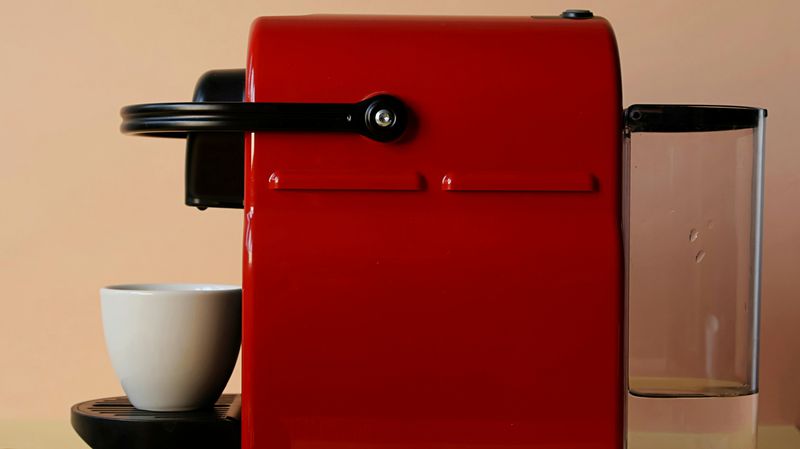
Your morning cup of coffee might come with an unwanted ingredient: mold.
The water reservoir inside a coffee maker stays warm and moist, creating ideal conditions for yeast and mold to thrive.
A study by NSF International found that coffee makers were among the germiest items in the average kitchen, which is a pretty alarming wake-up call.
Clean your coffee maker at least once a month by running a mixture of equal parts white vinegar and water through a full brew cycle.
Follow that with two plain water cycles to rinse.
Regular descaling also prevents mineral buildup that can affect both flavor and machine performance over time.
11. Kitchen Sink

Most people assume the toilet is the dirtiest spot in the house, but the kitchen sink actually wins that title more often than not.
Food particles, grease, and standing water create a perfect storm for bacterial growth around the drain and basin.
Raw meat juices frequently splash into the sink, leaving behind pathogens that do not just disappear on their own.
Scrub your sink basin daily with a disinfecting cleaner, and sanitize the drain area regularly.
Pouring boiling water down the drain weekly can help clear out buildup.
Do not forget to clean the faucet handles too, since those get touched constantly with unwashed hands throughout the day.
12. Wooden Utensils
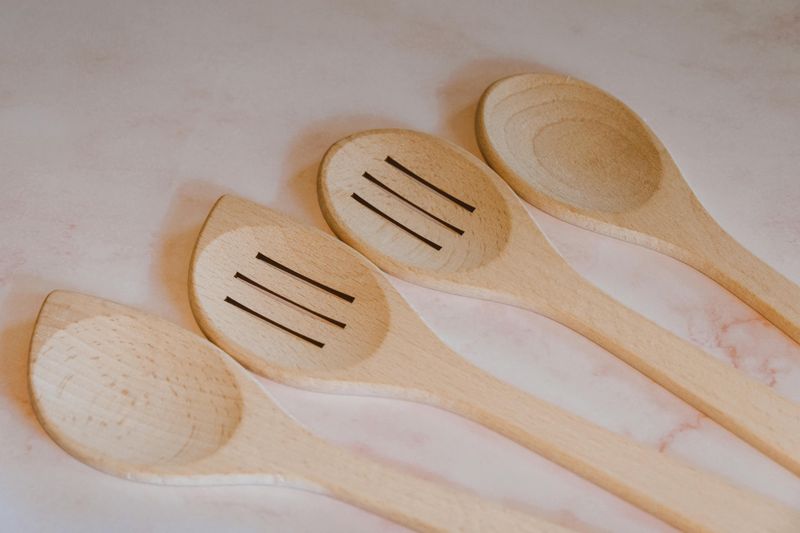
Wooden spoons and spatulas have a warm, rustic charm, but they can quietly harbor serious bacteria over time.
Because wood is porous, it absorbs moisture, food particles, and oils deep into its fibers.
Unlike metal or silicone, wood cannot go in the dishwasher, which means it rarely gets sanitized at the high temperatures needed to kill stubborn germs.
Hand wash wooden utensils in hot soapy water immediately after use and let them dry completely in an upright position.
Never soak them in water, as this causes cracking and swelling that creates even more hiding spots for bacteria.
Replace any utensil that shows deep cracks, dark staining, or a persistent sour smell.
Comments
Loading…