
 Mary Murphy
11 Ways Relying on ChatGPT Too Much Can Make You Unhappy
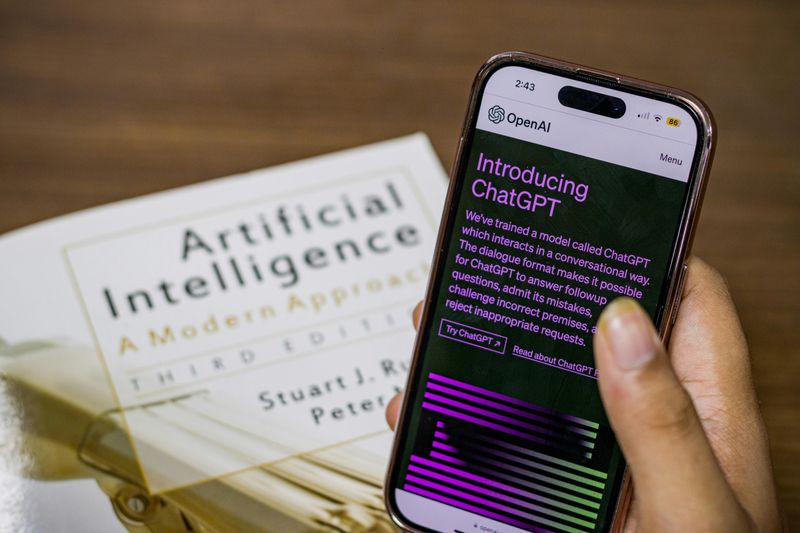
ChatGPT is an amazing tool that can answer questions, write essays, and even give life advice in seconds. But leaning on it too heavily for personal decisions and emotional support can quietly chip away at your happiness.
When a chatbot starts replacing real conversations, your own thinking, and genuine human connection, things can go sideways fast. Here are eleven surprising ways that over-relying on ChatGPT for life guidance might actually be making you less happy.
1. You Stop Trusting Your Own Judgment

Every time you ask ChatGPT what decision to make, you quietly send yourself a message: “I can’t figure this out on my own.”
Over time, that message sticks.
Your brain is actually wired to get better at decision-making the more you practice it, but outsourcing choices to an AI means that muscle never gets a real workout.
Before long, even small decisions feel overwhelming without a chatbot to guide you.
Real confidence comes from making choices, stumbling sometimes, and learning from what happens next.
No algorithm can hand you that kind of self-trust.
2. Emotional Support Starts Feeling Hollow

Talking to ChatGPT when you feel sad might seem comforting at first.
It responds quickly, never judges, and always has something kind to say.
But here is the catch: it does not actually care, because it cannot.
Human emotions need real human connection to truly heal.
When you swap out heartfelt conversations with friends or family for AI responses, the comfort you feel is thin and temporary.
Studies on loneliness show that perceived social connection matters enormously to mental health.
Settling for simulated empathy from a chatbot can quietly deepen feelings of isolation rather than soothe them.
3. Your Problem-Solving Skills Get Rusty

Imagine always using a calculator and then suddenly needing to do math in your head.
That is exactly what happens to your problem-solving brain when ChatGPT handles every challenge for you.
The brain thrives on wrestling with hard things.
Life throws curveballs constantly, and the people who handle them best are those who have practiced thinking through messy situations.
Regularly handing your problems off to an AI means you skip that practice entirely.
When a real crisis hits and the internet is down or the stakes are too personal for a chatbot, you may find yourself feeling completely lost.
4. Relationships Suffer When You Script Conversations

Some people use ChatGPT to draft texts, plan what to say in tough conversations, or even script how to apologize to a friend.
It sounds helpful, but relationships grow through genuine, messy, real-time communication.
When your words are borrowed from an AI, the authenticity disappears.
People can often sense when something feels rehearsed or off, even if they cannot explain why.
Authentic connection requires vulnerability and imperfection.
Leaning on ChatGPT to navigate your relationships may help you avoid awkward moments short-term, but it slowly erodes the genuine bonds that make life feel meaningful and rich.
5. You Miss the Joy of Figuring Things Out Yourself

Remember the rush of solving a tough math problem without any help?
That feeling of triumph is called the “eureka moment,” and science shows it releases dopamine, the brain’s feel-good chemical.
ChatGPT can rob you of that experience entirely.
When answers arrive instantly and effortlessly, there is no struggle, no buildup, and no satisfying payoff.
Over time, tasks that once felt rewarding start feeling pointless because the challenge is gone.
Letting yourself wrestle with problems, even when it is uncomfortable, is one of the most reliable paths to genuine satisfaction and a stronger, happier mind.
6. It Can Distort Your View of Reality

ChatGPT sounds confident even when it is wrong.
It can present outdated facts, misinterpret nuanced situations, or reflect biases baked into its training data.
If you treat its life advice as gospel truth, your understanding of real-world situations can quietly warp in ways you do not notice.
For example, asking ChatGPT how to handle a family conflict might produce advice that sounds logical but completely misses the cultural, emotional, or personal context involved.
Real life is layered and complicated in ways no AI fully grasps.
Depending on it too heavily can leave you navigating life with a slightly crooked map.
7. Creativity Gets Crowded Out

There is something magical about staring at a blank page and eventually filling it with your own ideas.
That creative struggle, frustrating as it feels, is where originality is born.
When ChatGPT generates your ideas, stories, or plans for you, your creative voice gets quieter and quieter.
Creativity is not just about making art.
It shapes how you approach problems, relationships, and life choices.
People who regularly express their own ideas, even imperfectly, report higher levels of happiness and fulfillment.
Outsourcing your imagination to an AI might feel efficient, but it slowly dims one of the most uniquely human sparks you have.
8. You Become Anxious Without It

Here is a quiet warning sign worth paying attention to: if the thought of making a decision without ChatGPT makes you genuinely nervous, that is a red flag.
Healthy tools should make life easier, not create new anxieties when they are unavailable.
Dependency on any single coping mechanism, whether it is a person, a substance, or an app, tends to shrink your world rather than expand it.
The more you rely on ChatGPT to feel okay, the more fragile your sense of stability becomes.
Building internal resources, like journaling, talking to trusted people, or quiet reflection, creates resilience that no chatbot can replicate.
9. It Gives Generic Advice for Your Unique Life

Your life is not a template.
Your family history, personality, cultural background, and personal values make your situation unlike anyone else’s.
ChatGPT, no matter how sophisticated, works from patterns in data.
Its advice is essentially an average, a middle-ground response that fits no one perfectly.
When you ask it whether to forgive a friend, change careers, or move to a new city, it cannot truly know you.
Accepting generic guidance for deeply personal decisions can lead you down paths that feel wrong from the start.
The people who know you well, or a good therapist, will almost always give you more meaningful direction.
10. You Lose the Habit of Sitting With Uncertainty

One of the most underrated life skills is tolerating not knowing something.
Great thinkers, artists, and leaders throughout history have described sitting with uncertainty as a crucial part of growth.
Instant answers from ChatGPT cut that process short every single time.
When you never practice being comfortable with open questions, unresolved feelings, or unclear outcomes, life starts to feel unbearable whenever answers do not come quickly.
Uncertainty is not a problem to be solved.
Often, it is an invitation to reflect, grow, and discover what you truly believe.
Rushing to ChatGPT for closure can quietly steal that valuable experience from you.
11. Your Sense of Identity Can Weaken

Who are you when you are not asking an AI what to think, feel, or do?
That question matters more than it might seem.
A strong sense of identity comes from making choices, expressing opinions, and experiencing the natural consequences of your own actions.
Each of those moments teaches you something about yourself.
Handing those moments over to ChatGPT means you collect fewer of them.
Over time, your values, preferences, and personal voice can feel fuzzy or borrowed rather than genuinely yours.
Happiness is deeply tied to knowing who you are.
Protecting that self-knowledge means staying in the driver’s seat of your own life.
Comments
Loading…