
 Hailey Watson
Our bodies are more than just physical vessels. They store memories, emotions, and experiences in ways we are only beginning to understand. When something emotional happens, your body remembers it, even if your mind tries to forget.
1. Muscle Tension Stores Stress

Ever notice how your shoulders creep up toward your ears when you’re worried?
That’s not just a coincidence.
Muscles actually hold onto stress and emotional pain.
When you experience something frightening or upsetting, your muscles tighten up as a protective response.
Over time, if you don’t release that tension, it becomes chronic.
Your neck might ache constantly, or your jaw might clench without you realizing it.
Physical therapists often find that when they work on tight muscles, clients suddenly remember old emotions or events.
The body was literally holding onto those feelings, waiting for a chance to let them go.
2. The Gut Feels Emotions First

Your stomach does more than digest food. It processes feelings too.
Scientists call the gut the “second brain” because it contains millions of nerve cells.
These cells communicate directly with your brain, sending signals about your emotional state.
Butterflies before a presentation?
That queasy feeling when you’re nervous? Your gut is responding to emotions.
Traumatic experiences can actually change how your digestive system works.
People who’ve been through difficult times often develop stomach problems years later.
The gut remembers fear, anxiety, and stress, sometimes causing issues like irritable bowel syndrome or chronic stomach pain that doctors struggle to explain with physical causes alone.
3. Breathing Patterns Reflect Past Trauma

How you breathe tells a story about what you’ve experienced.
Shallow, rapid breathing often develops after scary or overwhelming events.
Your body learned to breathe this way during moments of panic, and it stuck.
Some people hold their breath without realizing it, especially when concentrating or feeling anxious.
This pattern might have started during childhood when they needed to stay quiet or invisible.
Deep, relaxed breathing becomes difficult when your body is guarding old wounds.
Therapists who work with trauma survivors often focus on breathing exercises first.
Changing your breath can actually help release stored emotions and calm your nervous system.
4. Posture Reveals Emotional History

Stand up straight! You’ve heard it before, but posture is about more than manners.
Your body position reflects your emotional experiences.
Someone who felt unsafe growing up might hunch their shoulders forward, creating a protective shield around their heart and chest.
People who felt they had to shrink themselves or take up less space often develop a collapsed posture.
Their body learned to make itself smaller.
Conversely, some folks develop rigid, military-style posture as a way to maintain control and keep emotions locked down tight.
Bodywork practitioners can often guess at someone’s emotional history just by observing how they hold themselves.
5. Chronic Pain Has Emotional Roots

Not all pain comes from injury or illness.
Sometimes it comes from feelings.
Doctors are discovering that chronic pain conditions often have emotional components.
Your back pain might be related to carrying too much responsibility. Headaches could stem from holding back anger or tears.
Research shows that people with unresolved emotional trauma are more likely to develop fibromyalgia, chronic fatigue, and other pain conditions.
The body converts emotional suffering into physical symptoms.
This doesn’t mean the pain is imaginary or all in your head.
It’s completely real.
The emotions have simply found a physical way to express themselves when they couldn’t be processed mentally.
6. The Heart Carries Emotional Wounds
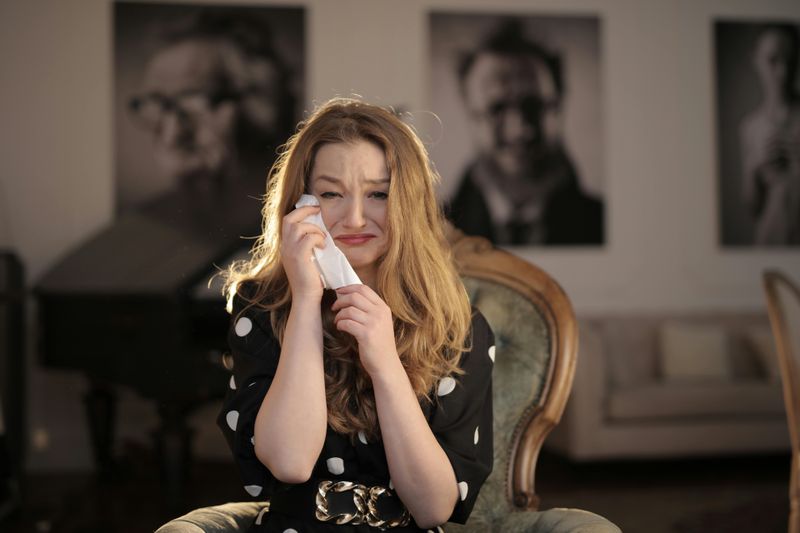
Heartbreak isn’t just a metaphor. Your heart actually responds to emotional pain.
Studies show that grief, loss, and emotional trauma can cause real changes in heart function.
There’s even a condition called broken heart syndrome, where intense emotional stress causes symptoms identical to a heart attack.
Your heart rate changes when you recall painful memories.
It speeds up or slows down based on what you’re feeling, even if you’re not consciously aware of the emotion.
Some cardiac patients discover that their heart problems began shortly after major emotional losses or stressful life events.
The heart truly does remember love, loss, and everything in between.
7. Skin Conditions Mirror Inner Turmoil

Your skin is your body’s largest organ, and it speaks volumes about your emotional state.
Stress, anxiety, and unresolved trauma can trigger or worsen conditions like eczema, psoriasis, hives, and acne.
Dermatologists often ask about life stress when treating stubborn skin problems.
The skin develops from the same embryonic tissue as the nervous system, which means they’re deeply connected.
When your nerves are frazzled, your skin often shows it.
Many people notice their skin flares up during emotionally difficult times.
The body is literally wearing its feelings on the outside.
Treating only the skin often fails unless the emotional component is addressed too.
8. The Throat Holds Unspoken Words

Swallowing your words can create real physical problems in your throat.
Many people who couldn’t speak their truth or express their feelings develop chronic throat issues.
They might experience frequent sore throats, difficulty swallowing, or a constant lump in the throat that doctors can’t explain.
Voice problems, including losing your voice or developing a strained speaking pattern, often relate to times when you felt silenced or couldn’t say what you needed to say.
The throat chakra, as some traditions call it, becomes blocked when authentic expression is suppressed.
Singing, humming, or simply speaking your truth can help release these stuck emotions and ease physical symptoms.
9. Cellular Memory Passes Through Generations
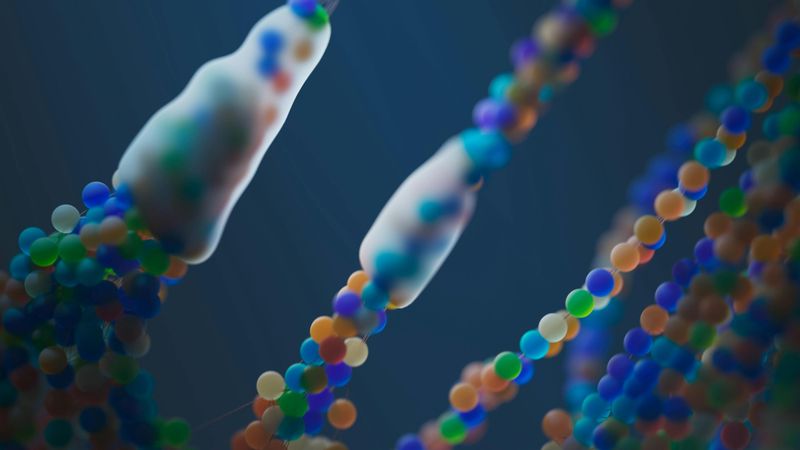
Your cells might remember things that happened before you were born.
Emerging research in epigenetics shows that trauma can be passed down through generations.
Your grandmother’s experiences during wartime or your grandfather’s childhood poverty might affect your own stress responses and emotional patterns.
This happens through chemical markers on your DNA that change how genes are expressed.
The experiences don’t change the genes themselves, but they change how those genes work.
This explains why some people have strong fears or reactions to things they’ve never personally experienced.
Understanding generational trauma helps us make sense of our emotional responses and begin healing patterns that started long ago.
Comments
Loading…