
 Isabel Parker
11 Weird Ways Anxiety Shows Up in the Body
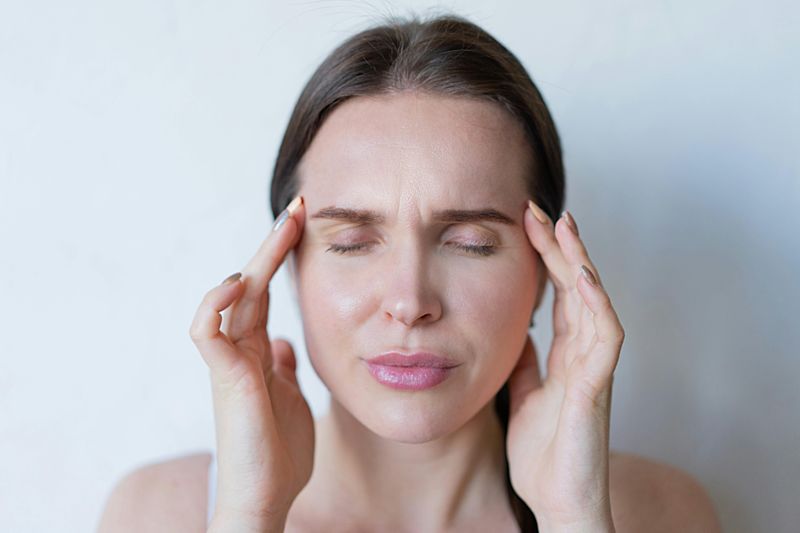
Anxiety isn’t always just the racing thoughts, sweaty palms, or pounding heart we usually associate with it. Often, it hides in subtler, unexpected ways, showing up as odd physical symptoms that can leave you confused or worried.
Your body has its own language for stress, sending signals that are easy to overlook if you’re not paying attention. By learning to recognize these unusual signs, you can better understand what your mind and body are trying to tell you—and take steps to care for yourself before anxiety escalates.
1. Phantom Smells That Aren’t There
Ever caught a whiff of something burning when nothing’s on fire?
Anxiety can trick your brain into creating phantom smells, a phenomenon called phantosmia.
Your nervous system gets so overwhelmed that it sends false signals to your smell receptors.
This weird symptom often happens during panic attacks or high-stress moments.
People report smelling smoke, chemicals, or even flowers that don’t exist.
It’s your brain’s way of being hyperalert, scanning for danger even when there isn’t any.
If phantom smells become frequent, mention them to your doctor to rule out other causes.
Meanwhile, grounding techniques like deep breathing can help calm your overactive nervous system and reduce these sensory hallucinations.
2. Constant Yawning When You’re Not Tired
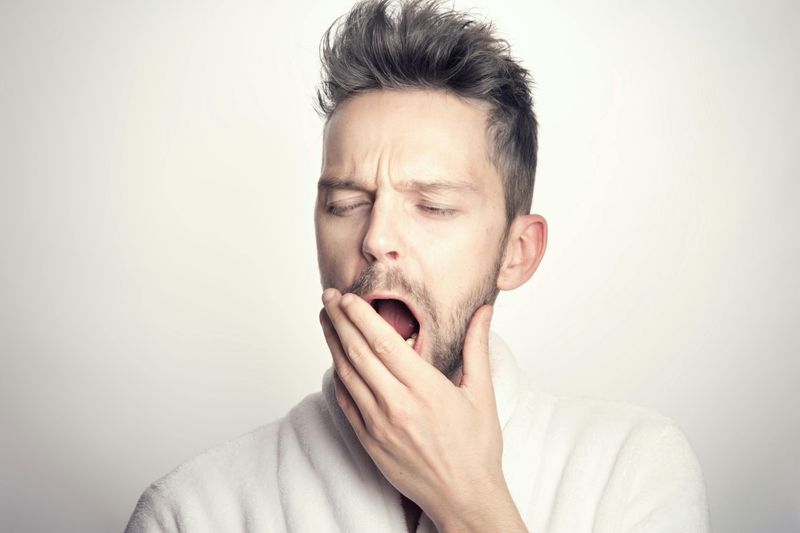
Yawning nonstop in the middle of the day?
Before you blame boredom, consider anxiety.
When stress kicks in, your breathing becomes shallow, and your brain doesn’t get enough oxygen.
Yawning is your body’s attempt to gulp in more air and balance things out.
This happens because anxious breathing tends to be chest-based rather than deep belly breathing.
Your body recognizes the oxygen deficit and triggers yawns to compensate, even if you slept perfectly fine last night.
Practicing breathing exercises can help tremendously.
Try inhaling slowly through your nose for four counts, holding briefly, then exhaling for six counts to reset your breathing pattern.
3. Skin Breakouts in Strange Places

Stress hormones like cortisol don’t just mess with your mood—they wreak havoc on your skin too.
Anxiety triggers inflammation throughout your body, leading to breakouts on your chest, back, or even behind your ears in places you’ve never had acne before.
Your body produces extra oil when cortisol levels spike, clogging pores and creating the perfect environment for pimples.
Stress also weakens your skin’s protective barrier, making it more vulnerable to irritation and infection.
Managing anxiety through relaxation techniques, regular sleep, and a gentle skincare routine can help clear things up.
Remember that your skin reflects what’s happening inside your body.
4. Brain Fog and Difficulty Finding Words

Mid-sentence, your brain just…blanks.
That word you use every day suddenly vanishes, and you’re left fumbling for it like searching through a messy drawer.
Anxiety floods your brain with stress chemicals that interfere with memory and language processing.
Cortisol and adrenaline redirect blood flow away from the thinking parts of your brain toward survival areas.
This makes concentrating, remembering names, or finishing thoughts incredibly difficult.
You’re not losing your mind—your brain is just in protective mode.
Getting adequate sleep, staying hydrated, and taking short mental breaks throughout the day can sharpen your focus.
Your cognitive abilities will return once anxiety levels decrease.
5. Cold Hands and Feet Even in Warm Weather

Your extremities feel like ice cubes despite wearing socks and the thermostat reading 72 degrees.
Anxiety activates your fight-or-flight response, which redirects blood flow from your hands and feet toward your core organs and major muscle groups to prepare for perceived danger.
This circulation change leaves your fingers and toes freezing cold and sometimes even turning pale or bluish.
It’s an ancient survival mechanism that your body still uses, even when the threat is just an email from your boss.
Warm baths, gentle exercise, and stress management techniques help improve circulation.
Wearing layers and keeping moving can also bring warmth back to those chilly digits while you work on calming your nervous system.
6. Frequent Urination Without Drinking Much

Running to the bathroom every thirty minutes gets old fast, especially when you haven’t even finished your water bottle.
Anxiety makes your bladder hypersensitive, causing the urge to pee even when there’s barely anything there.
Stress hormones affect the muscles around your bladder, making them contract more frequently.
Your nervous system also becomes hyperaware of every bodily sensation, amplifying that bathroom signal.
Some people mistake this for a urinary tract infection when it’s actually anxiety at work.
Pelvic floor exercises and mindfulness practices can help retrain your bladder and calm those false alarms.
If symptoms persist, check with a doctor to rule out medical issues.
7. Ringing in Your Ears for No Reason
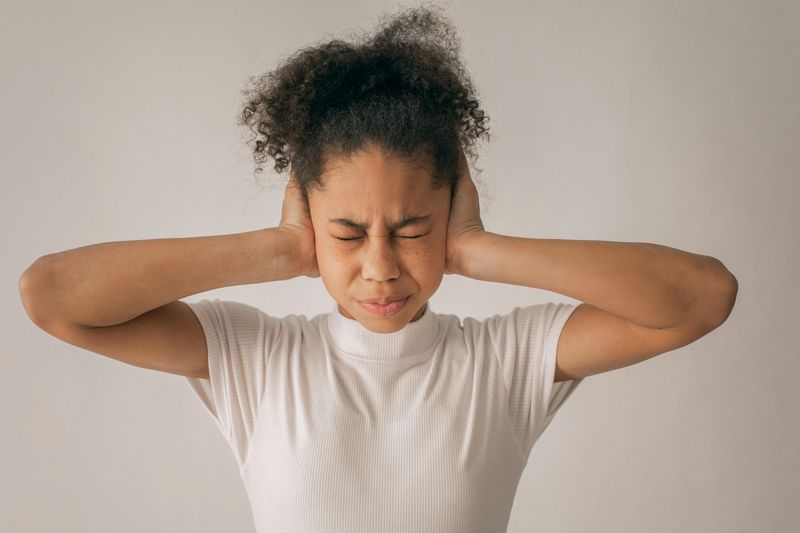
That persistent buzzing or ringing sound called tinnitus can definitely be anxiety-related.
Stress increases blood pressure and changes blood flow to your ears, creating those phantom noises that drive you crazy, especially at night when everything else is quiet.
Muscle tension in your jaw and neck from anxiety can also contribute to ear ringing.
Your body holds stress in weird places, and the tiny muscles around your ears aren’t immune to that tension.
Reducing caffeine, practicing jaw relaxation exercises, and using white noise machines can help mask the ringing.
Addressing your underlying anxiety through therapy or relaxation techniques often reduces tinnitus severity over time.
8. Unexplained Muscle Twitches and Spasms
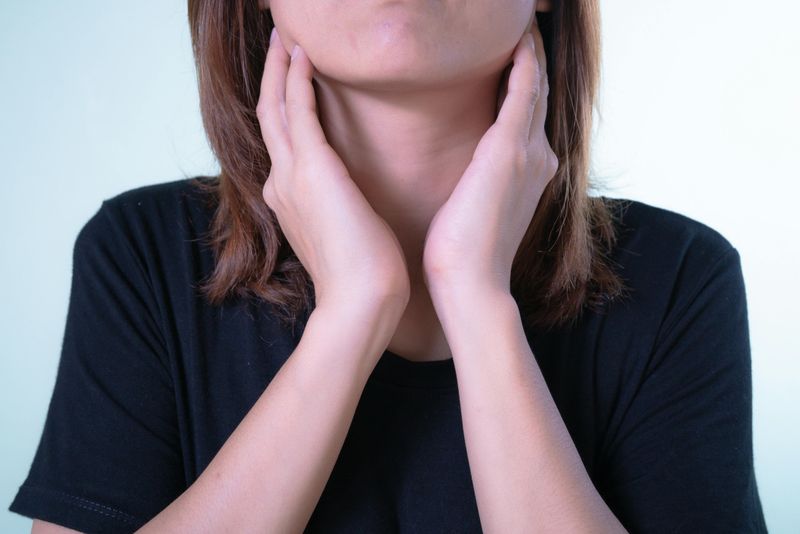
Your eyelid won’t stop jumping, or your leg suddenly jerks for no apparent reason.
Anxiety keeps your muscles in a constant state of tension, and eventually they get tired and start misfiring.
These involuntary twitches, called fasciculations, are your muscles crying out for relief.
Magnesium depletion from stress can worsen muscle spasms since this mineral helps muscles relax properly.
Anxiety also increases electrical activity in your nervous system, causing random muscle contractions that feel weird and sometimes alarming.
Stretching regularly, taking magnesium supplements (after consulting your doctor), and practicing progressive muscle relaxation can ease these annoying twitches.
They’re harmless but definitely signal that your body needs some stress relief.
9. Sudden Temperature Changes and Hot Flashes
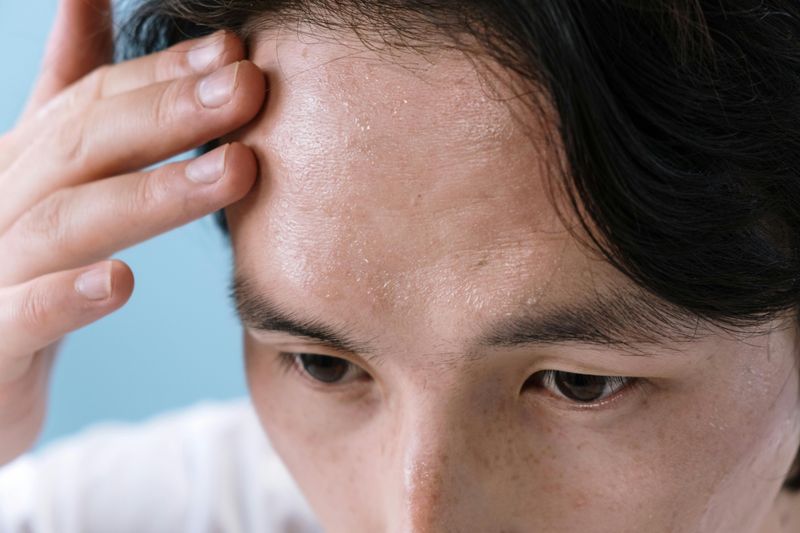
One minute you’re freezing, the next you’re sweating through your shirt.
These rapid temperature swings aren’t just for people going through menopause—anxiety causes them too.
Your autonomic nervous system, which controls body temperature, goes haywire when stress hormones flood your system.
Adrenaline causes blood vessels to dilate and constrict unpredictably, creating waves of heat followed by chills.
It’s like your internal thermostat is broken, constantly adjusting but never quite getting it right.
Wearing layers that you can easily remove, staying hydrated, and using cooling techniques like cold compresses can help.
Managing anxiety at its root through therapy or medication often stabilizes these temperature fluctuations over time.
10. Persistent Lump-in-Throat Sensation
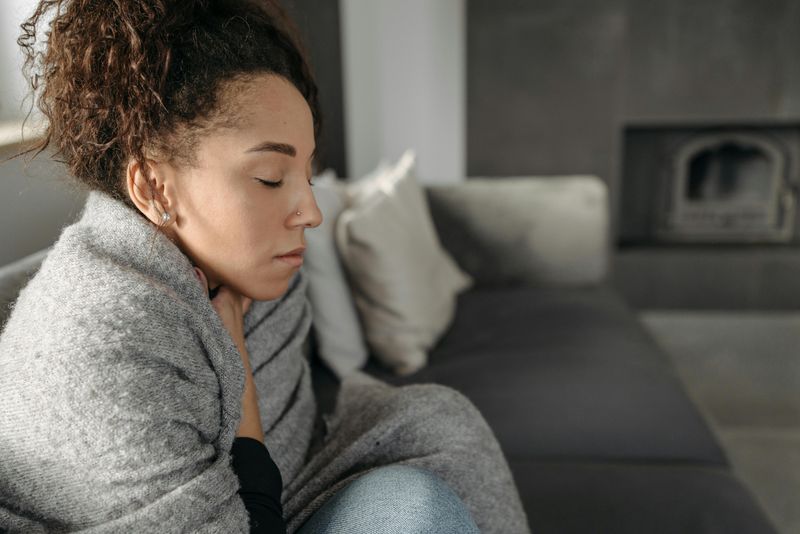
Something feels stuck in your throat even though you haven’t eaten anything.
This sensation, called globus pharyngeus, happens when anxiety causes the muscles in your throat to tighten up.
Swallowing repeatedly doesn’t help because there’s nothing actually there.
Stress makes you hyperaware of normal throat sensations, and the more you focus on it, the worse it feels.
Tension in your neck and throat muscles from holding stress creates that uncomfortable lump feeling that can last for hours or days.
Throat relaxation exercises, warm liquids, and distraction techniques can ease the sensation.
Addressing anxiety through counseling or stress management usually makes this symptom disappear completely once you’re calmer.
11. Tingling or Numbness in Your Limbs

Pins and needles crawling up your arms or legs can feel downright scary, but anxiety is often the culprit.
When you’re anxious, you tend to breathe rapidly and shallowly, which changes the carbon dioxide levels in your blood.
This causes temporary tingling or numbness, especially in your hands, feet, and around your mouth.
Muscle tension from anxiety can also compress nerves, creating that prickly sensation.
Poor circulation from stress compounds the problem, making extremities feel weird and disconnected.
Controlled breathing exercises immediately help by restoring proper oxygen and carbon dioxide balance.
Regular movement, stretching, and anxiety management prevent these episodes from happening frequently.
Comments
Loading…