
 Isabel Parker
10 Habits of Highly Anxious Minds That Seem Strange to Others

Anxiety doesn’t always look the way people expect. Sometimes it shows up in quirky behaviors that might confuse friends or family members who don’t experience it themselves. Understanding these unusual habits can help anxious individuals feel less alone and help others respond with more compassion and patience.
1. Checking Things Over and Over Again

Some people with anxiety feel an overwhelming need to double-check locks, appliances, or alarms even when they know everything is fine.
This repetitive behavior helps calm the racing thoughts telling them something terrible might happen.
Friends might roll their eyes when someone checks the stove for the third time, but this ritual provides genuine relief.
The anxious brain struggles to trust its own memory and judgment.
Breaking this cycle takes time and patience, often requiring professional help.
Understanding that these checks aren’t about being forgetful but about managing overwhelming worry can help others respond with kindness instead of frustration.
2. Canceling Plans at the Last Minute

Anxious individuals might enthusiastically agree to social events, then cancel right before they’re supposed to go.
This isn’t about being flaky or rude.
As the event approaches, anxiety builds like a pressure cooker until staying home feels like the only option.
The thought of socializing becomes exhausting rather than fun.
Physical symptoms like nausea or racing heartbeat can make leaving the house feel impossible.
Many people feel terrible guilt about bailing on friends but simply can’t push through the overwhelming discomfort.
Recognizing this pattern helps both anxious people and their loved ones find better ways to make flexible plans.
3. Overthinking Every Conversation

After any social interaction, anxious minds replay conversations like a movie stuck on repeat.
They analyze every word they said, searching for mistakes or signs that someone might be upset with them.
A simple comment like “see you later” gets dissected for hidden meanings.
This mental replay can last hours or even days after a conversation ends.
Most people move on quickly, but anxious brains hold onto interactions like evidence in a court case.
This habit exhausts mental energy and makes future social situations even more stressful.
Learning to let go of these thought spirals is a key part of managing anxiety effectively.
4. Avoiding Eye Contact

Making direct eye contact can feel intensely uncomfortable for people with anxiety.
Their eyes might dart away or focus on something else during conversations.
This isn’t about being rude or disinterested—it’s about managing sensory overload.
Direct eye contact can feel too intimate or overwhelming, like someone is reading their thoughts.
Others might misinterpret this as dishonesty or lack of confidence.
In reality, avoiding eye contact helps anxious people concentrate on the conversation without additional stress.
Some cultures actually consider less eye contact more respectful, showing how arbitrary these social rules can be.
Patience and understanding go a long way here.
5. Constantly Saying Sorry

Anxious people apologize for everything, even things that aren’t their fault or don’t require an apology.
They say sorry for taking up space, asking questions, or simply existing in a room.
This habit comes from deep-seated fear of being a burden or causing problems.
Their brains constantly scan for signs they’ve done something wrong.
Excessive apologizing becomes a protective shield against potential criticism.
Others might find this annoying or confusing, not understanding the internal pressure driving it.
Learning to recognize unnecessary apologies is an important step toward building healthier self-esteem and reducing anxiety’s grip on daily interactions.
6. Needing Detailed Plans for Everything

Spontaneity feels terrifying when you have an anxious mind that craves control and predictability.
These individuals need to know exactly what’s happening, when, where, and who will be there.
Surprises aren’t fun—they’re potential disasters waiting to unfold.
Having a detailed plan provides a sense of safety and preparedness.
When plans change unexpectedly, anxiety can spike dramatically.
Friends who prefer going with the flow might find this rigid planning frustrating.
But understanding that structure reduces anxiety helps everyone work together better.
Flexibility is hard when your brain is always preparing for worst-case scenarios that probably won’t happen.
7. Picking at Skin or Nails

Nervous habits like picking at cuticles, biting nails, or scratching skin provide temporary relief from internal tension.
These repetitive behaviors help anxious minds focus on something physical instead of racing thoughts.
Unfortunately, they often cause damage that leads to embarrassment and more anxiety.
People might not even realize they’re doing it until someone points it out or they notice bleeding.
The urge feels almost impossible to resist during high-stress moments.
Others see these habits as gross or childish, not understanding the compulsive nature behind them.
Finding healthier coping mechanisms takes conscious effort and sometimes professional guidance to break these deeply ingrained patterns.
8. Preparing for Disasters That Never Happen

Anxious individuals often maintain elaborate emergency plans for unlikely scenarios.
They might keep extra supplies, map out escape routes, or rehearse what they’d do during various disasters.
This preparation feels necessary even though most feared events never occur.
Their brains constantly ask “what if” and demand answers backed by concrete plans.
While some preparedness is smart, anxiety takes it to exhausting extremes.
Friends might joke about their paranoia, but this behavior provides genuine comfort.
The challenge is finding balance between reasonable caution and letting anxiety control your life through endless worst-case scenario planning.
9. Struggling to Make Simple Decisions
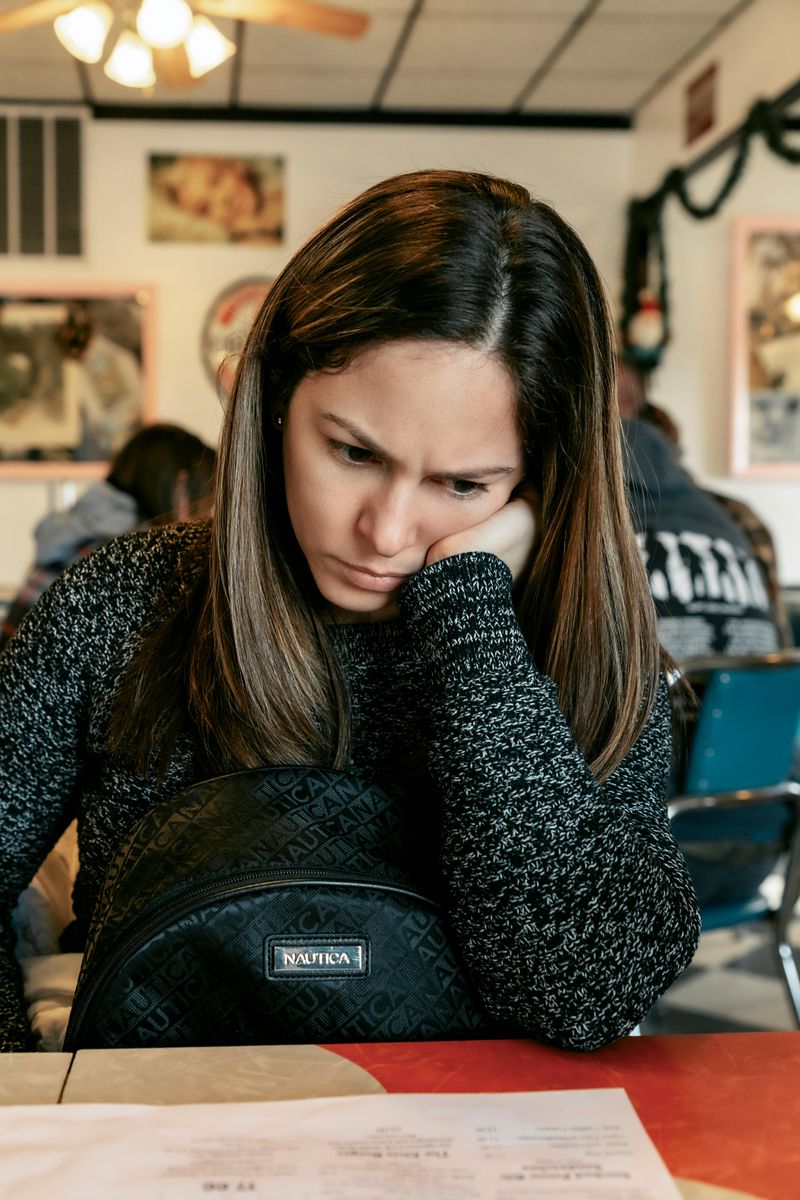
Choosing what to eat, wear, or watch becomes surprisingly difficult when anxiety is involved.
Every option carries potential consequences that the anxious brain magnifies into major problems.
What if they make the wrong choice and regret it?
This decision paralysis frustrates both the anxious person and those waiting for an answer.
Simple choices feel weighted with importance they don’t actually have.
The fear of making mistakes extends to even trivial decisions.
Others might think they’re just being annoying or picky.
In reality, their brain is working overtime analyzing every possible outcome, making quick decisions feel nearly impossible without significant mental effort.
10. Seeking Constant Reassurance

Anxious people frequently ask if everything is okay, if someone is mad at them, or if they did something wrong.
Even after receiving reassurance, the relief only lasts temporarily before doubts creep back in.
They need to hear again that things are fine.
This constant need for validation can exhaust friends and family members.
The anxious brain simply doesn’t trust positive feedback and keeps searching for confirmation.
Others might wonder why their words don’t seem to help or stick.
Understanding that anxiety creates persistent doubt helps loved ones respond with patience rather than irritation when the same questions arise repeatedly.
Comments
Loading…