
 Mary Murphy
10 Healthy Foods That Are Actually Worse for You Than a Slice of Cake

That slice of chocolate cake might seem like the ultimate diet villain, but some foods hiding in the health aisle could be even sneakier.
Many products marketed as nutritious choices pack more sugar, calories, and processed ingredients than traditional desserts.
Understanding which so-called healthy options might be sabotaging your wellness goals can help you make smarter choices at the grocery store.
1. Flavored Yogurt
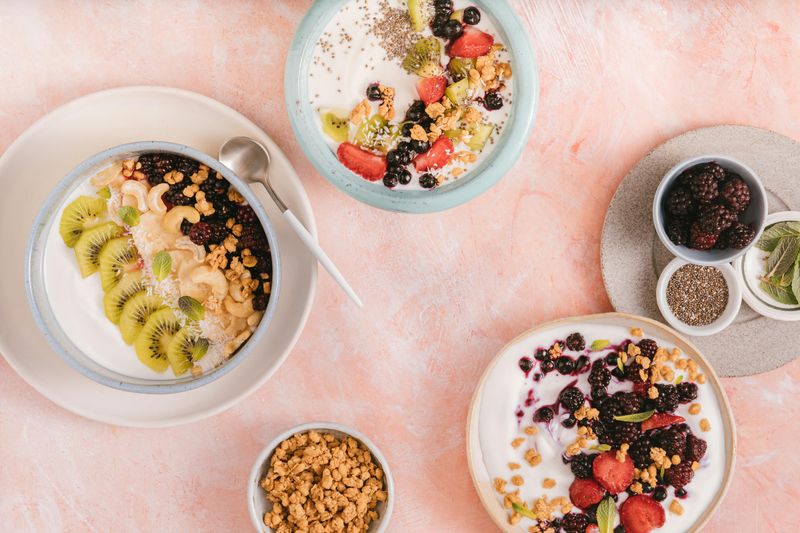
Your morning yogurt might be hiding a sweet secret.
That innocent-looking strawberry yogurt cup often contains around 15 grams of added sugar, which rivals or exceeds what you’d find in a typical slice of cake.
Manufacturers load these products with sweeteners to make them taste like dessert.
The fruit flavoring usually comes from concentrates and artificial ingredients rather than real berries.
Plain Greek yogurt with fresh fruit offers all the protein and probiotics without the sugar overload.
You control exactly how much natural sweetness goes into your breakfast bowl this way.
2. Granola Bars
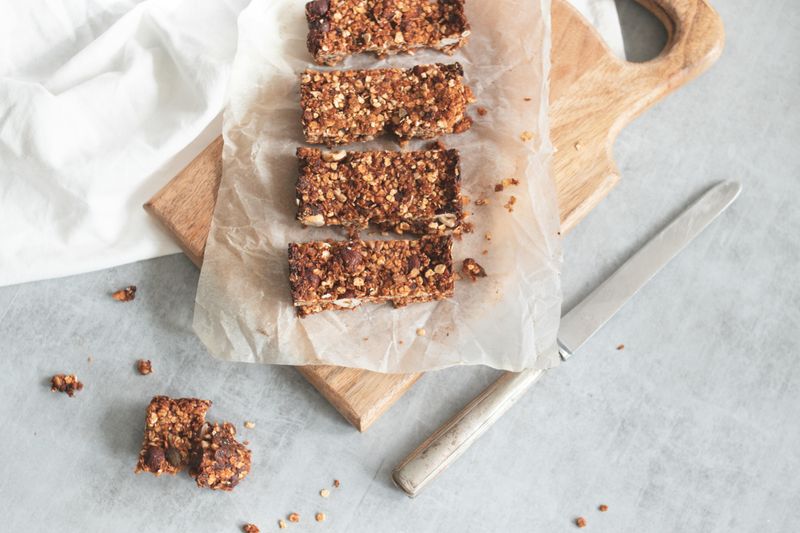
Convenience comes at a price when you grab that granola bar.
These portable snacks frequently pack 7 grams of added sugar and nearly 300 calories into a small package that leaves you hungry an hour later.
The binding agents holding those oats together?
Usually corn syrup, honey, or other concentrated sweeteners that spike your blood sugar fast.
Many varieties contain more chocolate chips than actual nutritious ingredients.
Homemade versions let you skip the mystery ingredients and control portions.
Mix rolled oats with nuts, seeds, and just enough honey to hold everything together for a genuinely healthy alternative.
3. Veggie Chips
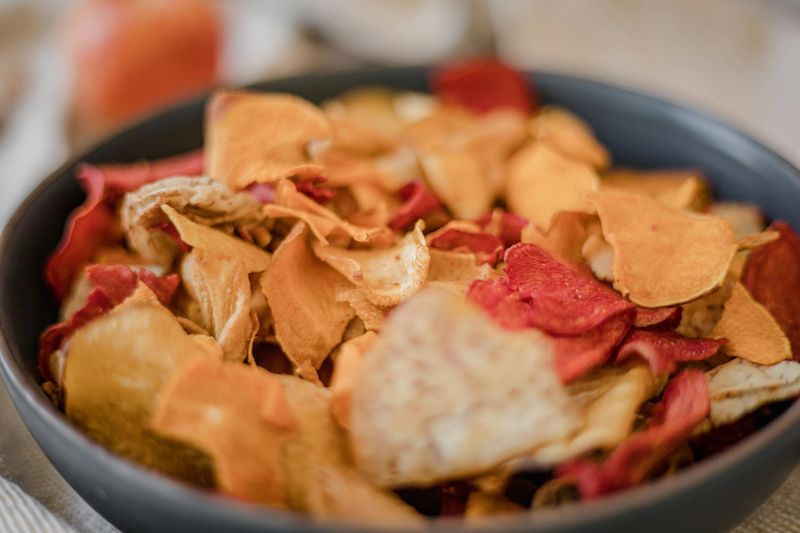
Don’t let the vegetable imagery fool you.
Most veggie chips start with potato or corn flour, then add a sprinkle of vegetable powder for color and marketing appeal.
Nutritionally, they mirror regular potato chips with high sodium levels and unhealthy fats from deep frying.
The actual vegetable content provides minimal vitamins or fiber compared to eating real carrots or beets.
Baking thin slices of sweet potato, beet, or zucchini at home creates genuinely nutritious chips.
Season them with herbs and a light brush of olive oil for authentic vegetable benefits without the processing.
4. Multigrain Bread
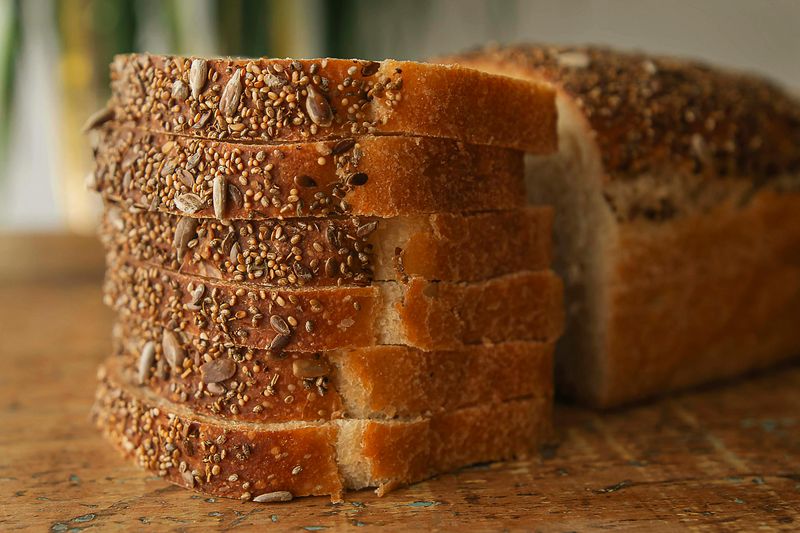
Reading labels matters more than catchy names on packaging.
Multigrain simply means multiple grains were used, but those grains might all be refined white flour stripped of nutrients.
Without whole grains, you’re missing the fiber, vitamins, and minerals that make bread a worthwhile carbohydrate choice.
The seeds sprinkled on top look healthy but don’t compensate for refined flour inside.
Look specifically for “100% whole grain” or “100% whole wheat” as the first ingredient listed.
This ensures you’re getting the complete grain kernel with all its nutritional benefits intact for sustained energy.
5. Reduced-Fat Peanut Butter
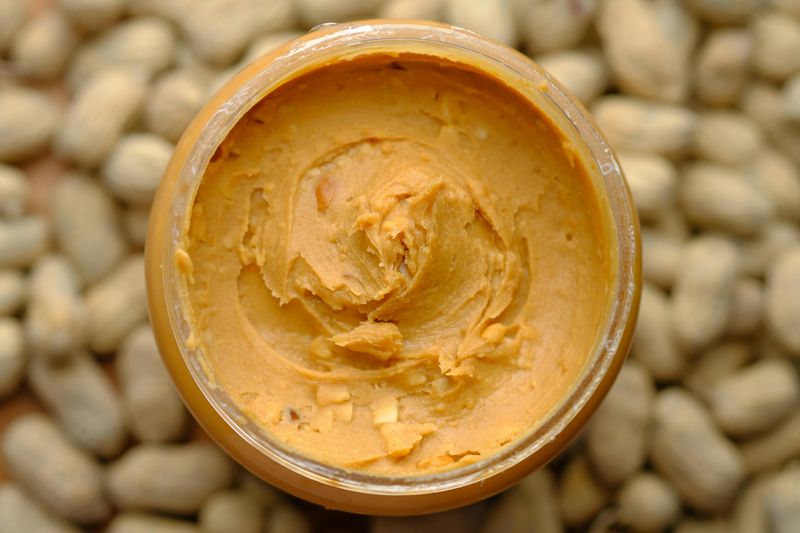
Fat reduction often means sugar addition in the peanut butter world.
When manufacturers remove the natural fats that make peanut butter creamy and satisfying, they replace them with extra sugar to maintain flavor appeal.
Natural peanut fats are actually heart-healthy monounsaturated fats that help you feel full.
The reduced-fat version might have slightly fewer calories but delivers less nutritional value overall.
Choose natural peanut butter with just two ingredients: peanuts and maybe salt.
The oil separation is normal and easily fixed with a quick stir for creamy, genuinely nutritious spreading.
6. Store-Bought Smoothies
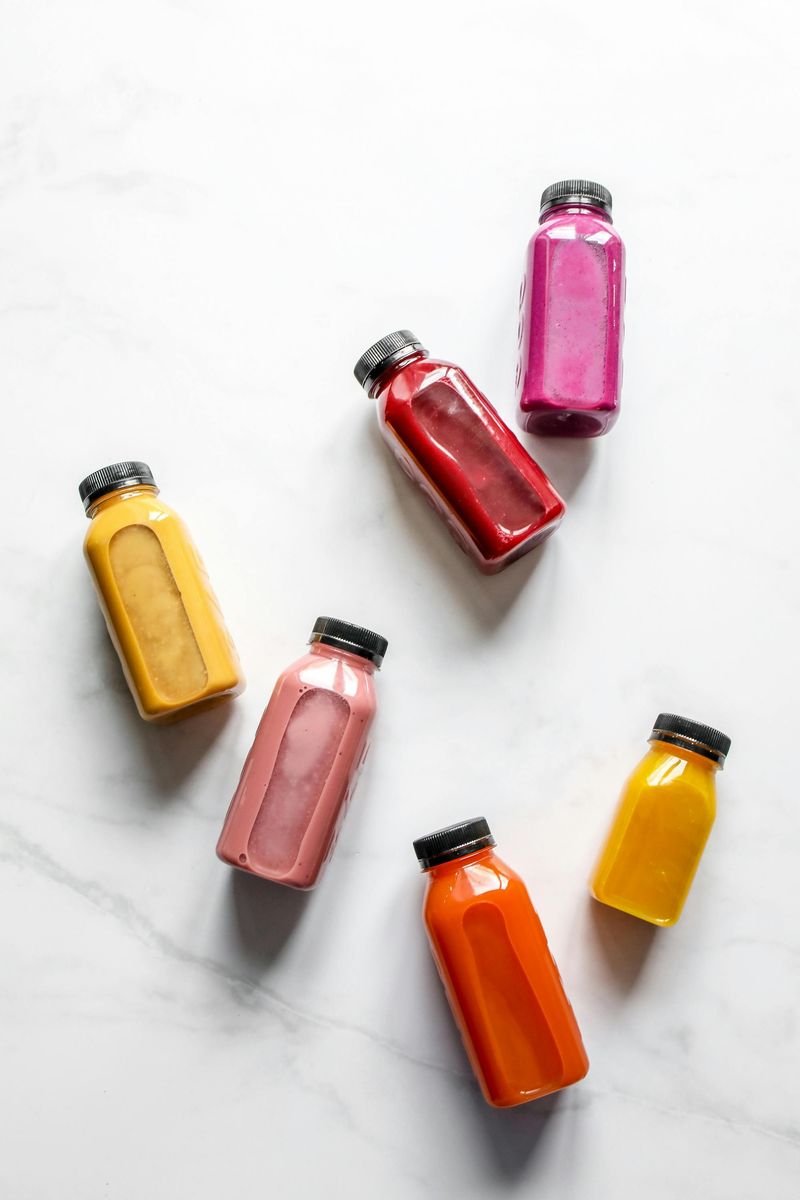
Bottled smoothies promise fruit-filled nutrition but often deliver liquid candy instead.
A single bottle can contain 50 grams of sugar or more, surpassing what you’d consume eating several pieces of whole fruit.
The fiber gets broken down during processing, removing one of fruit’s main health benefits.
Added fruit juices and concentrates pile on extra sugar without providing satiation or nutritional value.
Blending your own smoothies takes five minutes and preserves all the fiber while controlling sugar content.
Throw in some spinach, use whole fruits, and add Greek yogurt for protein that actually keeps you satisfied.
7. Granola
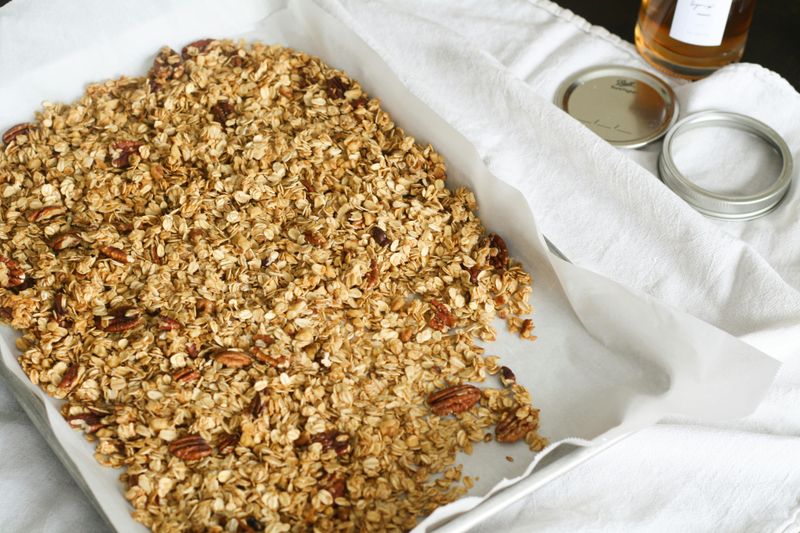
Granola earns health food status from its whole grain base, but the execution often goes sideways.
Commercial varieties get coated in oils and sweeteners that transform humble oats into calorie-dense clusters rivaling dessert.
A typical serving delivers 300 calories or more with added sugars that cancel out the fiber benefits.
Those delicious clusters binding together?
Usually made possible by generous amounts of honey, maple syrup, or brown sugar.
Creating homemade granola gives you complete control over sweetness and fat content.
Toast oats with a modest amount of oil and natural sweetener, then add nuts and unsweetened dried fruit after baking.
8. Protein Bars
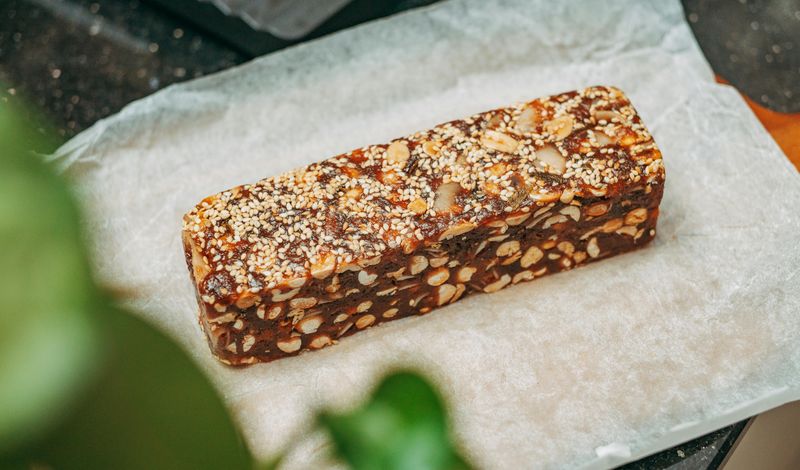
The protein bar aisle resembles a candy store for a reason.
Many bars contain as much sugar as traditional candy bars, disguised behind health claims and athletic packaging that suggests nutritional superiority.
Artificial ingredients, sugar alcohols, and excessive processing make these convenient snacks questionable fuel for your body.
The protein content doesn’t automatically offset the other problematic ingredients lurking inside.
Reading ingredient lists helps identify bars with minimal added sugars and recognizable components.
Better yet, make energy bites at home using dates, nuts, and protein powder for genuinely clean post-workout fuel.
9. Sports Drinks

Unless you’re running marathons, sports drinks probably aren’t necessary.
These electrolyte beverages were designed for endurance athletes losing significant minerals through sweat, not casual gym-goers or office workers.
A typical bottle contains 20-30 grams of added sugar and artificial colors that provide zero nutritional benefit.
For most people, plain water hydrates just as effectively without the sugar rush and crash.
Save sports drinks for genuinely intense, prolonged exercise lasting over an hour.
For regular workouts, water does the job perfectly while keeping your sugar intake under control throughout the day.
10. Gluten-Free Snacks
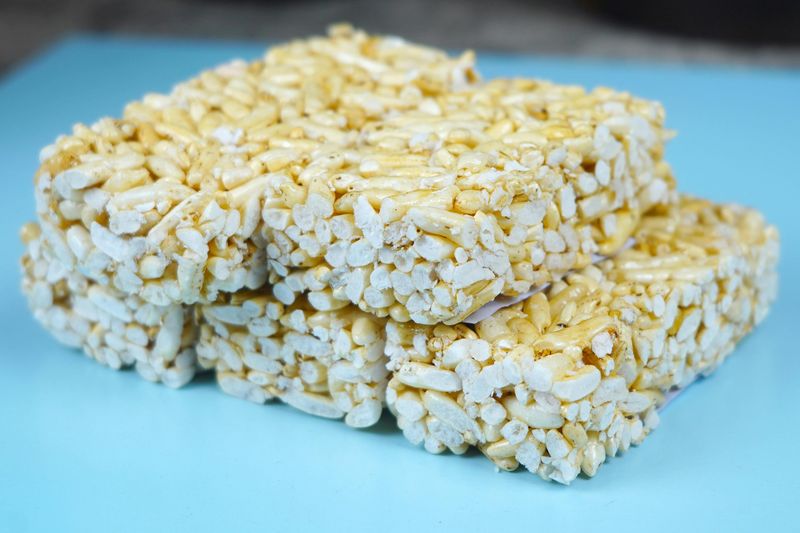
Gluten-free doesn’t automatically mean healthier unless you have celiac disease or genuine gluten sensitivity.
Manufacturers often compensate for gluten’s absence by adding extra sugar, unhealthy fats, and refined starches to improve texture and taste.
These processed alternatives frequently contain fewer nutrients and more calories than their gluten-containing counterparts.
The rice flour and starches used as substitutes can spike blood sugar faster than whole wheat.
Focus on naturally gluten-free whole foods like fruits, vegetables, and quinoa instead of processed substitutes.
If you don’t medically need to avoid gluten, choosing whole grain options provides better nutrition overall.
Comments
Loading…