
 Harper Hall
15 Stereotypes About Older People That Turn Out to Be Surprisingly Accurate
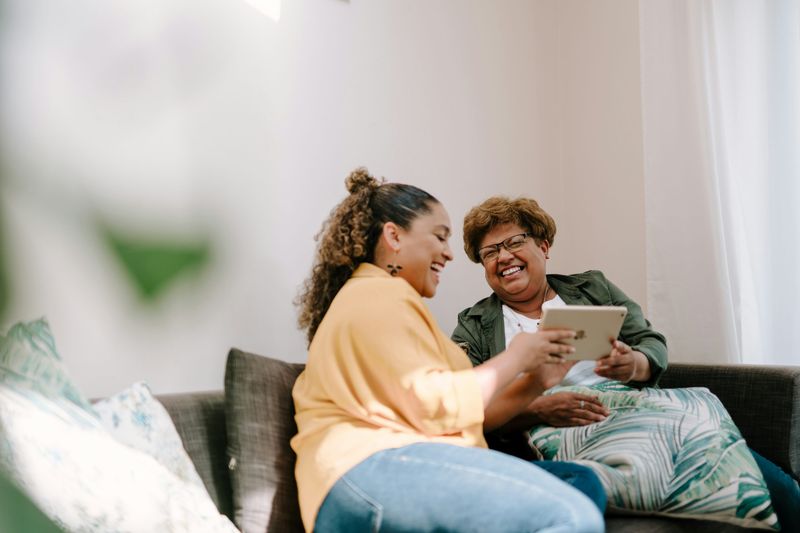
Ever notice how some stereotypes about older folks keep popping up in conversations and jokes?
While we should never judge anyone based on age alone, research and everyday observations show that certain common beliefs about seniors actually have some truth to them.
Many of these patterns come from real changes that happen as we age, both physically and mentally.
Understanding which stereotypes hold water can help us appreciate the aging process and connect better with the older people in our lives.
1. The Early Bird Special Isn’t Just a Marketing Gimmick

Walk into any restaurant around 4:30 PM and you’ll likely spot tables full of silver-haired diners.
Older adults genuinely prefer eating dinner earlier than younger generations.
This habit stems from changes in circadian rhythms that happen with age.
Their bodies naturally shift toward earlier sleep and wake times, making them hungry for dinner when most people are just thinking about leaving work.
Many seniors also find that eating lighter meals earlier helps with digestion and sleep quality.
Plus, restaurants often offer senior discounts during slower afternoon hours, making it a win-win situation for everyone involved.
2. They Really Do Keep the Thermostat Cranked Up

Visit grandma’s house in summer and you might start sweating within minutes.
Older people constantly feeling cold isn’t just them being difficult about temperature preferences.
As we age, our metabolism slows down significantly, producing less body heat naturally.
Blood circulation also decreases, making hands, feet, and other extremities feel perpetually chilly.
Layer on thinner skin and less body fat for insulation, and you’ve got a recipe for constant shivers.
Research shows that people over 65 have a harder time regulating body temperature.
What feels comfortable to them might feel like a sauna to younger visitors, but their need for warmth is very real.
3. Hard Candies Mysteriously Appear From Nowhere

Reach into any senior’s purse or coat pocket and you’ll probably find wrapped candies.
This stereotype exists because older adults genuinely love keeping hard candies handy for themselves and others.
Taste buds naturally decrease with age, making foods seem blander than they used to be.
Hard candies provide intense, long-lasting flavor that older people can actually taste and enjoy.
The slow-dissolving nature also combats dry mouth, a common issue caused by medications many seniors take daily.
These treats also serve as social currency.
Offering candy to grandkids or fellow seniors creates connections and moments of shared sweetness that brighten everyone’s day.
4. Stories Get Told Over and Over Again
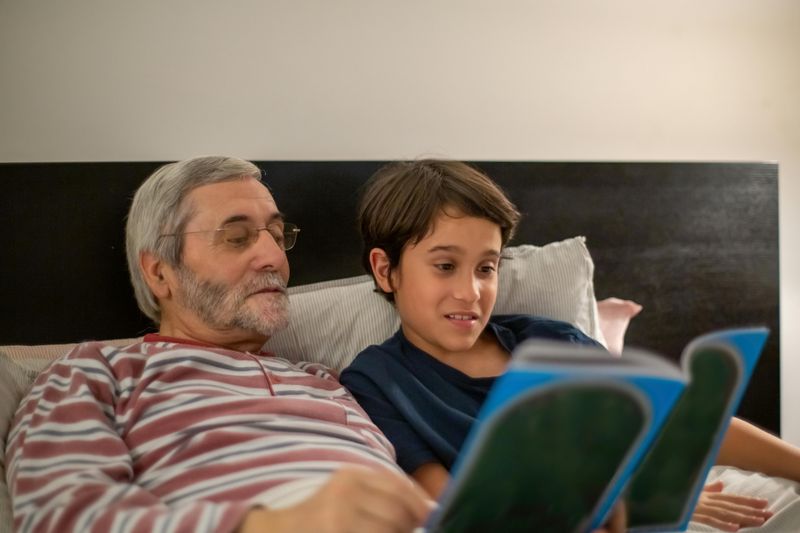
You’ve heard about your grandpa’s military service approximately forty-seven times.
Before rolling your eyes, understand that story repetition happens for legitimate neurological reasons in older adults.
Memory formation and retrieval change with age.
While long-term memories from decades ago remain crystal clear, older people often forget which stories they’ve already shared recently.
Their brains prioritize meaningful past experiences over tracking recent conversations.
These repeated stories also serve an important purpose.
Sharing formative life experiences helps seniors maintain their identity and pass down family history.
Each telling reinforces their sense of self and creates connections across generations, even if younger listeners have heard it all before.
5. Morning Comes Ridiculously Early for Them
Five o’clock in the morning seems like an ungodly hour to most people.
For older adults, it’s prime time to start the day fresh and energized.
Biological changes shift sleep patterns significantly as we age.
Seniors produce less melatonin, the hormone that makes us drowsy at night.
Their sleep also becomes lighter and more fragmented, causing earlier natural wake times regardless of when they went to bed.
Many older folks embrace this early schedule rather than fight it.
Morning hours offer quiet time for coffee, newspapers, and getting errands done before crowds appear.
This isn’t stubbornness but biology dictating a new daily rhythm that works with their changing bodies.
6. Cash Is Still King in Their Wallets

Watch seniors at the grocery store and you’ll notice many still pay with actual dollar bills.
Credit cards and digital payment apps haven’t replaced cold, hard cash for this generation.
Growing up before widespread credit card use created lasting money habits.
Paying with physical money makes spending feel more real and helps with budgeting when you can literally see your funds decreasing.
Many older adults also distrust banks and technology after living through economic downturns that shook their financial security.
Security concerns about identity theft and hacking make cash seem safer too.
When you hand over bills, nobody can steal your card information or drain your bank account electronically.
7. They Move at Their Own Leisurely Pace
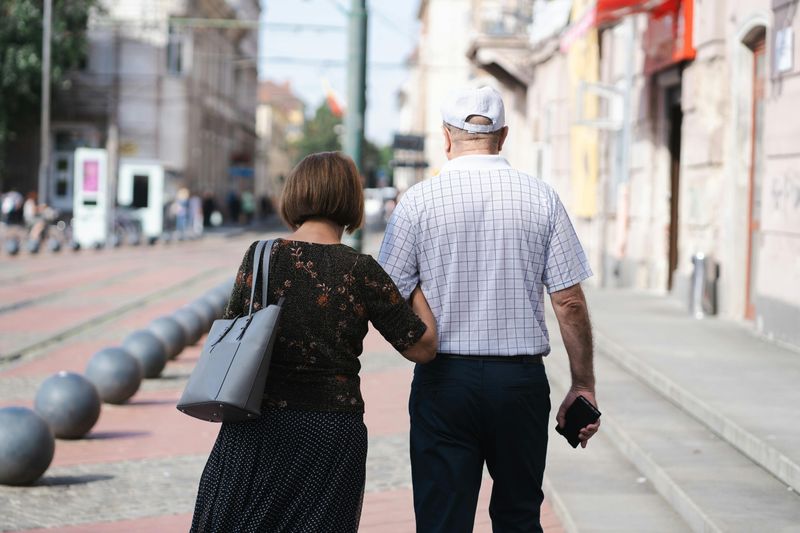
Getting stuck behind a slow-moving senior citizen in the grocery aisle tests everyone’s patience sometimes.
However, their reduced walking speed isn’t intentional dawdling but a necessary adaptation to physical changes.
Balance becomes trickier with age as inner ear function declines and muscle strength decreases.
Moving more deliberately helps prevent dangerous falls that could lead to broken bones and hospitalization.
Vision changes also mean older people need more time to process their surroundings and navigate obstacles safely.
Joint pain from arthritis makes quick movements uncomfortable or downright painful.
What looks like slowness is actually careful, measured movement that keeps them independent and injury-free for longer.
8. Grandkids Become Their Favorite Conversation Topic
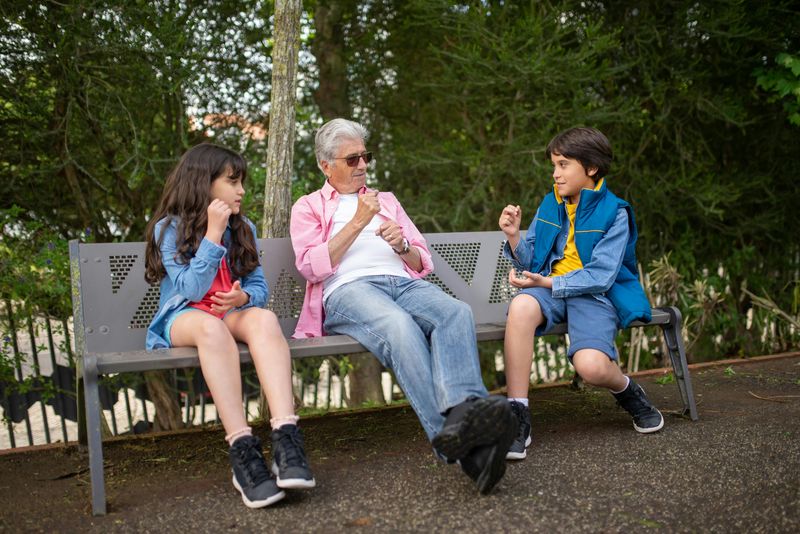
Ask any senior how they’re doing and prepare for a complete rundown of their grandchildren’s activities.
This obsession with talking about grandkids is absolutely real and stems from genuine pride and purpose.
Retirement often leaves a void where career identity and daily structure used to be.
Grandchildren fill that space by giving seniors a renewed sense of purpose and investment in the future.
Watching younger generations grow provides joy and meaning during life’s later chapters.
Bragging about grandkids also serves as social connection between seniors.
Comparing grandchildren’s achievements and milestones creates common ground for conversation and builds community bonds among older adults who share this special role.
9. Advice Flows Freely Whether You Asked or Not
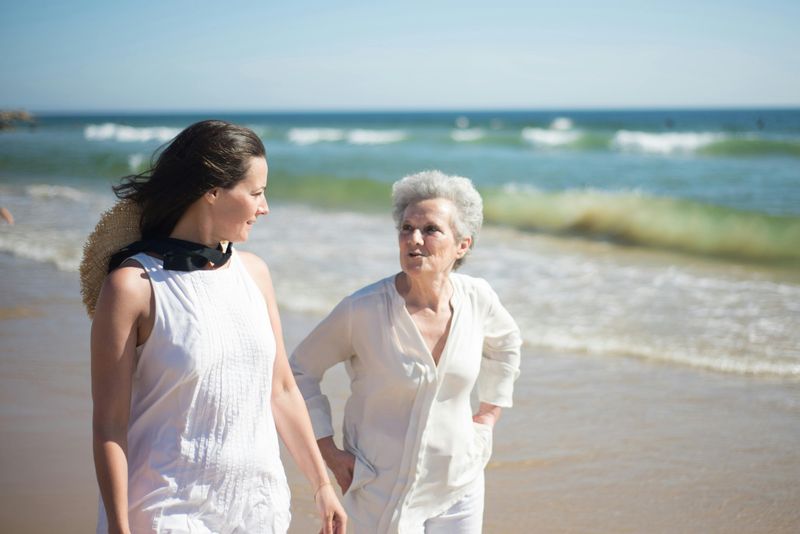
Mention any life situation around older relatives and brace yourself for unsolicited wisdom.
Seniors genuinely can’t help sharing advice because decades of experience make them feel obligated to help younger people avoid mistakes.
Life experience creates pattern recognition that younger folks haven’t developed yet.
When older adults see situations that remind them of their own past, they feel compelled to share lessons learned.
From their perspective, staying quiet when they could prevent someone’s hardship seems selfish and irresponsible.
Cultural expectations also play a role.
Many older adults grew up in times when respecting elders and seeking their counsel was expected.
They’re simply continuing traditions that felt normal throughout their lives.
10. Layers Upon Layers of Clothing Become Standard
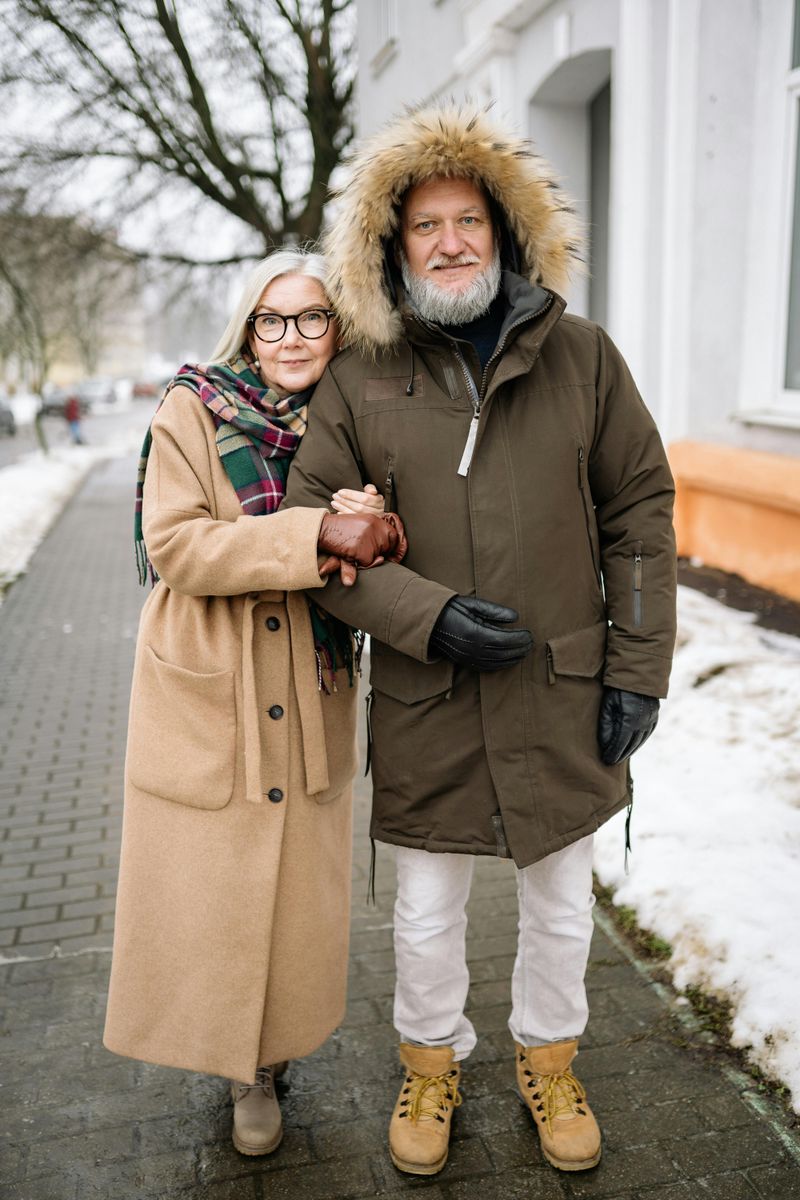
Older people wearing cardigans over sweaters over shirts in seemingly warm weather looks excessive.
Their layered fashion choices reflect genuine temperature regulation struggles rather than fashion statements.
Decreased circulation means their body temperature fluctuates unpredictably throughout the day.
Layers provide flexibility to add or remove clothing as needed without completely changing outfits.
This practical approach helps them stay comfortable despite constantly shifting internal thermostats.
Thinner skin and reduced body fat mean less natural insulation against temperature changes.
What younger people find comfortable often leaves seniors shivering.
Multiple clothing layers trap warm air and provide the extra insulation their bodies no longer produce naturally through metabolism alone.
11. Nothing Goes to Waste in Their Homes
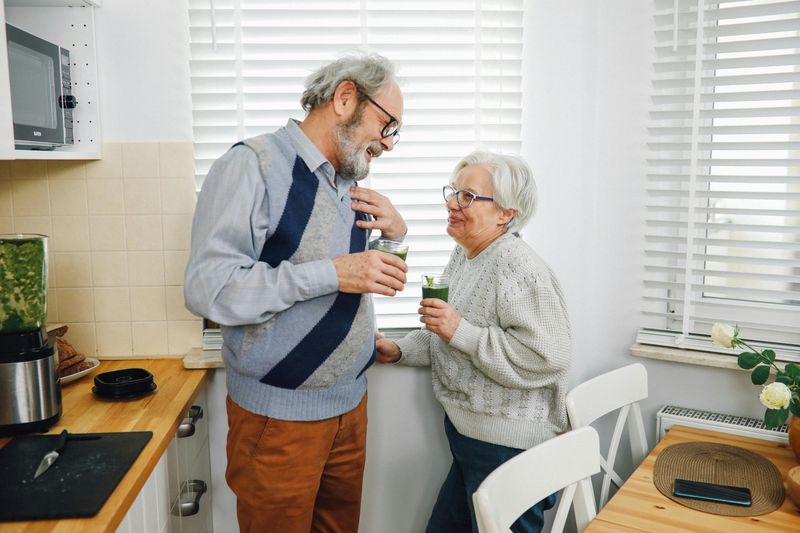
Open a senior’s kitchen cabinets and you’ll find carefully washed butter tubs, folded shopping bags, and rubber bands saved from newspapers.
This extreme frugality isn’t hoarding but learned behavior from harder times.
Many older adults lived through economic depression, wartime rationing, or severe poverty that taught them to value every resource.
These experiences created lifelong habits of reusing items and finding second purposes for everything.
Throwing away something potentially useful feels wasteful and even morally wrong to them.
Limited fixed incomes in retirement reinforce these thrifty habits.
Saving and reusing items stretches budgets further, allowing seniors to maintain independence without constantly asking for financial help from family members.
12. They Know Everyone’s Business Somehow

Small-town gossip networks often center around older residents who seem to know everything happening in the neighborhood.
This isn’t magic but results from having more time and established social connections throughout the community.
Retirement provides ample time for social activities, volunteer work, and community involvement that create information pipelines.
Seniors often serve as neighborhood watch volunteers simply by being home during daytime hours when working-age people are gone.
Regular routines like morning walks or porch-sitting provide opportunities to observe daily happenings.
Decades of living in one place builds extensive social networks.
When everyone knows you and trusts you, people naturally share news and updates that eventually get connected into broader community knowledge.
13. Patience Levels Reach Zen-Like Status
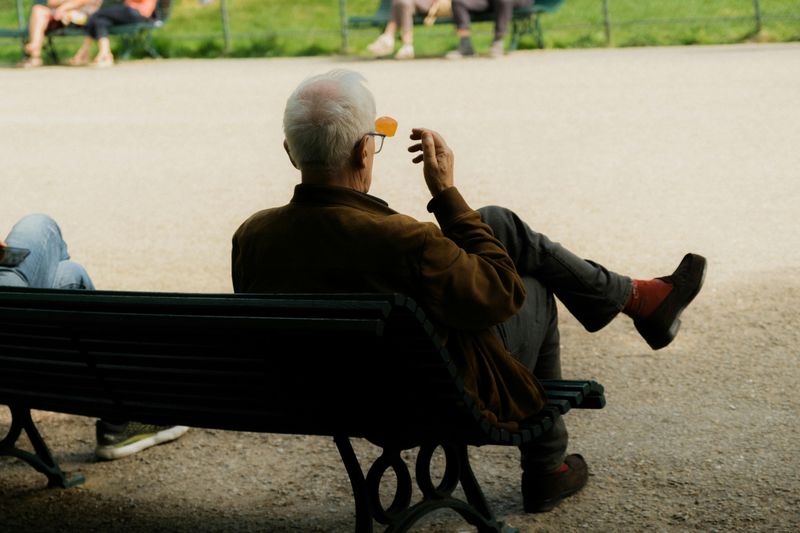
Watch older adults waiting in long lines or dealing with frustrating situations and you’ll notice remarkable calmness.
Years of life experience genuinely do increase patience levels for most seniors.
Perspective changes dramatically after decades of navigating major life challenges.
Minor inconveniences like traffic jams or slow service simply don’t trigger stress responses anymore when you’ve survived job losses, health scares, and raising teenagers.
Time itself feels different when you’ve accumulated so many years of memories.
Brain chemistry also shifts with age.
Emotional regulation improves naturally as the prefrontal cortex matures fully.
Many older adults report feeling less reactive to everyday annoyances that would have bothered them tremendously during younger years.
14. Technology Battles Become Daily Struggles

Your grandmother calling for help setting up her phone isn’t an act.
Older adults genuinely struggle with modern technology for reasons beyond simple stubbornness or unwillingness to learn new things.
Brains become less flexible with age, making it harder to form new neural pathways required for learning completely unfamiliar concepts.
Technology also evolves faster than older people can adapt, with interfaces changing constantly just when they’ve finally mastered the previous version.
This creates frustration and anxiety about using devices.
Many seniors also lack the foundational tech literacy that younger generations absorbed growing up.
Without understanding basic concepts like files, folders, or cloud storage, even simple tasks become confusing puzzles requiring outside help.
15. Complaining About Weather Becomes a Hobby

Every conversation with older relatives somehow circles back to weather commentary.
Whether too hot, too cold, too humid, or too dry, seniors always have weather opinions to share with anyone listening.
Physical sensitivity to weather changes increases dramatically with age.
Arthritis pain worsens before storms due to barometric pressure changes, making weather forecast accuracy personally important.
Temperature extremes affect older bodies more severely, turning weather from casual small talk into legitimate health concerns.
Weather also provides safe, neutral conversation topics that avoid controversial subjects.
Discussing the temperature outside creates easy social connections without risking disagreements about politics, religion, or family matters that might cause tension or awkwardness.
Comments
Loading…