
 Jade Reed
Think about the last time you looked in a mirror.
If you’re a woman, chances are you noticed at least one thing you didn’t like about yourself.
Studies show that women are much more critical of their own bodies compared to men, often focusing on flaws that others don’t even notice.
Understanding why this happens can help us challenge these harsh judgments and build healthier relationships with our bodies.
1. Media Portrays Impossible Standards

Flip through any magazine or watch TV commercials, and you’ll see something striking.
Nearly every woman shown has been airbrushed, edited, or chosen for fitting a very specific look.
These images aren’t real, but our brains don’t always remember that when we’re comparing ourselves.
From childhood, girls see thousands of these altered images.
Over time, this creates an impossible measuring stick for beauty.
Men see idealized images too, but research shows they’re exposed to much more variety in body types and faces in media.
The result?
Women internalize these fake standards as goals they should reach.
When real bodies can’t match photoshopped perfection, self-criticism follows.
2. Social Media Creates Constant Comparison
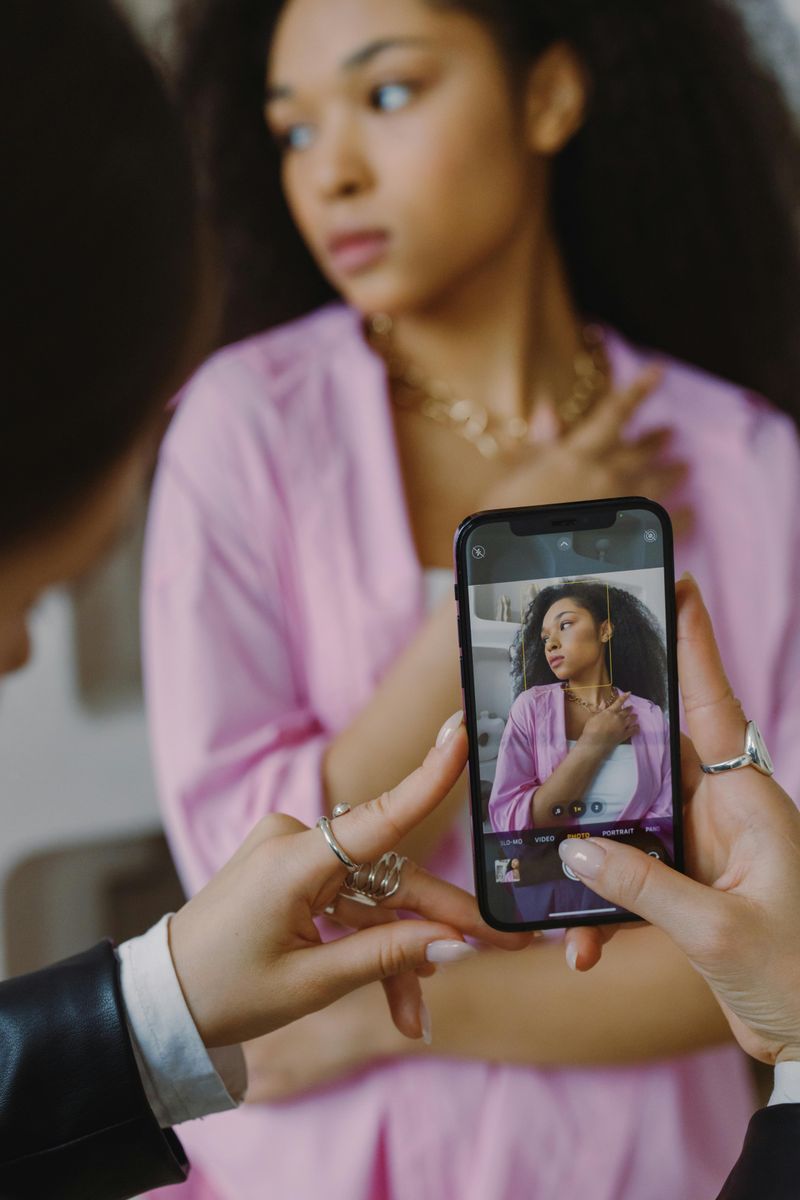
Did you know the average person checks their phone over 90 times daily?
For women, much of that time involves scrolling through carefully curated posts showing only the best angles, filters, and moments.
Unlike old-fashioned magazines, social media feels personal and constant.
Everyone’s posting their highlight reel while we know our own behind-the-scenes reality.
Women report feeling worse about their appearance after just 10 minutes on platforms like Instagram.
The comparison game never stops because there’s always another perfect picture to measure yourself against.
Men use social media differently, often focusing less on appearance-based content and more on hobbies or achievements.
3. Society Values Women’s Appearance More

Here’s an uncomfortable truth: women’s worth gets tied to how they look way more than men’s does.
A male politician can be praised for his ideas while looking disheveled, but a female politician faces criticism about her outfit or hairstyle before anyone discusses her policies.
From job interviews to social gatherings, women receive messages that appearance matters immensely.
Comments about weight, clothing, or aging happen regularly.
This constant evaluation creates pressure to monitor and criticize our own bodies before others do.
Boys grow up hearing they’ll be valued for what they accomplish.
Girls often hear mixed messages that beauty matters just as much, if not more.
4. Early Messages Shape Self-Image

Most women can remember their first negative thought about their body, often happening surprisingly young.
Studies reveal girls as young as six years old express concerns about their weight.
Where does this come from so early?
Daughters watch mothers criticize their own bodies or talk about dieting.
They hear relatives comment on who’s gotten bigger or smaller at family gatherings.
Toys marketed to girls emphasize tiny waists and perfect features.
Even well-meaning adults compliment girls on being pretty more often than being strong, smart, or brave.
These early seeds of body focus grow into lifelong patterns.
Boys typically receive more diverse feedback that isn’t centered on appearance, building different internal voices.
5. One Body Type Gets All the Attention

Walk into most clothing stores and notice something strange.
The mannequins all look remarkably similar, even though real women come in countless shapes and sizes.
For decades, mainstream beauty standards have celebrated one specific body type: tall, thin, with curves in specific places.
This narrow ideal excludes most women, creating a sense that normal bodies are somehow wrong.
Male body ideals have more flexibility and variation.
While men face pressure too, they see more diverse body types represented as attractive and successful.
When 95% of women don’t match the advertised ideal, it’s the standard that’s unrealistic, not the women.
Yet many still blame themselves rather than questioning these limited definitions.
6. Women Face More Objectification
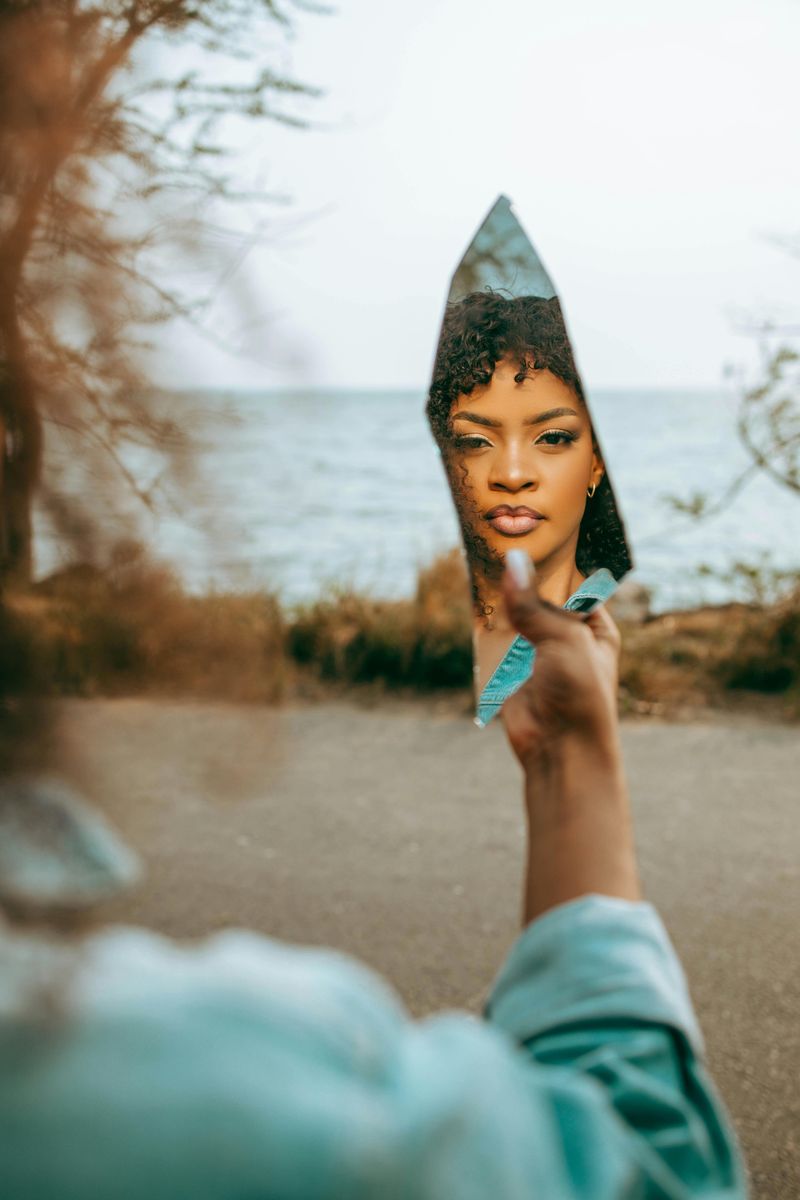
Imagine being reduced to just your appearance regularly.
For many women, this isn’t imagination but daily reality.
From catcalling on streets to inappropriate comments at work, women’s bodies get evaluated publicly in ways men rarely experience.
This objectification teaches women to view themselves from an outside perspective constantly.
Psychologists call it self-objectification, basically monitoring your own body as if you’re always being watched and judged.
It’s exhausting and creates harsh internal critics.
Men can more easily forget about their appearance during the day.
Women often can’t, trained by repeated experiences that their bodies are always on display and subject to others’ opinions and scrutiny.
7. Appearance Affects Opportunities and Treatment
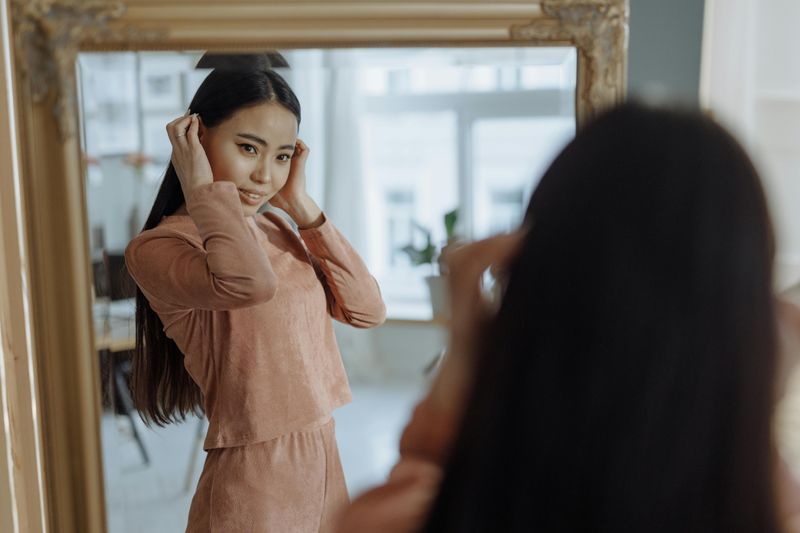
Here’s something that shouldn’t happen but does: research proves that women perceived as more attractive receive better treatment in job interviews, court cases, and even medical care.
This isn’t fair, but it creates real pressure to meet appearance standards.
Women recognize, often subconsciously, that their looks can impact their careers, relationships, and daily interactions.
Studies show conventionally attractive women earn more money and receive faster promotions.
When appearance has tangible consequences, the stakes for meeting beauty standards feel higher.
While appearance affects men too, the effect is significantly stronger for women.
This reality drives intense focus on perceived flaws that might impact opportunities.
Comments
Loading…