
 Jade Reed
Songs Every Boomer Knows — But Most Millennials Don’t
Music has a funny way of marking generations, creating invisible lines between what our parents grew up with and what we know today.
While today’s hits dominate streaming platforms, there’s a whole catalog of songs from the 1960s and early 1970s that shaped an entire generation.
These tracks topped the charts, played at every party, and became the soundtrack of the Baby Boomer era.
Yet many Millennials have never heard these once-iconic tunes that defined American pop culture.
1. The Twist – Chubby Checker
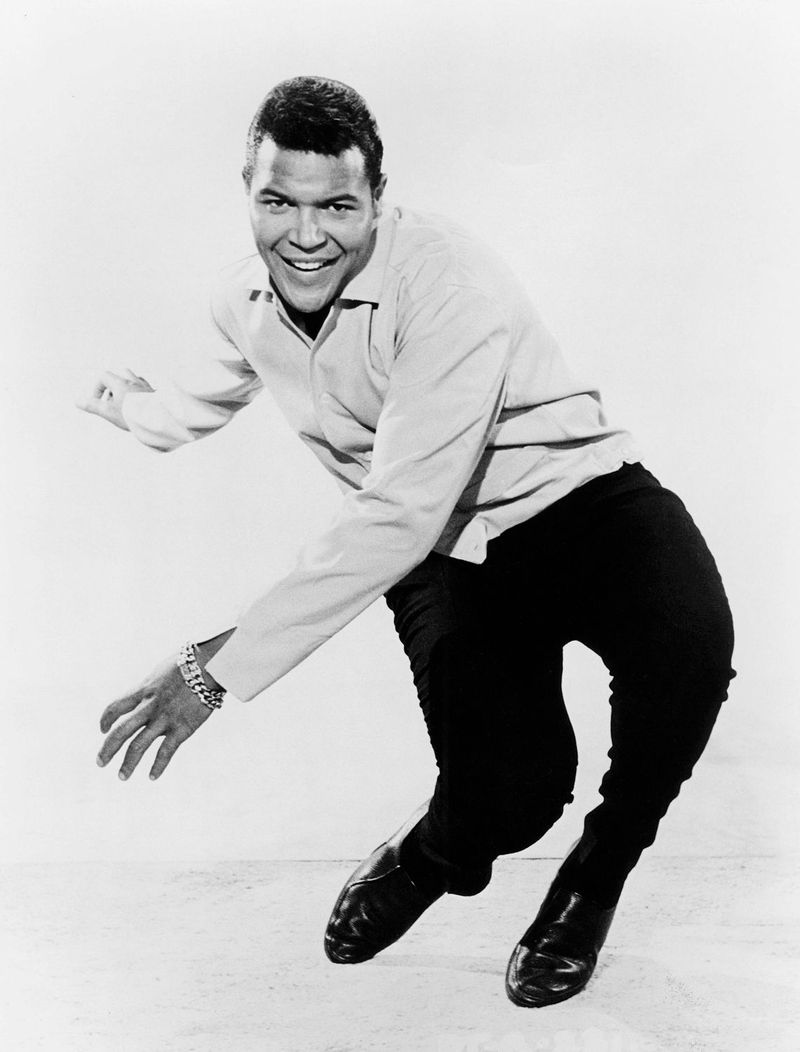
Before dance crazes went viral on TikTok, there was a simple move that had everyone twisting their hips.
Chubby Checker released this upbeat track in 1960, and it became the only song to hit number one twice on the Billboard charts in different years.
The dance was so easy that grandparents and teenagers could do it together at parties.
Radio stations played it constantly, and TV shows featured the twist regularly.
The song’s infectious rhythm made it impossible to sit still.
People would clear furniture from their living rooms just to twist along.
Today’s generation might recognize the basic move, but they probably don’t know the song that started the worldwide dance phenomenon and changed how America moved to music.
2. I Got You Babe – Sonny & Cher
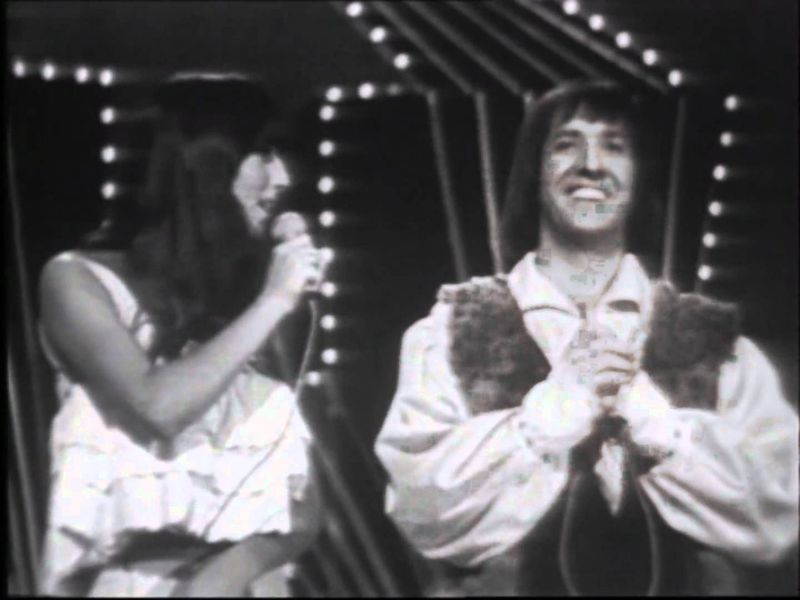
Picture a couple singing directly to each other with genuine affection, their voices blending like honey and warm tea.
This 1965 duet became the ultimate love song for young Boomers who believed in flower power and peace.
Sonny Bono and Cher were more than performers—they were a real-life couple whose chemistry radiated through every note.
The gentle guitar strums and sweet lyrics made this song a wedding favorite for years.
Their matching outfits and long hair represented the counterculture movement taking over America.
Radio DJs couldn’t play it enough.
While Cher remains famous today, most younger listeners have never experienced this tender ballad that symbolized young love in the sixties.
3. Paint It Black – The Rolling Stones
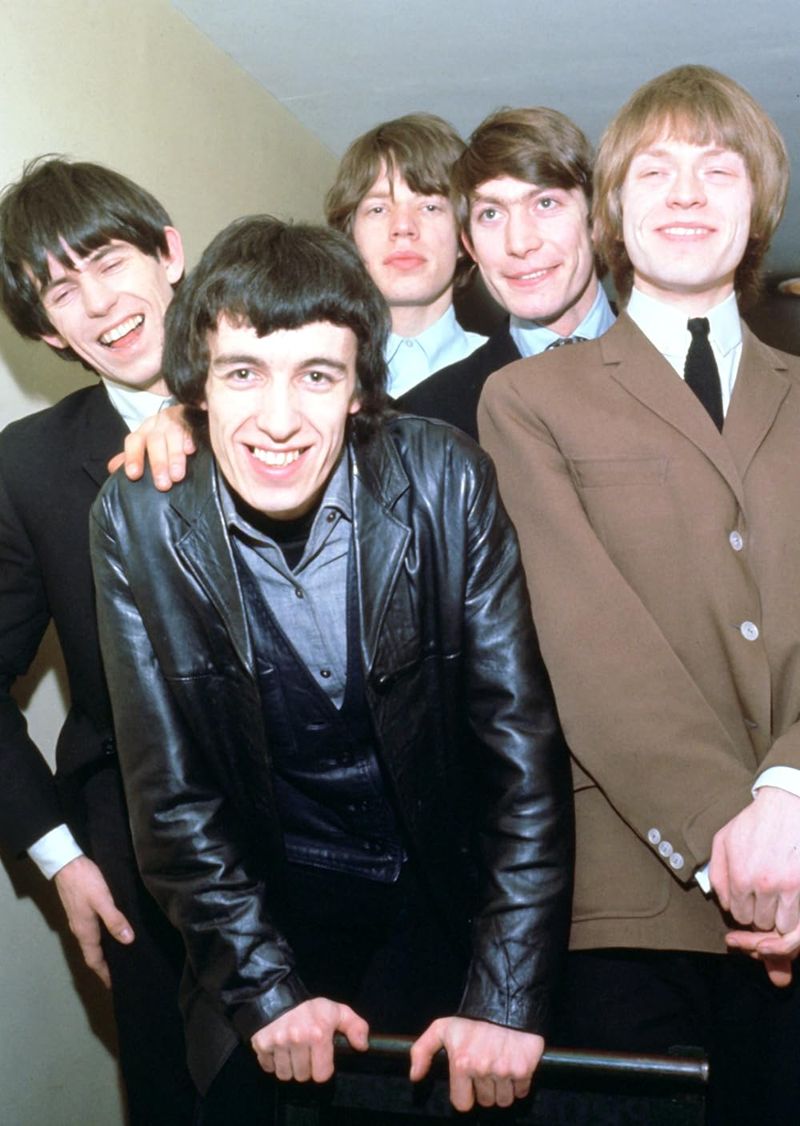
Raw guitar riffs crash against a haunting sitar melody, creating something completely different from typical pop radio.
The Rolling Stones unleashed this dark masterpiece in 1966, exploring themes of grief and depression that most songs avoided.
Mick Jagger’s angry vocals matched the frustration many young people felt during turbulent times.
That distinctive sitar sound was revolutionary, bringing Eastern instruments into Western rock music.
The song’s relentless energy and black-painted imagery shocked some parents while captivating their children.
It became an anthem for rebellion.
Vietnam War footage often played alongside this track on television.
Its powerful message about wanting to paint everything black after losing someone resonated deeply with a generation facing uncertain times.
4. A Whiter Shade of Pale – Procol Harum
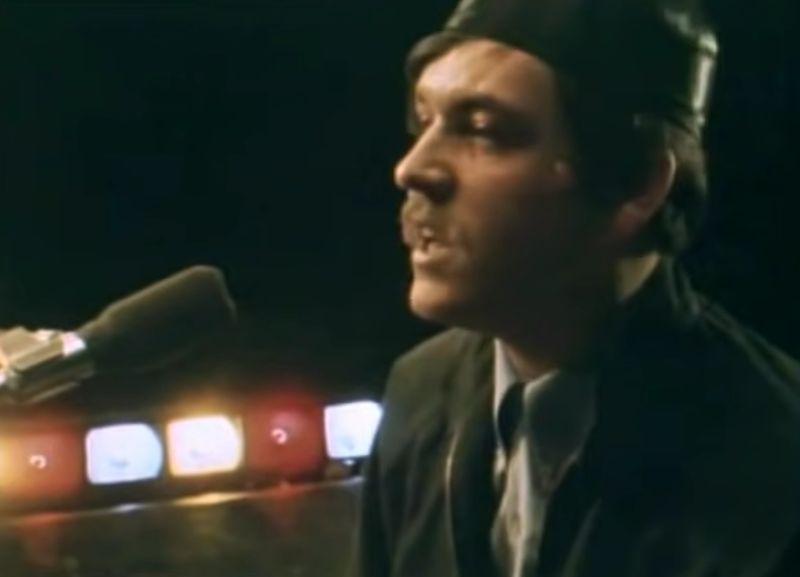
Mysterious organ notes borrowed from Bach drift through speakers like smoke through a crowded room.
Procol Harum created this enigmatic song in 1967, and nobody could quite explain what the poetic lyrics meant—but that didn’t matter.
The haunting melody grabbed listeners and refused to let go, becoming one of the era’s most memorable tracks.
Gary Brooker’s soulful voice told a surreal story that sounded profound even if you couldn’t decode it.
That classical organ riff became instantly recognizable.
People debated the meaning of “whiter shade of pale” endlessly at parties.
The song represented the psychedelic movement’s artistic ambition, proving rock music could be sophisticated and complex while still topping charts worldwide.
5. Incense and Peppermints – Strawberry Alarm Clock
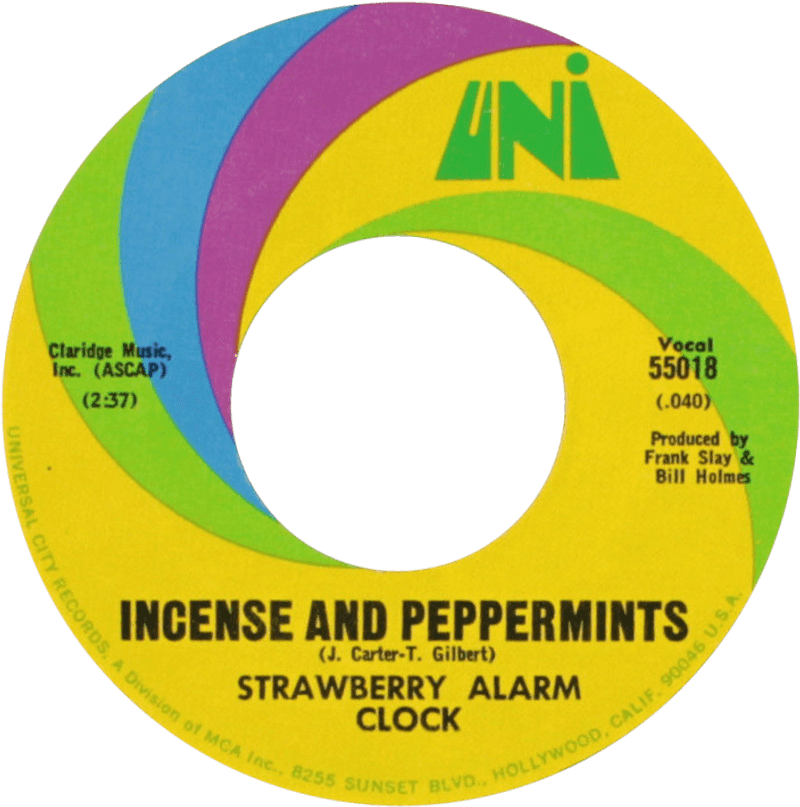
Swirling organs and bizarre sound effects create an audio kaleidoscope that perfectly captured 1967’s summer of love.
Strawberry Alarm Clock—yes, that’s really their name—crafted this trippy tune that confused parents and delighted their adventurous teenagers.
The lyrics mention incense burning and peppermints, painting pictures of colorful scenes that made perfect sense to the psychedelic generation.
Strange vocal effects and unconventional instruments gave the song an otherworldly quality.
Radio programmers took a chance on this weird track, and surprisingly, it climbed to number one.
The band’s quirky name matched their quirky sound perfectly.
This one-hit wonder defined an experimental era when musicians pushed boundaries and listeners welcomed the strange journey into uncharted musical territory.
6. Sunshine of Your Love – Cream
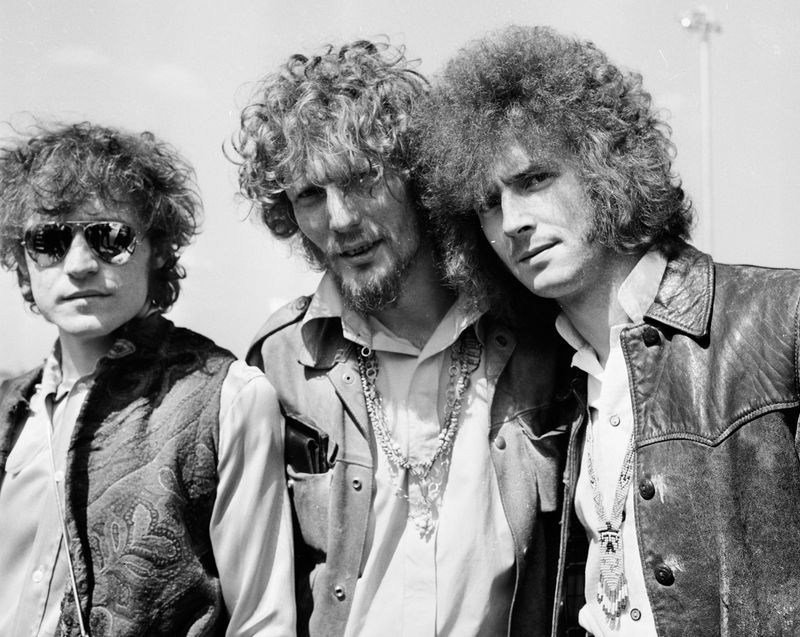
Eric Clapton’s guitar unleashes one of rock’s most recognizable riffs, four notes repeated with blues-infused power.
Cream formed as a supergroup combining three incredibly talented British musicians, and this 1967 track showcased their explosive chemistry.
The bass line thumps like a heartbeat while drums crash with jazz-influenced complexity.
Jack Bruce’s vocals soar over the instrumental fury, singing about returning to someone’s sunshine.
That main riff was actually inspired by a Jimi Hendrix concert Clapton attended.
The song stretched longer than typical radio singles, giving each musician space to show off.
Hard rock fans consider this essential listening, but many younger music lovers have never experienced this foundational track that influenced countless guitar players.
7. Mrs. Robinson – Simon & Garfunkel
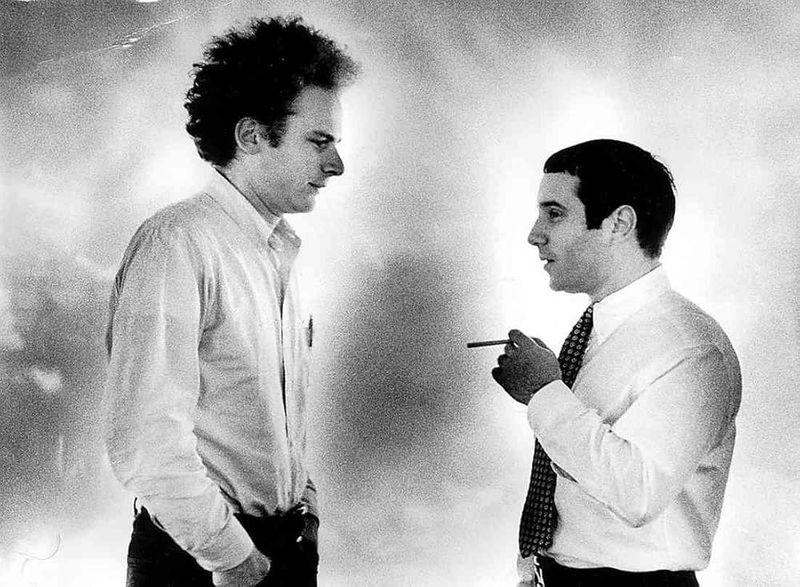
“And here’s to you, Mrs. Robinson”—these opening words became cultural shorthand for an entire movie generation.
Simon and Garfunkel wrote this folk-rock gem for the groundbreaking film The Graduate in 1968.
The song’s acoustic guitars and smooth harmonies created the perfect soundtrack for a story about confusion and forbidden attraction.
Baseball legend Joe DiMaggio gets mentioned in the lyrics, connecting America’s past with its uncertain present.
The duo’s precise vocal blend made complex harmonies sound effortless.
Radio stations played it constantly, even though the seven-minute album version tested their patience.
The Graduate won multiple awards and this song became inseparable from its legacy, but most younger viewers discovering the film today don’t know the music came first.
8. Build Me Up Buttercup – The Foundations
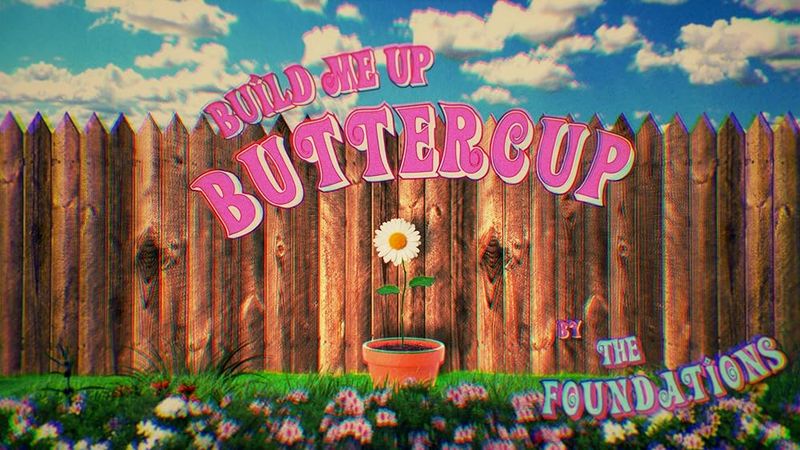
Can a song about heartbreak sound this cheerful?
The Foundations proved it could with this 1968 pop masterpiece about someone who keeps getting stood up.
Bouncy horns punch through speakers while the singer complains about his unreliable girlfriend, yet you can’t help smiling and tapping your feet.
That contradiction made it brilliant.
The chorus hooks you immediately and refuses to leave your brain for days.
British soul music was gaining popularity in America, and this multicultural band led the charge.
Their tight horn section and catchy melodies made them radio favorites.
Wedding bands still occasionally cover this tune, but most Millennials encountering it have no idea it’s nearly sixty years old or that it represented Britain’s answer to Motown.
9. Spirit in the Sky – Norman Greenbaum
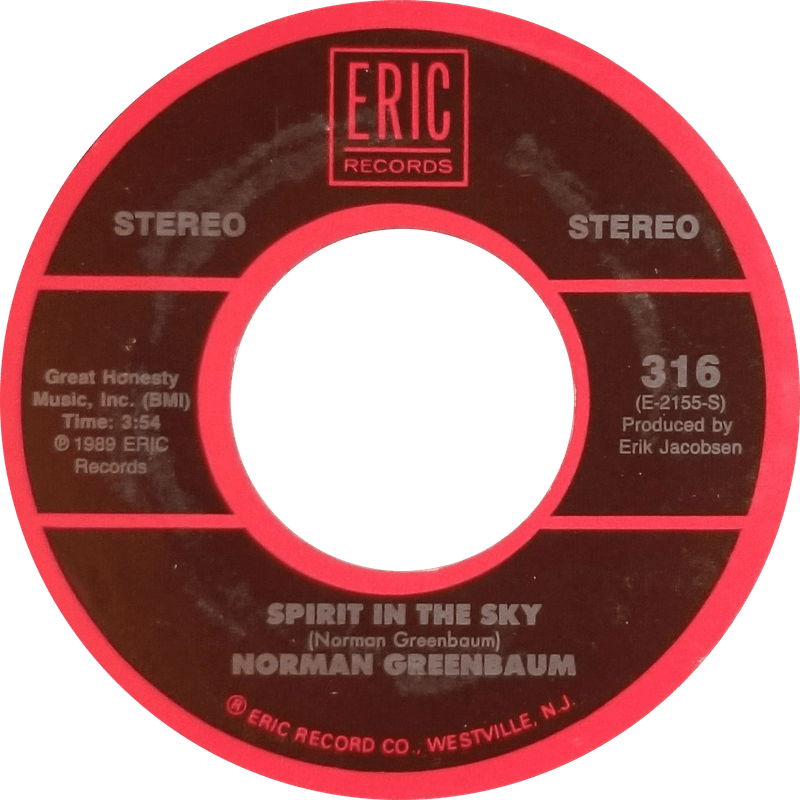
A fuzz-drenched guitar tone blasts from speakers like electricity jumping between power lines.
Norman Greenbaum, a Jewish songwriter, created this gospel-inspired rock song in 1969 that talks about dying and going to heaven.
The fuzzy guitar sound came from a distortion pedal pushed to its absolute limit, creating something aggressive yet spiritual.
Greenbaum’s raw vocals preach about preparing for the afterlife over driving drums and handclaps.
The song topped charts worldwide despite its unusual religious themes.
That guitar tone became iconic, instantly recognizable whenever the song plays.
Many Boomers remember singing along to those “gotta have a friend in Jesus” lyrics, but younger generations mostly encounter this track in movie soundtracks without knowing its origins.
10. American Pie – Don McLean
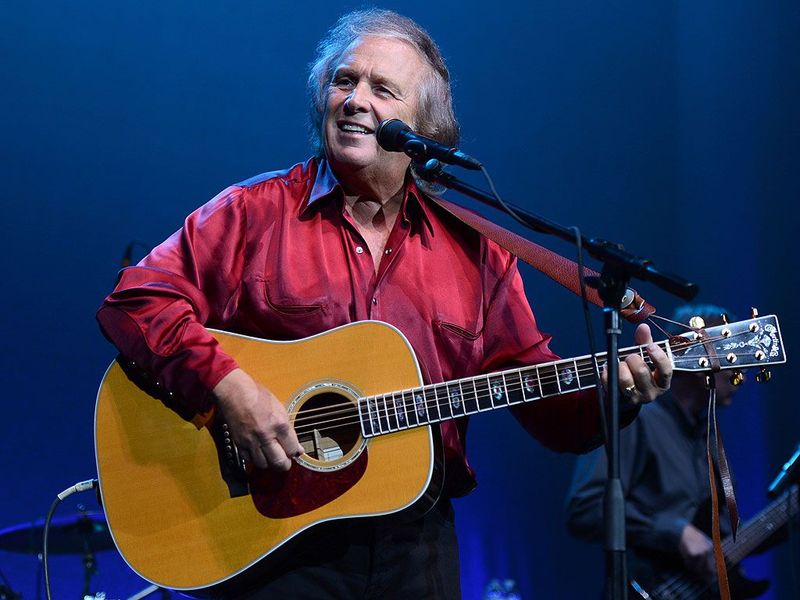
Eight and a half minutes of storytelling unfold across this epic ballad that chronicles American rock history.
Don McLean released this folk masterpiece in 1971, using cryptic poetry to process the tragic plane crash that killed Buddy Holly, Ritchie Valens, and the Big Bopper in 1959.
People call that incident “the day the music died,” a phrase McLean immortalized forever.
The lyrics reference dozens of cultural moments and musicians through clever metaphors.
Boomers debated what each verse meant for years.
Radio stations broke their own rules to play the full-length version.
Everyone in the sixties generation knows this song by heart, but many younger listeners have never heard this ambitious rock poetry that captured America’s lost innocence.
Comments
Loading…