
 Hailey Watson
Remember when finishing a big project used to feel amazing?
These days, many people finish their work and just feel tired instead of proud.
Something has changed about how we experience hard work and the rewards that come with it.
Understanding what happened can help us find ways to make work feel meaningful again.
1. The Rise of Corporate Culture

Back in the day, people knew their bosses personally and felt like part of a team.
Everyone worked together toward shared goals.
Today, many employees feel like just another number in a huge company.
Big corporations grew fast in the last few decades.
With that growth came layers of management and complicated rules.
Workers rarely see the top decision-makers anymore.
When you don’t know the people you work for, accomplishments feel hollow.
Getting praised by a computer system or distant manager doesn’t hit the same as a handshake from someone who actually knows your name and what you contribute.
2. Technology Blurring Work-Life Boundaries

Smartphones changed everything about how we work.
Before cell phones and email, work stayed at work.
You left the office, and your time was yours until tomorrow morning.
Now bosses can reach you anytime, anywhere.
Vacation doesn’t mean unplugging anymore.
Many people check emails before breakfast and after dinner.
The workday never really ends.
This constant connection makes finishing tasks feel less satisfying.
There’s always another message waiting or another project starting.
Your brain never gets that clean break that says you accomplished something and can truly rest now.
3. Stagnant Wages Despite Productivity Growth

Here’s a frustrating truth: workers today produce way more than their parents did, but paychecks haven’t kept up.
Technology helps us work faster and smarter, yet most people aren’t seeing bigger rewards.
Studies show productivity has climbed steadily for decades.
Meanwhile, wages barely moved when you account for inflation.
People work harder, achieve more, and still struggle to pay bills.
This disconnect kills motivation fast.
Why push yourself when extra effort doesn’t translate to better pay?
The traditional promise that hard work leads to financial success feels broken for many workers today.
4. The Gig Economy Shift
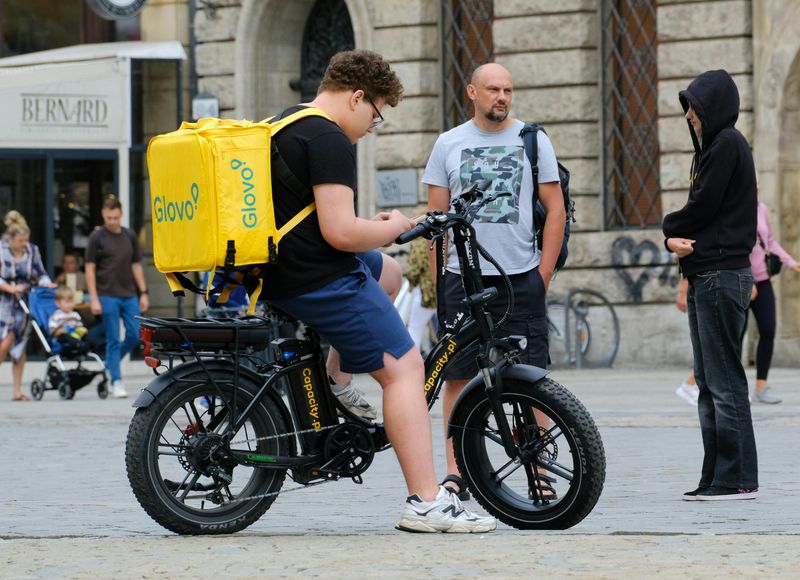
Freelancing and gig work sound exciting at first.
Be your own boss!
Set your own hours!
The reality often disappoints though.
Most gig workers juggle multiple jobs just to survive.
Traditional jobs came with benefits like health insurance, vacation days, and retirement plans.
Gig workers get none of that.
They’re technically independent but actually dependent on apps and algorithms that control their income.
Completing tasks feels less rewarding when there’s zero job security.
You’re always hustling for the next gig, never able to relax and enjoy what you’ve accomplished.
The treadmill never stops spinning.
5. Social Media Comparison Culture

Did you know that scrolling through social media can make your own achievements feel smaller?
Everyone posts their highlight reel online.
Fancy vacations, promotions, perfect moments.
Nobody shares the boring or difficult parts.
This creates unfair comparisons in your mind.
You work hard all week, but seeing friends post about their adventures makes your efforts seem less impressive.
Your brain forgets that those posts don’t show the whole story.
The problem gets worse because success looks different now.
Previous generations compared themselves to neighbors they actually knew.
Today we compare ourselves to thousands of carefully edited lives online, making satisfaction nearly impossible.
6. Automation Anxiety

Mastering a skill over years, only to watch a machine do it faster and cheaper.
That’s the reality for millions of workers today.
Automation makes many jobs obsolete or less valuable.
Even jobs that seemed safe face threats now.
Artificial intelligence writes articles, diagnoses diseases, and makes legal decisions.
Self-checkout machines replace cashiers everywhere you look.
This uncertainty drains the joy from work.
Why invest deeply in developing skills when they might become worthless?
The fear that your job could disappear tomorrow makes current accomplishments feel temporary and less meaningful than they should.
7. Rising Cost of Living

Working hard used to guarantee a comfortable life.
Your parents probably bought homes and supported families on single incomes.
Today, even two-income households struggle with basic expenses in many cities.
Housing costs have exploded.
Education requires massive loans.
Healthcare bills pile up.
Groceries and gas keep getting pricier.
Wages haven’t matched these increases, making people feel like they’re running in place.
Achievements at work ring hollow when you still can’t afford important goals.
Getting a promotion should feel great, but the excitement fades fast when it barely covers rent increases.
Hard work feels pointless when survival itself stays difficult.
8. Decreased Job Security

Companies used to value loyalty.
Employees stayed for decades, earned pensions, and retired with gold watches.
Those days are gone.
Now businesses lay off entire departments during profitable years to boost stock prices.
Loyalty flows only one direction anymore.
Workers dedicate themselves fully, but companies show little hesitation about cutting staff.
Merger announcements and restructuring plans create constant anxiety about job safety.
Building something meaningful at work requires believing you’ll be around to see results.
When employment feels temporary, accomplishments lose significance.
Why care deeply about projects when you might get laid off before they finish?
9. Performance Metrics Over People

Modern workplaces love measuring everything.
Productivity scores, efficiency ratings, customer satisfaction numbers.
Every action gets tracked and analyzed.
Managers focus on data instead of people.
This approach reduces humans to statistics.
You’re not a valuable team member anymore, just a collection of performance indicators.
Meeting arbitrary targets becomes more important than actual quality or creativity.
Numbers can’t capture everything meaningful about work.
Helping a struggling coworker or developing innovative ideas doesn’t always show up in metrics.
When only measurable things matter, the deeper satisfactions of accomplishment disappear.
Work becomes a game of hitting targets rather than making real contributions.
Comments
Loading…