
 Isabel Parker
11 Movies People Still Struggle to Understand
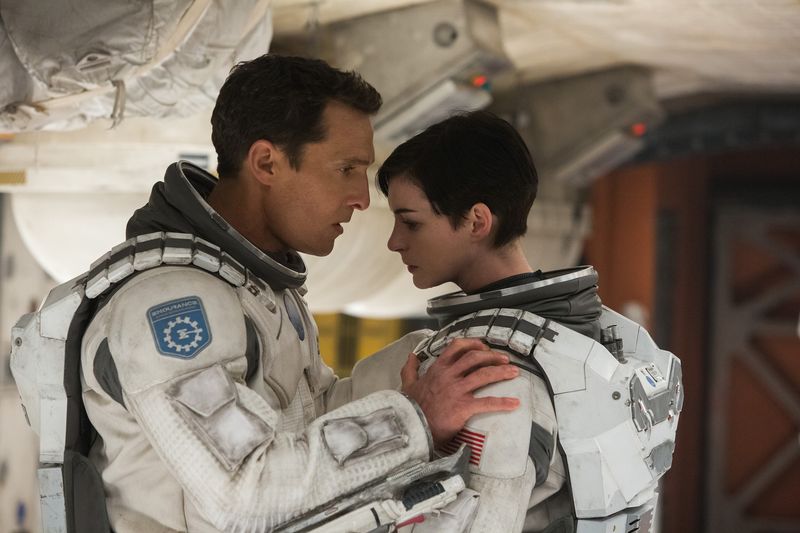
Some movies are meant to be watched more than once.
They twist your brain, leave you questioning what just happened, and spark endless debates with friends.
These films don’t spoon-feed you answers or wrap everything up in a neat bow.
Instead, they challenge viewers to think deeper, piece together clues, and form their own interpretations about what the story really means.
1. 2001: A Space Odyssey
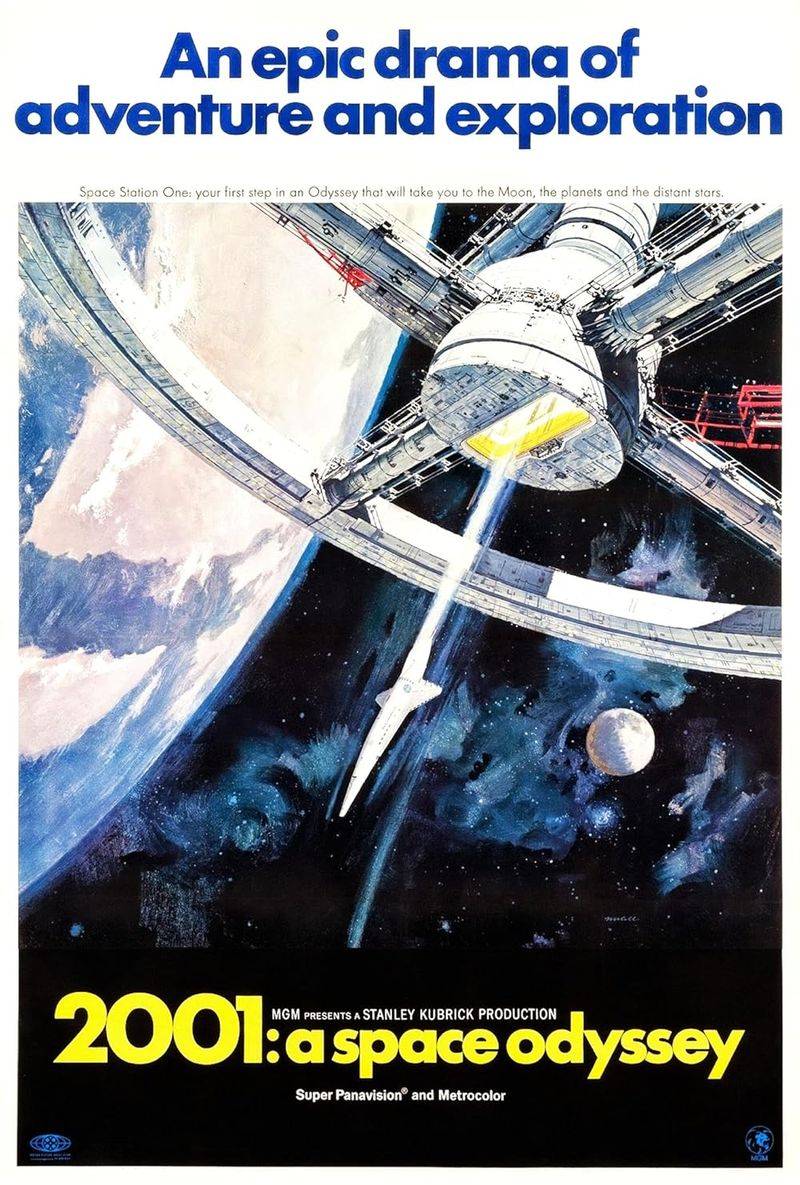
Stanley Kubrick created something truly mind-bending back in 1968.
This space journey follows astronauts discovering mysterious black monoliths that seem connected to human evolution.
The ending with the Star Child leaves audiences scratching their heads even decades later.
What makes this film confusing is its minimal dialogue and heavy symbolism.
Kubrick never explains what the monoliths mean or why they appear at crucial moments in human history.
The trippy light show sequence during the final act pushes viewers into uncharted territory.
Many people watch this movie expecting a traditional sci-fi adventure.
Instead, they get a philosophical meditation on humanity’s place in the universe.
The ambiguous conclusion continues fueling discussions among film buffs worldwide.
2. Mulholland Drive
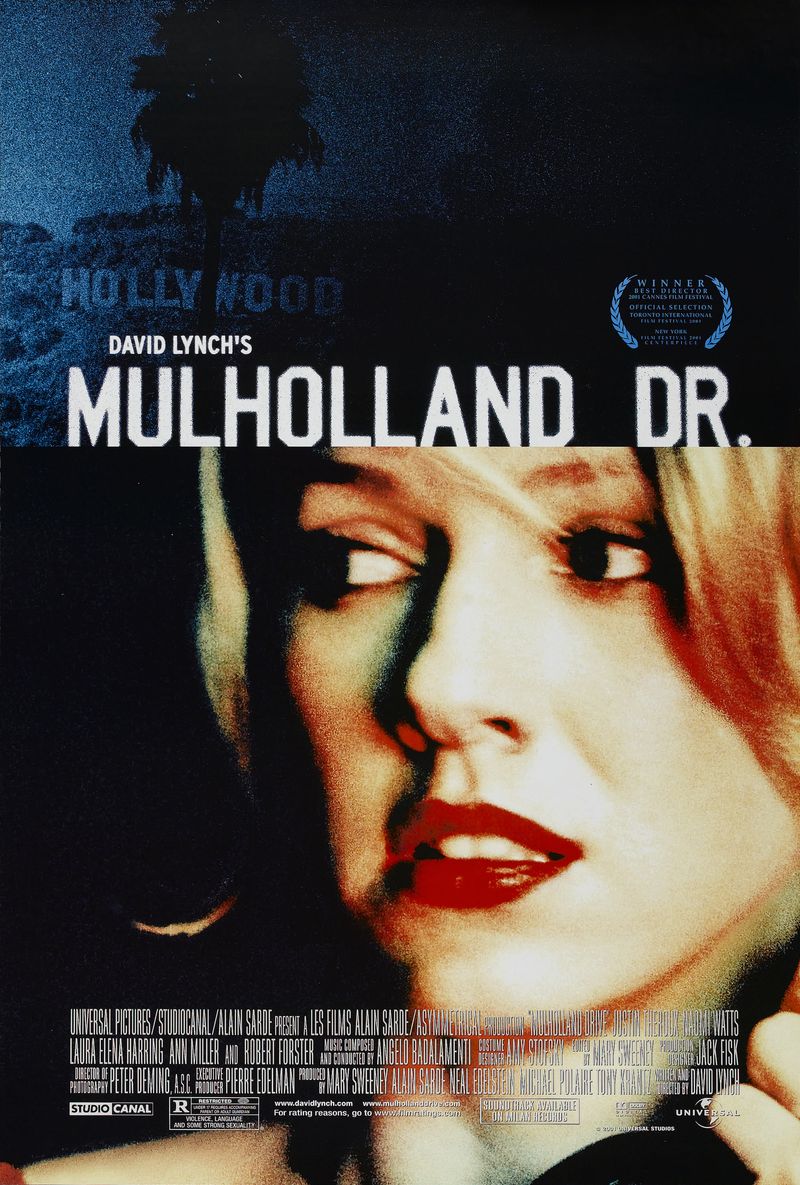
David Lynch throws viewers into a nightmare version of Hollywood.
Two women’s lives intersect in ways that seem impossible to follow.
Reality and dreams blur together until you can’t tell which is which.
The first half feels like a mystery thriller, then everything shifts dramatically.
Characters transform into different people, and the timeline jumps around without warning.
Lynch intentionally designed the film to work like a puzzle with missing pieces.
Fans have spent years creating theories about what actually happens.
Some believe the entire first portion is a dying dream, while others argue it represents alternate realities.
The director himself refuses to provide clear answers, keeping the mystery alive.
3. Primer
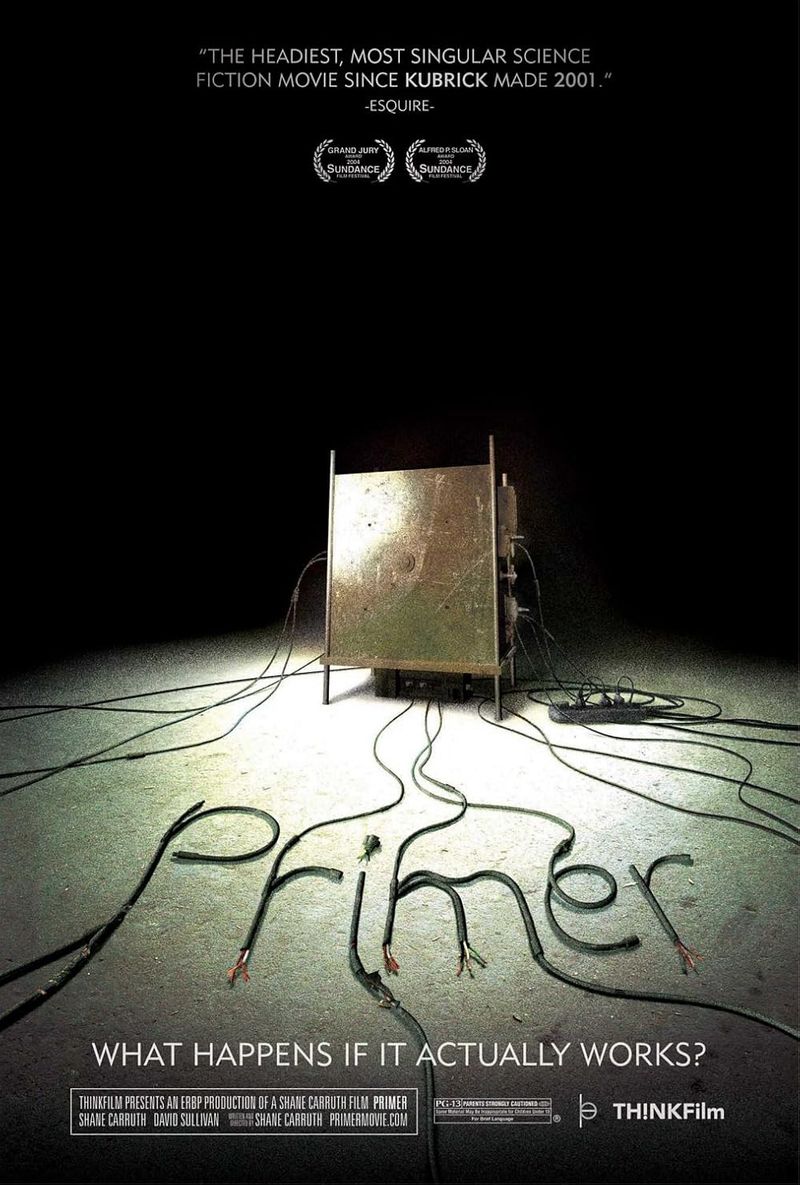
Two engineers accidentally invent time travel in their garage.
Sounds simple, right?
Wrong.
This movie packs more complexity into 77 minutes than most three-hour epics.
The dialogue is packed with technical jargon that sounds realistic but confuses casual viewers.
Multiple timelines overlap as characters create duplicate versions of themselves.
Director Shane Carruth deliberately made following the plot extremely difficult.
You’ll probably need a diagram to track what’s happening.
The film respects viewers’ intelligence by never dumbing down the science.
Watching it once barely scratches the surface of understanding the complete story.
Even science fiction fans call this one of the hardest movies to grasp.
4. Donnie Darko
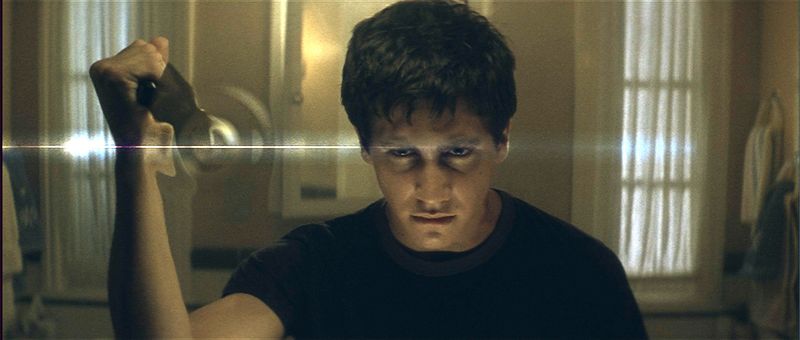
A troubled teenager sees a giant rabbit that predicts the world will end.
Frank the bunny becomes his guide through increasingly bizarre events involving time loops and destiny.
The film mixes science fiction with psychological thriller elements seamlessly.
Questions about mental illness versus actual supernatural events keep viewers guessing.
Jake Gyllenhaal’s performance adds emotional depth to the confusing narrative.
Director’s cuts and deleted scenes actually make things more puzzling rather than clearer.
The movie explores parallel universes and sacrificial heroes in ways that feel both profound and perplexing.
High school students and philosophers alike debate its meaning endlessly.
5. Inception
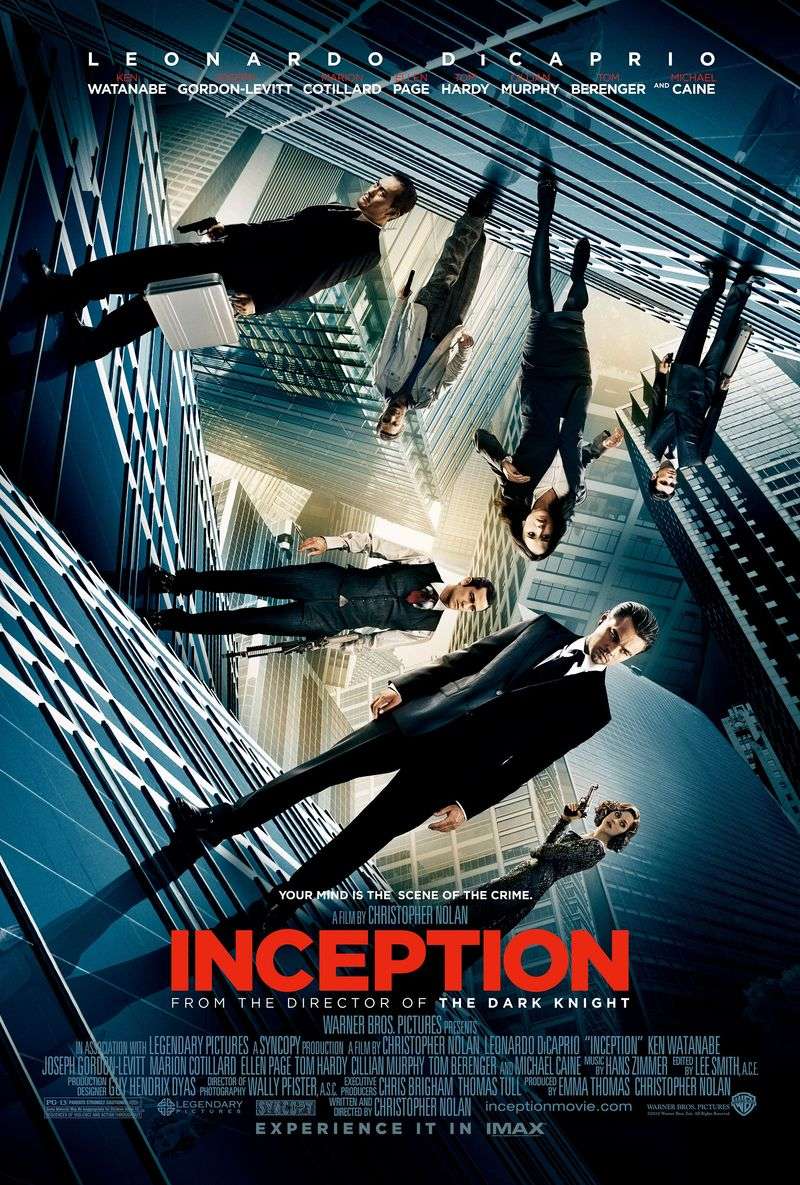
Christopher Nolan built a heist movie inside dreams within dreams within dreams.
Teams of specialists enter people’s minds to steal or plant ideas.
The deeper they go, the weirder things become.
Keeping track of which dream level characters occupy at any moment requires serious focus.
Time moves differently at each layer, creating mathematical complications.
The famous spinning top ending sparked countless arguments about whether the protagonist escapes reality.
Despite being a blockbuster, this film demands multiple viewings for full comprehension.
The rules of dream architecture feel both logical and confusing simultaneously.
Audiences left theaters immediately wanting to discuss what they just witnessed.
6. The Tree of Life
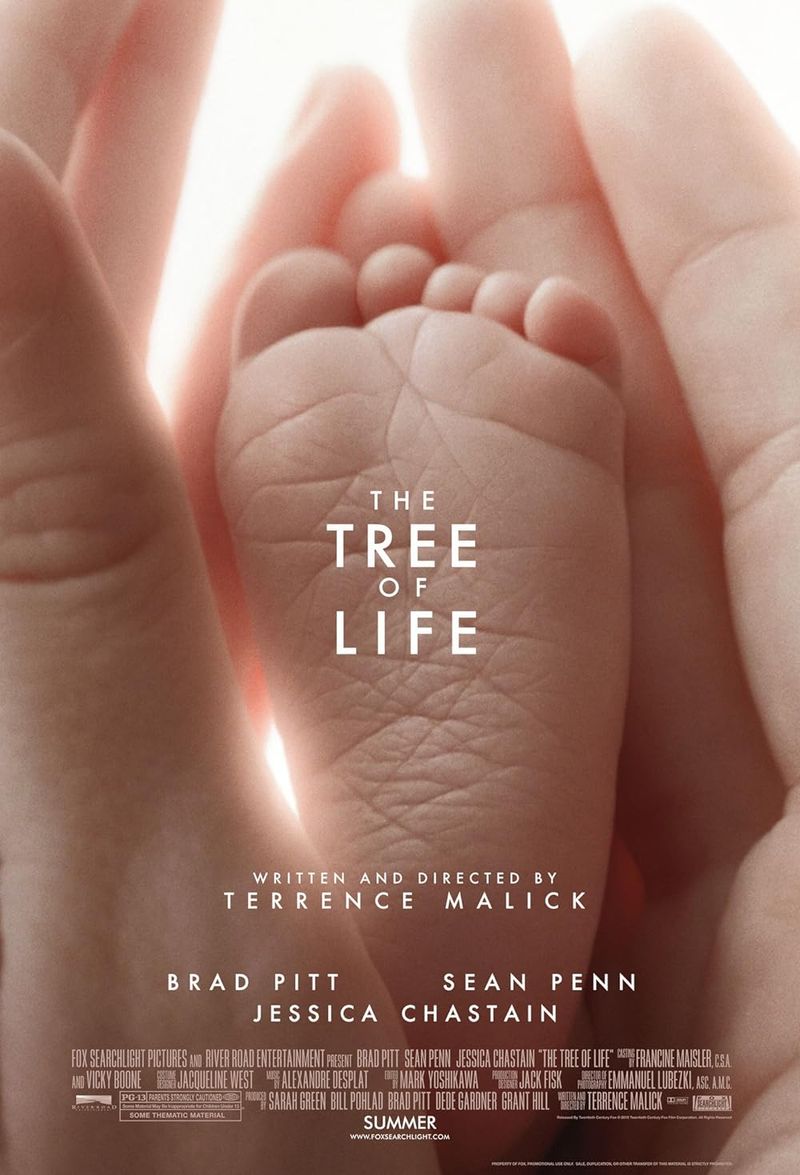
Terrence Malick weaves together a Texas family’s story with the birth of the universe.
Dinosaurs appear randomly.
Time jumps happen without explanation.
Whispered prayers float over stunning nature footage.
This experimental approach to storytelling divides audiences sharply.
Some find deep spiritual meaning in the visual poetry, while others feel completely lost.
The lack of traditional plot structure makes following any narrative thread extremely challenging.
Brad Pitt plays a strict father whose family memories blend with cosmic imagery.
The film asks big questions about existence, suffering, and grace without providing neat answers.
Patient viewers willing to embrace its unconventional style find rewards others miss entirely.
7. Interstellar
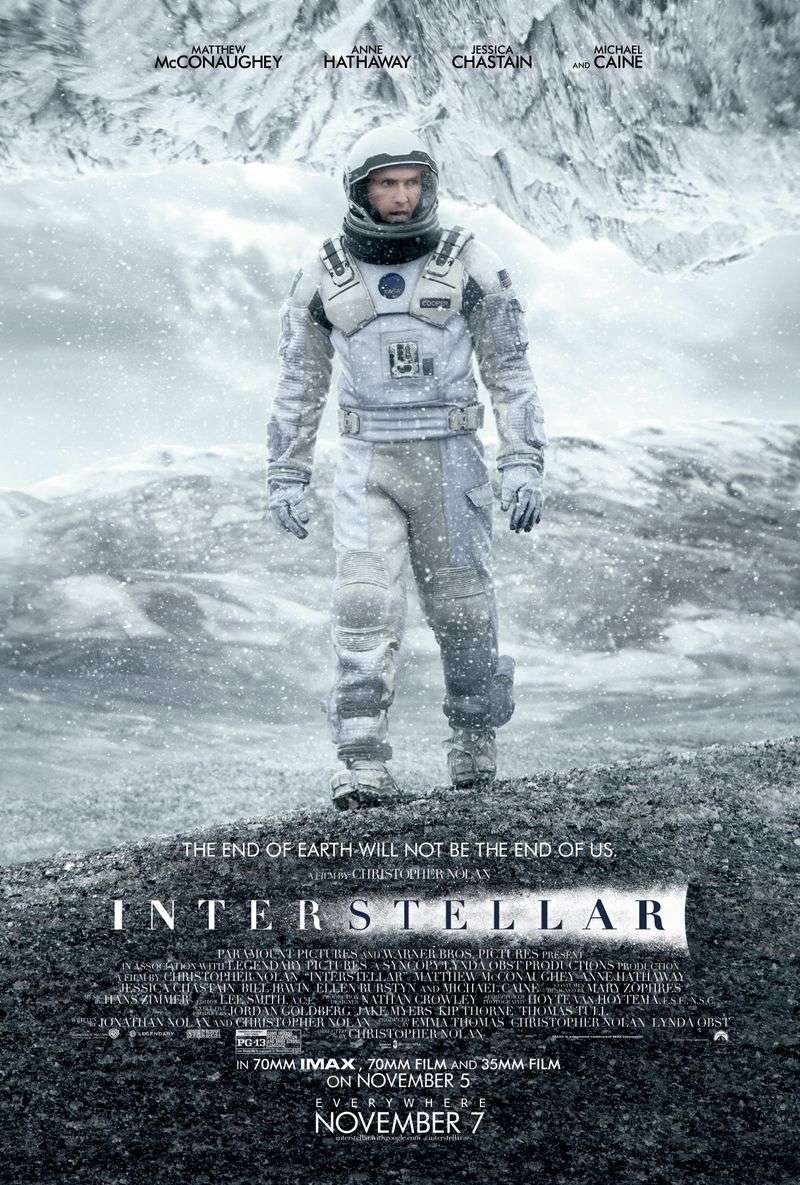
Another Nolan brain-twister involves astronauts searching for humanity’s new home.
Black holes, time dilation, and five-dimensional beings complicate what starts as a straightforward space mission.
The science behind the movie is actually accurate, which makes understanding it harder.
When one hour equals seven years elsewhere, relationships become impossible to maintain.
Matthew McConaughey ages slower than his children back on Earth.
The bookshelf scene where past and future connect through gravity baffles many viewers.
Love somehow transcends dimensions and becomes a measurable force.
Critics argue whether the emotional ending makes scientific sense or takes creative liberties.
8. Enemy
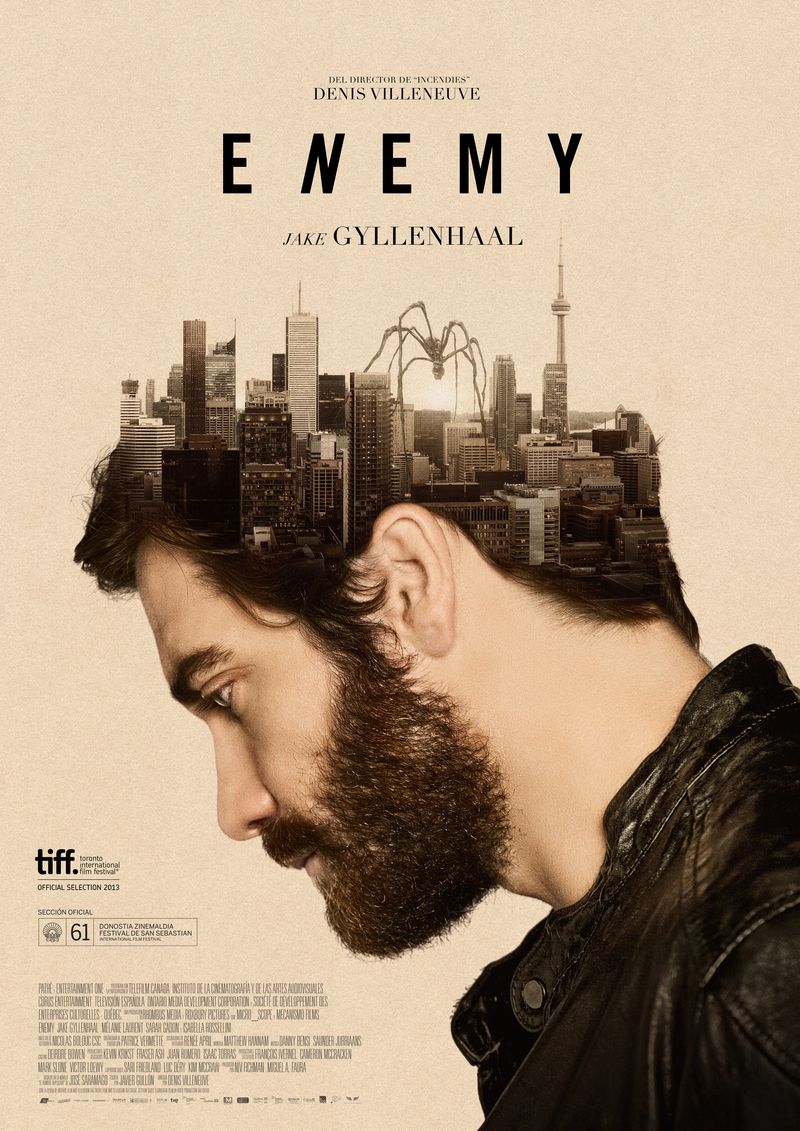
Jake Gyllenhaal plays a man who discovers his exact double living across town.
Or does he?
The film keeps you guessing about whether two people actually exist or one person has a fractured identity.
Giant spiders appear in disturbing ways throughout the movie.
Director Denis Villeneuve loads every frame with unsettling imagery and yellow-tinted atmosphere.
The story unfolds like a nightmare you can’t wake from.
That final shot with the enormous spider leaves audiences shocked and confused.
Interpretations range from commentary on totalitarian society to exploration of male fear regarding commitment.
Few films provoke such varied reactions to their meaning.
9. Synecdoche, New York
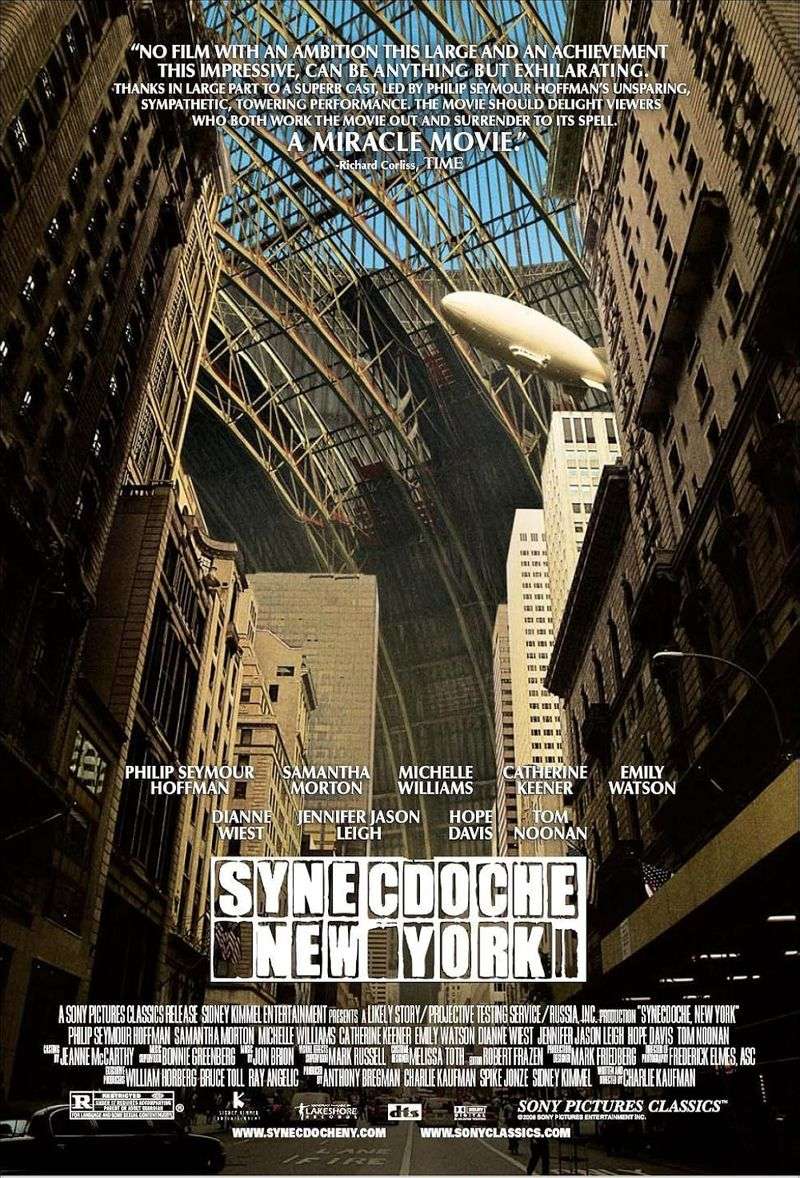
Philip Seymour Hoffman plays a theater director building a life-size replica of New York inside a warehouse.
Then he builds replicas inside that replica.
Reality and performance become impossible to separate.
Writer Charlie Kaufman crafted something deeply philosophical about mortality and art.
The protagonist obsesses over capturing authentic truth while his own life falls apart.
Time speeds up unpredictably, with years passing in moments.
Actors play other actors playing themselves in an endless loop of meta-commentary.
The line between genuine emotion and theatrical performance disappears completely.
Most viewers need help just explaining the basic plot afterward.
10. The Fountain
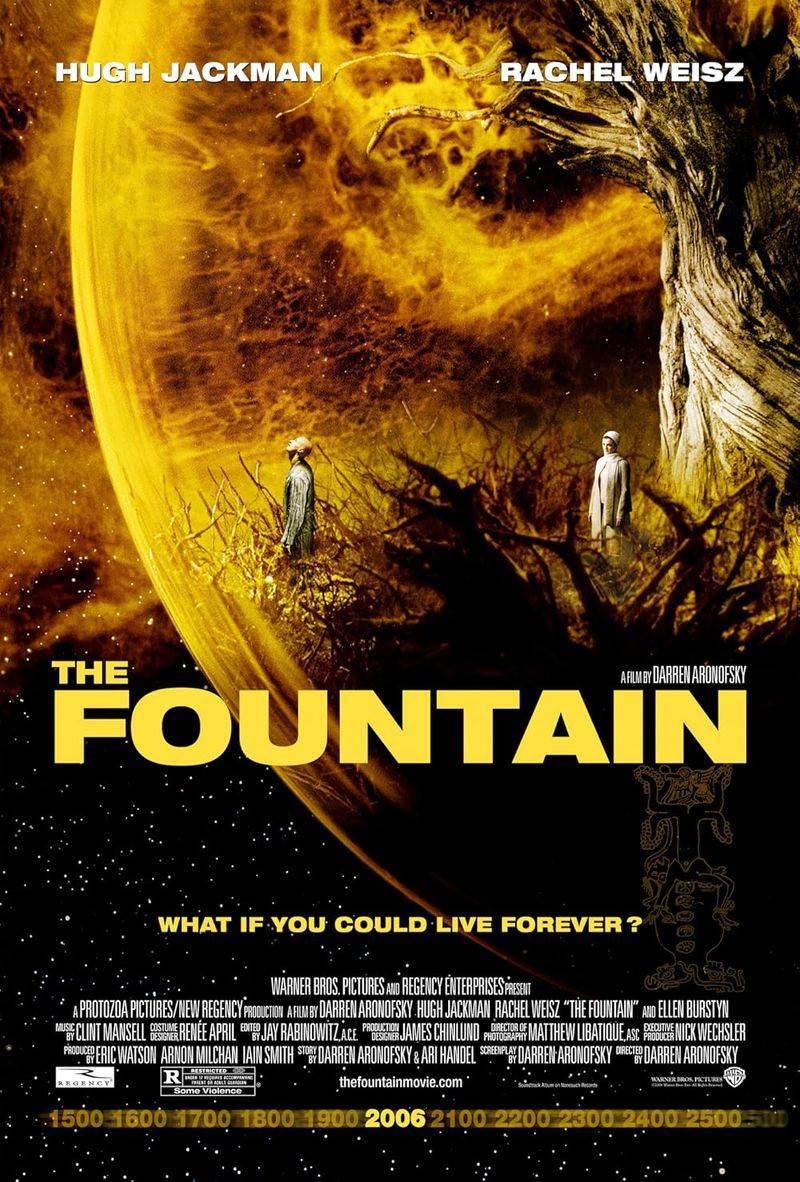
Darren Aronofsky tells three stories across a thousand years simultaneously.
A conquistador searches for the Tree of Life, a scientist fights his wife’s cancer, and a space traveler floats toward a dying star.
Are these three different people or the same soul reincarnated?
The film never clarifies, letting viewers decide for themselves.
Stunning visuals created without computer graphics add to the dreamlike quality.
Buddhist philosophy about death and rebirth permeates every frame.
Hugh Jackman delivers an emotional performance across all three timelines.
The nonlinear storytelling and heavy symbolism demand serious attention from audiences.
11. Upstream Color

A woman gets drugged with a parasitic worm that makes her suggestible to manipulation.
Later, she connects with a man who suffered the same fate.
Their linked consciousness involves pigs, orchids, and a mysterious sound engineer.
Shane Carruth strikes again with possibly his most abstract work.
The narrative unfolds through images and sounds rather than explanations.
Characters move through scenes without dialogue revealing their motivations.
Understanding the life cycle connecting all the elements requires detective-level attention.
The film operates on emotional wavelengths more than logical plot points.
Even fans who love it admit they don’t fully grasp everything happening.
Comments
Loading…