
 Chloe Peterson
12 Things Employees Did in the Past That Modern Workplaces Would Never Allow

The workplace has changed dramatically over the past few decades.
Things that were once considered totally normal would shock most modern employees today.
From dangerous habits to wildly inappropriate behaviors, older generations experienced a very different working world.
These outdated practices reveal just how far we’ve come in creating safer, healthier, and more respectful work environments.
1. Smoking at Your Desk
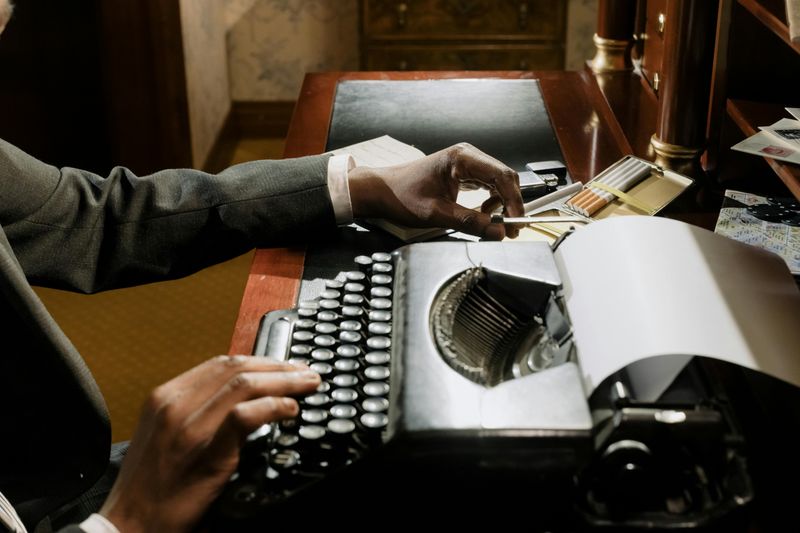
Clouds of cigarette smoke filling every corner of the office while people typed away at their desks.
Back in the day, lighting up a cigarette while working was as normal as checking your email is today.
Ashtrays sat right next to telephones and staplers.
Employees could smoke during meetings, in cubicles, and even in small conference rooms.
The health risks of secondhand smoke were either unknown or simply ignored.
Nobody thought twice about working in a haze all day long.
Today, most workplaces are completely smoke-free, with designated outdoor areas far from building entrances.
This change protects everyone from harmful smoke exposure and creates a healthier environment for all employees.
2. Three-Martini Lunch Breaks

Business lunches once came with a side of alcohol, and nobody raised an eyebrow.
Executives would head to fancy restaurants, order multiple cocktails, and return to work feeling relaxed.
These boozy midday meetings were actually considered a sign of success and power.
The famous three-martini lunch was so common that it became a cultural symbol of corporate America.
Salespeople sealed deals over drinks, managers celebrated wins with wine, and Friday afternoons often started early with bar visits.
Modern workplaces now have strict policies about drinking on the job.
Most companies prohibit alcohol consumption during work hours entirely, recognizing how it impairs judgment and productivity.
3. Ignoring Basic Safety Gear
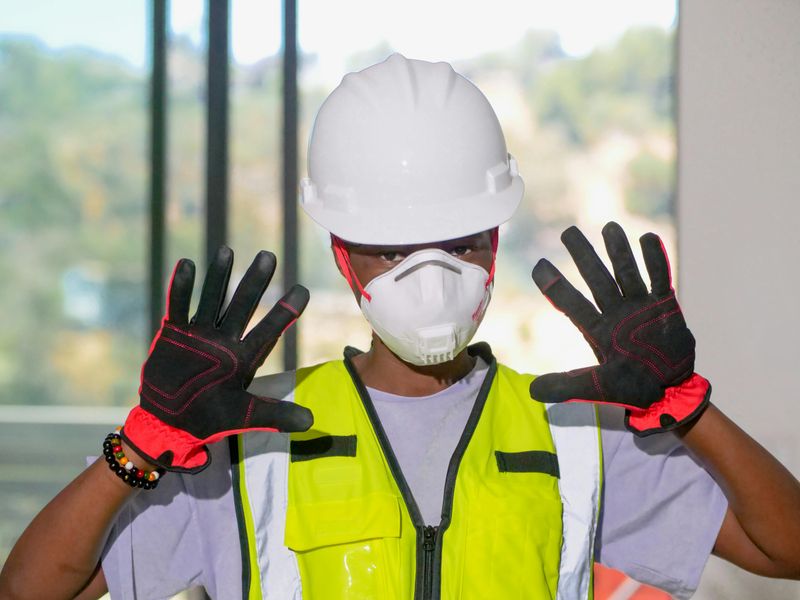
Hard hats?
Safety goggles?
Steel-toed boots?
Workers in the past often skipped these entirely.
Construction sites, factories, and warehouses operated with minimal safety equipment.
Men climbed scaffolding without harnesses and operated dangerous machinery with their bare hands exposed.
The attitude was tough and careless, with injuries considered just part of the job.
Many workers lost fingers, suffered eye damage, or experienced worse accidents that could have been prevented.
Complaining about unsafe conditions might even get you fired.
Today, workplace safety regulations are strict and enforced.
Companies must provide proper protective equipment, and employees can report violations without fear of losing their jobs.
4. Blatantly Inappropriate Comments

Comments about someone’s looks, personal life, or body were shockingly common in older workplaces.
Bosses made remarks that would get them immediately fired today.
Female employees especially faced constant unwanted commentary about their appearance, clothes, and relationships.
These inappropriate conversations happened openly during meetings and in hallways.
Many people just accepted it as normal workplace banter.
Speaking up often meant being labeled as too sensitive or not a team player.
Modern workplaces have clear harassment policies and training programs.
Employees now understand that personal comments have no place in professional settings, and companies take complaints seriously with real consequences for offenders.
5. Bringing Children to Work Regularly

Daycare was expensive and rare, so some parents simply brought their kids to work.
Children played under desks, colored in corners, and sometimes even answered phones.
Coworkers had to work around toys scattered in common areas and frequent interruptions from bored youngsters.
While some workplaces were understanding, it definitely decreased productivity.
Kids needed attention, made noise, and created distractions.
Yet options were limited, especially for single parents or those with childcare emergencies.
Today, most companies have strict policies separating work and family life.
While occasional bring-your-kid-to-work days exist, regular attendance is prohibited.
Professional childcare services and remote work options now provide better solutions.
6. Unchecked Office Romances

Dating coworkers was simple and drama-free in the past, or so it seemed.
Supervisors dated their assistants, and nobody reported conflicts of interest.
Workplace romances bloomed openly, with couples holding hands in hallways and taking long lunch breaks together.
Problems arose when relationships ended badly or involved power imbalances.
Favoritism ran rampant, and breakups created hostile work environments.
Yet companies rarely had policies addressing these situations, leaving everyone to figure it out themselves.
Modern HR departments require disclosure of workplace relationships, especially between supervisors and subordinates.
Many companies prohibit such pairings entirely to prevent favoritism and harassment claims.
Professional boundaries are now clearly defined and enforced.
7. Elaborate Practical Jokes
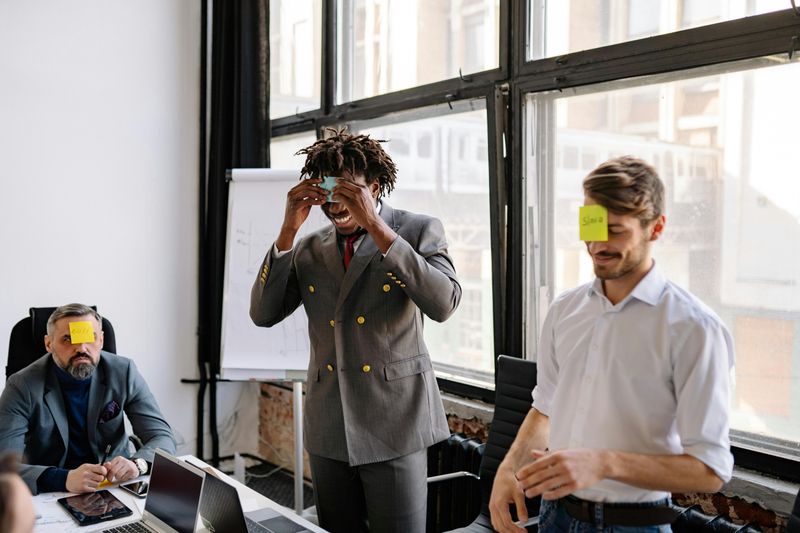
Remember when wrapping someone’s entire desk in aluminum foil was hilarious?
Workplace pranks were an expected part of office culture.
Employees filled cubicles with balloons, hid alarm clocks in ceiling tiles, and moved furniture while coworkers were on vacation.
Some pranks crossed serious lines, causing embarrassment, property damage, or even injuries.
What seemed funny to the jokesters often felt like bullying to victims.
Yet complaining made you seem like you couldn’t take a joke.
Today’s workplaces recognize that pranks create hostile environments and waste company time.
Professional behavior standards have risen, and employees focus on actual work rather than elaborate schemes.
Respect and productivity matter more than getting cheap laughs.
8. Extreme Hours Without Overtime Pay

Working sixty or seventy hours weekly was worn like a badge of honor.
Salaried employees stayed late every night without extra compensation.
Bosses expected dedication that meant sacrificing family time, health, and personal interests for the job.
The phrase work-life balance didn’t exist in most vocabularies.
People competed to see who could work the longest hours, often bragging about pulling all-nighters.
Leaving at normal quitting time was seen as lazy or uncommitted.
Labor laws now protect workers from exploitation through mandatory overtime pay and hour limits.
Companies face legal consequences for requiring excessive unpaid work.
The culture has shifted toward recognizing that rested employees are actually more productive and creative.
9. Casual Friday Gone Wild

Did you know casual Friday sometimes meant beach attire in the office?
When companies first introduced dress-down days, some employees took it way too far.
Flip-flops, tank tops, ripped jeans, and even workout clothes appeared regularly.
The lack of clear guidelines created confusion about appropriate casual wear.
Some workers showed up looking like they were headed to a barbecue rather than a professional workplace.
Clients visiting on Fridays sometimes couldn’t tell employees from delivery people.
Modern casual dress codes are much more specific and professional.
Business casual now means neat, appropriate clothing that maintains workplace standards.
Companies learned that some structure helps everyone understand expectations and maintain professional appearances.
10. Using Company Resources for Personal Side Businesses

Company copy machines churned out personal party invitations.
Office phones connected side hustle sales calls.
Employees used company materials, equipment, and even work hours for their own businesses.
Management often looked the other way or simply never noticed.
Some workers ran entire small businesses from their desks.
They made crafts, sold products, and coordinated personal ventures using employer resources.
Company time and supplies were treated as personal property.
Today, this behavior is considered theft and grounds for immediate termination.
Modern technology makes tracking resource use easier, and companies have strict acceptable use policies.
Employees sign agreements acknowledging that company equipment is for business purposes only, with violations leading to serious consequences.
11. Minimal Background Checks

Getting hired once required little more than a decent interview and a firm handshake.
Background checks were rare and superficial.
Companies trusted resumes without verification, rarely checked references, and almost never investigated criminal histories.
This casual approach led to serious problems.
Dishonest candidates lied about credentials, people with dangerous backgrounds slipped through, and unqualified workers got important positions.
Companies only discovered problems after damage was done.
Modern hiring processes include thorough background checks, reference verification, and credential confirmation.
Companies check criminal records, verify education, and contact previous employers.
This protects businesses, employees, and customers while ensuring qualified people fill positions.
The process takes longer but creates safer, more competent workplaces.
12. Keeping Mental Health Struggles Completely Secret
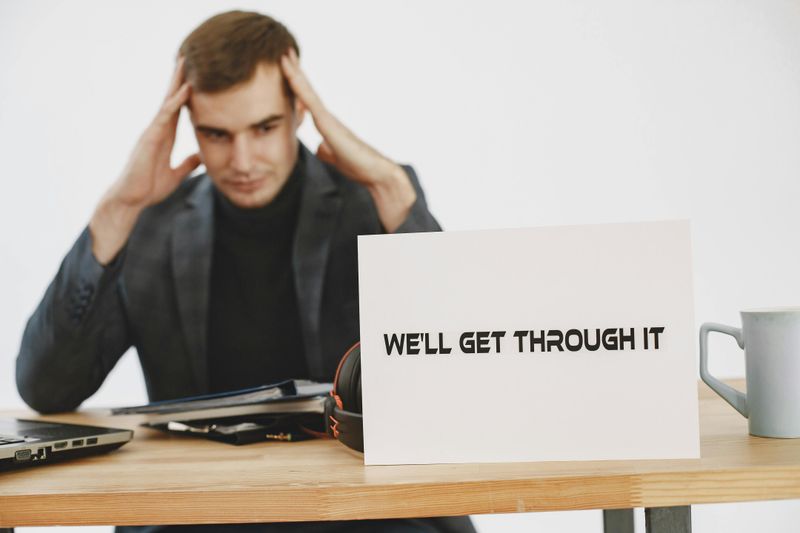
Anxiety, depression, and stress were never discussed in older workplaces.
Employees suffering from mental health issues had to pretend everything was fine.
Asking for help meant risking your job or being labeled as weak and unreliable.
People pushed through breakdowns, panic attacks, and serious conditions without support.
Mental health days didn’t exist, and therapy was considered shameful.
Workers burned out completely before anyone acknowledged something was wrong.
Today’s workplaces increasingly recognize mental health as important as physical health.
Many companies offer counseling services, mental health days, and supportive resources.
While stigma still exists, the conversation has opened significantly.
Employees can seek help without automatically fearing termination, leading to healthier and more productive work environments overall.
Comments
Loading…