
 Chloe Peterson
20 Most Overrated TV Shows of All Time (Yes, Even the Ones You Love)
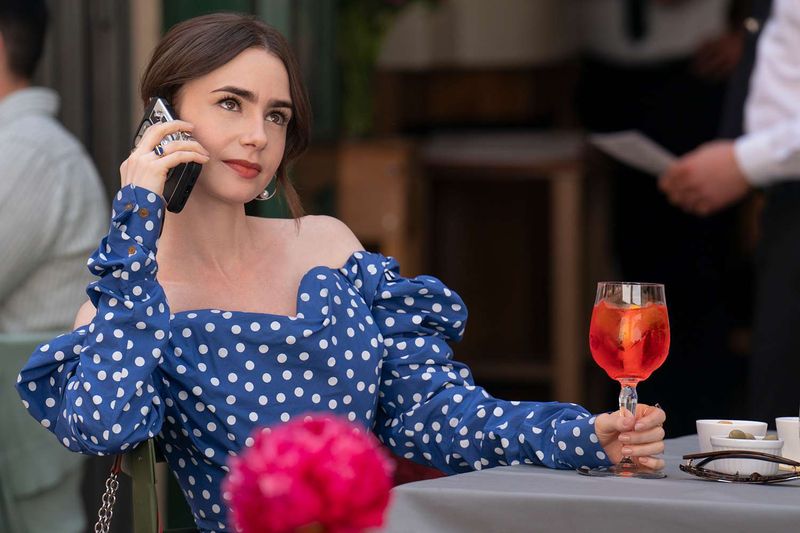
We all have favorite shows we defend fiercely, but sometimes popularity doesn’t equal quality.
Some series gain massive followings and critical praise that far exceeds what they actually deliver.
This list examines twenty beloved TV shows that might not deserve all the hype they’ve received, from sitcoms with dated humor to dramas that lost their way.
1. Friends
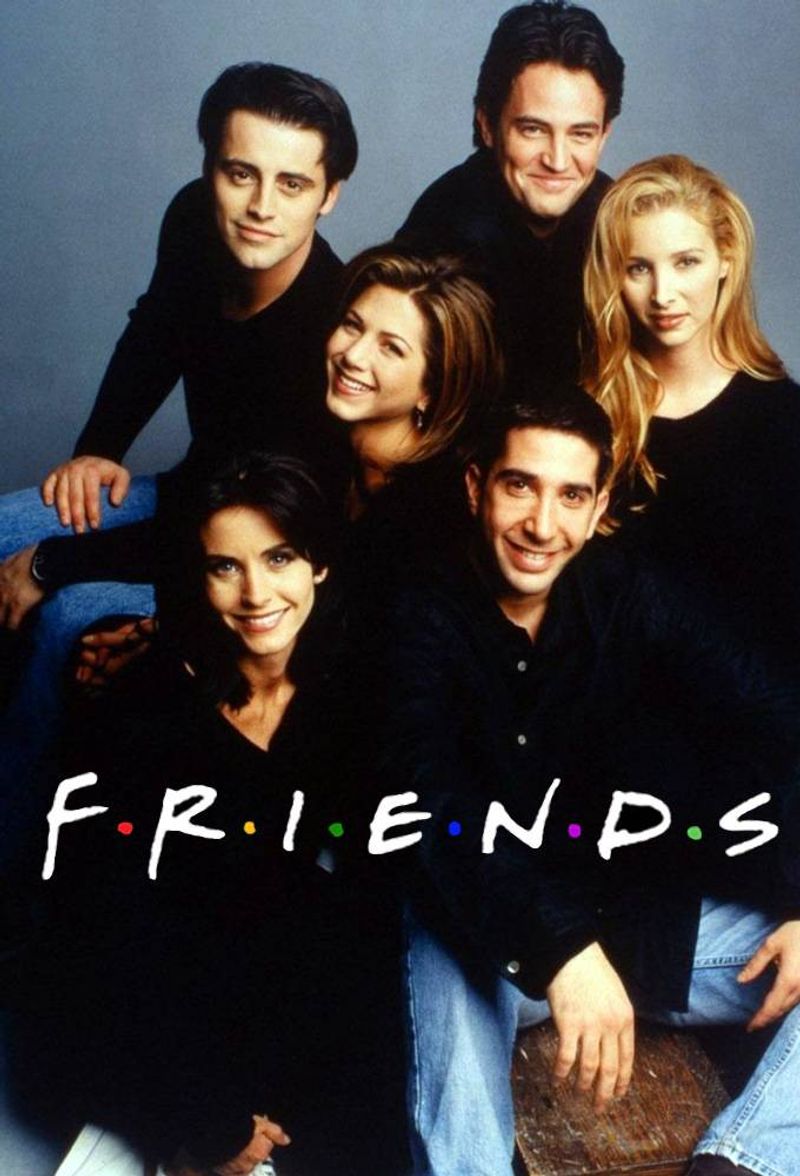
Everyone seems to worship this sitcom like it invented comedy, but strip away the nostalgia and you’ll find repetitive jokes and characters stuck in arrested development.
Ross is insufferable, Rachel makes terrible life choices every episode, and the laugh track tries desperately to convince you every line is hilarious.
The show’s treatment of serious topics feels shallow, and storylines often repeat themselves across ten seasons.
While it launched careers and created catchphrases, the actual quality of writing rarely rises above mediocre.
Watching it today reveals how much television comedy has evolved beyond its formulaic structure.
The cultural impact shouldn’t be confused with timeless brilliance.
2. The Big Bang Theory
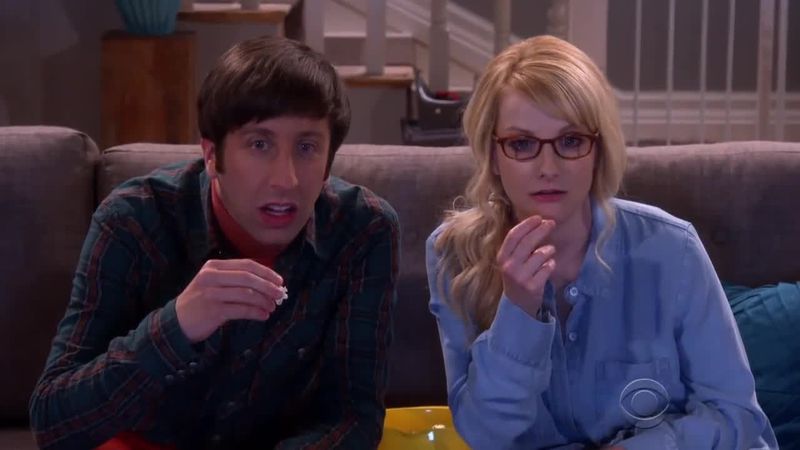
Here’s a show that thinks referencing science and nerd culture automatically makes it smart.
The laugh track works overtime while characters deliver punchlines that rely heavily on stereotypes about intelligent people being socially awkward.
Sheldon Cooper’s behavior often crosses from quirky into genuinely mean-spirited territory, yet somehow he remains the show’s golden child.
The female characters started as love interests and rarely got storylines beyond relationship drama.
Twelve seasons of the same jokes about physics, comic books, and inability to talk to women gets exhausting.
What began as potentially clever humor devolved into predictable patterns that audiences mistook for sophisticated comedy.
3. Lost
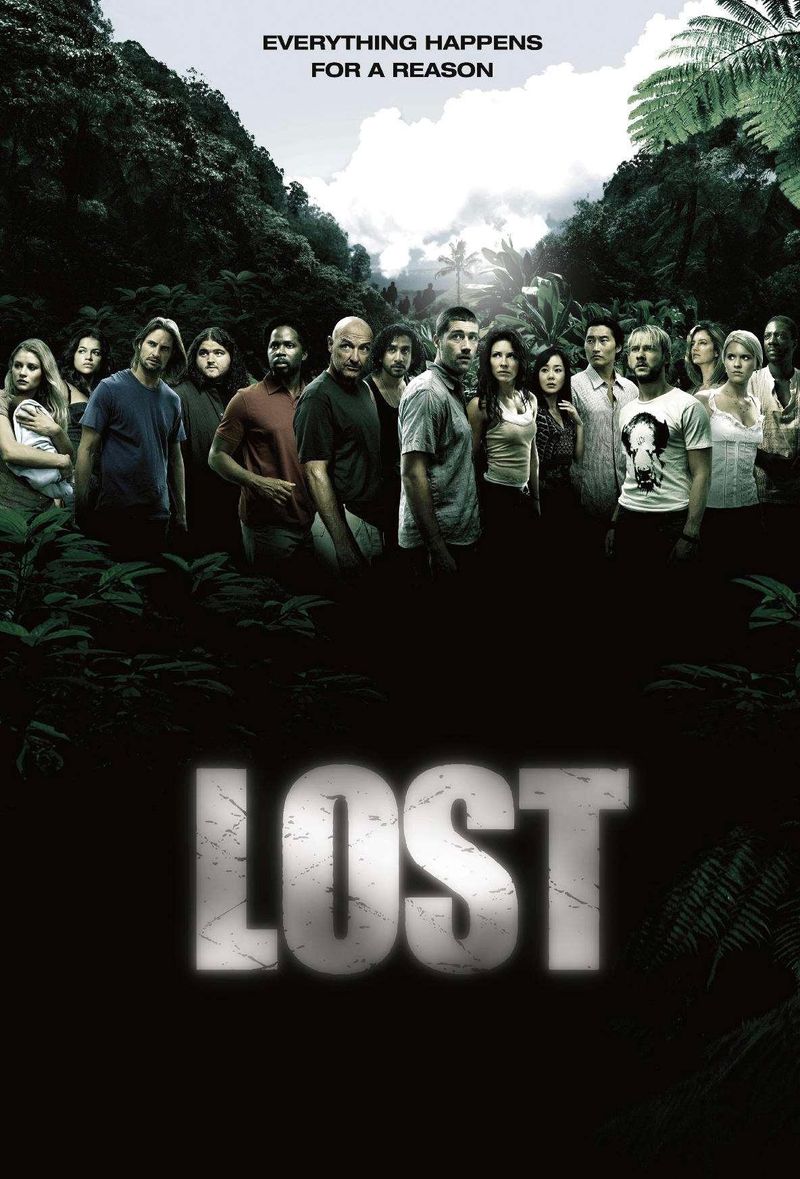
Remember when everyone obsessed over every mysterious detail, convinced the writers had a masterplan?
Spoiler alert: they didn’t.
This show built an empire on questions it never intended to answer coherently, stringing viewers along with empty promises.
The finale disappointed millions who invested years decoding symbols and theorizing about smoke monsters.
Characters made illogical decisions purely to extend plotlines, and new mysteries appeared whenever old ones became inconvenient.
Sure, the first season hooked audiences brilliantly, but subsequent years proved the emperor wore no clothes.
Atmospheric cinematography and talented actors couldn’t save a narrative that collapsed under its own ambition.
4. The Walking Dead
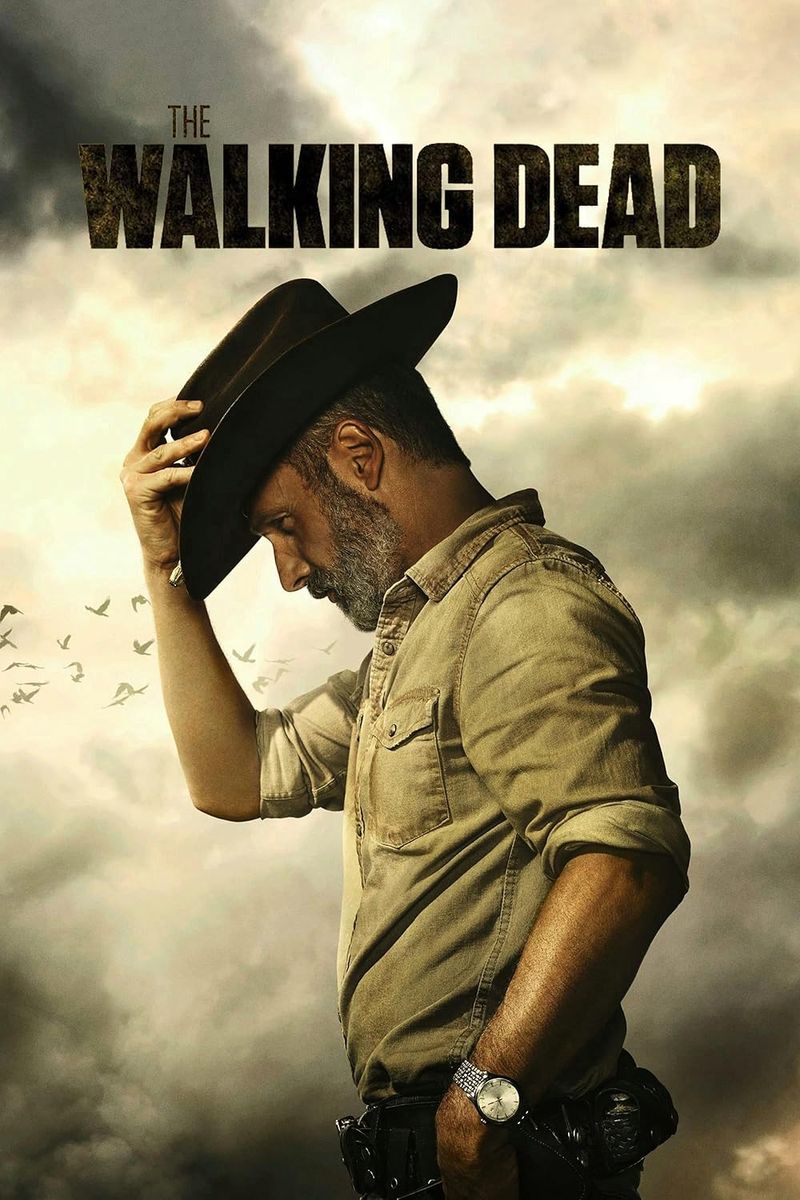
How many times can you watch the same cycle of finding shelter, meeting hostile survivors, and losing everything before it gets stale?
This show discovered the answer: apparently eleven seasons and counting.
Initial seasons delivered genuine tension and character development, but the formula wore thin fast.
Every season introduces a new villain who’s somehow worse than the last, rinse and repeat.
The endless cycle of hope and devastation stops being meaningful when you know exactly what’s coming.
Shocking character deaths became manipulative rather than impactful, and zombie threats took a backseat to repetitive human conflicts that dragged on eternally.
5. Glee
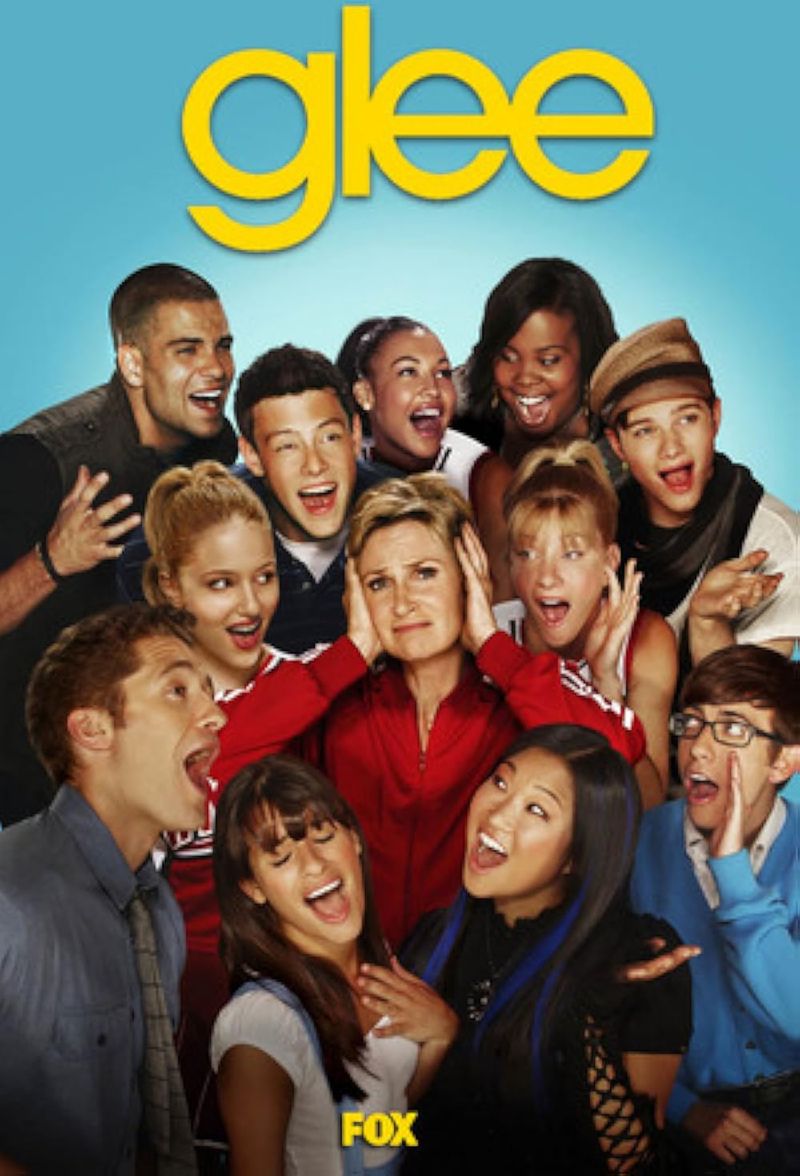
Starting strong with messages about acceptance and finding your voice, Glee quickly spiraled into a messy soap opera dressed in show tunes.
Characters underwent personality transplants between episodes, and storylines abandoned logic for whatever generated headlines.
The show tackled important issues with all the subtlety of a sledgehammer wrapped in glitter.
Heavy-handed lessons overshadowed genuine character moments, while talented performers deserved better material than they received.
Musical arrangements couldn’t mask inconsistent writing that prioritized shock value over coherent narratives.
What could have been groundbreaking representation often felt exploitative, using serious topics as plot devices rather than treating them with respect.
6. Grey’s Anatomy
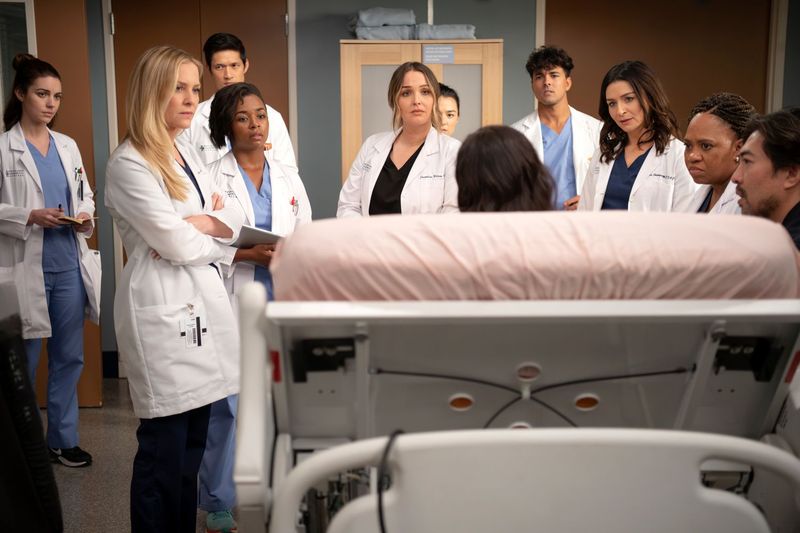
Nineteen seasons of increasingly improbable medical disasters and romantic entanglements suggest viewers have Stockholm syndrome.
At some point, every character has dated every other character, died and returned, or suffered tragedy so excessive it becomes parody.
Early seasons had genuine heart and complex medical cases that drove compelling stories.
Now it’s basically a supernatural curse hitting Seattle Grace Hospital, where plane crashes, shootings, and explosions happen with alarming regularity.
The medical accuracy flew out the window years ago, replaced by melodrama that would make soap operas blush.
Shonda Rhimes created something special initially, but refusing to end it has turned quality into quantity.
7. Gilmore Girls
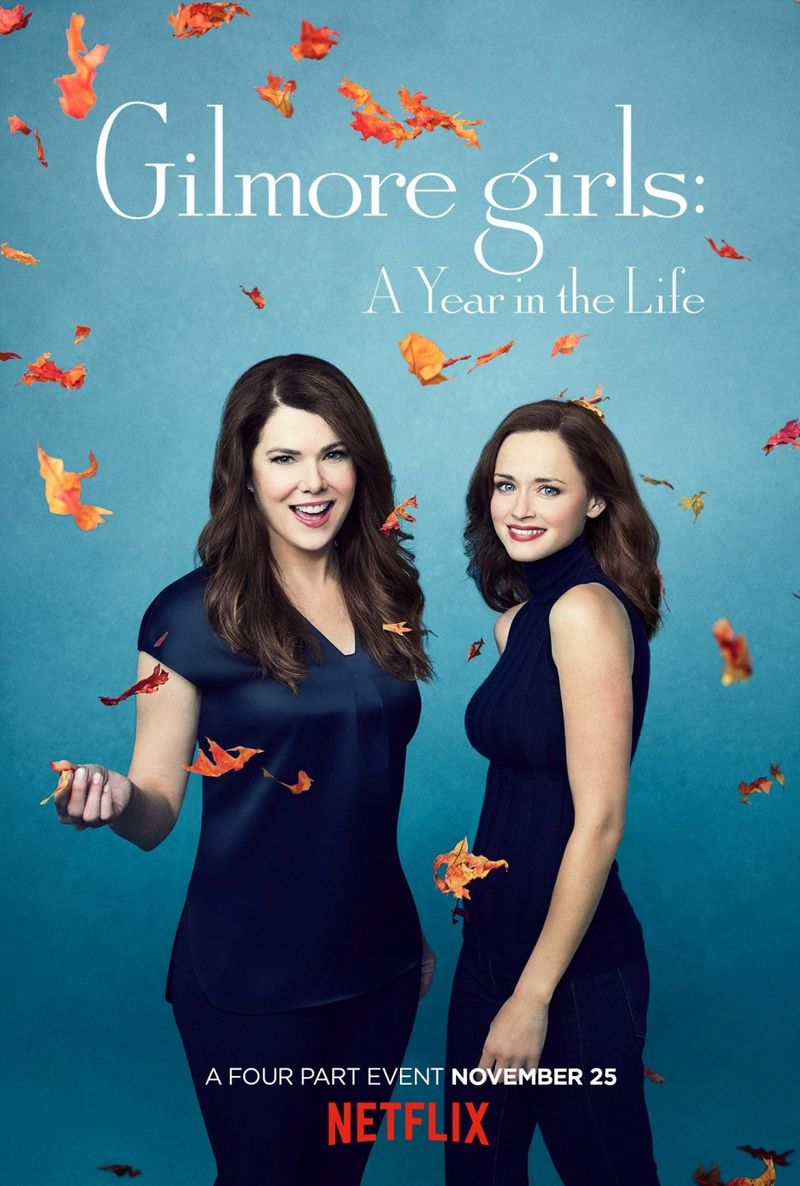
Fast-talking pop culture references don’t automatically equal clever dialogue, though this show certainly thought so.
Lorelai and Rory’s conversations sound like they memorized entertainment magazines rather than speaking like actual humans.
Everyone in Stars Hollow exists solely to be quirky, creating a town that feels more like a theme park than a real place.
The privileged characters constantly complain about problems most people would dream of having.
Rory’s transformation from sweet bookworm to entitled adult who makes terrible choices reveals writing that lost its way.
The revival proved critics right: nostalgia painted this show better than it actually was, and seven seasons was already too many.
8. Sex and the City
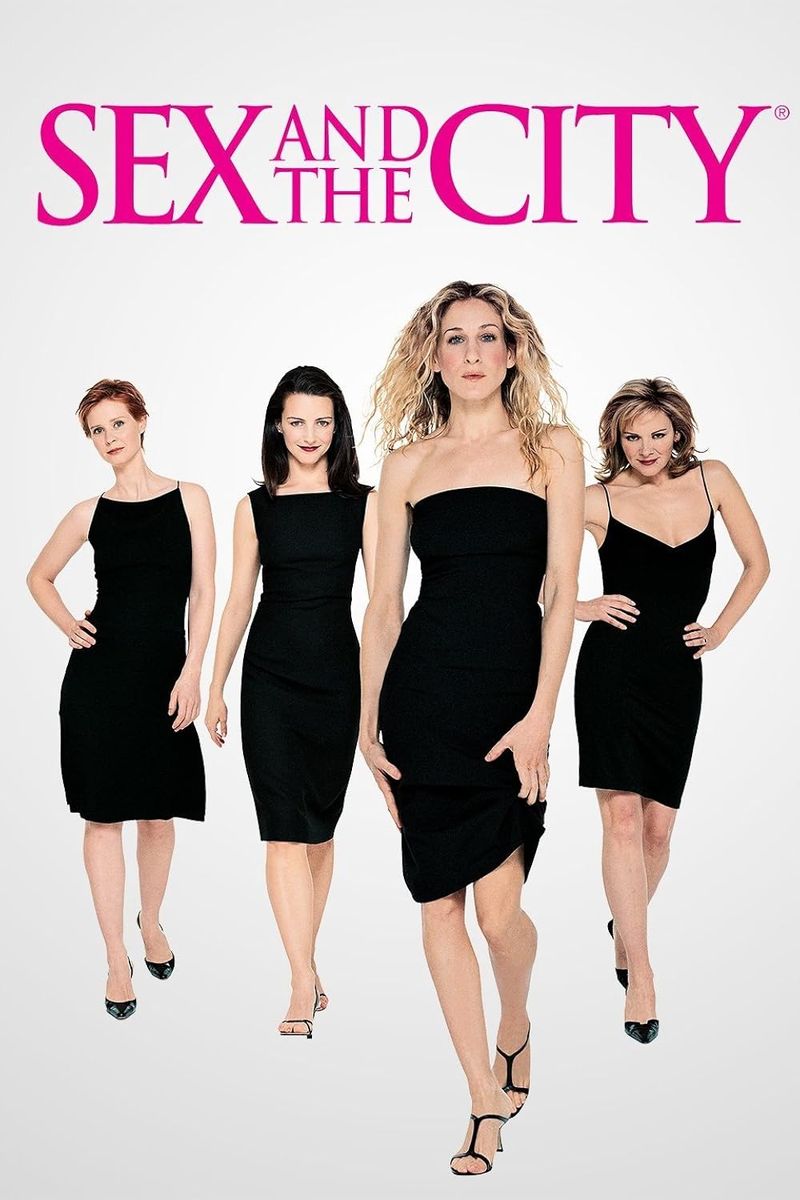
Four wealthy white women obsessing over shoes, men, and brunches supposedly represented modern feminism in the late 90s.
Looking back, the show’s narrow worldview and materialistic values feel more cringeworthy than revolutionary.
Carrie Bradier makes selfishness an art form while her friends enable increasingly problematic behavior.
The show preached female empowerment while reducing women to their relationship status and wardrobe choices.
Sure, it sparked conversations about topics previously considered taboo on television.
However, its dated perspectives on sexuality, race, and class haven’t aged gracefully, revealing how much it reflected privilege rather than genuine progressive values worth celebrating today.
9. How I Met Your Mother
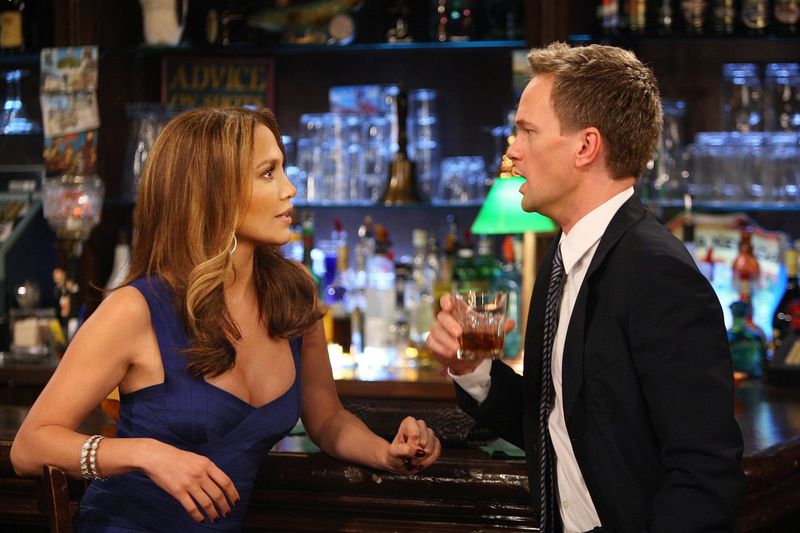
Spending nine seasons building toward a finale that makes the entire journey pointless?
That’s this show’s legacy in a nutshell.
Ted Mosby’s romantic quest grows increasingly irritating as he repeatedly makes the same mistakes while claiming to seek true love.
Barney’s character relies on behavior that’s actually predatory, disguised as playful womanizing for laughs.
The show asks audiences to root for someone whose entire personality revolves around tricking women into bed.
Running gags like slap bets and intervention banners try masking thin plots stretched across too many episodes.
When the mother finally appears, she’s delightful, making the destination even more frustrating and unearned.
10. Heroes
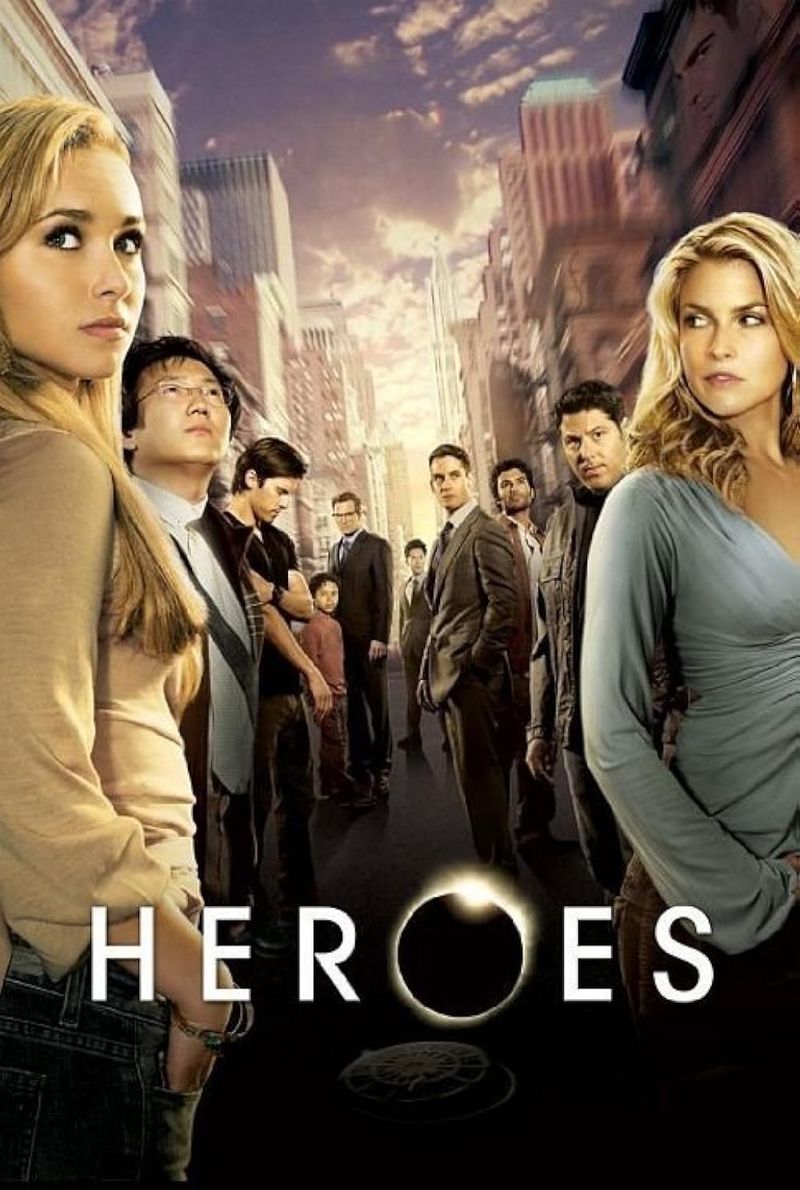
“Save the cheerleader, save the world” promised something groundbreaking in season one.
Then the writers’ strike happened, and the show never recovered its initial magic or coherent plotting.
Powers fluctuated based on plot convenience rather than established rules, frustrating viewers who appreciated consistency.
Characters who should have solved problems instantly suddenly forgot their abilities when convenient for stretching storylines.
The villains became increasingly convoluted while heroes made baffling choices that contradicted their established personalities.
What started as a fresh take on superheroes quickly became a cautionary tale about squandering potential, limping through multiple seasons that should never have happened.
11. Game of Thrones
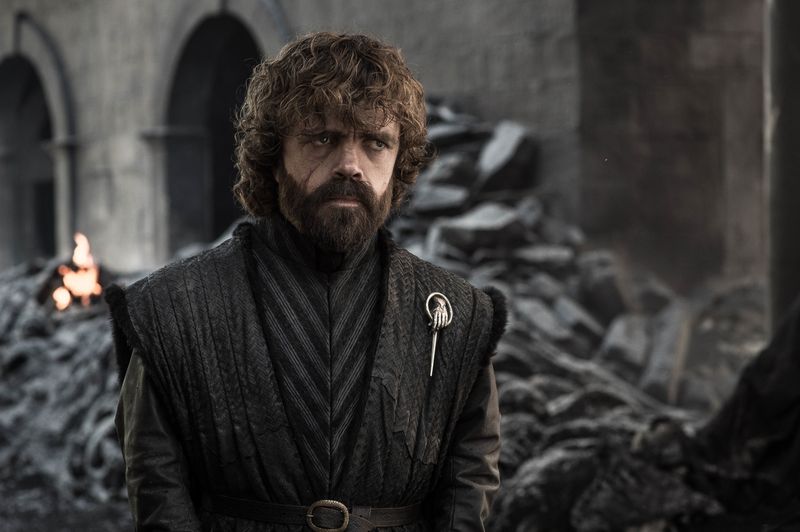
Yes, early seasons delivered unprecedented fantasy television with complex politics and shocking twists.
But that finale?
It retroactively damaged everything that came before, rushing character arcs that deserved proper development.
Once the show surpassed George R.R. Martin’s books, the writing quality nosedived spectacularly.
Characters became shadows of themselves, making decisions that served the plot rather than their established motivations.
Daenerys’s transformation happened so abruptly it felt like writers forgot their own story.
The final season’s rushed pacing and illogical choices proved the series was coasting on reputation rather than maintaining the standards that initially captivated millions worldwide.
12. Stranger Things
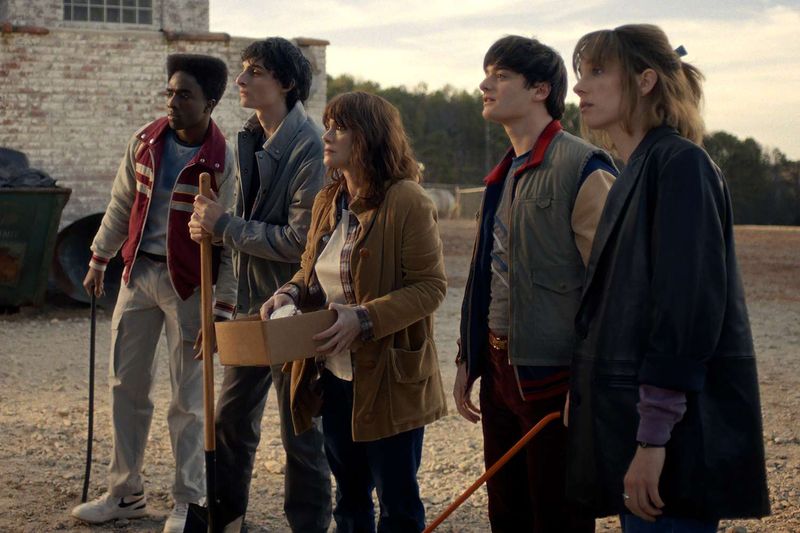
Nostalgia for 80s pop culture carries this show further than its actual storytelling deserves.
Strip away the period details and retro soundtrack, and you’ll find fairly standard supernatural plots that recycle themselves each season.
The Duffer Brothers keep manufacturing reasons why characters can’t simply communicate, creating artificial tension that insults viewer intelligence.
Eleven’s powers conveniently fail or succeed based entirely on what the script needs.
Season one told a complete, satisfying story that didn’t need continuation.
Everything since feels like Netflix squeezing money from a concept that ran out of steam, relying on familiar faces and 80s references instead of fresh ideas.
13. The Office (US)
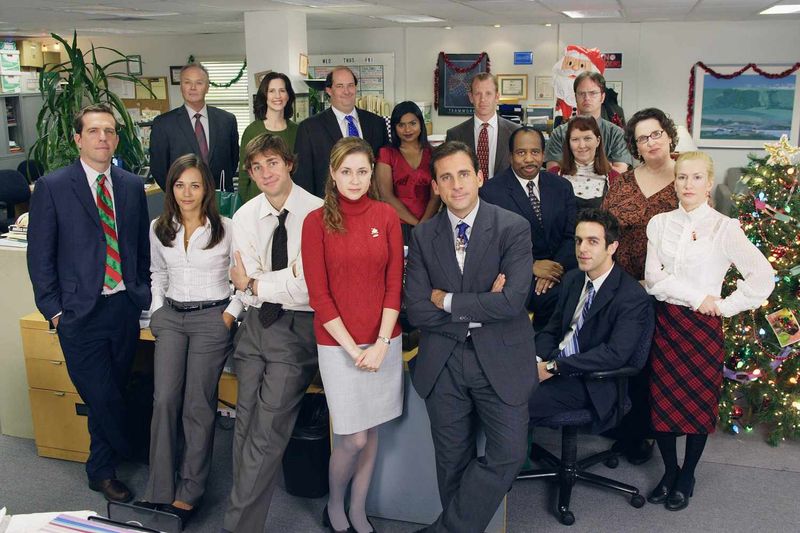
Die-hard fans treat this mockumentary like holy scripture, but objectively, it’s an uneven workplace comedy with several mediocre seasons.
Michael Scott’s behavior crosses from awkward comedy into harassment territory that wouldn’t fly in today’s actual workplaces.
After Steve Carell departed, the show floundered desperately searching for direction.
Characters became caricatures of themselves, and Jim’s pranks on Dwight stopped being clever, revealing their mean-spirited nature.
The Jim and Pam relationship that everyone adores becomes exhausting when you realize they’re actually kind of smug and superior to their coworkers.
Sure, some episodes are genuinely brilliant, but fans ignore the forgettable majority.
14. Gossip Girl
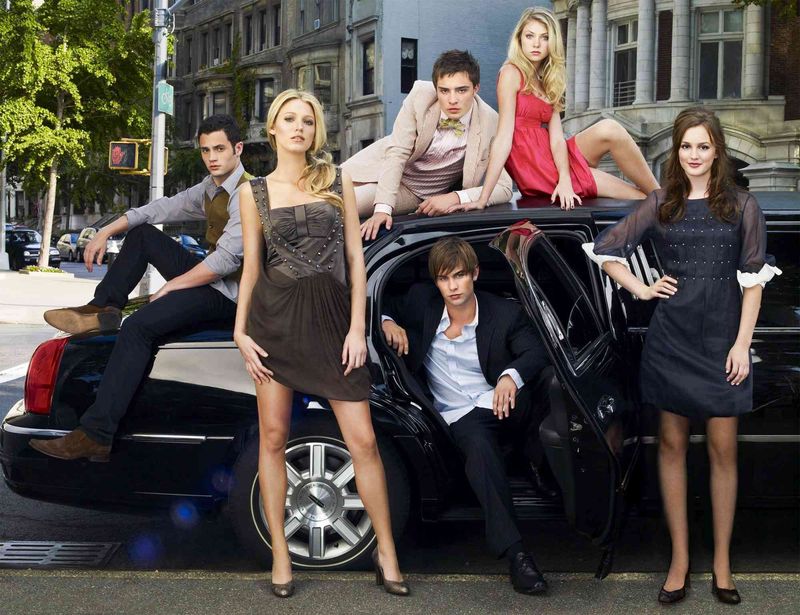
Rich teenagers behaving terribly while facing zero consequences for their actions somehow became appointment television for millions.
These characters attend elite schools and live in penthouses yet act like the world’s most oppressed individuals.
The titular Gossip Girl reveal made absolutely no sense given previous episodes, proving writers invented it last minute.
Serena and Blair’s friendship cycles through the same forgive-betray-reconcile pattern so many times it becomes white noise.
Every adult enables toxic behavior from kids who desperately need therapy and boundaries instead.
The show glorifies wealth and privilege while pretending to critique it, resulting in shallow entertainment that mistakes drama for depth consistently.
15. Pretty Little Liars

Seven seasons of “Who is A?” became torture as writers clearly made things up as they went along.
Plot holes multiplied faster than the show could patch them, creating a mystery that collapsed under its own absurdity.
The reveal of various “A” identities never satisfied because clues didn’t actually point toward them logically.
Instead, the show relied on red herrings and retroactive explanations that contradicted established facts.
Romantic relationships featured concerning age gaps and problematic dynamics glossed over as passionate love stories.
What could have been a tight, compelling mystery stretched into an endless parade of fake deaths, twin reveals, and supernatural elements that destroyed any remaining credibility.
16. Riverdale
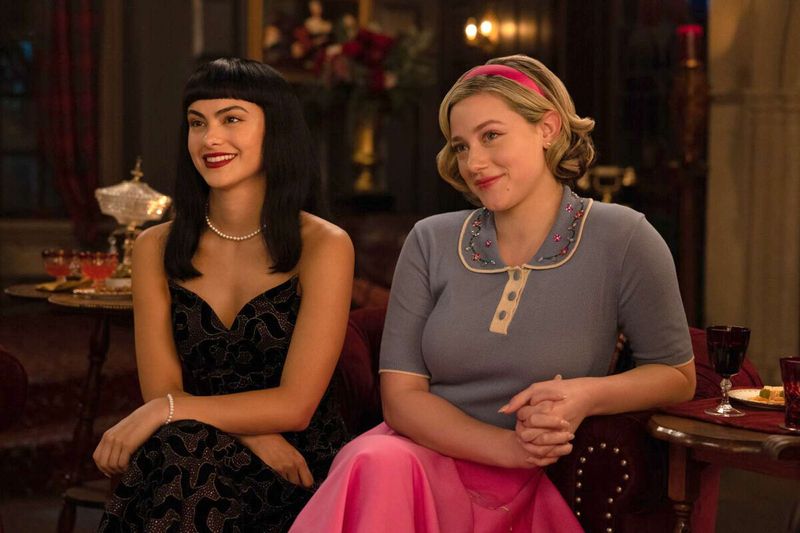
Taking wholesome Archie Comics characters and plunging them into increasingly bonkers plotlines creates unintentional comedy gold.
This show jumps from murder mystery to cult to underground boxing to musical episodes without pausing for breath or logic.
The dialogue sounds like aliens trying to imitate how teenagers speak, resulting in phrases no human would actually say.
Every adult in Riverdale is either corrupt, absent, or enabling minors to run criminal enterprises.
Characters attend school maybe twice per season despite supposedly being high school students.
The show’s commitment to absurdity might seem self-aware, but it genuinely takes itself seriously, which makes the melodrama even more ridiculous and entertaining unintentionally.
17. Emily in Paris

Americans fantasizing about Paris produced this tone-deaf series that manages to insult both French culture and viewer intelligence simultaneously.
Emily’s complete lack of preparation, language skills, or cultural awareness gets framed as charming rather than insufferable.
The fashion receives praise, but her actual job performance would get anyone fired immediately in real life.
She succeeds through plot armor and main character privileges rather than talent or effort.
French characters exist as stereotypes for Emily to feel superior to while somehow everyone falls in love with her.
The show presents a fantasy version of Paris that ignores reality, creating escapism so shallow it becomes frustrating instead of fun.
18. Westworld
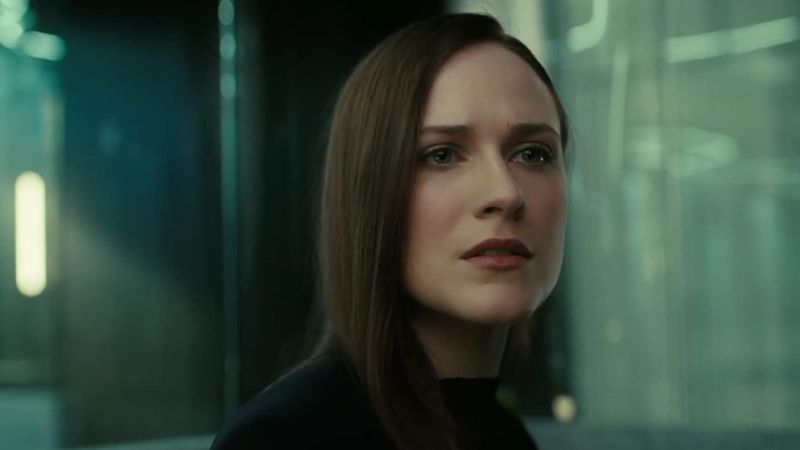
Season one dazzled with philosophical questions about consciousness and intricate timeline puzzles that rewarded careful viewing.
Then the show decided confusing viewers equaled sophistication, spiraling into incomprehensible narratives that prioritized twists over coherence.
Later seasons introduced so many timelines, realities, and character copies that following the plot required spreadsheets and flowcharts.
The show confused complexity with depth, mistaking convoluted storytelling for intelligent writing.
Beautiful cinematography and talented actors couldn’t save scripts that disappeared up their own philosophical pretensions.
What began as thought-provoking science fiction became exhausting homework that punished rather than rewarded viewer investment, losing audiences who initially championed it.
19. 13 Reasons Why

Mental health experts warned this show could be dangerous, yet Netflix pushed forward with graphic depictions that glorified rather than educated.
Hannah’s suicide gets presented as revenge, sending harmful messages to vulnerable viewers.
The show claims to start conversations about serious issues but handles them with shocking irresponsibility.
Graphic scenes serve shock value rather than thoughtful exploration of difficult topics that deserve careful treatment.
Characters make increasingly terrible decisions as the show stretches beyond its initial premise into unnecessary seasons.
What could have been a meaningful examination of bullying’s consequences became exploitative content that prioritized controversy over actual care for its subject matter.
20. Breaking Bad
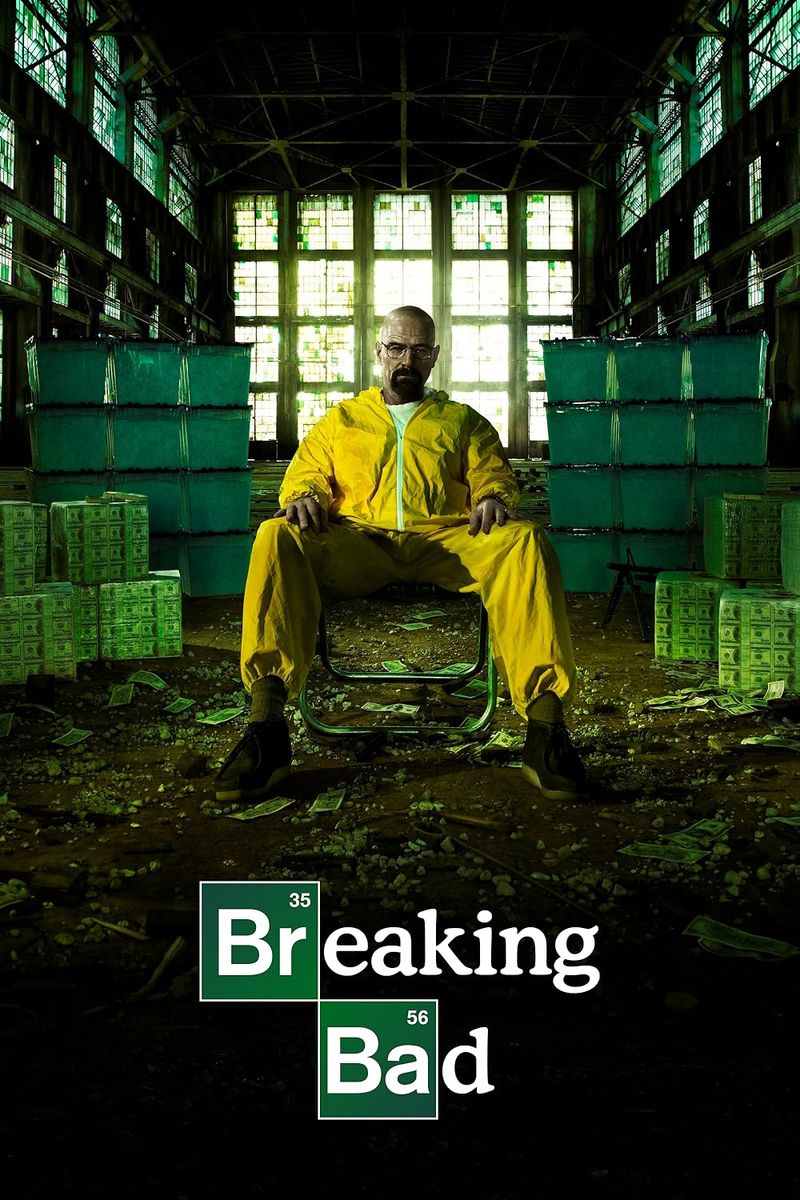
Hold on—yes, Breaking Bad appears here, though calling it overrated requires nuance.
The show is genuinely excellent, but the fanbase elevates it to untouchable masterpiece status that allows no criticism whatsoever.
Pacing issues plague certain seasons, particularly the middle stretches where episodes spin wheels before major events.
Skyler receives undeserved hatred for reacting reasonably to her husband’s transformation into a murderous drug lord.
The show’s brilliance is undeniable, but proclaiming it perfect television ignores legitimate flaws.
Walt’s intelligence fluctuates based on plot needs, and some character decisions feel manipulated for dramatic effect.
Great doesn’t mean flawless, yet fans refuse acknowledging anything less than perfection consistently.
Comments
Loading…