
 Hailey Watson
10 Grocery Store Items That Are a Total Scam (And Why You Keep Buying Them)

Some grocery store staples look like smart buys until you check the price, portion, and marketing tricks hiding in plain sight.
The frustrating part is that these products are designed to feel convenient, healthy, or premium, even when they are anything but.
If you have ever walked out with a full cart and wondered where your money went, you are not imagining it.
Let’s break down the overpriced items that quietly drain your budget and why they keep ending up in your basket.
1. Pre-cut fruits and vegetables
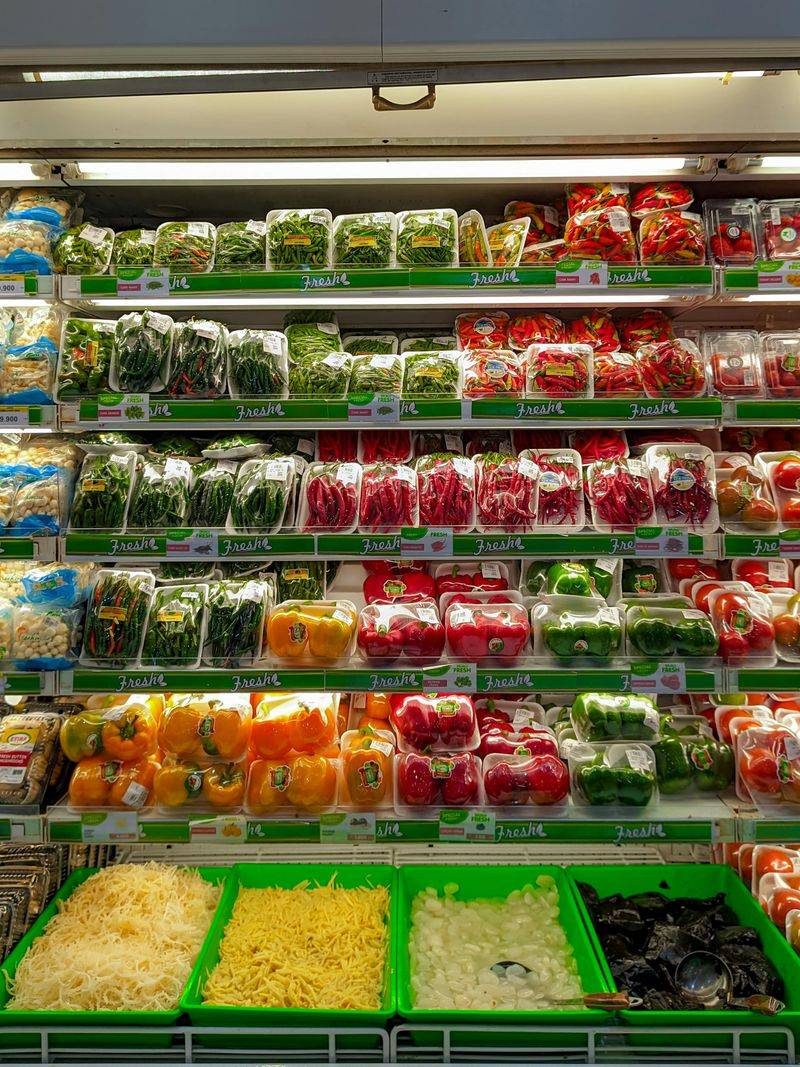
Pre-cut fruit and chopped vegetables feel like a lifesaver when you are busy, and that is exactly why stores charge such a huge markup.
You are often paying double or triple for a little knife work, plus extra packaging that shortens freshness.
The convenience is real, but so is the cost.
What makes this a scam is how easy it is to overlook the math when the portions look neat and ready to use.
I get the appeal, but buying whole produce and spending five minutes prepping at home usually saves a surprising amount.
You also get fresher food and less waste.
2. Bottled water packs
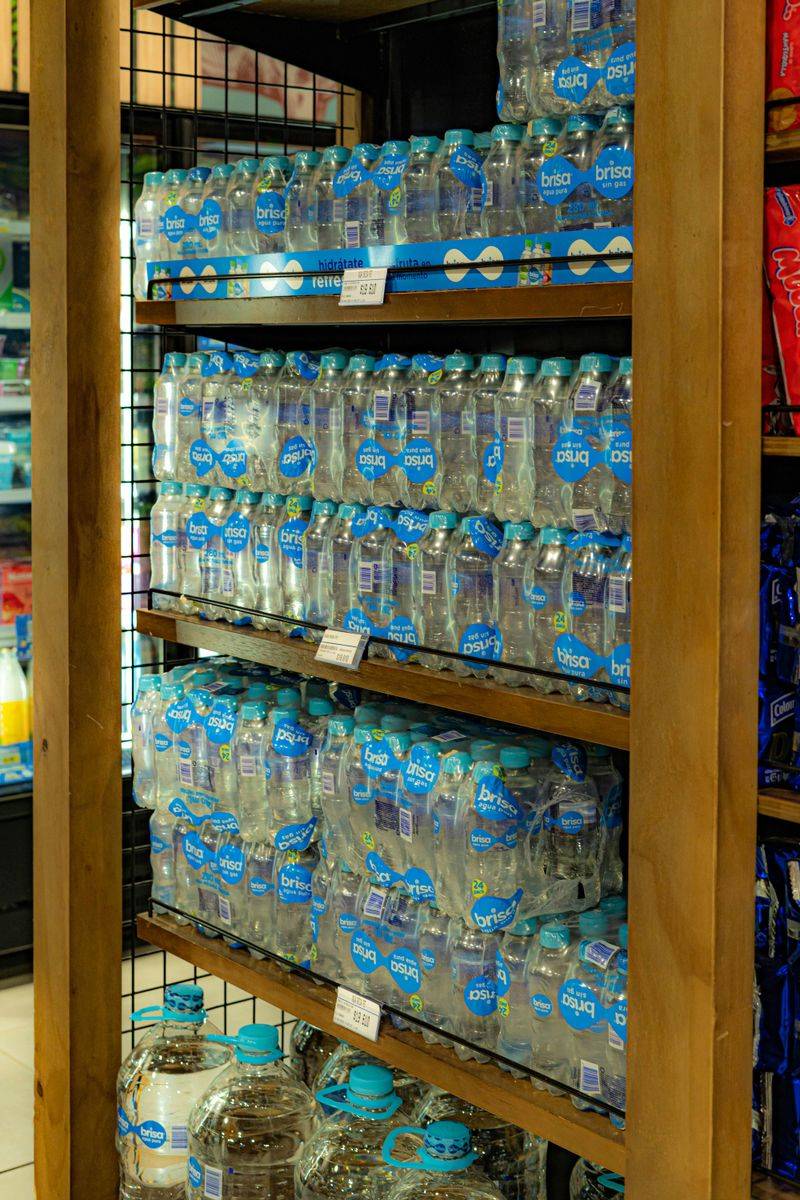
Bottled water is one of the most successful grocery store markups ever created because it sells you convenience at an absurd price.
In many places, you are paying hundreds of times more than tap water, even when quality differences are minor or nonexistent.
The branding makes it feel cleaner, safer, and somehow worth it.
The real trick is habit.
You grab a case because it seems practical, but those small purchases add up fast, and the plastic waste is hard to ignore.
Unless your local water is genuinely unsafe, a filter and reusable bottle usually do the same job for far less money over time.
3. Single-serve snack packs
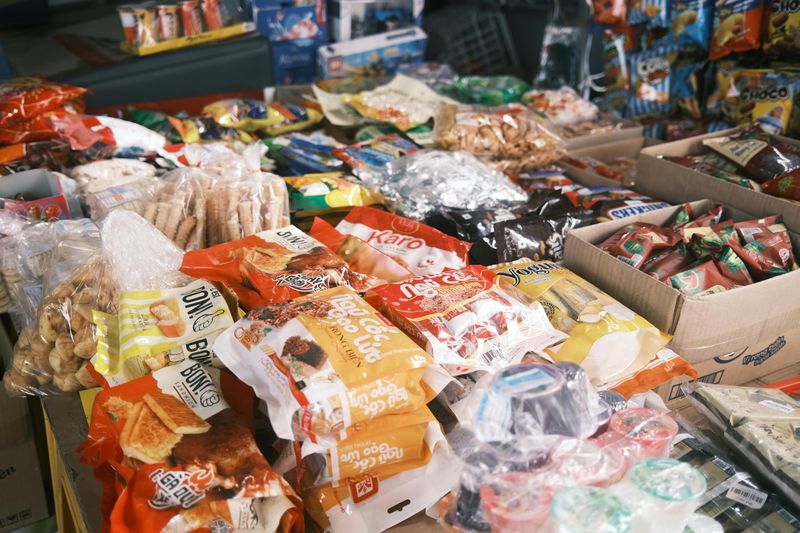
Single-serve snack packs are basically convenience wrapped in tiny portions and inflated prices.
They look organized, lunchbox-friendly, and portion-controlled, but ounce for ounce, they usually cost far more than the full-size version.
You are paying extra for packaging, branding, and the illusion of a better choice.
I understand why they are tempting because they make life feel easier, especially on rushed mornings.
Still, if you buy the larger bag and portion it yourself, the savings are immediate and often dramatic.
Stores know many shoppers will trade a few seconds of effort for a steady stream of higher profit, and those little packs prove it.
4. Bagged salad kits
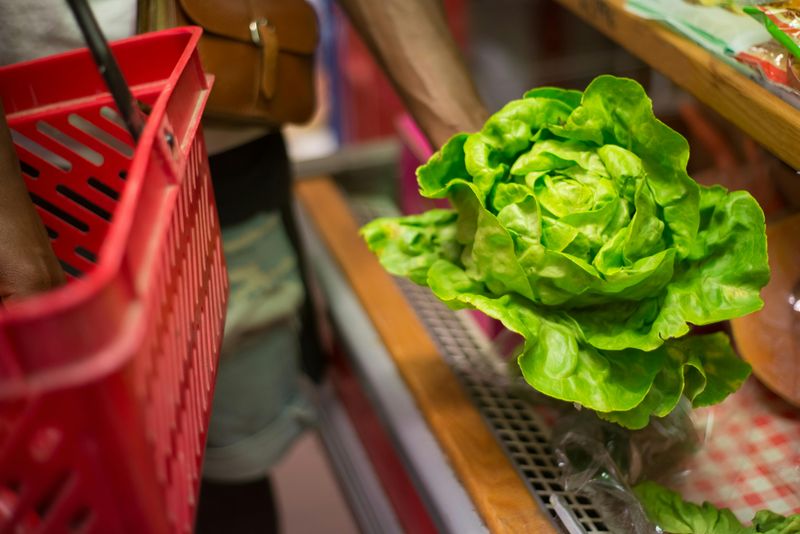
Bagged salad kits promise a healthy, effortless meal, but they often cost much more than buying the ingredients separately.
You get a small amount of greens, a tiny packet of dressing, and a sprinkle of toppings dressed up as a complete solution.
The convenience is appealing, but the value usually is not.
There is also the freshness issue.
Those kits can wilt quickly, and once the lettuce goes slimy, your expensive shortcut becomes trash.
If you keep a few basics on hand like lettuce, carrots, and dressing, you can build the same salad for less and control the quality.
That is a better deal almost every time.
5. Name-brand spices
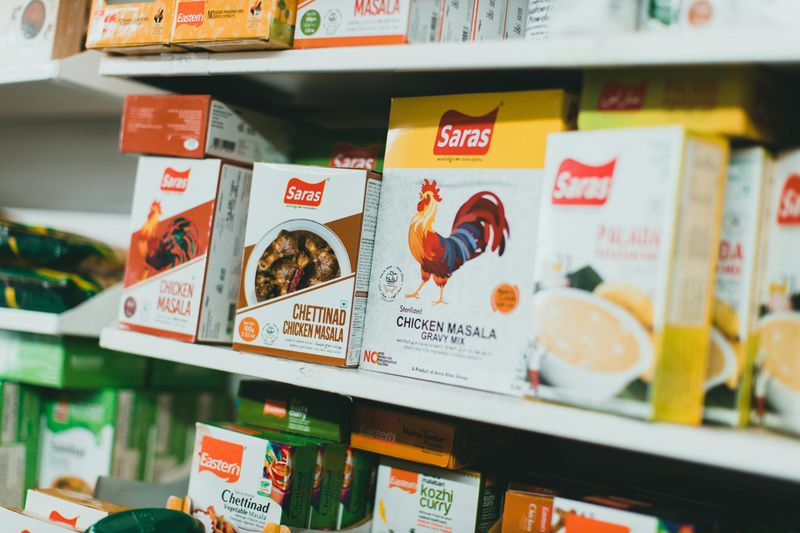
Name-brand spices can be shockingly overpriced, especially when you compare them with store brands, bulk bins, or international markets.
A tiny jar of cinnamon or paprika may cost several dollars more simply because of the label, not because the flavor is dramatically better.
Most shoppers barely notice because spices feel like a small purchase.
That is the trap.
Since you buy them one at a time, the higher cost seems harmless, but over a year it adds up fast.
I have found that cheaper options often taste just as good in everyday cooking, and bulk purchases let you buy only what you need without paying for fancy glass packaging.
6. Pre-marinated meats
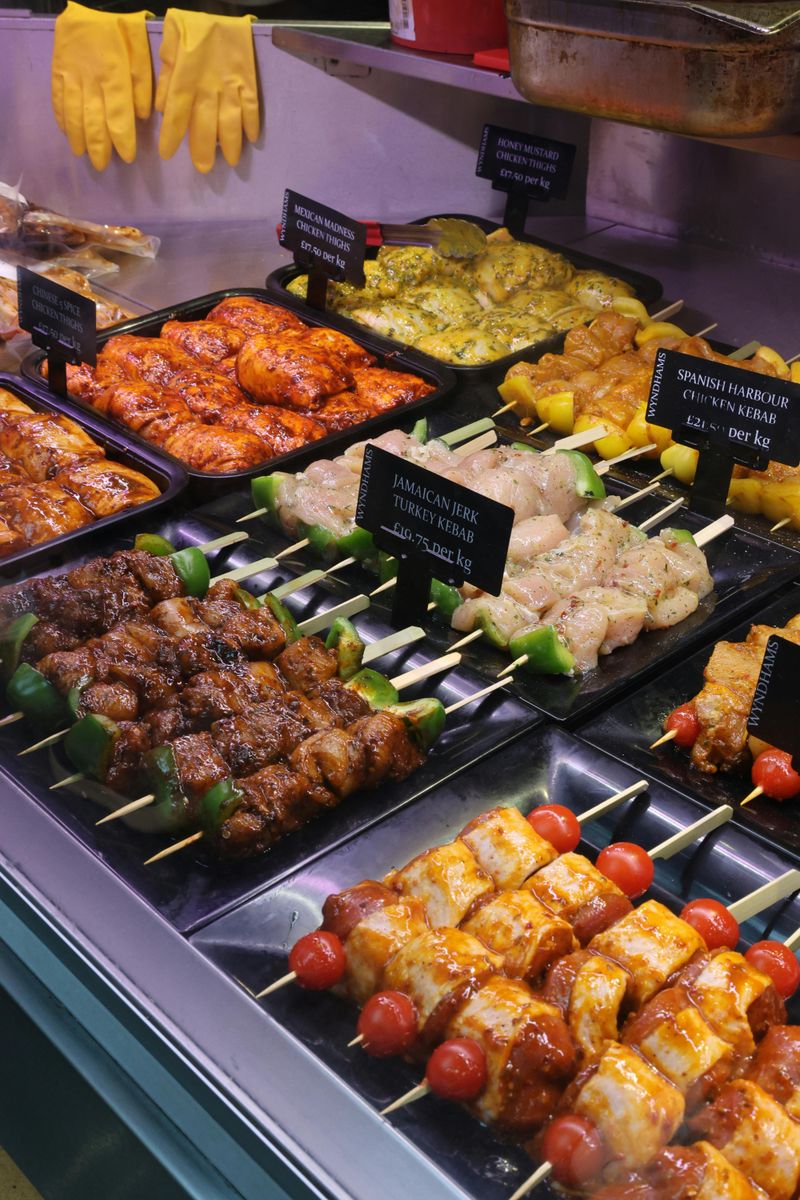
Pre-marinated meats look like an easy dinner win, but they often hide one of the sneakiest markups in the store.
The seasoning and sauce can raise the price significantly, even though the ingredients are cheap and the meat quality may not be any better.
Sometimes you are also paying for extra liquid weight.
The package suggests you are saving time, but mixing oil, salt, and spices at home takes just a few minutes.
Worse, strong marinades can mask older cuts or inconsistent quality, which is not exactly a bargain.
If you want flavor and value, plain meat plus a homemade marinade usually beats the prepped version.
7. Frozen smoothie packs
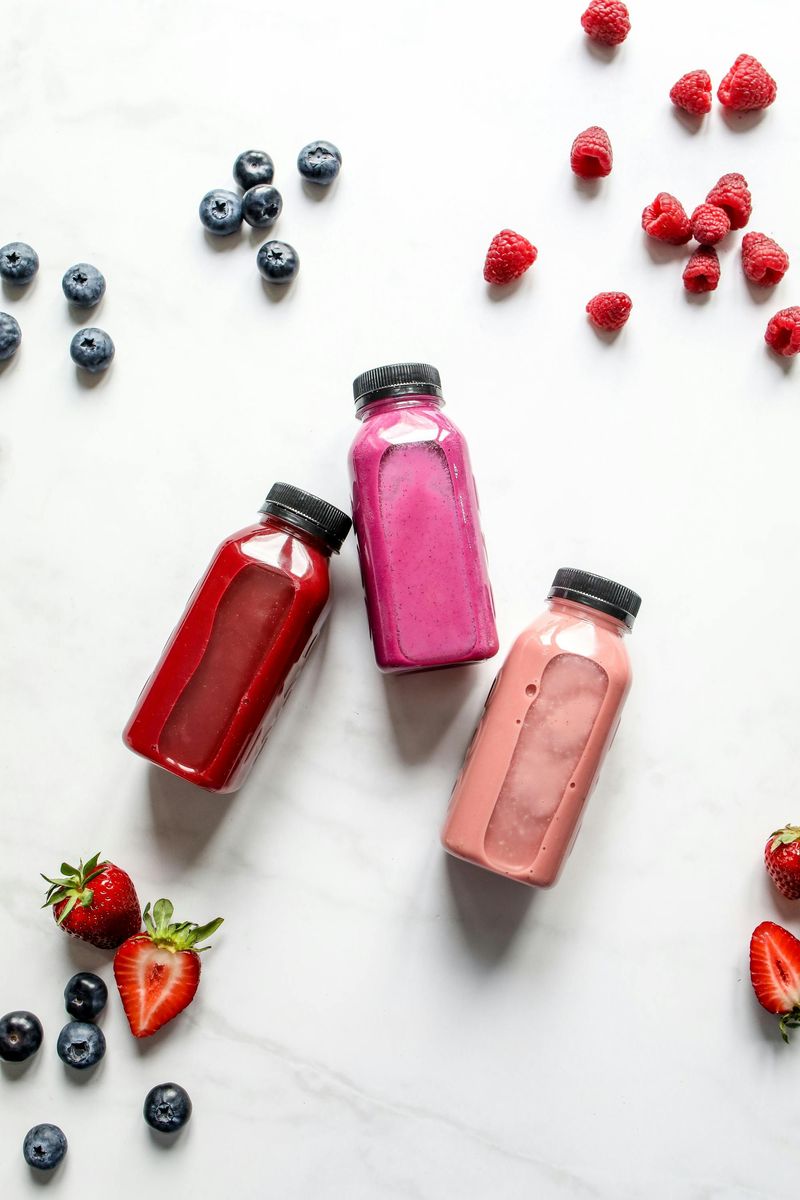
Frozen smoothie packs sell the dream of a healthy breakfast in seconds, but they are usually just overpriced frozen fruit in prettier packaging.
Many include tiny portions, added sugars, or trendy ingredients that sound impressive without changing much nutritionally.
You are paying for the recipe card as much as the food.
The scam works because smoothie packs remove decision fatigue.
You toss one in a blender and feel like you made a smart choice, but buying plain frozen fruit, spinach, and yogurt separately is almost always cheaper.
It also gives you more flexibility, bigger portions, and better control over sweetness, protein, and overall quality.
8. Bakery muffins

Grocery store bakery muffins look homemade and wholesome, but they are often just cake wearing a breakfast disguise.
They are oversized, packed with sugar and oil, and priced much higher than simple ingredients would justify.
The smell, display, and golden tops are doing a lot of persuasive work.
What keeps people buying them is that they feel like a small treat instead of a full dessert.
I have been fooled by that logic too, especially when they are placed near the coffee station.
But when you compare the cost to making a batch at home, or even buying a basic loaf, the markup starts looking pretty ridiculous.
9. Organic junk food
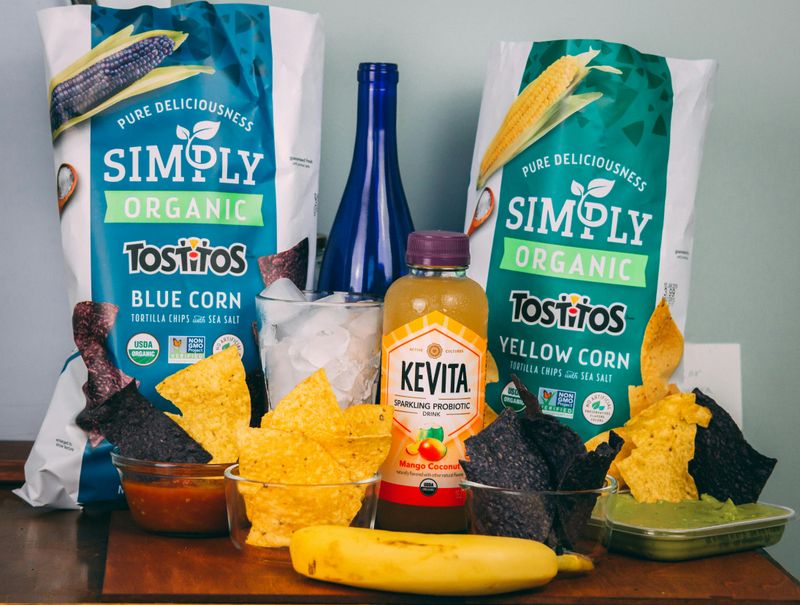
Organic chips, cookies, and candy are a masterclass in premium pricing because the label makes processed snacks seem virtuous.
The packaging uses natural colors and comforting buzzwords, so you feel less guilty paying more for something still loaded with sugar, salt, or refined flour.
Healthy-looking does not always mean healthier.
This is where grocery marketing gets especially clever.
You are not just buying a snack, you are buying reassurance, and that reassurance comes with a markup.
If you want organic ingredients for specific reasons, fine, but it still pays to read the label carefully.
Otherwise, you may be spending extra on branding more than meaningful nutritional differences.
10. Checkout lane impulse items

Checkout lane items are not there by accident.
They are carefully chosen to catch you when you are tired, distracted, and already committed to spending money, which makes them one of the easiest grocery store traps to fall into.
The prices are often terrible compared with buying the same item elsewhere in the store.
What makes this feel like a scam is how psychological it is.
You are not shopping thoughtfully anymore, you are reacting, and stores know that boredom plus low resistance can turn into easy profit.
A candy bar here and a drink there may seem harmless, but over time those little impulse grabs quietly inflate your grocery bill.
Comments
Loading…