
 Harper Hall
Most people assume that aging only shows up in obvious ways, like gray hair or creaky knees.
But doctors and aging experts say there are quieter, sneakier signs that your health might be slipping.
These subtle clues often get ignored until they become bigger problems.
Knowing what to watch for can make a real difference in how well you age.
1. Shrinking Grip Strength
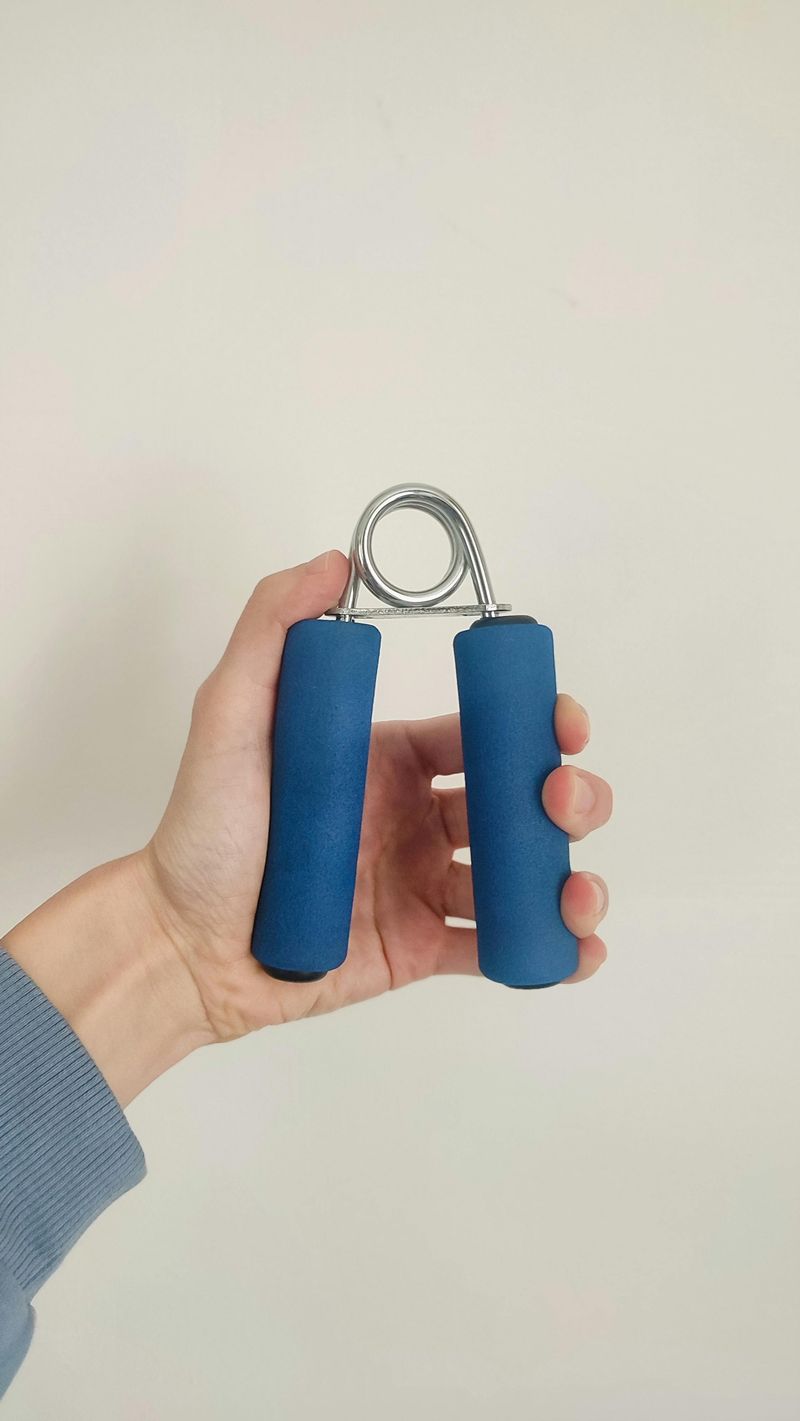
Here is a surprising fact: how tightly you can squeeze something may predict how long you live.
Research has linked weak grip strength to heart disease, cognitive decline, and even early death.
It sounds strange, but your hands tell a bigger story than you might think.
Grip strength naturally fades with age, but a sharp or sudden drop is worth paying attention to.
Simple exercises like squeezing a stress ball or doing light resistance training can help.
Talk to your doctor if opening jars or shaking hands has become noticeably harder over time.
2. Slower Walking Speed
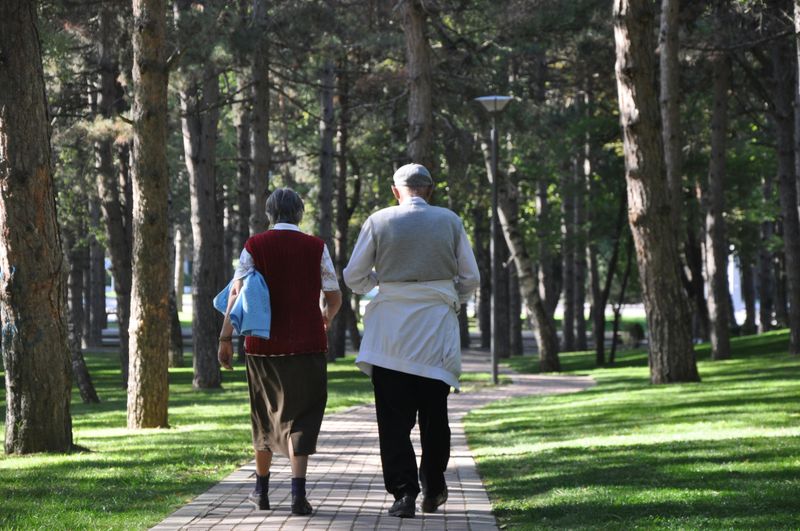
You might not clock your walking speed on a daily basis, but researchers do.
Studies show that how fast you walk is one of the strongest predictors of health and longevity in older adults.
A slowdown that creeps up gradually is easy to miss.
Experts use something called a “gait speed test” to measure this in clinical settings.
Slower walkers tend to show higher risks for falls, hospitalization, and cognitive issues.
If friends or family have started waiting up for you more often, it may be time to bring it up with your healthcare provider.
3. Changes in Smell or Taste

Losing interest in food can seem like just a mood thing, but dulled senses of smell and taste are actually red flags that aging experts take seriously.
These senses are connected to brain function, and their decline has been linked to early signs of Parkinson’s disease and Alzheimer’s.
Did you know that your sense of smell typically starts declining around age 60?
Many people do not notice because it happens so gradually.
If your favorite foods taste bland or you cannot smell things you used to enjoy, mention it at your next checkup.
Early detection really matters here.
4. Increased Social Withdrawal
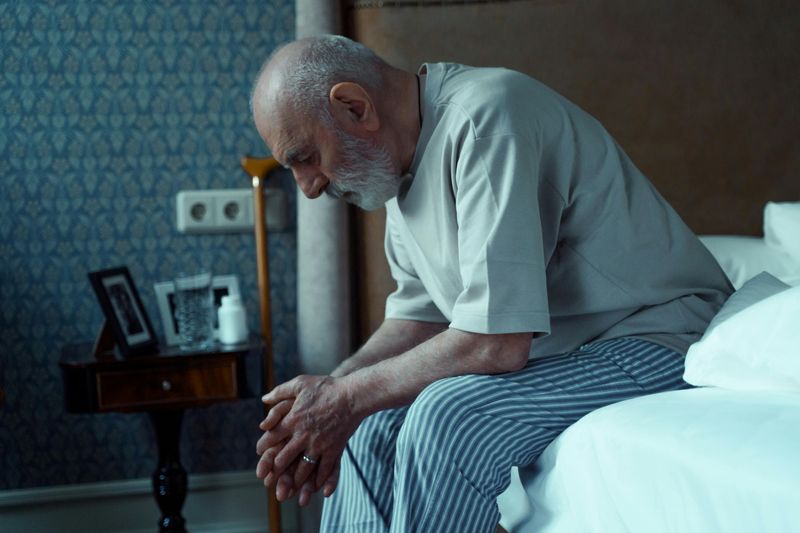
Pulling away from friends and family is not just a personality quirk in older adults.
Chronic loneliness and social isolation have been shown to raise the risk of dementia, depression, and even heart disease.
The body responds to isolation almost the same way it responds to physical pain.
What makes this sign tricky is that it often looks like someone just wants peace and quiet.
But if a once-social person starts skipping gatherings, avoiding phone calls, or losing interest in hobbies, something deeper may be going on.
Encouraging gentle reconnection and open conversation can make a meaningful difference.
5. Frequent Nighttime Urination

Waking up once or twice to use the bathroom might seem like no big deal, but aging experts flag frequent nighttime urination as a sign worth watching.
Medically called nocturia, this pattern can signal heart problems, diabetes, kidney issues, or sleep disorders that need attention.
Many older adults chalk it up to just getting older and move on.
The real concern is not just the underlying cause but also the fall risk that comes with stumbling around in the dark.
Simple changes like limiting fluids after dinner can help, but a pattern of three or more nightly trips warrants a doctor visit.
6. Unexplained Weight Loss

Losing weight without trying might sound like good news, but in older adults it is often a warning sign that something is off.
Unexplained weight loss can point to issues like thyroid problems, cancer, depression, digestive disorders, or medication side effects.
Aging experts consider it one of the most underreported red flags.
A loss of five percent or more of body weight over six to twelve months without intentional dieting should not be brushed off.
Muscle loss is especially concerning because it affects balance, immunity, and overall resilience.
Tracking weight regularly at home is a simple habit that can catch this early.
Comments
Loading…