
 Chloe Peterson
10 Reasons Why Everyone Should Be Required to Live Alone Before Getting Married

Before saying “I do,” there’s one experience that can make a huge difference in how ready you are for marriage: living on your own.
Many people go straight from their parents’ home to sharing a space with a partner, skipping a stage that teaches some of life’s most valuable lessons.
Living alone builds self-awareness, independence, and real-world skills that make you a better partner.
Here are ten compelling reasons why solo living should be a must before walking down the aisle.
1. You Discover Who You Really Are

Most people spend their early years adapting to the needs, habits, and personalities of everyone around them.
When you finally live alone, the noise quiets down and you get to hear your own voice clearly for the first time.
You figure out what you actually enjoy, what bothers you, and what kind of environment helps you thrive.
These discoveries are not small — they shape how you show up in a relationship.
Knowing yourself deeply before committing to someone else means fewer surprises and more honest conversations about what you both need to be happy.
2. Household Chores Become Your Responsibility Alone
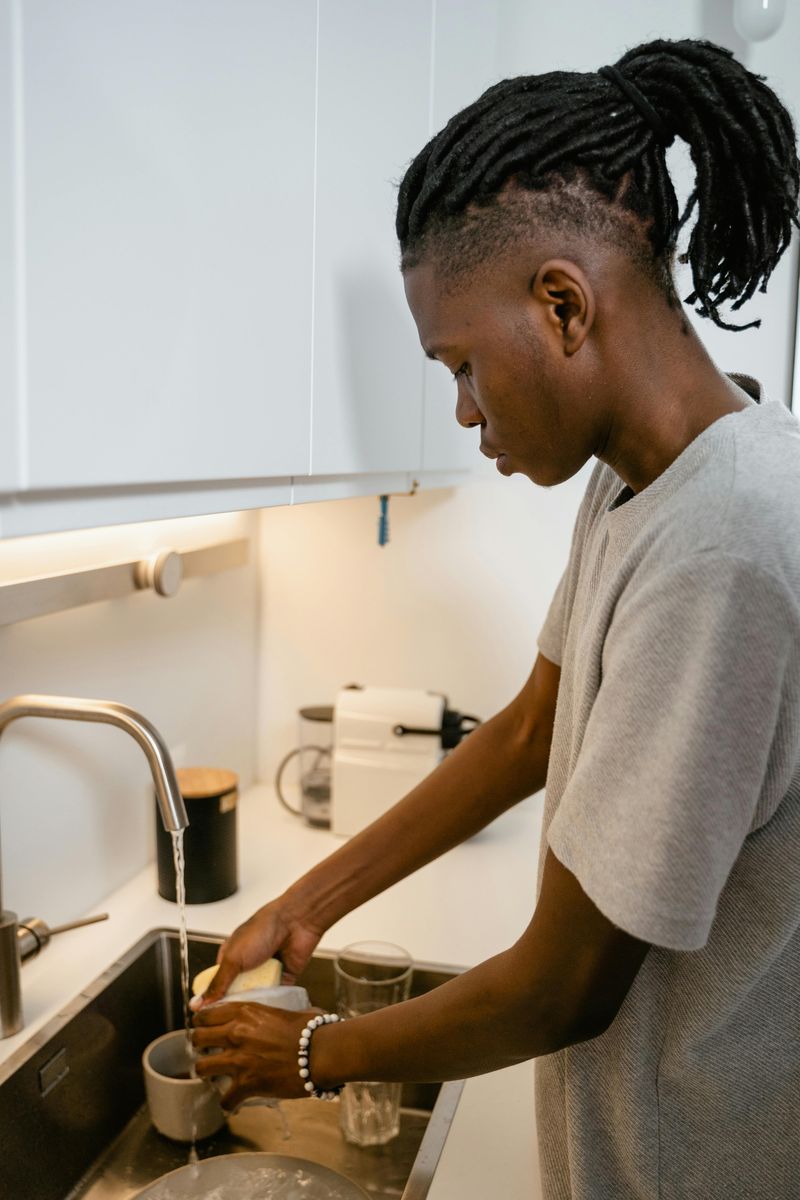
Nobody is coming to wash the dishes, take out the trash, or scrub the bathroom when you live alone.
Every single chore lands squarely on your shoulders, and that reality hits fast.
Handling a home solo teaches you time management, prioritization, and the discipline to keep things running smoothly even when you are tired.
These are not just survival skills — they are partnership skills.
When two people move in together and both understand the weight of household maintenance, resentment is far less likely to build.
Shared responsibility works best when both people already know what it takes.
3. Financial Independence Becomes a Real Skill

Paying rent, utilities, groceries, and unexpected expenses all by yourself is a crash course in financial reality.
There is no splitting the cost, no parent to call in a pinch — just you and your budget.
Living alone forces you to build habits around saving, spending wisely, and planning ahead.
Those habits do not disappear when you get married; they actually become a foundation your relationship can stand on.
Couples who both bring financial literacy into a marriage tend to argue less about money.
And since money disagreements are one of the top reasons marriages struggle, this skill matters more than most people realize.
4. Solitude Teaches You to Enjoy Your Own Company
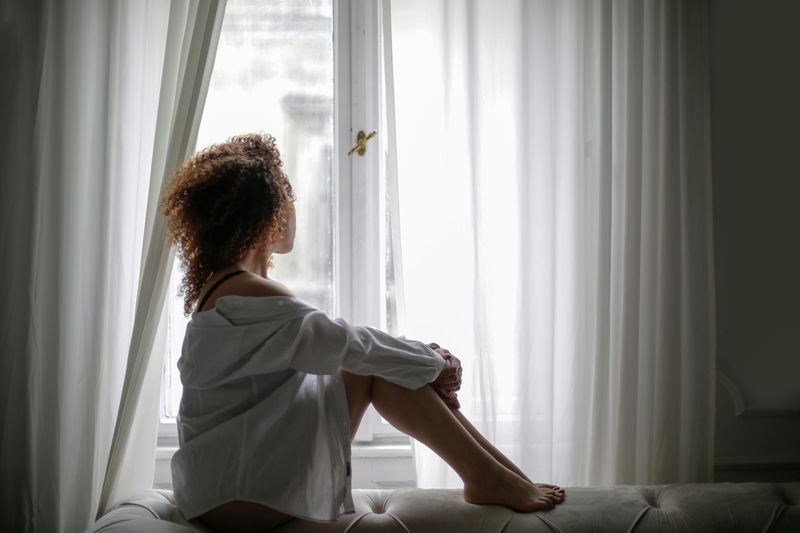
There is a big difference between being lonely and being alone.
Learning to enjoy your own company is one of the healthiest things a person can do before entering a serious relationship.
When you are comfortable being by yourself, you stop looking for a partner to fill an emotional void.
That shift changes everything — you choose a partner because you genuinely want them, not because you need someone to feel okay.
Marriages built on two emotionally whole people tend to be far stronger than those built on dependency.
Solo living is where that emotional wholeness often gets built, one quiet evening at a time.
5. Your Personal Boundaries Become Crystal Clear

Sharing space with family or roommates can blur the lines of what you actually need versus what you have just gotten used to tolerating.
Living alone strips that ambiguity away completely.
You start to notice things like whether you need quiet mornings, how you feel about guests staying over, or how much alone time recharges you.
These are not quirks — they are boundaries, and healthy relationships depend on them.
Knowing your limits before you move in with a partner means you can communicate them clearly from the start.
That kind of honesty prevents a lot of unnecessary friction down the road.
6. Problem-Solving Skills Get a Serious Workout
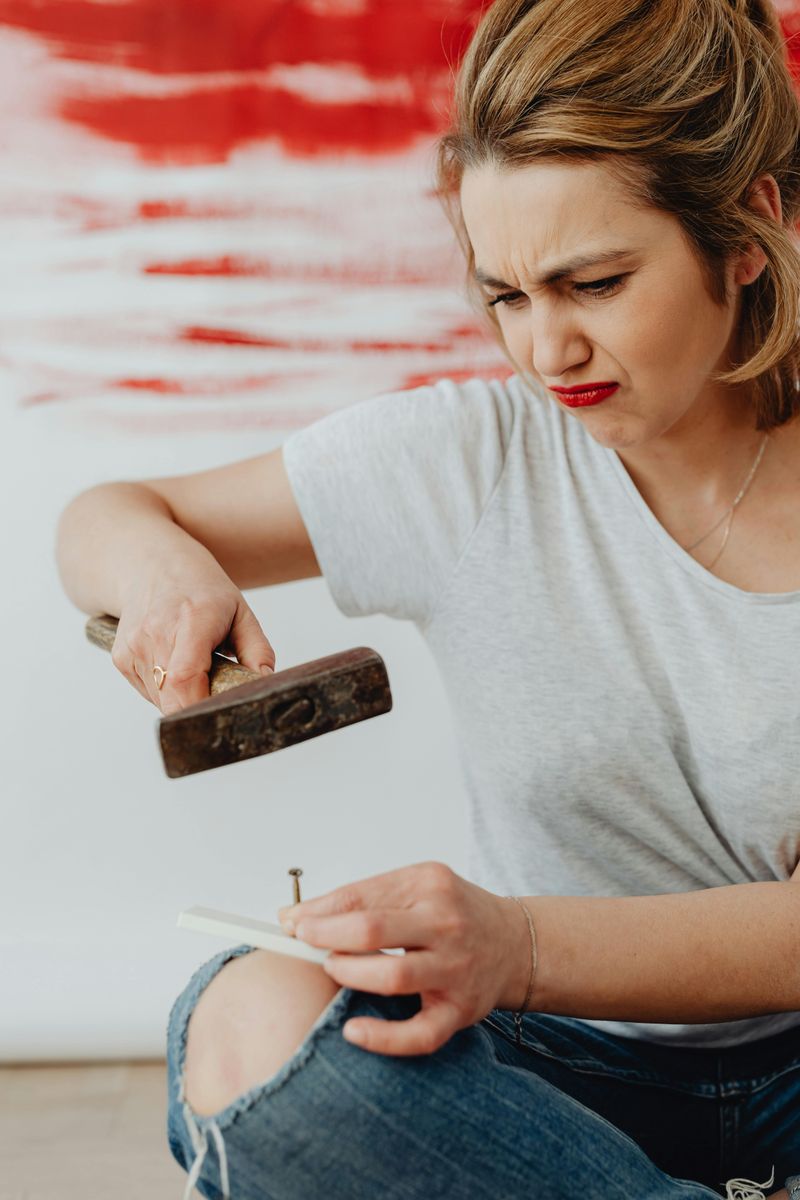
When a pipe leaks at midnight or the electricity goes out unexpectedly, living alone means you are the only person on call.
That pressure is uncomfortable at first, but it builds something remarkable over time.
Handling problems independently — whether practical, financial, or emotional — sharpens your ability to stay calm and think clearly under stress.
Those same skills are invaluable in a marriage, where challenges are inevitable.
A partner who can troubleshoot, adapt, and stay grounded during tough moments is an asset in any relationship.
Solo living is basically a training ground for becoming exactly that kind of steady, capable person.
7. You Build a Routine That Actually Fits You
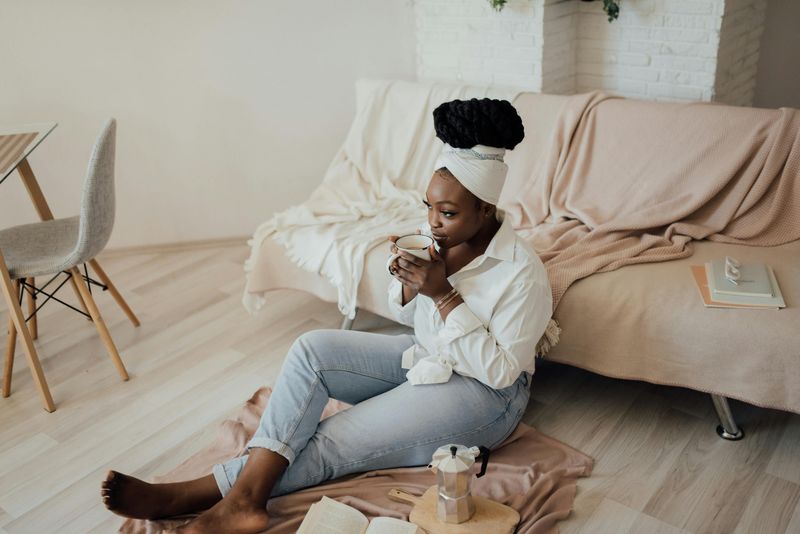
Living with others often means adjusting your schedule around theirs — eating when they eat, sleeping when they sleep, and compromising on things you never consciously chose.
Solo living flips that script entirely.
You get to build a daily routine that genuinely works for your body, your goals, and your energy levels.
Over time, you learn what helps you feel your best and what throws you off completely.
Bringing that self-awareness into a marriage makes cohabitation much smoother.
Instead of quietly resenting a partner for disrupting habits you never clearly defined, you can have an honest conversation about how to build a routine that works for both of you.
8. Emotional Resilience Grows Stronger on Your Own
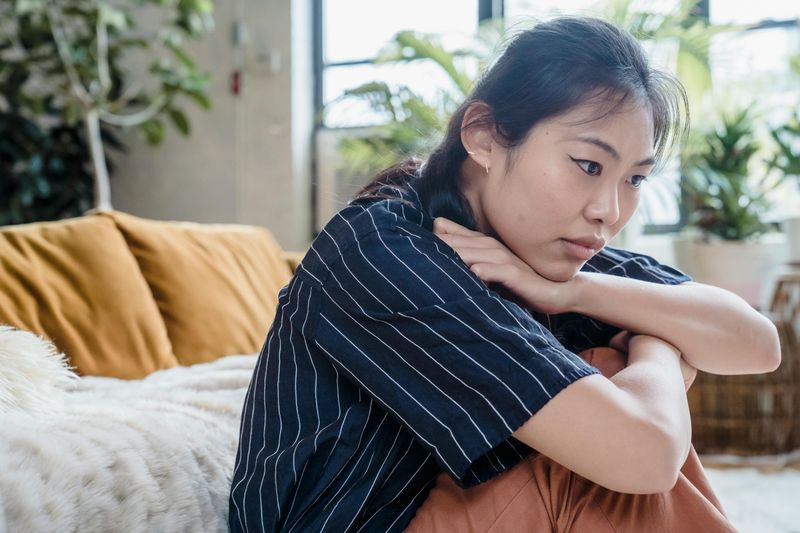
Bad days hit differently when there is no one else in the apartment.
You cannot rely on someone else’s energy to pull you out of a funk — you have to figure out how to manage your own emotions.
That process, as uncomfortable as it sometimes feels, builds real emotional resilience.
You develop coping strategies, self-soothing habits, and a deeper understanding of your own emotional patterns.
Bringing that emotional maturity into a marriage is a gift to both yourself and your partner.
A person who can regulate their own emotions is far easier — and far more rewarding — to build a life with.
9. Social Relationships Become More Intentional

When you live alone, nobody is automatically around.
Every social interaction requires you to reach out, make plans, and invest energy — and that changes how you think about relationships entirely.
You start to notice which friendships feel energizing and which ones drain you.
You also get better at asking for help and being present when others need support, because you understand what it means to genuinely need connection.
Those insights carry directly into marriage.
A partner who has learned to nurture relationships intentionally brings warmth, effort, and real appreciation to a shared life — qualities that keep long-term love alive and growing.
10. You Enter Marriage as a Whole Person, Not a Half

The old idea that marriage is about finding your “other half” sounds romantic, but it sets a risky expectation.
Two halves leaning on each other for completeness creates fragility, not strength.
Living alone before marriage helps you arrive as a full, self-sufficient person who chooses partnership out of love rather than need.
That distinction matters enormously when life gets hard, as it always does eventually.
Two whole people who have each learned to stand on their own feet build something far more durable together.
The best marriages are not lifelines — they are partnerships between individuals who are already genuinely okay on their own.
Comments
Loading…