
 Hailey Watson
Building a strong relationship with your daughter-in-law can make all the difference in your family’s happiness.
The words you choose carry more weight than you might realize, and a careless comment can create tension that lasts for years.
If keeping your grandkids close matters to you, knowing what NOT to say is just as important as knowing what to say.
Here are nine phrases to avoid if you want a warm, lasting bond with your son’s partner.
1. I Raised My Son a Certain Way

Nothing shuts down a conversation faster than reminding your daughter-in-law how you did things before she came along.
This phrase sends a clear message: “My way is the right way.”
It dismisses her role as a partner in the home and can feel deeply condescending.
Your son is no longer just your child — he is also her husband.
Parenting styles, household habits, and daily routines naturally evolve over time.
What worked decades ago may not fit today’s world.
Respecting her approach shows emotional maturity and keeps the family atmosphere warm and welcoming for everyone involved.
2. You’re Not Doing It the Way We Do It in Our Family

Every family has its own traditions, and that is a beautiful thing.
But announcing that your daughter-in-law is doing something “wrong” simply because it differs from your customs is a fast track to resentment.
She brings her own background, values, and experiences to the relationship.
When two families merge, something new is created — and that is worth celebrating, not criticizing.
Pointing out differences as flaws makes her feel like an outsider in her own home.
Try asking about her family traditions instead.
You might discover something wonderful, and she will feel genuinely valued and respected.
3. My Son Deserves Better
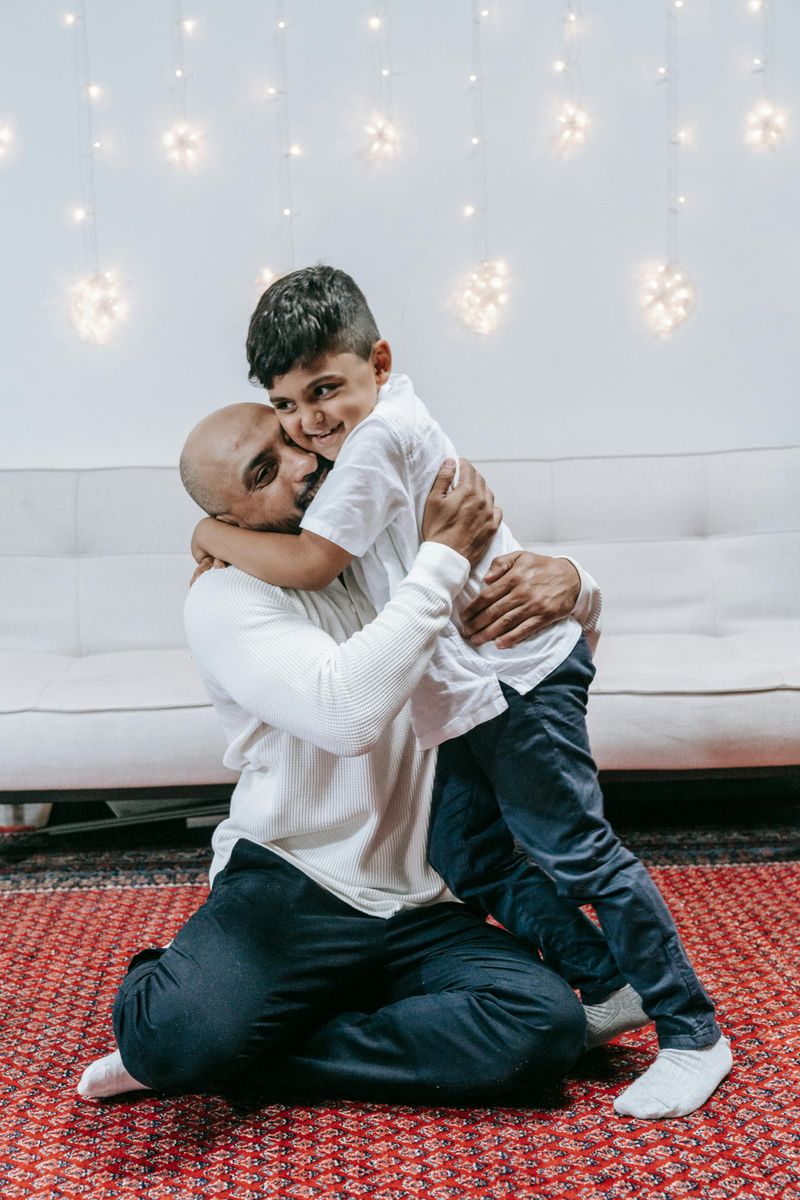
Few phrases are more devastating than this one.
Saying your son deserves better is a direct personal attack on your daughter-in-law’s worth as a partner and a person.
Even if said in a heated moment, those words leave scars that do not fade quickly.
Relationships have rough patches — every single one of them.
If your son chose her, trust that choice.
Undermining their partnership damages not just your relationship with her, but also with your son.
Words spoken in anger rarely reflect the full truth.
Choose kindness, even when emotions are running high and frustrations feel overwhelming.
4. When Are You Having Kids?” or “When Are You Having More?

Reproductive choices are deeply personal, and this question — however well-meaning — can cause real emotional pain.
Many couples face fertility struggles, pregnancy loss, or simply have made a thoughtful decision not to have children.
You may never know the full story behind their silence.
Asking repeatedly sends the message that her value in the family depends on producing grandchildren.
That is an unfair and heavy burden to place on anyone.
Show genuine interest in who she is as a person instead.
A relationship built on respect goes much further than one built on expectations about her body or her choices.
5. You’re Too Sensitive

Dismissing someone’s emotions is one of the quickest ways to destroy trust.
Telling your daughter-in-law she is “too sensitive” invalidates her feelings and signals that her emotional experience does not matter to you.
Over time, she will simply stop sharing anything meaningful with you.
Feelings are not facts, but they are always real to the person experiencing them.
A caring response goes a long way — something as simple as “I can see that upset you” makes a huge difference.
Emotional safety is the foundation of any strong relationship.
Build it carefully, and she will want to keep you close.
6. You’re Keeping My Son From Me

Blame is a relationship killer.
Accusing your daughter-in-law of keeping your son away puts her in an impossible position and forces him to choose sides — which never ends well for anyone.
Adult children naturally shift their focus toward their own households as they grow into their roles as spouses and parents.
This is a healthy, normal part of life, not a conspiracy against you.
If you feel disconnected from your son, try having an honest, gentle conversation with him directly.
Placing blame on his partner breeds hostility.
Approaching the situation with openness and vulnerability builds bridges instead of walls.
7. I Know My Son Better Than You Do

You raised him — of course you know him deeply.
But your daughter-in-law knows the version of him that exists today, the man he has become, the partner he is behind closed doors.
Both relationships hold value, but they are very different in nature.
Saying this out loud turns knowledge into a competition, and nobody wins that game.
It signals that you see her as less important in his life, which can breed lasting bitterness.
Sharing stories and memories about your son is wonderful.
Weaponizing them to assert superiority is a completely different thing — one worth avoiding entirely.
8. That’s Not How You Should Raise Your Kids
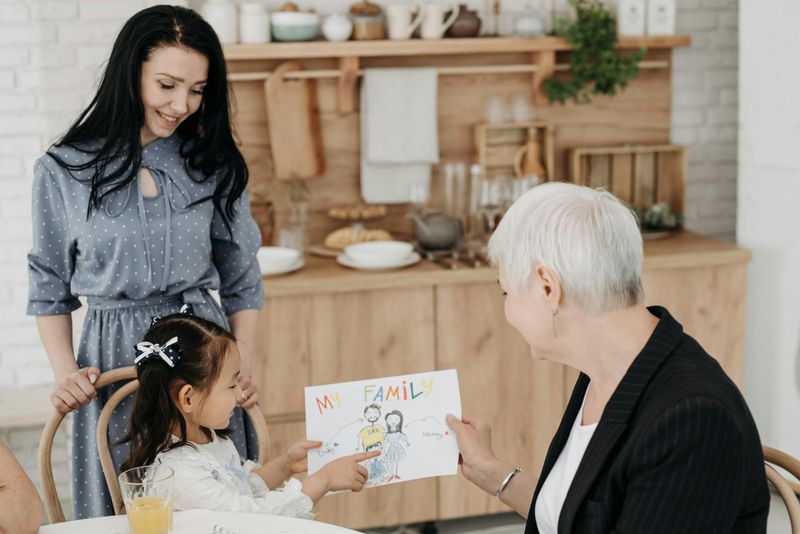
Parenting criticism is perhaps the most explosive territory you can enter.
Every parent makes choices based on their values, research, and circumstances.
Telling your daughter-in-law she is raising her children incorrectly is not just hurtful — it is a direct challenge to her authority as a mother.
Unless a child is in genuine danger, unsolicited parenting advice rarely lands well.
Most new parents already carry enormous self-doubt and do not need extra pressure from family members.
Offer support instead of critique.
Ask how you can help, cheer their efforts, and celebrate the love they pour into raising your grandchildren every single day.
9. You’re Lucky to Be Part of This Family
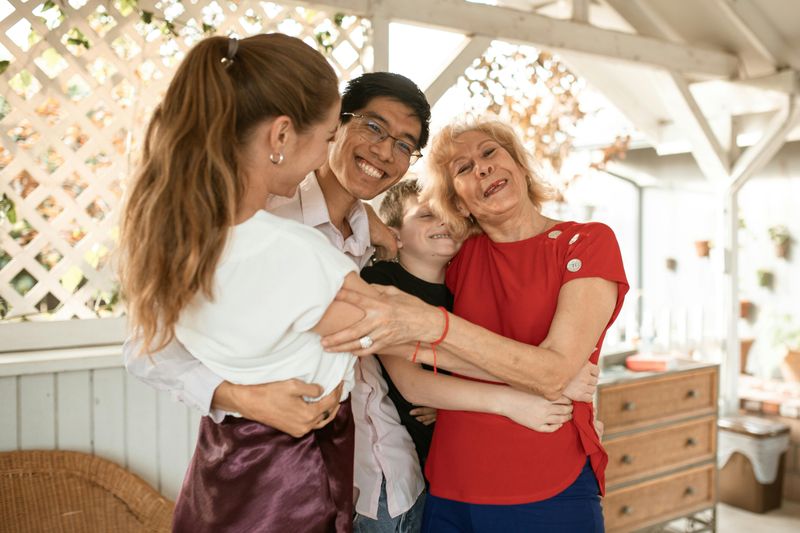
This one might seem like a compliment on the surface, but it carries a sharp edge.
Saying she is “lucky” to join your family implies that the relationship is one-sided — that she is the beneficiary and your family is doing her a favor.
That is not how healthy partnerships work.
Your son is equally lucky to have found someone who loves him and commits to building a life together.
Relationships thrive on mutual appreciation, not scorecards.
A simple “We are so glad you are part of our family” says everything you mean, without the unintentional sting that comes with the word “lucky.”
Comments
Loading…