
 Isabel Parker
’70s Icons Who Lost the Spotlight by the ’80s — Can You Name Them?
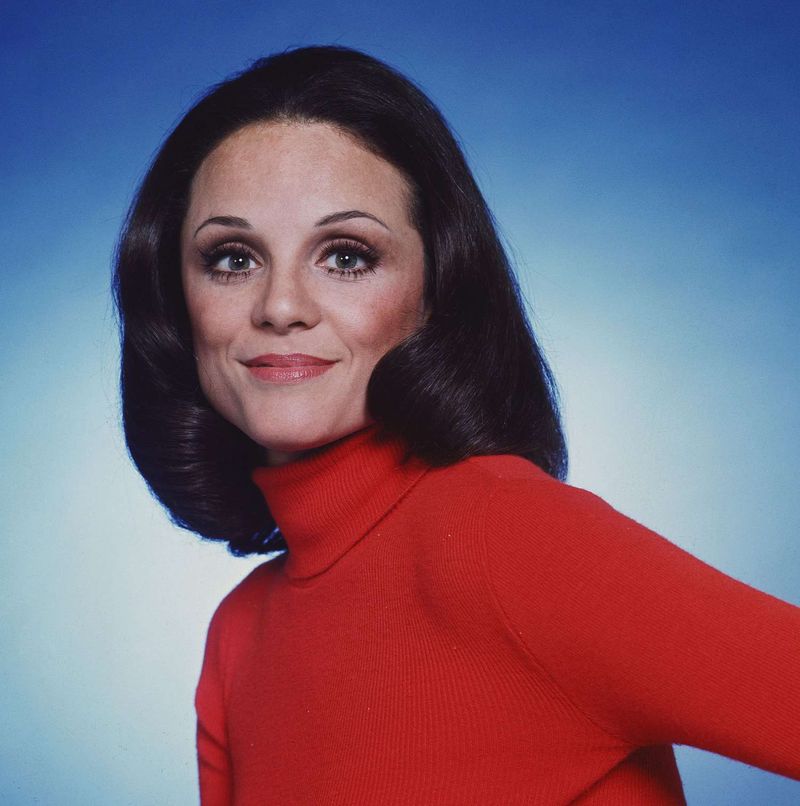
The 1970s gave us some of the most memorable faces in entertainment history.
From rock legends to daredevil stuntmen, these stars seemed unstoppable during their heyday.
But when the 1980s rolled around, many of these household names quietly slipped away from the public eye, leaving fans wondering what happened to their favorite icons.
1. Rod Stewart
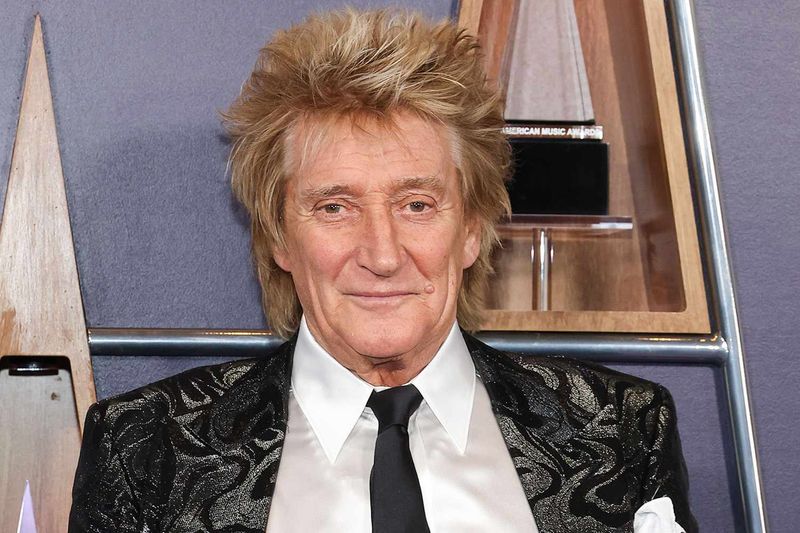
Before the soft ballads took over, Rod Stewart was the raspy-voiced rebel who ruled rock radio.
His 1971 hit “Maggie May” turned him into a superstar, and throughout the decade, he delivered one powerful anthem after another.
But something changed when the calendar flipped to the ’80s.
Stewart started leaning toward smoother, more radio-friendly pop songs that lacked the gritty edge fans loved.
While he remained successful, many longtime followers felt he’d traded his rock soul for mainstream appeal.
His transformation became a classic example of an artist evolving in ways that left original fans behind, even as he gained new ones.
2. Cher
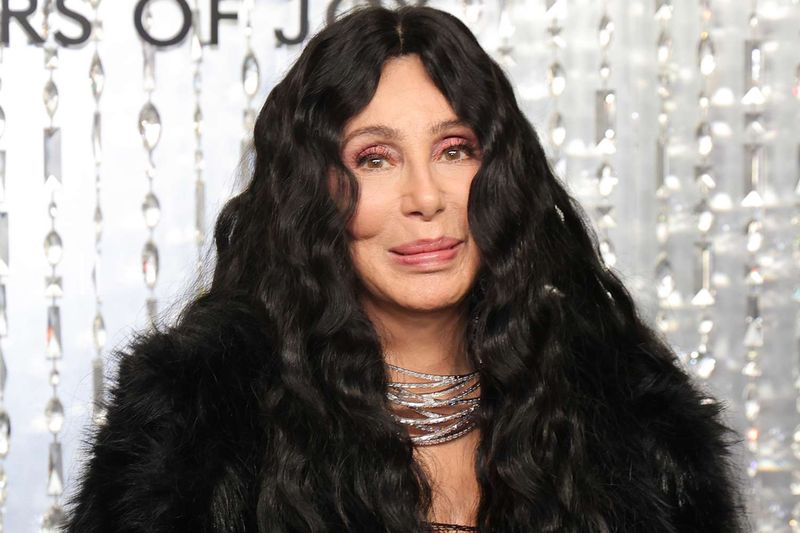
With songs like “Half-Breed” and “Gypsys, Tramps & Thieves,” Cher dominated the ’70s music scene with bold, theatrical performances.
Her daring outfits and fearless attitude made her impossible to ignore, and she seemed to own every stage she stepped onto.
As the ’80s arrived, her sound shifted toward mainstream pop, smoothing out the raw edges that made her special.
Though she remained famous, something about that wild, unpredictable energy had faded.
Critics noticed the change, and so did her most devoted followers.
Cher eventually reinvented herself successfully, but that transition period marked a noticeable dip in her cultural impact.
3. Evel Knievel
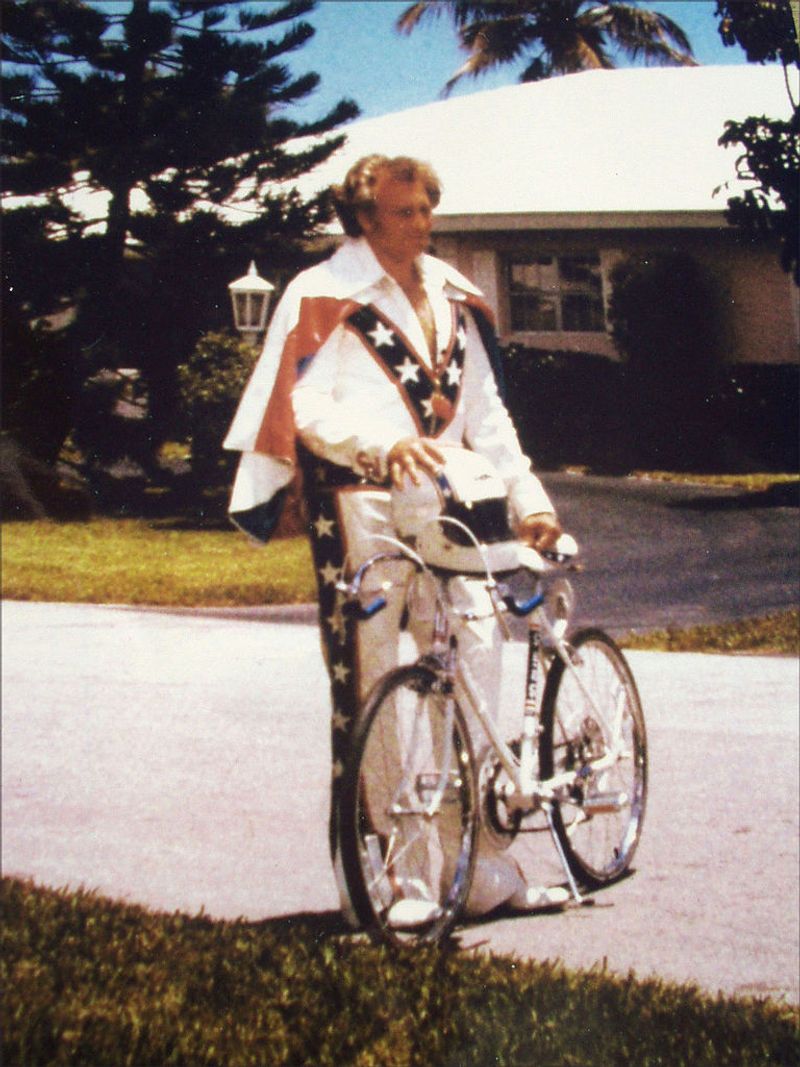
Nobody embodied fearless showmanship quite like Evel Knievel.
Throughout the ’70s, his death-defying motorcycle jumps captivated millions, turning him into an American legend.
Kids everywhere owned his action figures and dreamed of becoming daredevils themselves.
However, the constant crashes and broken bones eventually caught up with him.
By the early ’80s, his body simply couldn’t handle the punishment anymore.
Injuries forced him to retire from the stunts that made him famous, and without those spectacular jumps, public interest gradually faded.
His legacy lived on, but the man himself stepped out of the spotlight for good.
4. Leif Garrett
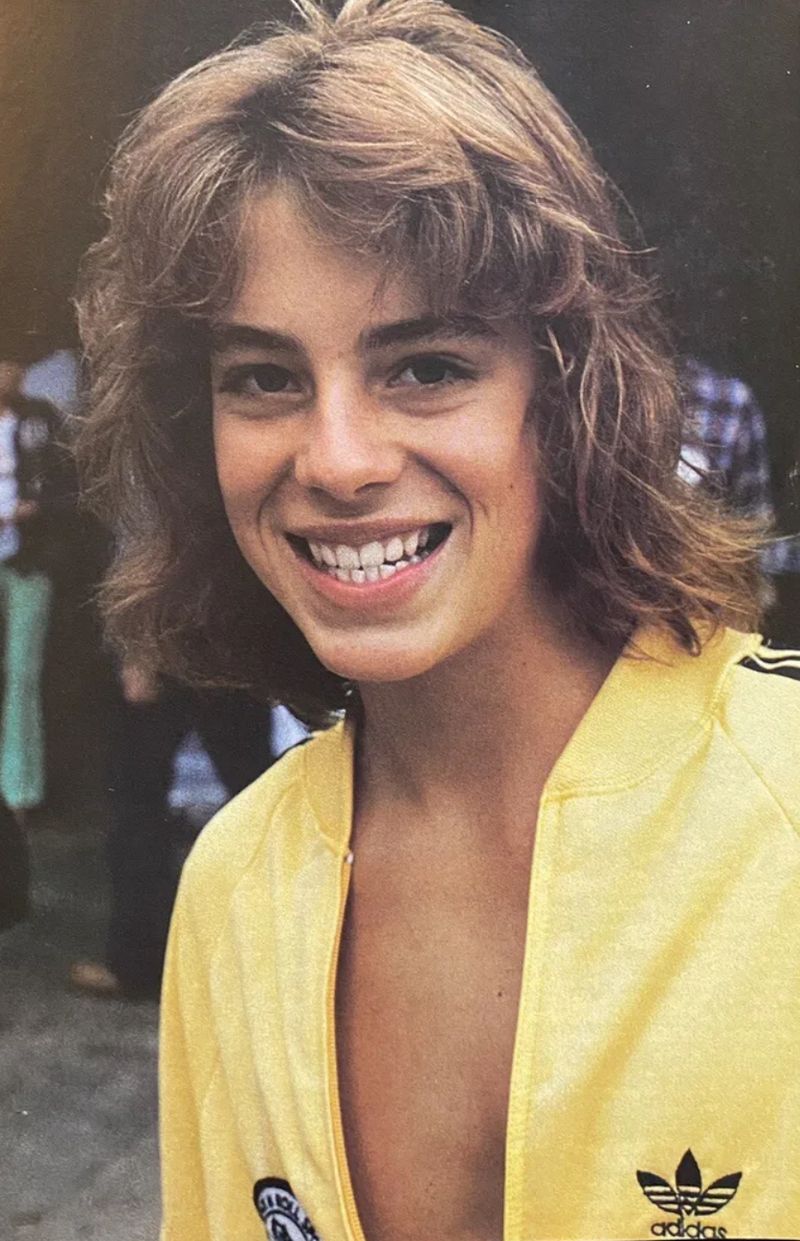
Posters of Leif Garrett covered bedroom walls across America in the late ’70s.
His boyish good looks and pop songs made teenage hearts flutter, and he seemed destined for lasting stardom.
Magazine covers couldn’t get enough of his photogenic face.
Then the ’80s hit, and everything fell apart.
Personal struggles with drug addiction derailed his career completely, leading to very public problems that shocked his young fanbase.
The transition from teen idol to troubled adult played out in tabloid headlines.
What could have been a smooth evolution into mature stardom instead became a cautionary tale about the dark side of early fame.
5. Robert Blake
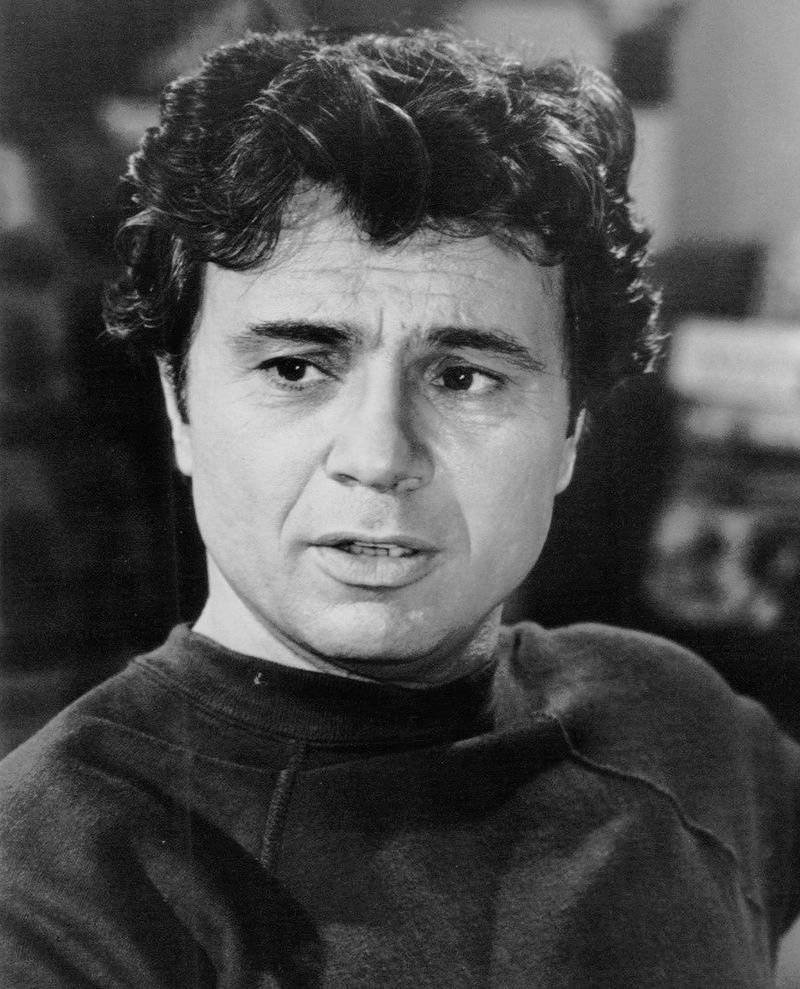
As Detective Tony Baretta, Robert Blake became a television fixture throughout the mid-’70s.
His streetwise cop character, complete with a pet cockatoo, made the show a must-watch for crime drama fans.
The catchphrase “Don’t do the crime if you can’t do the time” entered popular culture.
When the show ended, Blake struggled to find similar success.
Personal problems and eventual legal troubles involving the tragic death of his wife overshadowed his acting achievements.
His reputation took hits that no amount of talent could repair.
By the ’80s, the beloved TV detective had become a controversial figure few wanted to discuss.
6. Peter Frampton
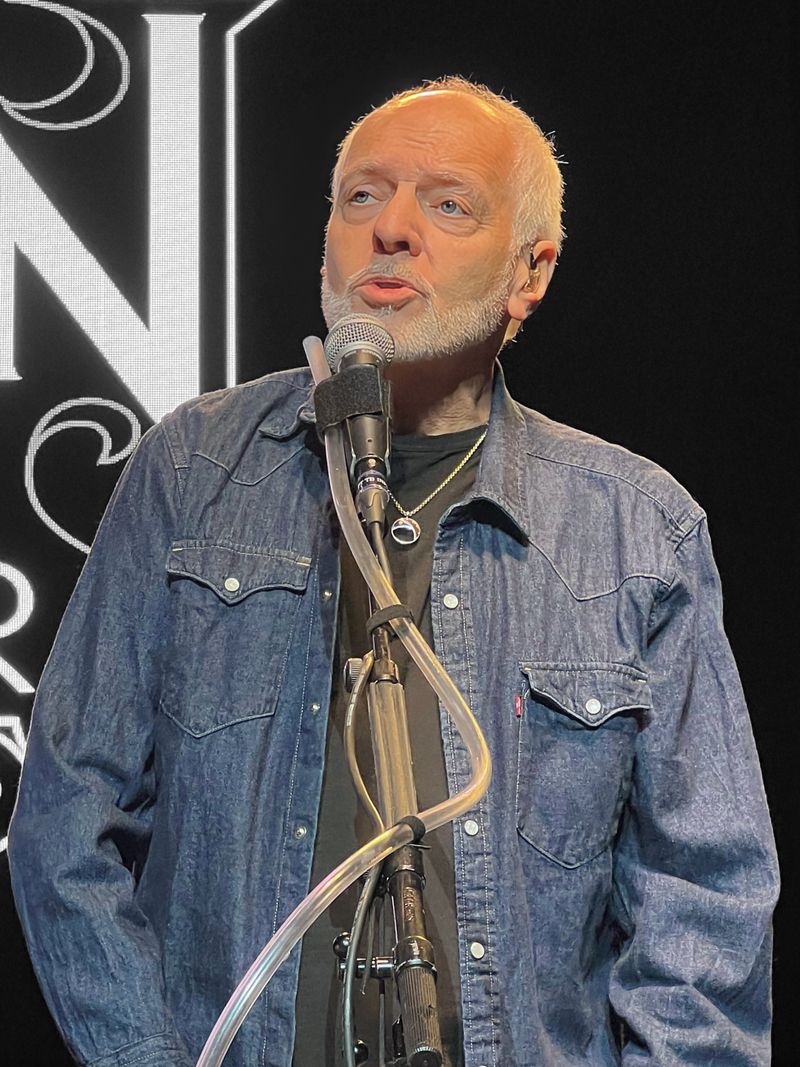
Few albums defined the ’70s quite like “Frampton Comes Alive!”
This double live record sold millions and turned Peter Frampton into a household name practically overnight.
His curly hair, talk box guitar effects, and hits like “Show Me the Way” made him the poster boy for arena rock.
When the ’80s rolled around, his momentum crashed hard.
Critics panned his movie “Sgt. Pepper’s Lonely Hearts Club Band,” and his musical style felt dated compared to new wave and synth-pop.
Frampton spent the decade trying to recapture his earlier magic, but radio stations had moved on to different sounds entirely.
7. Freddie Prinze
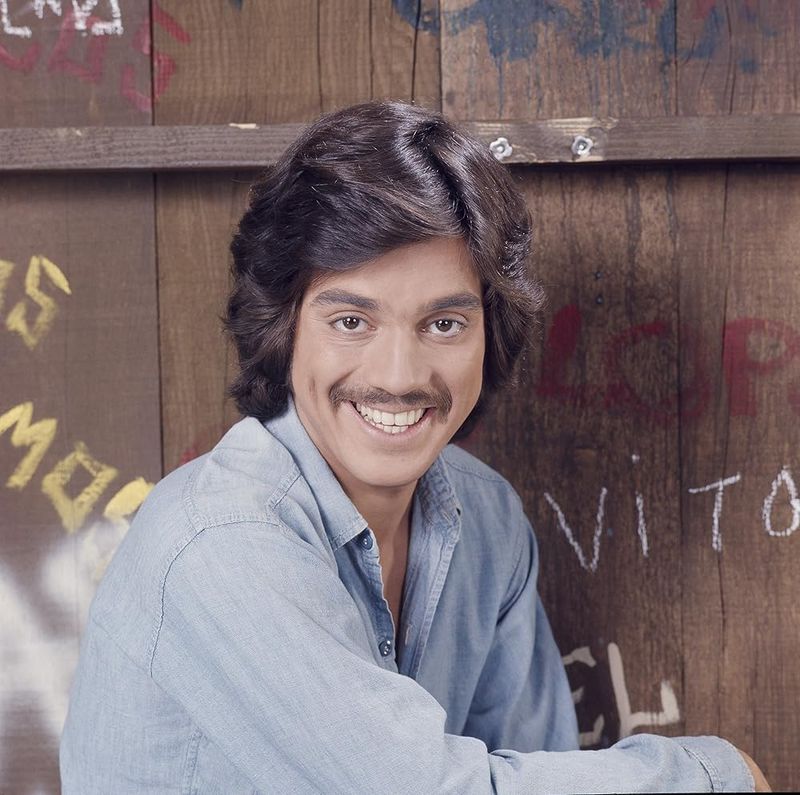
Comedy fans couldn’t get enough of Freddie Prinze on “Chico and the Man.”
His character brought Puerto Rican culture to mainstream television in a way nobody had seen before.
At just 19 years old, he became one of the youngest stars to headline a network sitcom.
Tragically, Prinze never made it to the ’80s at all.
His struggles with depression led to his death in 1977, shocking fans who had watched him grow up on their screens.
His son, Freddie Prinze Jr., later became famous in the ’90s, keeping the family name alive in Hollywood for a new generation.
8. Helen Reddy
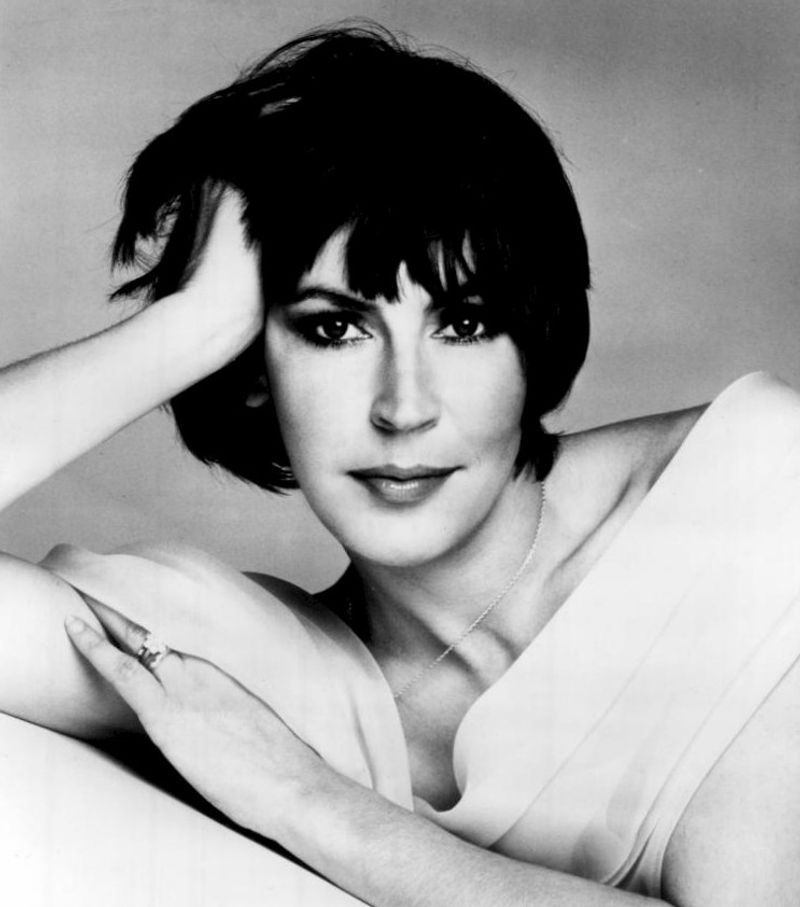
“I Am Woman” became an anthem that defined female empowerment throughout the entire decade.
Helen Reddy’s powerful voice delivered hit after hit, including “Delta Dawn” and “Angie Baby.”
She hosted her own variety show and seemed like she’d remain a star forever.
The changing music landscape of the ’80s didn’t favor her style of pop.
Radio programmers wanted edgier sounds, and Reddy’s wholesome image felt out of step with MTV’s visual revolution.
She eventually stepped away from performing entirely, focusing on her family and later working as a clinical hypnotherapist in Australia, far from the spotlight she once commanded.
9. Billy Preston
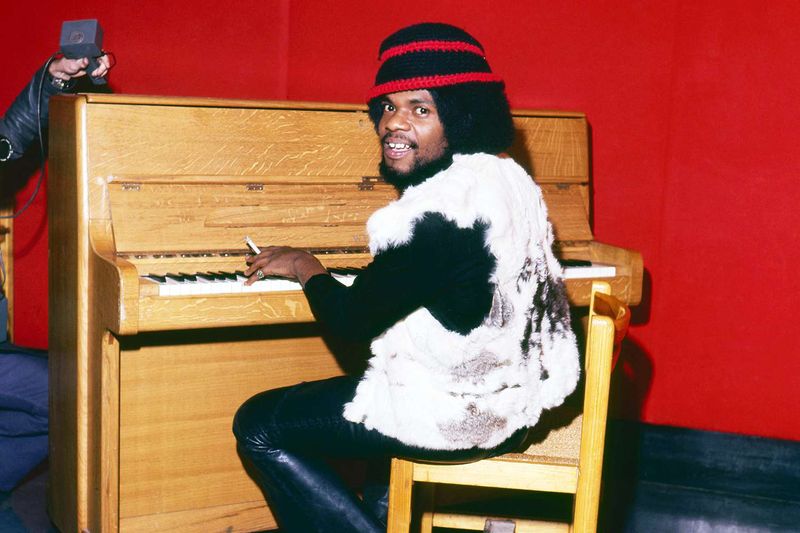
Known as the “Fifth Beatle,” Billy Preston brought his keyboard magic to countless hit records.
His own songs like “Nothing from Nothing” and “Will It Go Round in Circles” topped the charts.
He seemed equally comfortable in rock, soul, and funk, making him one of the most versatile musicians around.
Personal struggles and changing musical tastes dimmed his star power by the ’80s.
While he continued working as a session musician, his days as a chart-topping solo artist ended.
Legal troubles and health issues further complicated his career, and he never regained the mainstream success he’d enjoyed during his golden years.
10. Valerie Harper
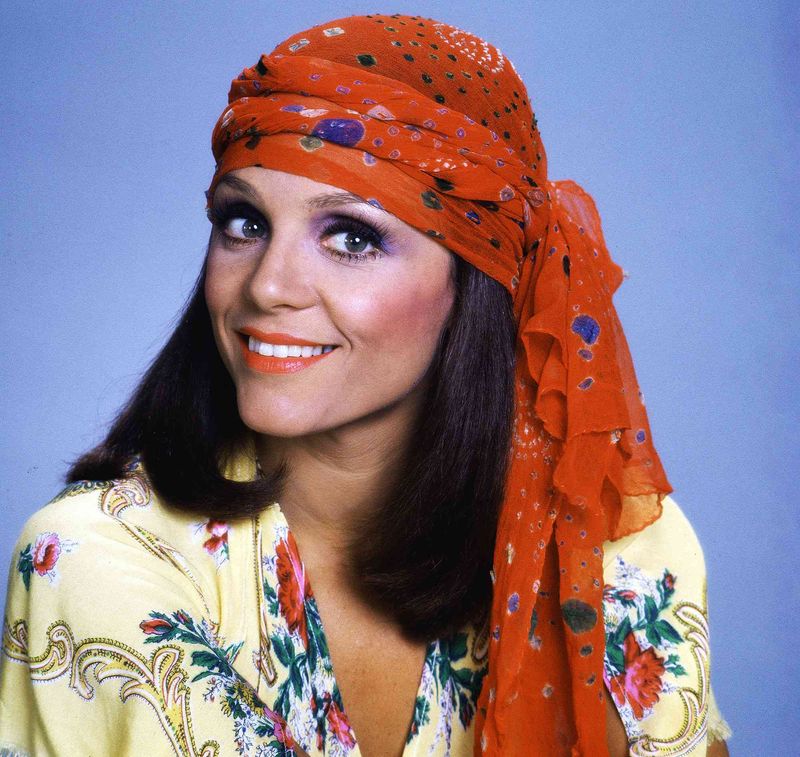
Rhoda Morgenstern became one of television’s most beloved characters, first on “The Mary Tyler Moore Show” and then on her own spinoff.
Valerie Harper won four Emmy Awards playing the wisecracking, lovable New Yorker.
Millions tuned in weekly to follow Rhoda’s adventures and misadventures in love and life.
“Rhoda” ended in 1978, and Harper struggled to find another role that captured audiences the same way.
Her follow-up series “Valerie” started strong but ended badly after contract disputes led to her firing.
The ’80s saw her career shift mainly to theater and TV movies, never quite recapturing that special television magic she’d once created.
Comments
Loading…