
 Chloe Peterson
10 Beloved Classic Actors Who Were Actually One-Dimensional
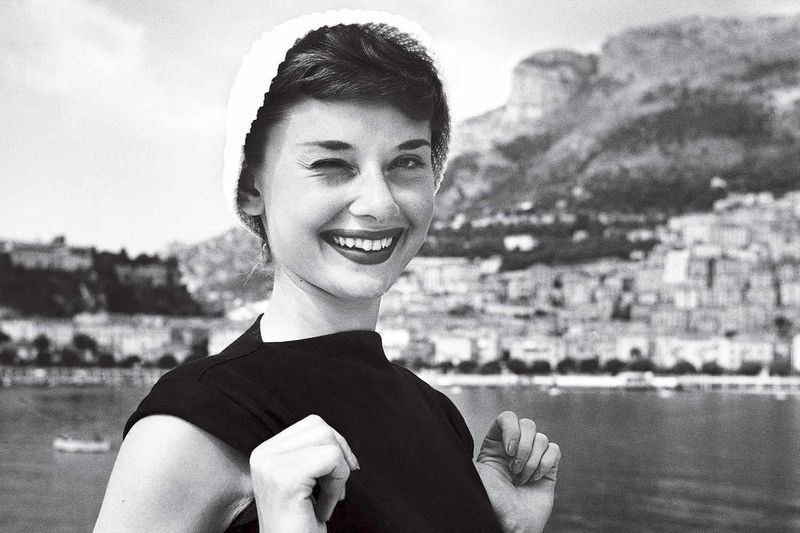
Hollywood has given us countless memorable performances over the decades, but not every beloved star possessed remarkable range.
Some actors became famous for playing essentially the same character in film after film, relying on a signature style rather than transforming for each role.
While these performers captured our hearts and dominated box offices, their careers reveal a surprising pattern of repetition.
Their success proves that sometimes doing one thing exceptionally well matters more than showcasing versatility.
1. Arnold Schwarzenegger
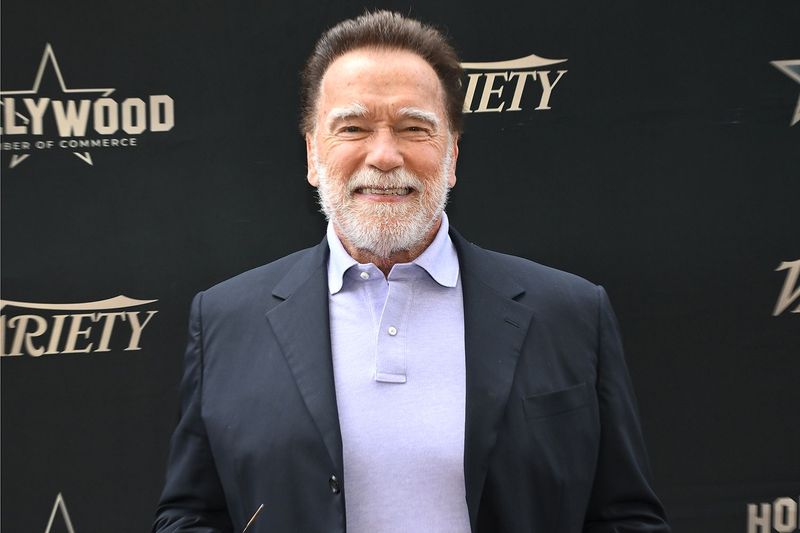
The Austrian Oak built an empire on biceps and one-liners, but variety was never his strength.
From the relentless killing machine in The Terminator to the commando rescuing his daughter, Schwarzenegger played variations of the same unstoppable force.
His thick accent and bodybuilder physique locked him into roles that required more brawn than emotional depth.
Even his comedic attempts in films like Twins and Kindergarten Cop simply transplanted his tough-guy persona into lighter settings.
Audiences never expected Shakespeare from Arnold, and he delivered exactly what they wanted: explosions, muscles, and catchphrases.
His limitation became his brand, proving that specialization can lead to superstardom even without dramatic range.
2. John Wayne
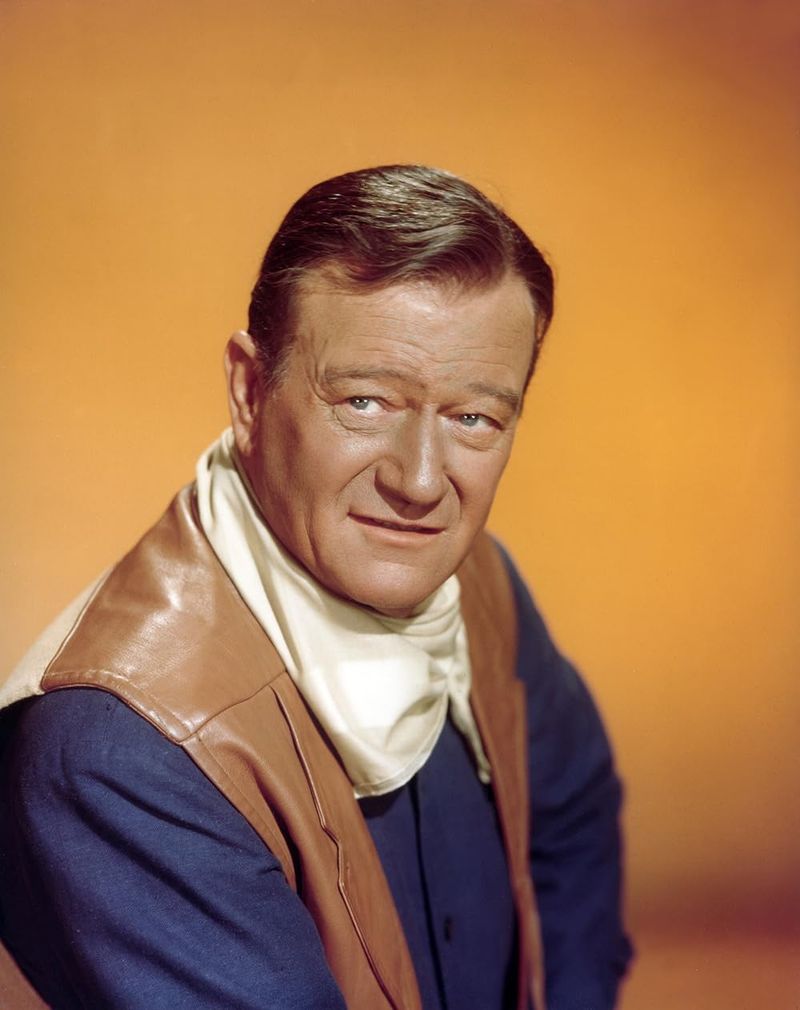
The Duke rode through nearly 200 films playing essentially the same rugged cowboy or military hero.
Whether he was fighting Indians, Nazis, or outlaws, Wayne brought identical swagger and drawl to every performance.
His characters shared the same moral certainty, physical toughness, and old-fashioned values regardless of the script.
Critics noticed early on that distinguishing between his roles required checking the costume rather than the acting.
True Grit earned him an Oscar, but even that celebrated performance featured his trademark gruff delivery and masculine posturing.
Wayne became an American icon not through versatility but through relentless consistency, embodying a singular vision of heroism that resonated across generations despite its narrow scope.
3. Clint Eastwood
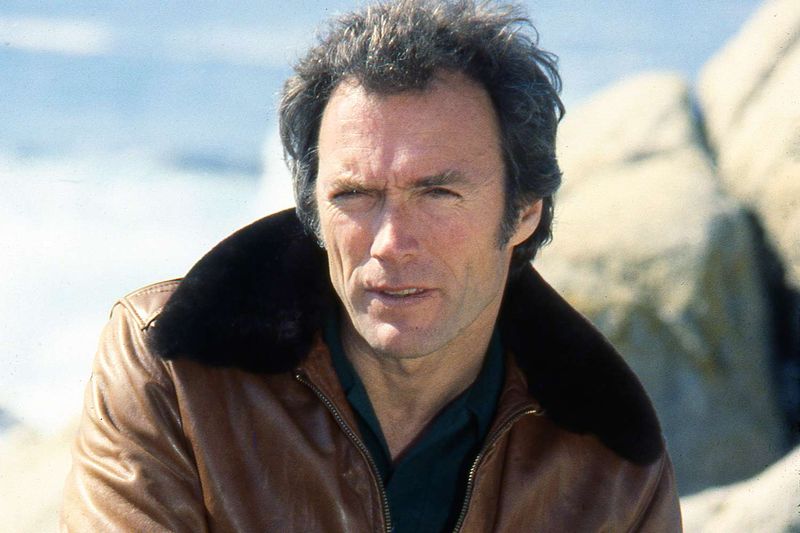
Squinting through cigarette smoke became Eastwood’s entire acting toolkit.
From the Man with No Name to Dirty Harry, he perfected the strong, silent type who lets bullets do the talking.
His characters rarely smiled, seldom spoke more than necessary, and solved problems through violence rather than dialogue.
The gravelly voice and steely glare appeared in westerns, cop dramas, and thrillers with minimal adjustment.
Even as he aged, Eastwood simply played older versions of the same taciturn loner.
His directorial work shows more range than his performances ever did, suggesting he understood storytelling depth even if he never demonstrated it onscreen as an actor.
4. Cary Grant
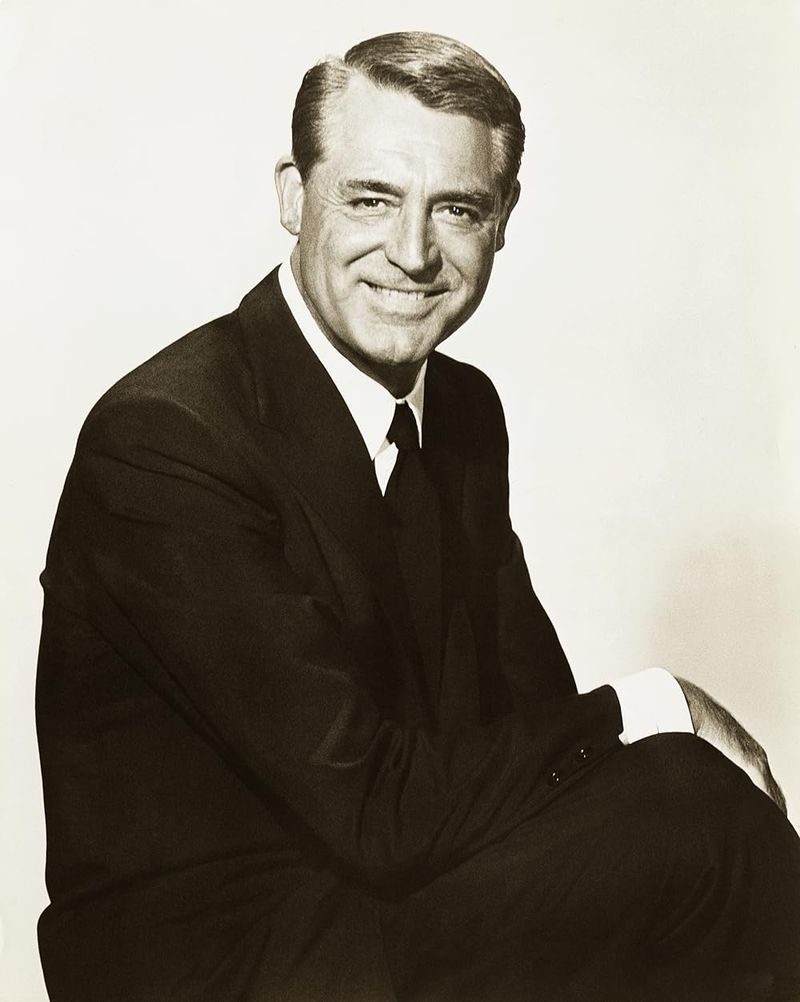
Charm dripped from every Grant performance, but scratch the surface and you found the same suave gentleman underneath.
His characters in romantic comedies and thrillers shared identical sophistication, wit, and unflappable composure.
Whether pursuing Katherine Hepburn or fleeing crop dusters in North by Northwest, Grant relied on his natural elegance rather than character transformation.
Directors cast him to be Cary Grant, not to disappear into roles.
His accent never changed, his mannerisms remained constant, and his romantic technique stayed polished across decades.
Grant perfected the art of being himself onscreen, which audiences adored but hardly qualifies as versatile acting in the traditional sense.
5. Sean Connery
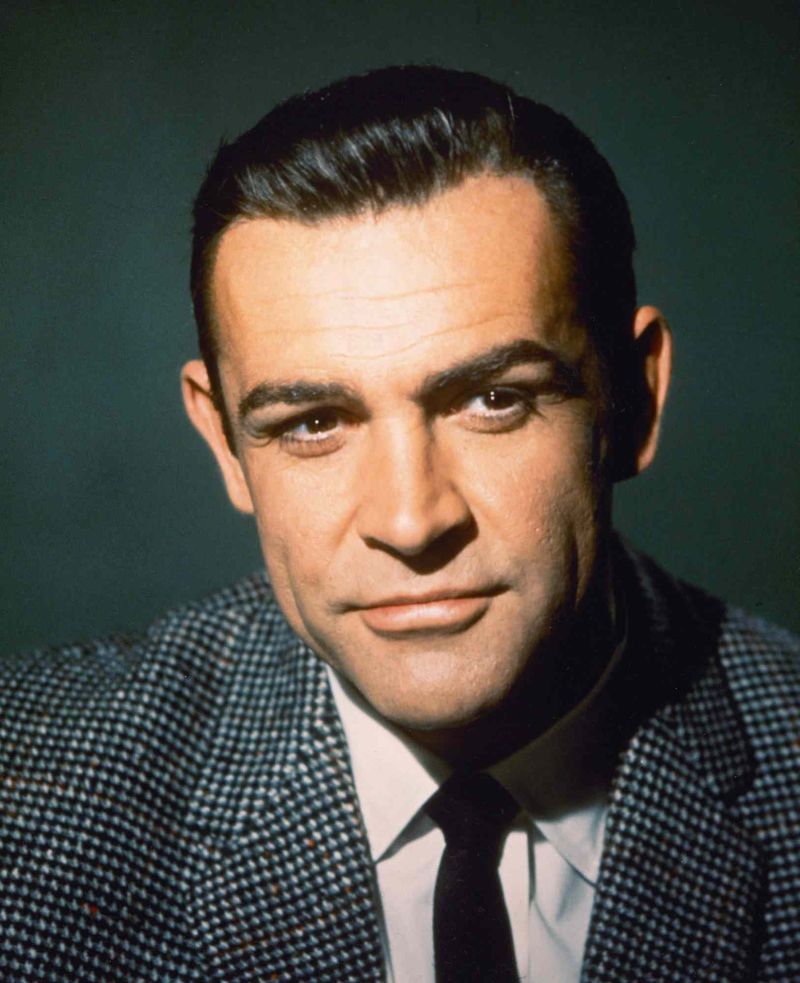
Bond, James Bond became both Connery’s greatest achievement and his creative prison.
That Scottish brogue and arched eyebrow followed him from spy thrillers to fantasy adventures to submarine dramas.
Even when playing a Russian submarine captain or a medieval knight, Connery sounded like 007 in a different costume.
His performances relied heavily on his natural charisma rather than adopting new voices, postures, or emotional depths.
Later roles in films like The Rock and Entrapment simply offered older versions of his signature cool sophistication.
Connery’s magnetism was undeniable, but his range extended about as far as his unchanged accent allowed, making every character recognizably Sean Connery first and foremost.
6. Audrey Hepburn
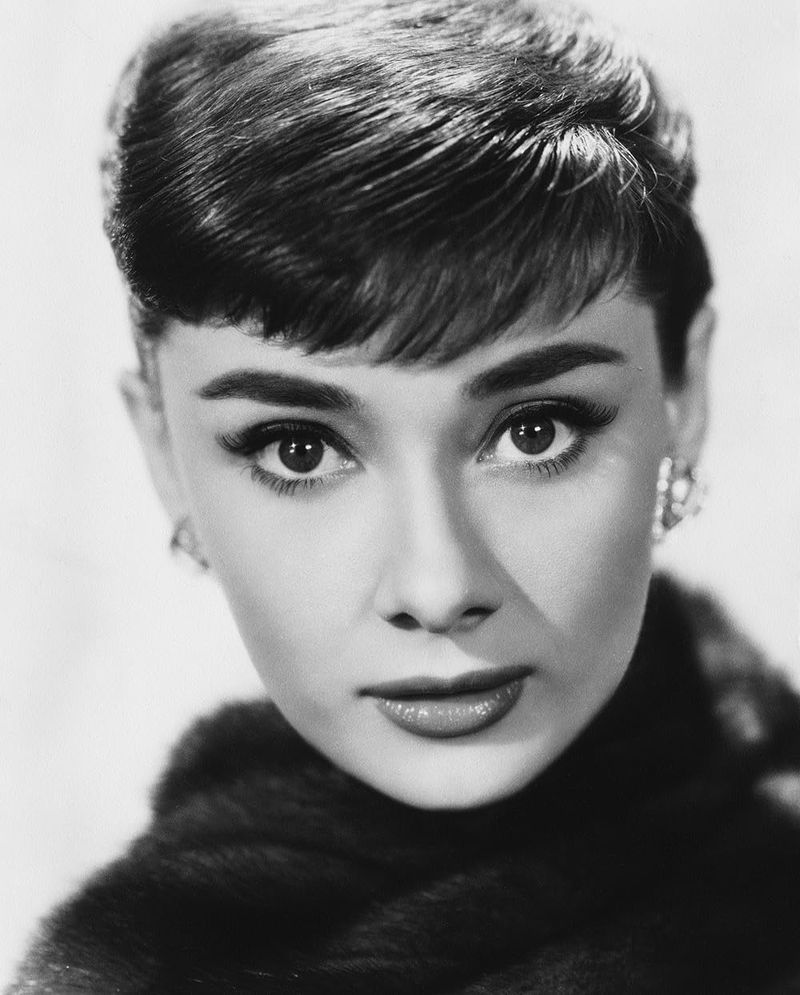
Elegance and vulnerability defined every Hepburn role, from Holly Golightly to Eliza Doolittle.
Her wide-eyed innocence and delicate features typecast her as the charming ingenue who needed rescuing or refining.
While beloved for her grace, Hepburn rarely ventured beyond variations of the same gentle, fashionable character.
Her performances showcased her natural refinement rather than disappearing into dramatically different personalities.
Even playing a nun in The Nun’s Story, she brought her trademark ethereal quality rather than gritty realism.
Hepburn’s beauty and style made her a fashion icon, but her acting stayed comfortably within a narrow range that audiences found enchanting yet predictable.
7. Charles Bronson
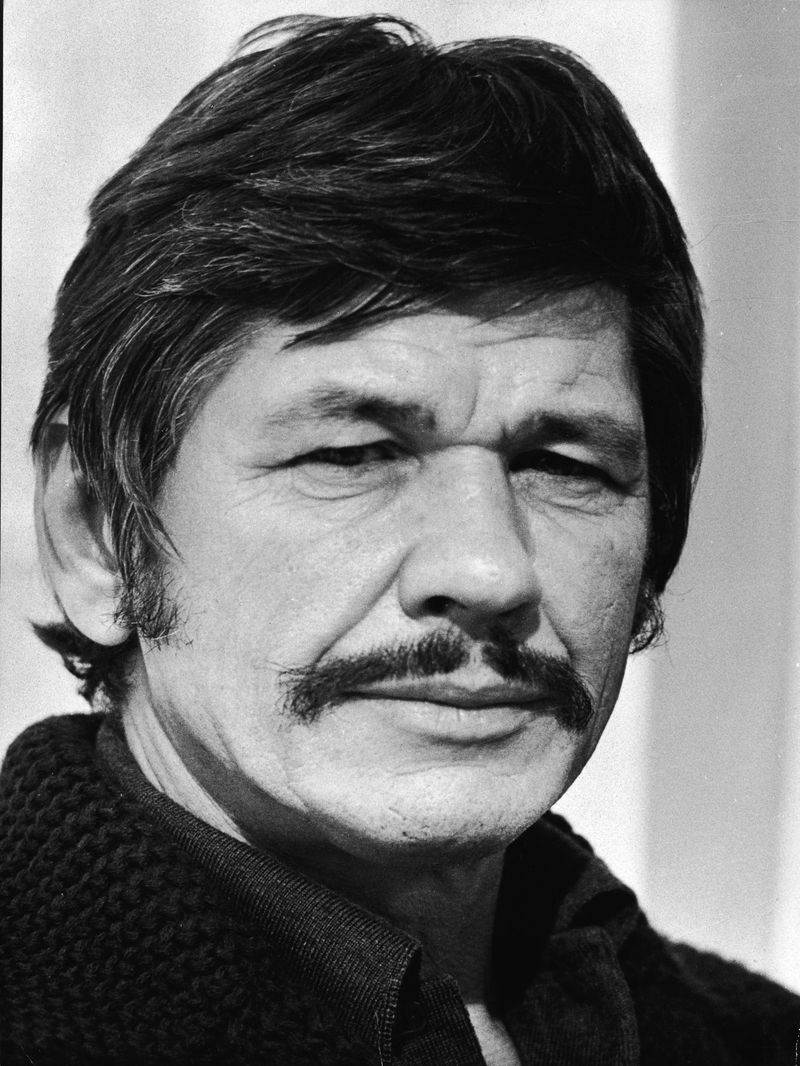
That craggy face and permanent scowl made Bronson the go-to actor for revenge-driven vigilantes.
From Death Wish through countless action films, he played variations of the same stone-faced tough guy dispensing justice.
His characters spoke little, emoted less, and solved problems through violence with mechanical efficiency.
Bronson’s performances required looking menacing rather than exploring emotional complexity or character development.
Audiences knew exactly what they were getting: a weathered man pushed too far who would methodically eliminate bad guys.
His lack of range didn’t hurt his popularity during the 1970s when such straightforward heroes dominated screens, but it certainly limited his legacy as a serious actor.
8. Doris Day
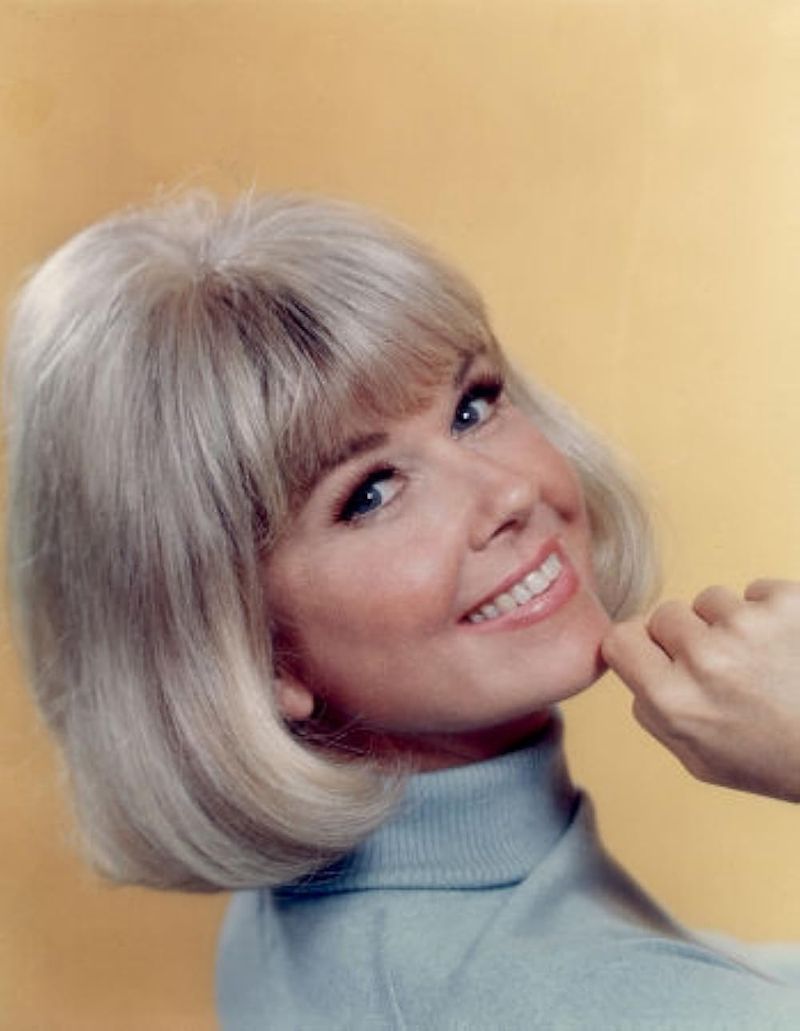
Perky, wholesome, and eternally optimistic, Day played essentially the same sunny character whether singing, romancing, or solving mysteries.
Her girl-next-door persona became so consistent that it defined an entire era’s view of idealized femininity.
Directors cast her specifically for that squeaky-clean image, not for dramatic depth or character transformation.
Her romantic comedies with Rock Hudson featured identical performances with different costumes and settings.
Even her dramatic attempts maintained the same cheerful undertone that made darker material feel sanitized.
Day’s consistency made her America’s sweetheart, but critics noted she brought the same personality to every role regardless of what the script demanded.
9. Steve McQueen
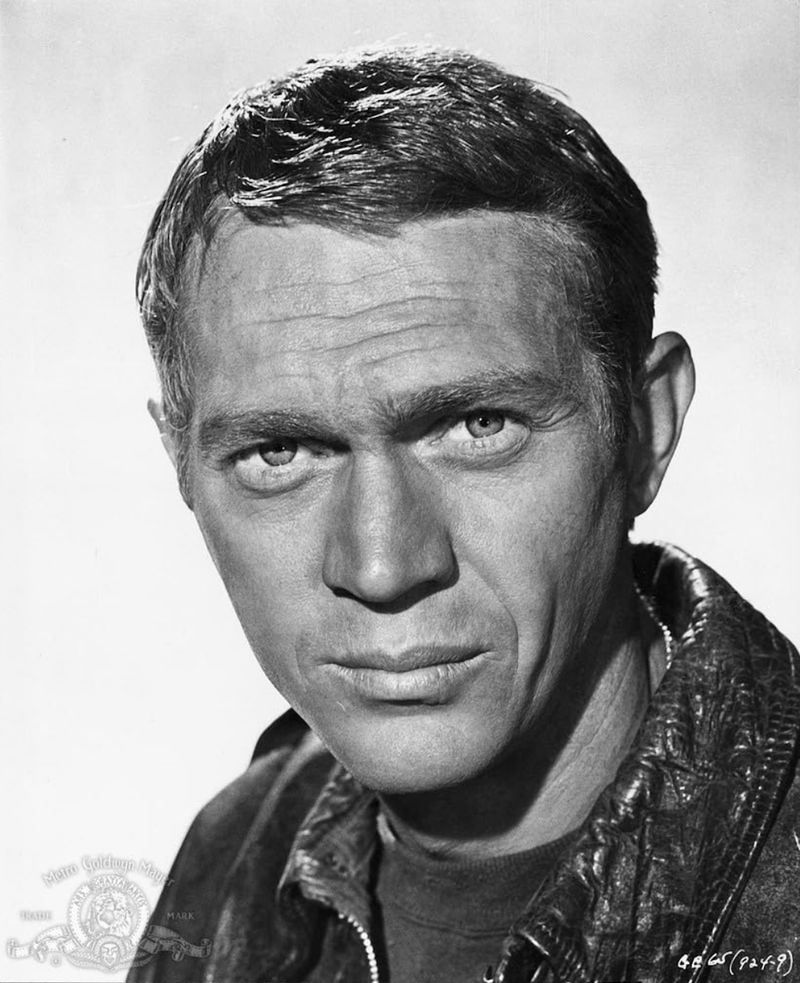
Cool personified, McQueen played the same rebellious loner whether racing cars, escaping prison camps, or fighting fires.
His trademark squint and minimalist acting style made every character feel like Steve McQueen playing dress-up.
The King of Cool relied on his natural charisma and physical presence rather than exploring emotional depths.
His performances in Bullitt, The Great Escape, and Papillon showcase identical stoicism and anti-authority attitudes.
McQueen excelled at looking effortlessly masculine while doing stunts, but his emotional range remained remarkably narrow.
His star power came from being himself rather than transforming, making him more personality than actor in the traditional sense.
10. Rock Hudson
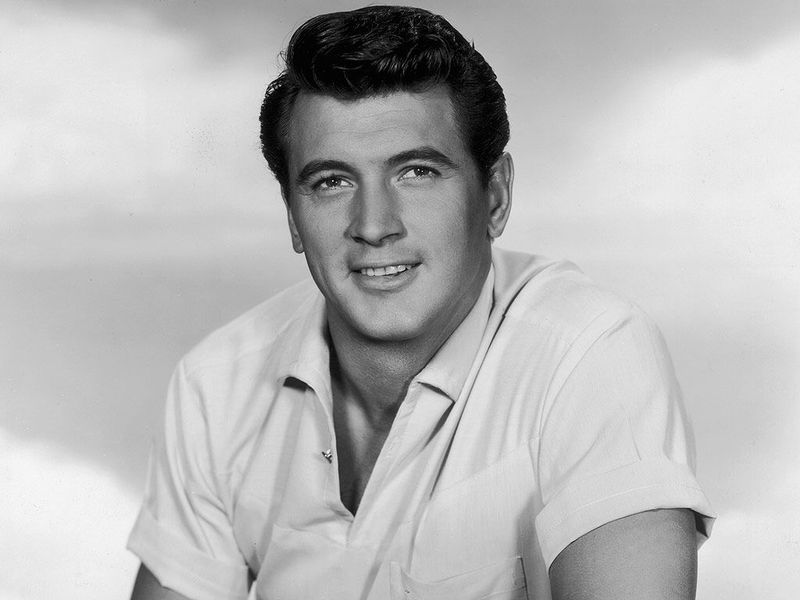
Tall, handsome, and reliably bland, Hudson coasted through romantic comedies playing interchangeable wealthy bachelors.
His good looks got him cast, but his performances rarely ventured beyond surface-level charm.
Whether paired with Doris Day or starring in melodramas, Hudson brought the same smooth but shallow presence.
His characters lacked distinguishing personality traits beyond being attractive and successful.
Critics recognized early that Hudson’s appeal was entirely physical rather than artistic.
His limited range became especially apparent when he attempted serious drama, where his lack of emotional depth stood out.
Hudson represented Hollywood’s preference for marketable looks over acting ability during an era that valued star power above craft.
Comments
Loading…