
 Hailey Watson
10 Boundaries That Are Often Mistaken for Quiet Quitting in Relationships

Sometimes in a relationship, one person starts pulling back a little, and the other person panics, thinking something is terribly wrong. But not every step back means someone is giving up.
Healthy boundaries are actually a sign of self-respect and emotional maturity, not a red flag. Learning the difference between setting limits and quietly checking out can save a relationship from unnecessary drama and misunderstandings.
1. Needing Alone Time

Not everyone recharges the same way.
Some people genuinely need quiet, solo time to feel like themselves again, and that has nothing to do with how much they love their partner.
Wanting an evening alone to read, walk, or simply breathe is not abandonment.
It is actually one of the healthiest things a person can do for both themselves and the relationship.
When someone carves out personal space, they are protecting their emotional energy.
A person who fills their own cup first has so much more to give when they come back together with their partner.
2. Not Texting Back Immediately

Here is a truth that surprises a lot of people: being reachable 24/7 is not a relationship requirement.
Expecting instant replies puts unfair pressure on both people involved.
Someone who does not text back right away might simply be busy, in a meeting, or enjoying a moment without their phone.
That is not coldness, that is just life.
Healthy communication does not mean constant communication.
Partners who respect each other’s time and focus actually build stronger trust over time.
A delayed reply is rarely a signal of fading love.
3. Saying No to Plans

Saying no is a complete sentence, and it does not come with a built-in apology.
Yet in relationships, turning down plans often gets read as rejection or emotional withdrawal.
The reality is that a person might be tired, overwhelmed, or just not feeling social that day.
Honoring those feelings is a form of self-care, not a sign of pulling away.
Partners who can say no without guilt and hear no without spiraling have built something genuinely solid.
Mutual respect for each other’s limits makes room for more authentic yeses when they truly matter.
4. Keeping Some Friendships Private

Maintaining friendships outside of a romantic relationship is completely normal, and it does not mean someone is hiding anything suspicious.
Everyone deserves connections that exist just for them.
Some conversations, memories, and inside jokes belong to friendships that predate the relationship.
Sharing every detail of those bonds with a partner is not required and honestly not always healthy.
A secure relationship makes room for both people to have their own social worlds.
Trusting a partner to have private friendships without demanding full access is a sign of real emotional maturity.
5. Not Sharing Every Emotion in Real Time

Processing feelings before sharing them is actually a sign of emotional intelligence, not emotional distance.
Some people need time to figure out what they are feeling before they can talk about it clearly.
Jumping to share every emotion the moment it surfaces can lead to messy conversations that go nowhere fast.
Taking a pause to sort through thoughts first often leads to much more productive talks.
Partners who understand this rhythm give each other the gift of space.
Emotional processing is not shutting someone out.
It is showing up more prepared and present when the conversation finally happens.
6. Setting Screen-Free Hours
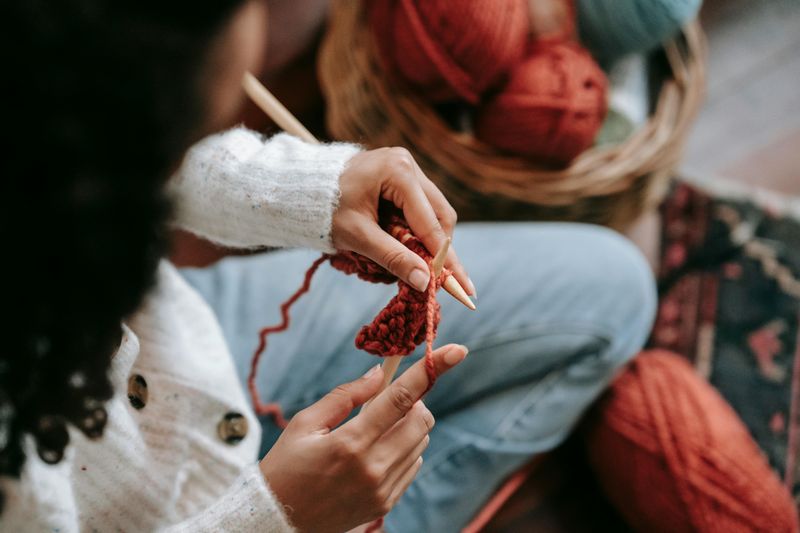
Choosing to put the phone away during certain hours is a boundary that protects focus and peace, not a sign that someone is disengaging from the relationship.
Screen-free time can actually strengthen a partnership when both people honor it together.
But even if only one person sets this limit for themselves, it deserves respect rather than suspicion.
Did you know that excessive phone use is one of the top complaints in modern relationships?
Setting boundaries around technology is forward-thinking, not flaky.
It shows a person values real-world presence over digital noise.
7. Avoiding Certain Triggering Topics for Now

Sometimes a topic is just too raw, too fresh, or too loaded to tackle in the middle of a regular Tuesday.
Asking to revisit something when the timing is better is wisdom, not avoidance.
There is a real difference between dodging a conversation forever and thoughtfully postponing it until both people are in a calmer headspace.
The first is a problem; the second is actually smart conflict management.
Couples who learn to say, not right now but soon, tend to have far more productive conversations.
Timing matters just as much as the words themselves when working through sensitive subjects.
8. Maintaining Financial Independence

Keeping a personal bank account or managing individual finances is not a sign of distrust or planning an exit.
Financial independence is a healthy and often necessary boundary in any partnership.
Money is one of the most common sources of relationship stress.
Having some financial autonomy gives each person a sense of security and personal agency that actually reduces conflict over time.
Research consistently shows that couples who communicate openly about money while maintaining some individual financial space report higher relationship satisfaction.
Wanting your own account is not secrecy.
It is self-sufficiency with respect built in.
9. Choosing Not to Attend Every Family Event

Skipping a family gathering does not automatically mean someone is withdrawing from the relationship.
It might mean they are exhausted, introverted, or simply not up for a big social event that week.
Family dynamics can be complicated, and not every partner will feel equally comfortable at every occasion.
Respecting that reality is far healthier than forcing attendance just to avoid awkward questions.
Choosing when to show up and when to sit one out is a boundary that protects everyone’s emotional energy.
A supportive partner will understand that presence is not always measured in attendance at every family dinner.
10. Keeping a Separate Hobby or Interest

Having a hobby that belongs entirely to one person is one of the most underrated forms of self-care in a relationship.
It keeps individuality alive and prevents the suffocating feeling of losing yourself in a partnership.
Sharing everything with a partner sounds romantic in theory, but in practice, personal interests fuel confidence, creativity, and happiness.
Those qualities spill over into the relationship in the best possible ways.
A partner who encourages separate hobbies is actually investing in the long-term health of the relationship.
Two whole, fulfilled individuals make a far stronger team than two people who have blurred into one.
Comments
Loading…