
 Mila Ross
Not everyone thrives with a classic to-do list. For some, staring at a long, daunting list of tasks can spark more stress than motivation, turning productivity into a source of anxiety rather than accomplishment. If crossing off boxes feels like a chore instead of a satisfying win, you’re far from alone.
The good news is that there are smarter, more flexible ways to get things done—methods that actually align with the way your brain works, helping you stay focused, energized, and productive without the overwhelm.
1. Try Time Blocking Instead of Task Lists
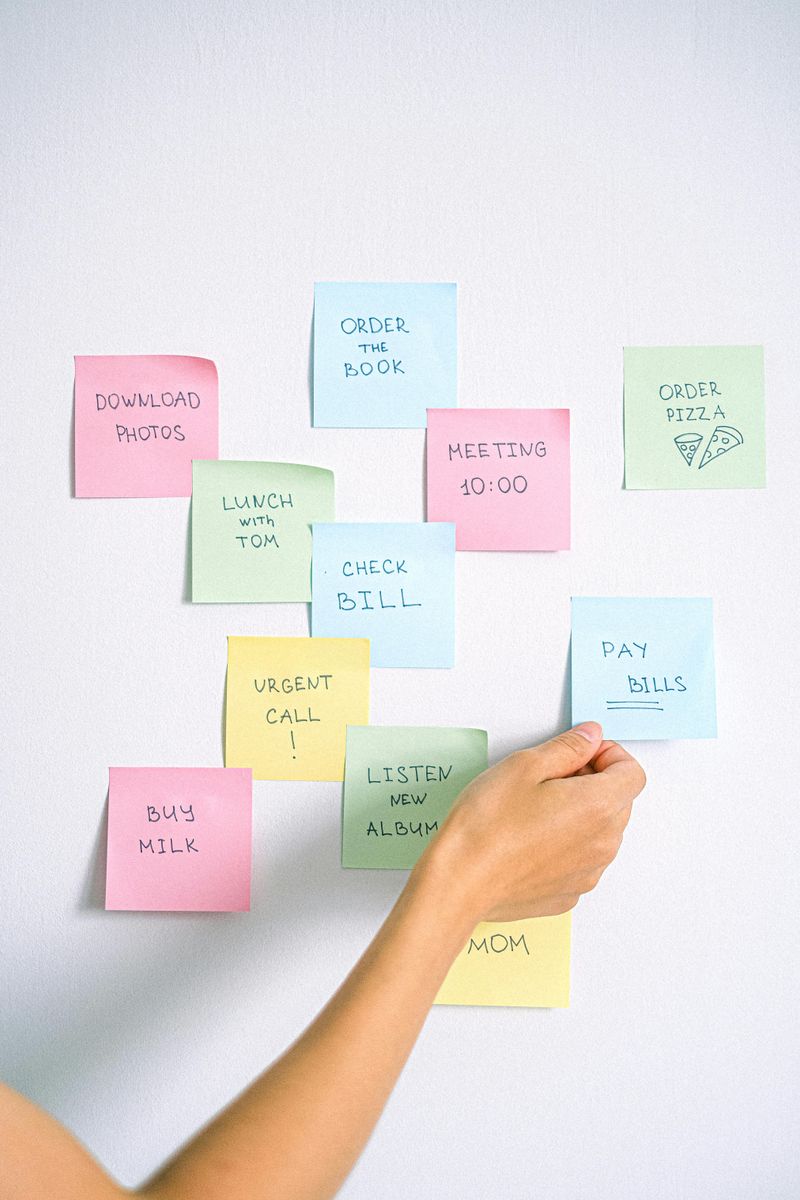
Forget writing down every tiny task you need to do.
Time blocking means you schedule chunks of your day for specific types of work, like answering emails from 9 to 10 AM or working on a project from 2 to 4 PM.
Instead of a list, your calendar becomes your guide.
You focus on one type of task at a time, which cuts down on the mental exhaustion of constantly switching gears.
Many successful people swear by this method.
It gives your day a natural rhythm without making you feel buried under a mountain of bullet points.
2. Use the Two-Minute Rule for Small Tasks

Here is a simple rule that can completely change how you handle small tasks: if something takes less than two minutes, do it right now.
Do not write it down, do not schedule it, just handle it immediately.
This idea, made popular by productivity expert David Allen, stops tiny tasks from piling up and crowding your brain.
Replying to a quick text, washing one dish, or filing a document all qualify.
Over time, this habit clears mental clutter faster than any list ever could.
You will be amazed how much lighter your mind feels throughout the day.
3. Build a Done List to Track Your Wins
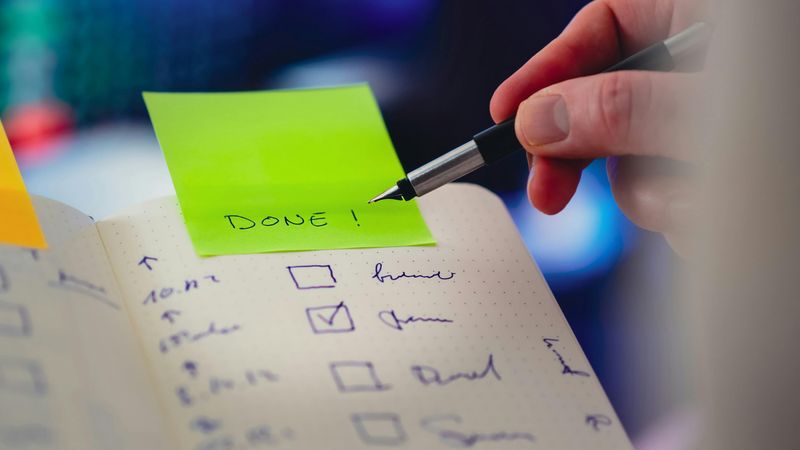
Most people only write down what they still need to do, but flipping that idea on its head can be surprisingly powerful.
A done list is exactly what it sounds like: you write down everything you already finished throughout the day.
Seeing your accomplishments stacked up gives you a real sense of progress.
Your brain gets a little reward every time you add something new to the list, which keeps your energy and motivation high.
Research shows that recognizing progress, even small steps, is one of the strongest motivators humans experience.
Your wins deserve to be celebrated, not ignored.
4. Work in Short Bursts with the Pomodoro Technique

Back in the 1980s, Francesco Cirillo invented a quirky little system using a tomato-shaped kitchen timer, and it changed how millions of people work.
The Pomodoro Technique breaks your work into 25-minute focused sessions followed by a 5-minute break.
No overwhelming list required.
You simply pick one thing to work on and go for 25 minutes, then rest.
After four rounds, you take a longer break of 15 to 30 minutes.
Short bursts of focused effort are much easier on your brain than grinding for hours straight.
Even on tough days, almost anyone can push through 25 minutes of focused work.
5. Organize Tasks by Energy Level, Not Priority
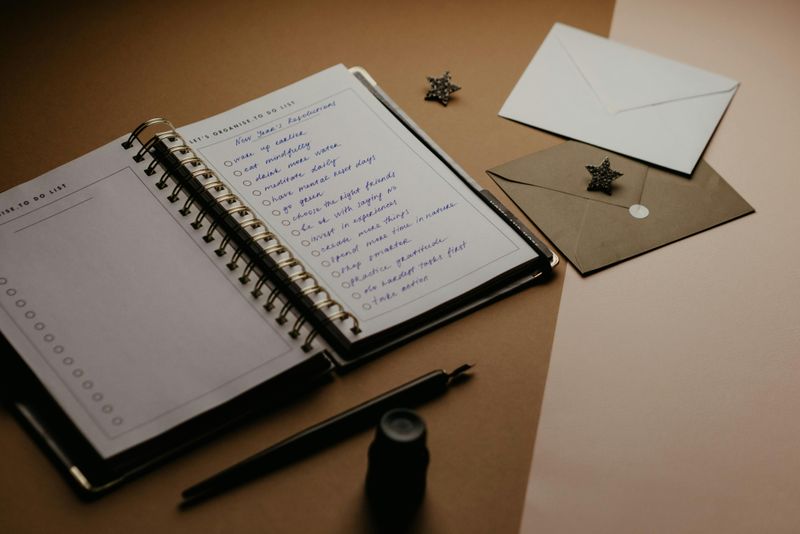
Traditional to-do lists ask you to rank tasks by importance, but your energy level matters just as much as priority.
Matching tasks to how you feel can make a massive difference in what you actually get done.
Save your hardest, most brain-heavy work for when you feel sharpest, usually in the morning for most people.
Handle easy, low-effort tasks like checking emails or organizing files when your energy dips in the afternoon.
Working with your natural energy flow instead of fighting it makes the whole day feel smoother.
You will get more done and feel far less drained by the time evening rolls around.
6. Use Voice Memos to Capture Ideas on the Go

Sometimes your best ideas hit you while you are in the shower, on a walk, or stuck in traffic.
Writing them down is not always possible, but talking them out loud is.
Voice memos are a fast, hands-free way to capture thoughts before they vanish.
Apps like Apple Voice Memos, Google Recorder, or even WhatsApp make it easy to record a quick idea in seconds.
Later, you can review your recordings and decide what actually needs your attention.
This approach works especially well for creative thinkers who feel boxed in by structured lists.
Your thoughts flow more naturally when you speak them rather than type them.
7. Visualize Goals with a Mind Map
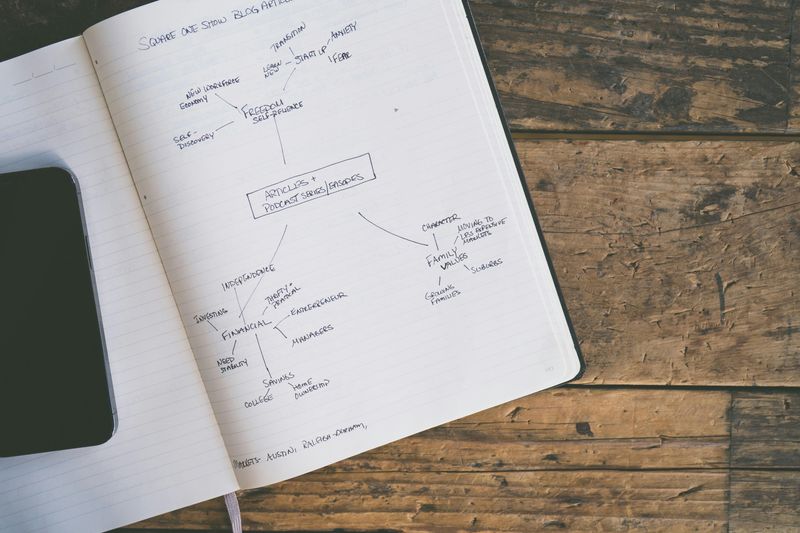
Picture your brain as a web of connected ideas rather than a straight line of tasks.
Mind mapping works the same way, starting with one central goal and branching out into related actions, ideas, and steps in any direction you want.
Unlike a traditional list, a mind map lets you see the big picture while still breaking things into smaller pieces.
You can draw one by hand on paper or use free tools like MindMeister or Canva.
Visually creative people often find this method clicks immediately.
Colors, shapes, and connections make complex projects feel exciting rather than overwhelming, turning your goals into something genuinely fun to work toward.
Comments
Loading…