
 Hailey Watson
Every time you scroll through your phone, something is happening to your mood that you might not even notice. Social media platforms are designed to keep you engaged, but that engagement comes with some surprising side effects on how you feel.
From boosting your confidence to making you feel left out, these apps have more influence over your emotions than most people realize. Here are nine ways social media is quietly shaping your happiness every single day.
1. The Comparison Trap Steals Your Joy

Scrolling past someone’s vacation photos or perfect-looking life can make your own life feel boring by comparison.
This is called the comparison trap, and social media is built in a way that makes it almost impossible to avoid.
Everyone posts their highlights, not their bad days.
Over time, constantly measuring yourself against others chips away at your self-worth without you even realizing it.
Studies show that frequent social comparison leads to lower satisfaction with your own life.
Try reminding yourself that what you see online is a carefully chosen snapshot, not the full picture.
2. Likes and Validation Rewire Your Brain

Here is something wild: getting a like on your post triggers the same part of your brain as eating chocolate or winning a prize.
That little dopamine rush feels amazing in the moment, but it can quickly become something you chase nonstop.
Your mood starts depending on how many people approve of what you share.
When the likes do not come, you might feel anxious or even worthless.
Psychologists call this external validation seeking, and it can make your happiness fragile.
Building confidence from within, rather than from a notification count, is a much steadier foundation for feeling good about yourself.
3. FOMO Turns Fun Into Stress

Fear of missing out, better known as FOMO, is one of social media’s sneakiest happiness thieves.
When you see friends hanging out without you or attending an event you did not know about, a wave of anxiety and loneliness can wash over you instantly.
That feeling is very real and very common.
Research shows FOMO increases stress levels and makes people feel disconnected from their own lives.
Ironically, trying to stay connected online can make you feel more alone.
One helpful trick is to put your phone down during your own activities so you can actually enjoy the moment you are already in.
4. Online Communities Offer Genuine Belonging

Not everything about social media drags your happiness down.
For many people, especially those who feel different or isolated in real life, online communities provide a sense of belonging that is hard to find elsewhere.
Finding your people online can be genuinely life-changing.
Fan groups, hobby forums, and support communities connect individuals across the globe who share the same passions or struggles.
That shared understanding can reduce loneliness and boost your emotional well-being significantly.
The key is finding spaces that lift you up rather than tear you down.
Quality online connections, just like real-life friendships, are built on respect and encouragement.
5. Doomscrolling Drains Your Mental Energy
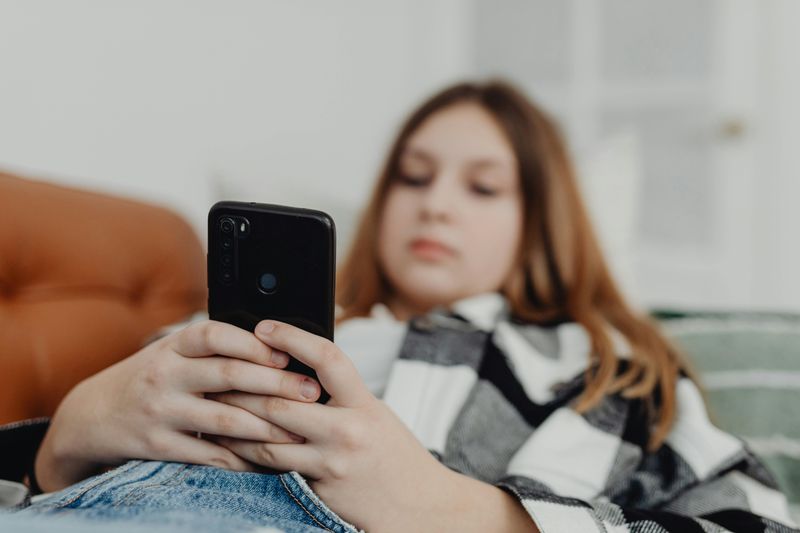
Late at night, have you ever found yourself scrolling through bad news story after bad news story, unable to stop?
That habit has a name: doomscrolling.
It feels almost magnetic, yet every swipe tends to leave you feeling worse than the last.
Consuming a constant stream of negative content overloads your brain with stress hormones, making anxiety and sadness much harder to shake.
Mental health experts say doomscrolling can disrupt sleep and increase feelings of hopelessness.
Setting a screen time limit in the evening and replacing that habit with something calming, like reading or journaling, can protect your mental energy and help you sleep better.
6. Curating Your Feed Can Boost Your Mood

Your social media feed is not set in stone.
Most platforms give you the power to unfollow, mute, or block accounts that make you feel bad about yourself, and that power is worth using.
Think of it as decorating your mental space.
Swapping out accounts that trigger jealousy or anxiety for ones that inspire creativity, humor, or kindness can genuinely shift how you feel after each scrolling session.
Research backs this up, showing that a more positive feed leads to a more positive mood.
You are the editor of your own online experience, so start making choices that actually serve your happiness.
7. Screen Time at Night Wrecks Your Sleep
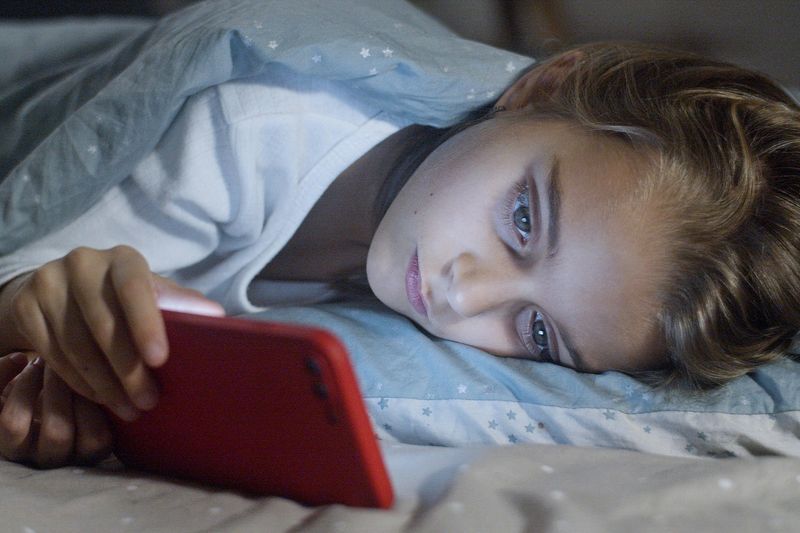
Sleep and happiness are deeply connected, and social media is one of the biggest sleep disruptors around.
The blue light from your phone screen tricks your brain into thinking it is still daytime, making it harder to fall asleep at night.
Less sleep means a grumpier, more anxious you the next morning.
Beyond the light, the emotional stimulation from browsing posts keeps your mind racing when it should be winding down.
The American Academy of Sleep Medicine recommends no screens at least one hour before bed.
Charging your phone outside your bedroom is one of the simplest ways to protect both your sleep and your mood.
8. Positive Affirmation Accounts Spark Real Confidence

Believe it or not, the right kind of social media content can actually make you feel stronger and more capable.
Accounts dedicated to self-love, mental health awareness, and body positivity have helped millions of young people feel seen, accepted, and encouraged.
That is no small thing.
When you regularly see messages that remind you of your worth, your brain starts internalizing those ideas over time.
Psychologists call this positive priming, and it works.
The trick is being intentional about what you consume.
Filling your feed with uplifting voices instead of unrealistic standards flips the script on what social media does to your self-image.
9. Taking Breaks Resets Your Emotional Baseline

Sometimes the best thing you can do for your happiness is simply log off.
Social media breaks, even short ones, give your brain a chance to reset and reconnect with the world around you.
Many people report feeling calmer and more present after just a few days away from their feeds.
A 2018 University of Pennsylvania study found that limiting social media use to 30 minutes per day led to significant reductions in loneliness and depression.
You do not have to quit entirely.
Even a weekend break or a daily phone-free hour can remind you that real happiness lives mostly offline, in the moments you fully experience.
Comments
Loading…