
 Hailey Watson
12 Times Acclaimed Directors Made Movies Nobody Liked
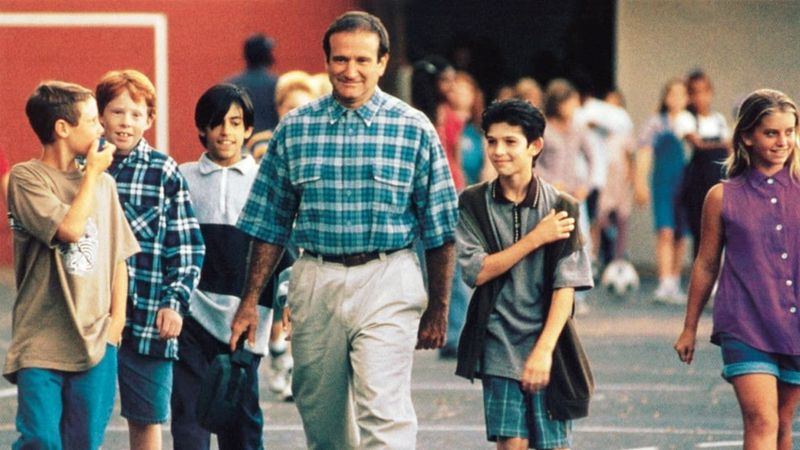
Even the greatest filmmakers in Hollywood history have had a stumble or two along the way.
Behind every legendary career, there are projects that simply did not connect with audiences or critics, no matter how much talent was involved.
These films serve as fascinating reminders that creative risk-taking does not always pay off.
From bizarre comedies to confusing epics, here are 12 times celebrated directors delivered movies that left audiences scratching their heads.
1. Ridley Scott – The Counselor (2013)
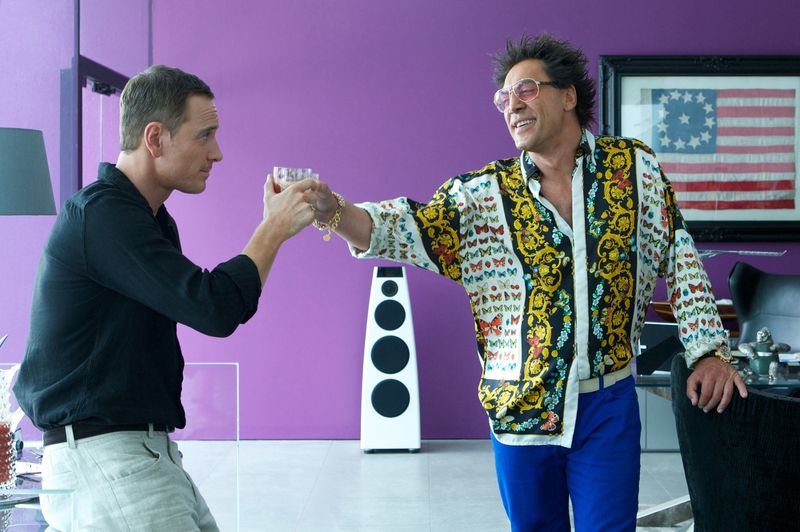
On paper, The Counselor seemed like a guaranteed hit.
A Cormac McCarthy screenplay, Ridley Scott directing, and a cast including Michael Fassbender, Brad Pitt, and Penelope Cruz — what could go wrong?
Quite a lot, as it turned out.
Audiences found the film slow, overly wordy, and nearly impossible to follow.
The philosophical dialogue, while impressive in writing, felt suffocating on screen.
Characters made choices without clear motivation, and the plot drifted without a satisfying anchor.
For a director known for propulsive storytelling, this one felt strangely airless and disconnected from start to finish.
2. Michael Cimino – Heaven’s Gate (1980)
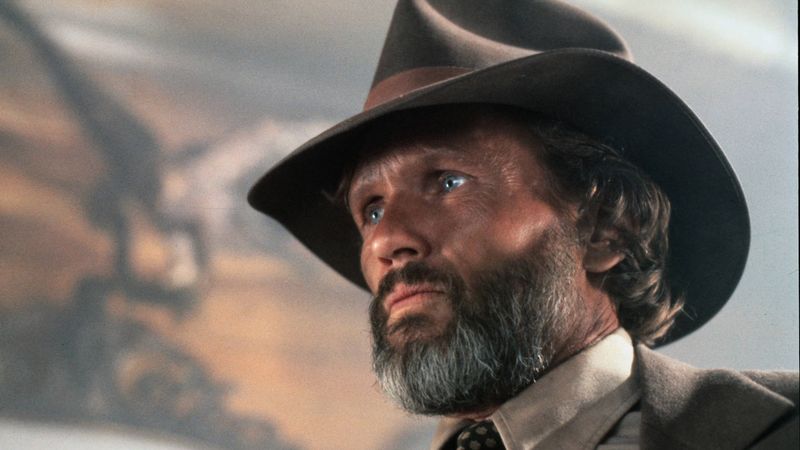
Few films in Hollywood history carry as much baggage as Heaven’s Gate.
After winning the Oscar for The Deer Hunter, Michael Cimino was given almost unlimited creative freedom — and used it to produce a bloated, nearly four-hour Western that baffled critics and emptied theaters.
The budget spiraled out of control, and United Artists, the studio behind it, was financially crippled by the disaster.
Cimino’s obsessive attention to detail became self-destructive.
The film is now studied in film schools not as a masterpiece, but as a cautionary tale about what happens when no one says no to a director.
3. Francis Ford Coppola – Jack (1996)
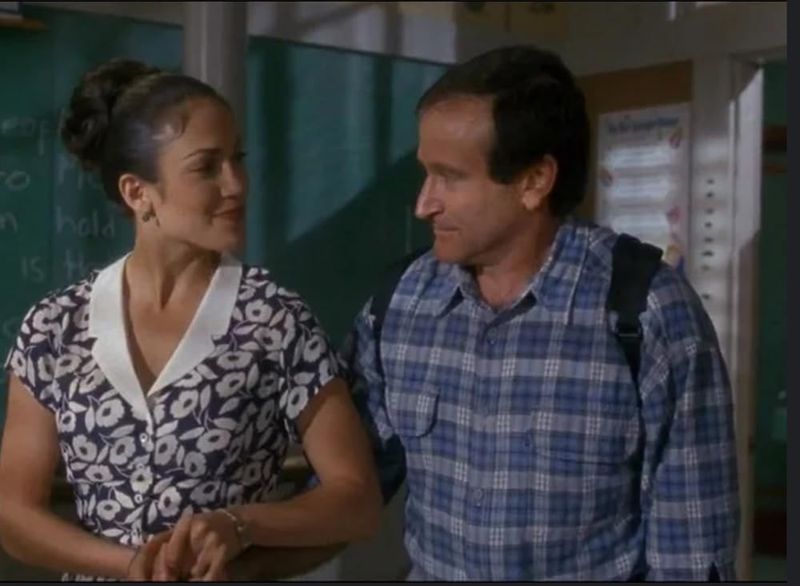
From the director of The Godfather came one of the strangest detours in Hollywood history.
Jack stars Robin Williams as a boy whose body ages four times faster than normal, making him look like a grown adult while still being a child at heart.
The concept had real emotional potential, but the execution felt clumsy and tonally confused.
Critics struggled with whether the film wanted to be funny, heartfelt, or both.
The childish humor clashed awkwardly with heavier themes, leaving audiences feeling manipulated rather than moved.
Coppola has rarely spoken warmly about the project since its release.
4. Oliver Stone – Alexander (2004)
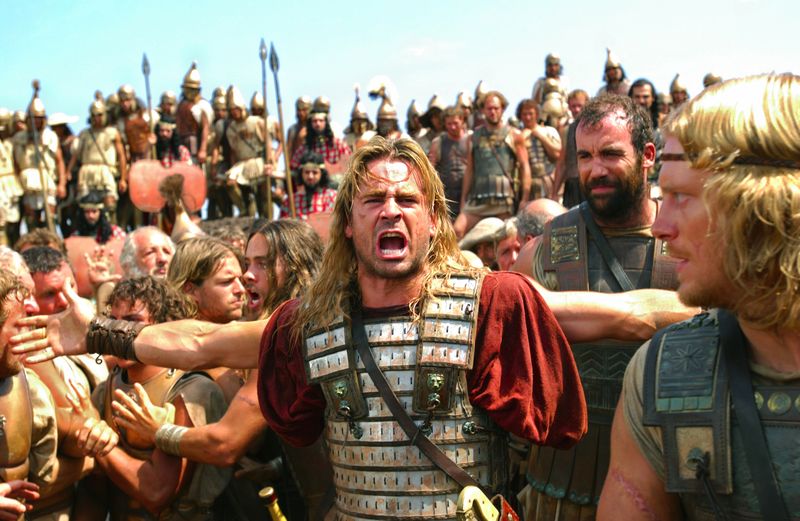
Alexander the Great is one of history’s most compelling figures, so an Oliver Stone biopic seemed like a natural fit.
The film had a massive budget, a talented cast led by Colin Farrell, and Stone’s trademark intensity behind the camera.
Yet somehow, it all fell apart spectacularly.
Farrell’s accent drew mockery, the pacing dragged across its lengthy runtime, and the storytelling felt scattered rather than epic.
Stone released multiple director’s cuts trying to fix the film, but each version struggled to win over audiences.
It remains a rare example of a project where ambition and execution never quite found each other.
5. Christopher Nolan – Tenet (2020)
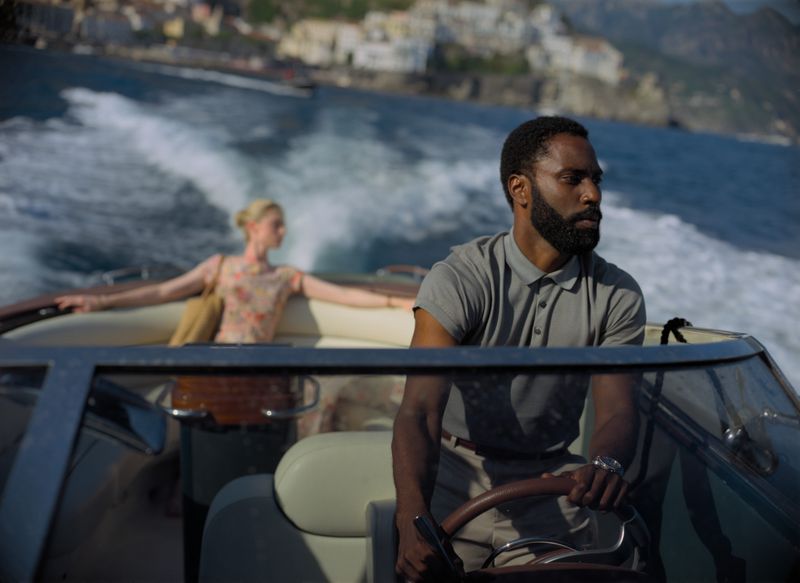
Christopher Nolan is one of the most technically gifted directors working today, and Tenet showcases that brilliance at every turn.
The film’s time-inversion mechanic is visually stunning and genuinely inventive.
But inventive does not always mean enjoyable, and for many viewers, Tenet crossed the line from complex into incomprehensible.
Characters delivered critical plot information in rushed, muffled dialogue while explosions roared in the background.
Emotional stakes were hard to feel when the story itself was so difficult to track.
Nolan’s most polarizing film to date, it proved that even a genius can occasionally prioritize concept over connection with the audience.
6. David Fincher – Alien 3 (1992)
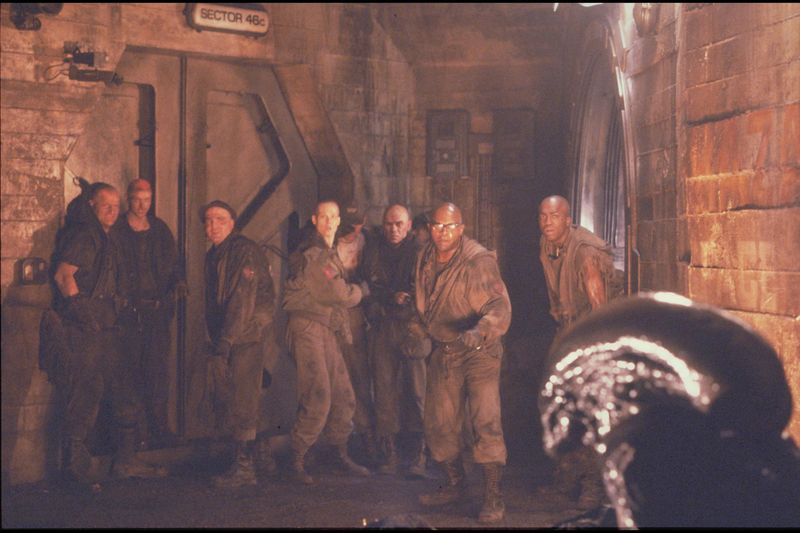
David Fincher would go on to direct Se7en, Fight Club, and Zodiac — but his career began under the worst possible conditions.
Alien 3 was plagued by studio interference before a single frame was even shot.
Scripts were rewritten constantly, the production was chaotic, and Fincher clashed repeatedly with executives at 20th Century Fox.
The finished film felt like a compromise nobody had actually chosen.
Fans of the franchise were furious that beloved characters from Aliens were killed off almost immediately.
Fincher has since refused to discuss the film in depth, describing it as an experience that was never truly his own creative vision.
7. M. Night Shyamalan – Lady in the Water (2006)
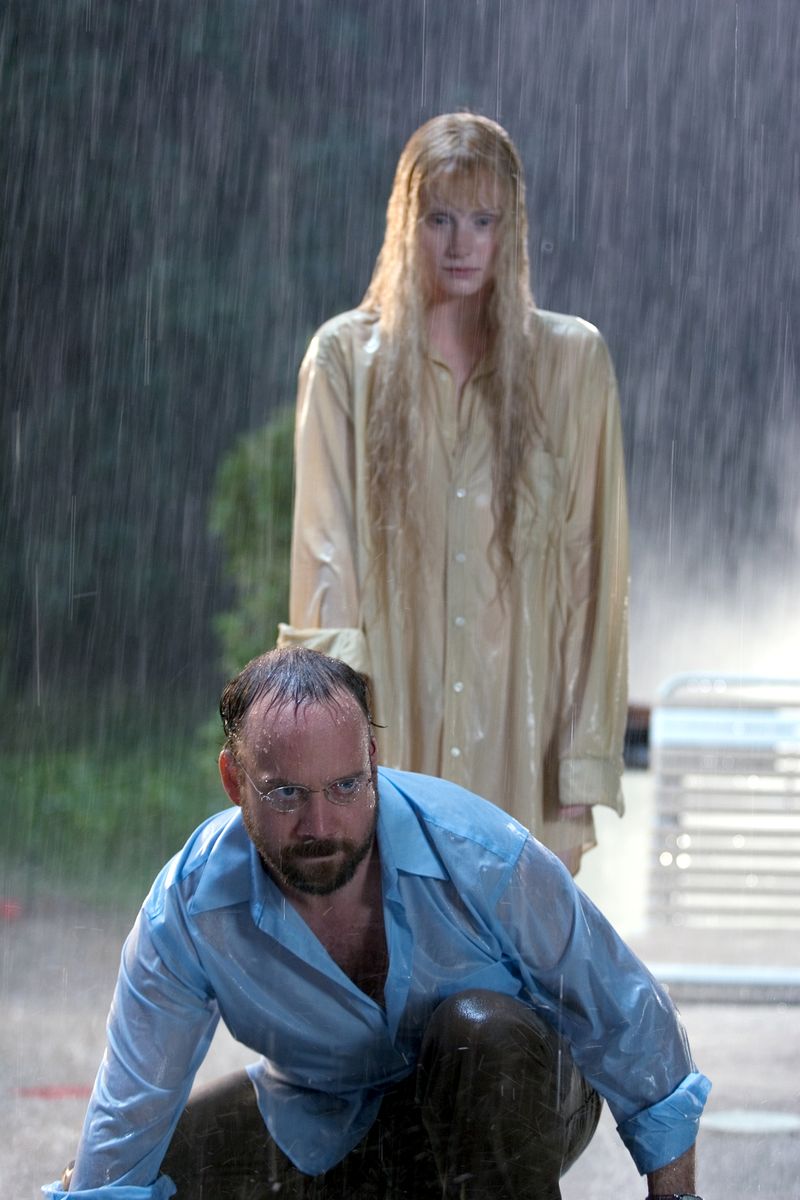
After the massive success of The Sixth Sense and Signs, M.
Night Shyamalan had built a reputation as a master of suspense.
Lady in the Water threw all of that goodwill away in spectacular fashion.
Based on a bedtime story Shyamalan created for his children, the film felt deeply personal — and deeply misguided.
The mythology was confusing, the tone wildly uneven, and Shyamalan cast himself in a role that many viewers found laughably self-important.
Critics were brutal.
The film marked the beginning of a significant decline in his public standing, a reputation he spent years working to rebuild.
8. Brian De Palma – The Bonfire of the Vanities (1990)
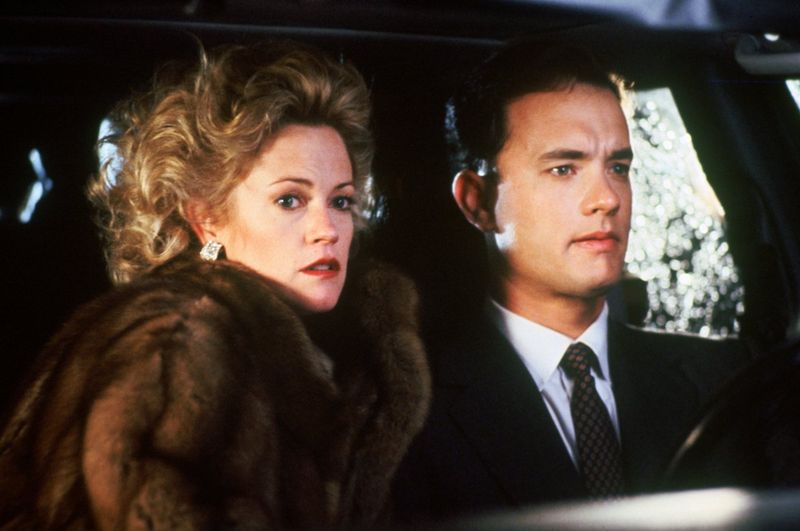
Tom Wolfe’s novel The Bonfire of the Vanities was a razor-sharp dissection of greed, race, and class in 1980s New York.
When Brian De Palma adapted it for the screen, something went very wrong very quickly.
The sharp satirical edge was blunted, and the casting choices baffled critics from the moment they were announced.
Tom Hanks, normally a beloved everyman, was miscast as the arrogant Wall Street villain Sherman McCoy.
The film felt toothless where the book had been vicious.
It became a punchline almost immediately upon release and remains a go-to example of a Hollywood adaptation that completely missed the point of its source material.
9. Robert Zemeckis – Mars Needs Moms (2011)
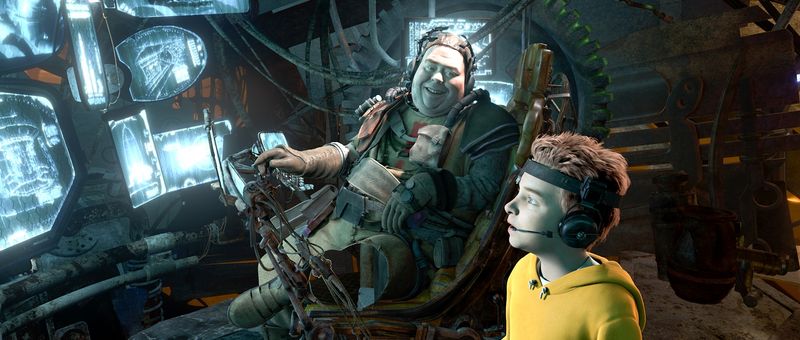
Robert Zemeckis had previously used motion-capture animation for The Polar Express and Beowulf, films that were divisive but had their supporters.
Mars Needs Moms was a different story entirely.
The uncanny valley effect — where animated characters look almost human but feel deeply wrong — was worse than ever, and audiences recoiled.
Children found the visuals creepy rather than charming, and parents were not much more enthusiastic.
The film earned just over $39 million worldwide against a $150 million production budget, making it one of the biggest animated flops ever recorded.
The disaster effectively ended Zemeckis’s experimentation with the motion-capture format for good.
10. Steven Spielberg – 1941 (1979)
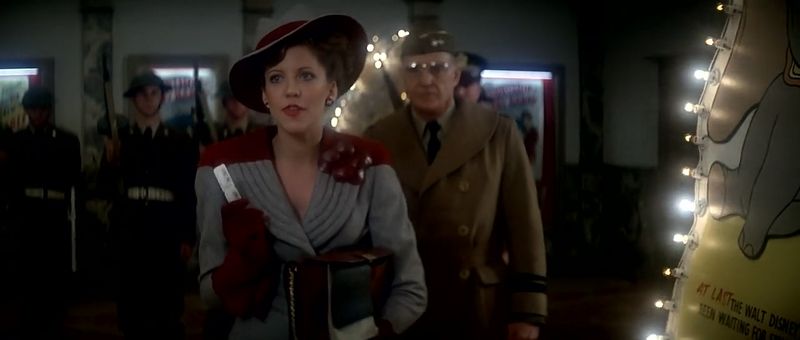
Fresh off the back-to-back triumphs of Jaws and Close Encounters of the Third Kind, Spielberg took a sharp left turn with 1941.
The film was a sprawling, loud, and frenetic wartime comedy set in California following the attack on Pearl Harbor.
It had an enormous cast and an equally enormous budget.
Unfortunately, bigger did not mean better.
The comedy felt forced, the pacing was exhausting, and the story never found a clear focus.
Audiences expecting Spielberg’s usual magic were left cold.
He later admitted the film taught him the hard lesson that spectacle alone cannot replace a good story.
11. George Lucas – Howard the Duck (1986)
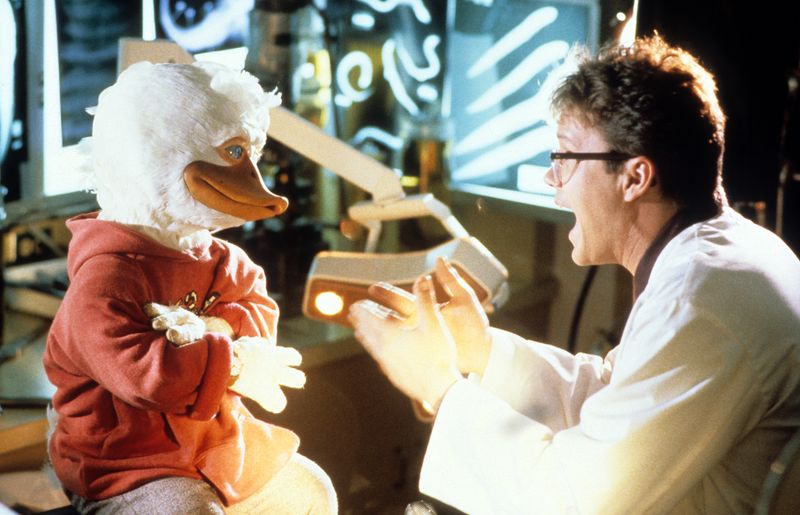
George Lucas had already changed cinema forever with Star Wars and Indiana Jones when he produced Howard the Duck.
Based on a Marvel Comics character, the film attempted to blend science fiction, comedy, and romance into something that had never quite been tried before.
Unfortunately, there was a good reason for that.
The duck suit looked ridiculous, the jokes fell flat, and the romantic subplot between Howard and a human woman made audiences deeply uncomfortable.
Critics were merciless, and the film bombed spectacularly.
Over the decades it has found a cult following, but mostly for how gloriously strange and misjudged the whole thing was.
12. Martin Scorsese – New York, New York (1977)
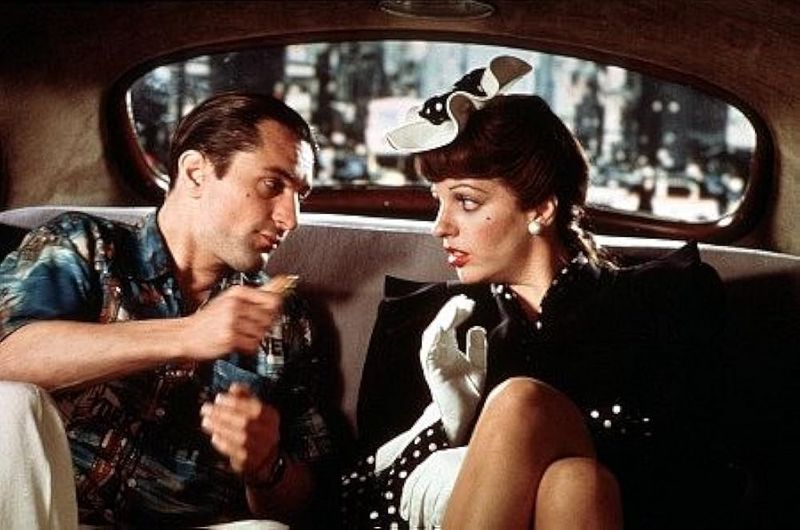
Martin Scorsese wanted to pay tribute to the golden age of Hollywood musicals while injecting them with the raw emotional honesty of 1970s cinema.
The result was New York, New York — a visually lush but deeply conflicted film starring Robert De Niro and Liza Minnelli as a troubled couple navigating love and ambition.
The tonal clash between cheerful musical theatrics and gritty dramatic realism confused audiences and critics alike.
Neither side of the film felt fully realized.
It underperformed badly at the box office and contributed to a turbulent personal period for Scorsese, though he has since revisited the film with greater appreciation.
Comments
Loading…