
 Isabel Parker
Marriage today faces challenges our grandparents never imagined, from constant digital distractions to overwhelming work schedules.
Yet couples in the 1950s maintained strong bonds through simple daily practices that many modern marriages have forgotten.
These timeless traditions, when adapted to fit today’s equal partnerships, offer practical wisdom that could transform your relationship and bring back the connection many couples are missing.
1. Greeting Your Spouse With Warmth and Affection

Walking through the door after a long day and being met with a genuine smile and kiss might seem old-fashioned, but this small gesture carries tremendous power.
When you take just thirty seconds to acknowledge your partner’s arrival with warmth, you’re signaling that they matter more than your phone, the TV show, or whatever task you’re doing.
Research shows that couples who maintain physical affection throughout their relationship report higher satisfaction levels.
This isn’t about outdated gender roles but about both partners making each other feel valued and loved.
Try setting down your devices when your spouse comes home.
Make eye contact, offer a hug, and ask about their day before diving back into your routine.
2. Making Shared Meals a Daily Priority
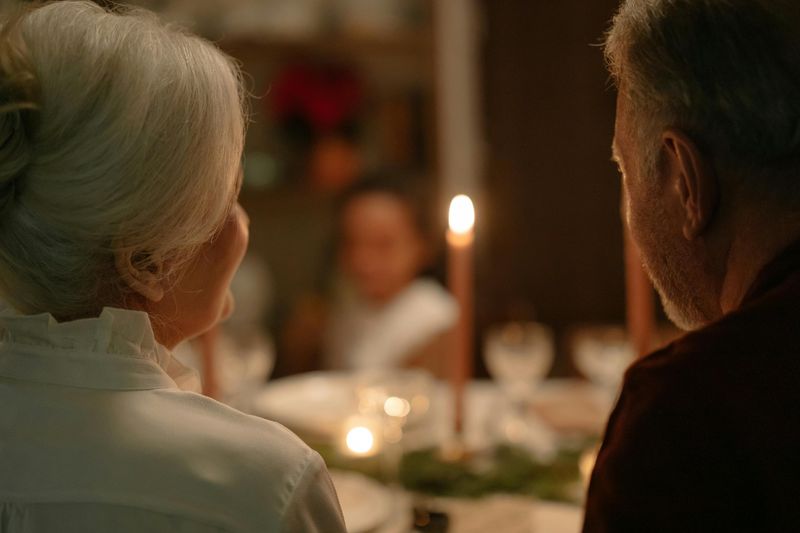
Families in the 1950s gathered around the dinner table almost every evening, creating a ritual that strengthened their bonds.
Today, between demanding careers and endless activities, many couples eat separately or in front of screens, missing crucial connection time.
Cooking and eating together doesn’t require elaborate meals or perfect timing.
Even simple dishes prepared side-by-side create opportunities for conversation and teamwork that strengthen your partnership.
Start small by committing to three shared meals weekly.
Put phones away, light a candle, and use this time to really talk about your days, dreams, and concerns without distractions pulling you apart.
3. Creating a Peaceful and Organized Home Environment

A cluttered space often reflects a cluttered relationship.
While 1950s standards placed this burden unfairly on women, modern couples can share the responsibility of maintaining a home that feels like a sanctuary rather than a source of stress.
Coming home to chaos increases cortisol levels and creates tension between partners.
When both people contribute to keeping spaces tidy, you’re investing in your mental health and relationship peace.
Spend fifteen minutes each evening doing a quick reset together.
Pick up clutter, wipe surfaces, and prepare for the next day.
This shared effort builds teamwork while creating the calm environment both of you deserve.
4. Making Effort in Your Appearance for Each Other

Remember when you first started dating and put thought into how you looked before seeing each other?
That spark didn’t fade because attraction died but because comfort replaced effort.
Taking time to look and feel your best isn’t vanity; it’s showing respect for your partner and yourself.
This doesn’t mean wearing heels to vacuum or suits at breakfast.
It means occasionally styling your hair, wearing something that makes you feel confident, or putting on that cologne your spouse loves.
Schedule regular date nights where both of you dress up a bit.
The act of preparing together builds anticipation and reminds you both that your relationship deserves special attention, not just leftover energy.
5. Practicing Active and Attentive Listening

How often does your spouse talk while you scroll through your phone or mentally plan tomorrow’s tasks?
In the 1950s, undivided attention was easier without constant digital interruptions.
Today, truly listening requires intentional effort that many relationships desperately need.
Active listening means putting down distractions, making eye contact, and responding thoughtfully to what your partner shares.
It’s validating their feelings even when you disagree and asking follow-up questions that show genuine interest.
Create a daily fifteen-minute check-in ritual.
Sit together without phones, take turns sharing, and practice reflecting back what you heard before responding.
This simple practice prevents misunderstandings and deepens emotional intimacy significantly.
6. Supporting Each Other’s Professional Dreams and Goals

While 1950s support often flowed one direction, modern marriages thrive when both partners champion each other’s ambitions.
Whether it’s a career change, business venture, or personal project, having your spouse believe in your potential makes challenges feel manageable.
Support looks different for everyone.
Sometimes it’s listening to work frustrations without offering solutions.
Other times it’s taking on extra household duties during busy seasons or celebrating small wins that others might overlook.
Ask your partner regularly what they need from you regarding their goals.
Be specific about how you can help, whether that’s proofreading presentations, handling dinner on late nights, or simply being their biggest cheerleader through setbacks and successes.
7. Managing Finances Together With Transparency and Responsibility

Money fights rank among the top reasons marriages fail, yet many couples avoid financial discussions until problems arise.
In the 1950s, one person typically managed household finances; today’s successful couples tackle money matters as a team, maintaining open communication about spending, saving, and goals.
Financial transparency means regular budget reviews, discussing major purchases beforehand, and working toward shared objectives like buying a home or planning vacations.
It’s not about controlling each other but building trust through honesty.
Schedule monthly money dates to review accounts, celebrate progress, and adjust plans together.
Keep these conversations judgment-free and solution-focused.
When both partners understand your financial picture, you’ll make better decisions and reduce stress significantly.
Comments
Loading…