
 Hailey Watson
Walking through any mall or scrolling social media, you’ll notice people flashing designer logos and luxury goods everywhere.
But here’s the uncomfortable truth: many of these status symbols belong to people who can barely afford their rent.
They’re drowning in debt just to maintain an image that fools nobody.
Understanding these purchasing traps can help you avoid the same financial mistakes and focus on building real wealth instead of just looking wealthy.
1. Entry-Level Luxury Cars
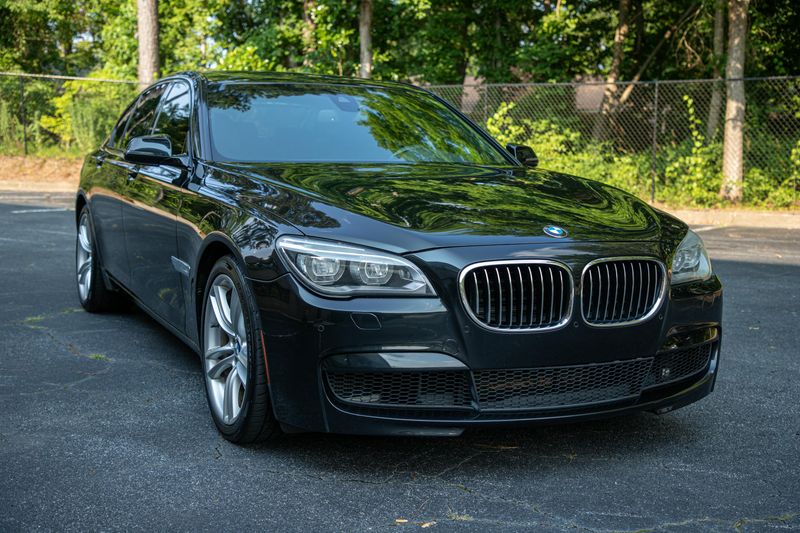
That used BMW sitting in the driveway might turn heads, but the owner is probably crying every time something breaks.
Luxury vehicles lose value faster than ice cream melts in July, and maintenance costs can drain a bank account in weeks.
Oil changes alone cost three times more than regular cars.
When the check engine light appears, repair bills easily hit thousands of dollars.
These cars were designed for people who can afford brand-new models with warranties.
Meanwhile, the monthly payment eats up a huge chunk of income that could go toward savings or investments.
True wealth whispers while poverty screams through expensive car payments.
2. Designer Logos from Outlet Stores

Outlet malls have become pilgrimage sites for logo hunters desperate to flash designer names.
What they don’t realize is that these items are specifically manufactured for outlets with cheaper materials and construction.
The quality difference is obvious to anyone who knows fashion.
Real luxury buyers avoid prominent logos altogether because true elegance doesn’t need to announce itself.
Those giant letters screaming across a bag actually signal financial insecurity rather than success.
Spending three hundred dollars on a discounted designer wallet when a fifty-dollar alternative works just as well represents terrible money management.
Status-seeking through outlet shopping creates the illusion of wealth while preventing actual wealth accumulation.
3. Newest iPhones on Payment Plans
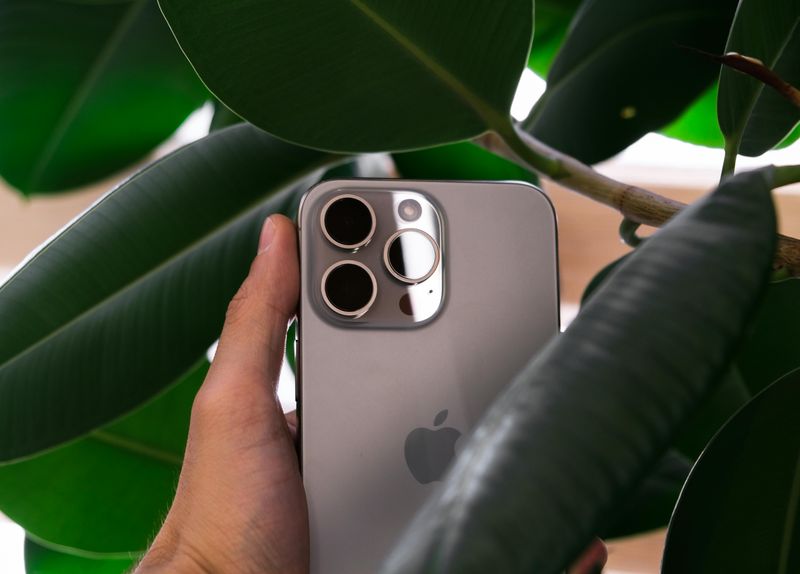
Every September brings a predictable parade of people lining up for thousand-dollar phones they’ll finance over two years.
They’re essentially taking out loans for devices that will be outdated before they’re paid off.
The monthly installments seem manageable until you realize that’s money disappearing forever.
These phones offer minimal improvements over models from two years ago.
Most users never touch the advanced features that supposedly justify the premium price tag.
Instead of building emergency savings or investing, people choose shiny rectangles that depreciate immediately.
Truly wealthy individuals often use older phone models because they understand that real status comes from financial security, not the latest gadget in your pocket.
4. Massive TVs Financed at Zero Percent

Walking into electronics stores during Black Friday reveals a sad truth: people financing televisions larger than their walls.
Zero percent interest sounds appealing until you realize you’re still making payments on entertainment equipment for years.
That seventy-five-inch screen dominates a living room meant for half that size.
The TV becomes outdated long before the final payment arrives.
Technology evolves so quickly that today’s premium features become tomorrow’s standard specs.
Rich people buy what they need and pay cash.
Poor people buy what impresses visitors and stretch payments across endless months.
That massive screen might wow guests initially, but everyone knows the financial strain behind it when you’re still making payments two years later.
5. Subscription Services They Never Use

Gym memberships collecting dust, streaming services never watched, and premium app subscriptions forgotten—these silent budget killers add up fast.
People sign up thinking they’ll use everything, but life gets busy and those monthly charges keep rolling.
Each individual subscription seems insignificant at ten or twenty dollars monthly.
Combined, they drain hundreds annually for services that provide zero value.
The psychology is simple: signing up feels like self-improvement while canceling feels like admitting failure.
Wealthy individuals ruthlessly cut unused expenses because they respect their money.
Maintaining subscriptions for appearance sake—like that premium music service you mention but rarely use—signals poor financial discipline.
Every unused subscription represents money that could grow through proper investment instead.
6. Kitchen Appliances That Announce Their Price

Stainless steel stand mixers and commercial-grade espresso machines sit on counters like trophies, used maybe twice since purchase.
These appliances exist primarily as conversation pieces rather than functional tools.
The irony is thick when someone can’t afford groceries but owns a four-hundred-dollar mixer.
Professional-grade kitchen equipment makes sense for people who actually cook regularly.
For everyone else, it’s just expensive decoration gathering dust between rare uses.
The truly affluent often have modest kitchen tools because they either hire chefs or appreciate that expensive gadgets don’t improve basic cooking skills.
Displaying pricey appliances while ordering takeout nightly perfectly captures the difference between looking rich and being rich.
Function should always trump form when money is tight.
7. Fast Fashion Masquerading as Business Casual

Buying cheap suits and dress clothes that fall apart after three washes creates a never-ending expense cycle.
Fast fashion brands market themselves as affordable alternatives to quality clothing, but the math tells a different story.
That thirty-dollar dress shirt needs replacing every few months.
Quality fabrics and construction cost more initially but last years longer.
One well-made suit outperforms five cheap ones in both appearance and longevity.
People trying to look successful through quantity rather than quality end up spending more over time while always appearing slightly disheveled.
Wealthy individuals invest in timeless, durable pieces that maintain their appearance through countless wears.
Building a smaller wardrobe of genuine quality beats stuffing closets with disposable fashion that screams financial desperation rather than professional success.
Comments
Loading…