
 Isabel Parker
11 Things You Must Know About Your Partner Before Marriage

Getting married is one of the biggest decisions you will ever make.
Knowing the right things about your partner before you say “I do” can save you from heartbreak and confusion later on.
Many couples rush into marriage without having honest conversations about what really matters.
Taking the time to understand who your partner truly is sets the stage for a stronger, happier life together.
1. Why They Want to Get Married

Behind every proposal is a reason, and that reason matters more than most people realize.
Ask your partner honestly why they want to get married.
Are they driven by love and commitment, or are they responding to family pressure and social expectations?
When your motivations line up, you build a relationship on solid ground.
If one person sees marriage as a life partnership while the other sees it as just the next step, tension will follow.
Understanding the “why” behind the decision helps both of you move forward with clarity, purpose, and genuine excitement for the future you are creating together.
2. Their Financial Situation and Money Habits

Money arguments are one of the leading causes of divorce, so getting financially transparent before marriage is absolutely worth it.
Find out how your partner earns, spends, saves, and deals with debt.
Do they live paycheck to paycheck, or do they plan ahead?
Knowing whether they carry credit card debt or have a savings cushion helps you understand what you are walking into.
You do not need to be financial twins, but you do need enough common ground to build a budget together.
Talking about money early prevents the kind of stress that quietly chips away at even the strongest relationships.
3. Their Views on Having Children

Few topics carry more weight in a marriage than the question of children.
Wanting kids while your partner does not is not something love alone can fix.
Before walking down the aisle, have a clear and honest conversation about whether either of you wants children, and if so, how many and when.
Also talk about parenting styles, education choices, and what kind of home environment you both envision.
These conversations might feel a little awkward at first, but they are far less painful than discovering a major disagreement years into a marriage.
Being on the same page here is truly non-negotiable.
4. Their Relationship with Family

Watch how your partner treats their family, because that often tells you everything.
The way someone talks to their parents, handles sibling disagreements, or navigates holiday gatherings reveals deeply held values and emotional patterns.
Family dynamics shape us in ways we do not always recognize ourselves.
Ask yourself how much involvement their family expects in your future together.
Will holidays always be spent at their parents house?
Will relatives have a say in major decisions?
Knowing the answers now helps you set healthy boundaries early.
A partner who respects their family while also maintaining healthy limits is a very good sign.
5. Their Core Values and Beliefs

Values are the invisible framework holding a relationship together.
When two people share similar beliefs about honesty, kindness, faith, and purpose, everyday life flows much more smoothly.
That does not mean you have to agree on everything, but the big stuff really does matter.
Differences in religion or moral principles can become points of conflict over time, especially when raising children or making major life decisions.
Talk openly about what you each believe and why.
A couple who respects each other’s values, even when they differ slightly, builds a relationship rooted in genuine mutual understanding.
That kind of foundation is hard to shake.
6. Their Long-Term Goals and Life Vision

Picture two people rowing a boat in completely different directions.
That is what happens when couples skip this conversation.
Knowing where your partner wants to be in five, ten, or twenty years is just as romantic as it is practical.
Do they want to travel the world, settle in a small town, or climb the corporate ladder?
Shared direction does not mean identical dreams, but it does mean enough overlap to move forward together.
Talk about where you want to live, the lifestyle you want, and what success means to each of you.
Growing together starts with knowing where you are both headed.
7. How They Handle Conflict and Disagreements
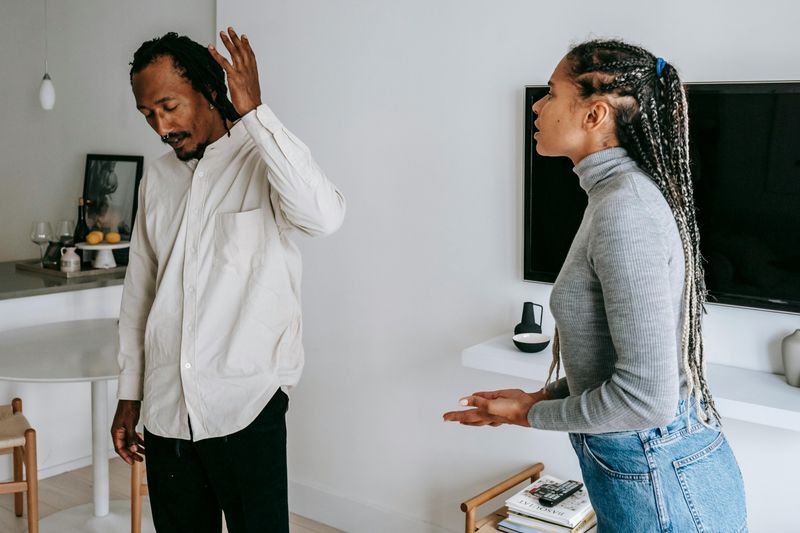
Every couple argues.
What separates healthy relationships from unhealthy ones is not the absence of conflict but how each person handles it.
Does your partner shut down when things get tense?
Do they raise their voice or say things they later regret?
Or do they stay calm and work toward a solution?
Pay close attention to how they behave during stressful moments, even before marriage.
Small disagreements are actually great practice runs.
A partner who listens, takes responsibility, and genuinely tries to resolve issues is worth their weight in gold.
Knowing their conflict style now saves you from a lot of unnecessary pain later.
8. Their Communication Style

Strong communication is the backbone of any lasting marriage.
Some people express themselves openly and frequently, while others tend to bottle things up or communicate indirectly.
Neither style is automatically wrong, but a big mismatch can lead to serious misunderstandings over time.
Notice whether your partner listens when you speak, responds thoughtfully, and brings up concerns without turning them into attacks.
Can they say “I feel hurt” instead of “You always do this”?
Couples who communicate with respect and honesty are far better equipped to handle everything life throws at them.
Clear, kind communication is a skill, and it is one worth developing together.
9. Their Expectations for Roles in the Relationship

Unspoken expectations are relationship landmines.
One partner might assume the other will handle cooking and cleaning, while the other expects everything split equally.
Without talking it through, resentment builds quietly until it explodes at the worst possible moment.
Talk openly about how you each see household responsibilities, finances, career priorities, and decision-making.
Do traditional gender roles feel right to both of you, or do you prefer a more flexible arrangement?
There is no single right answer, but there needs to be a shared answer.
Couples who define their roles together, rather than assuming, tend to feel far more respected and satisfied in their daily lives.
10. Their Lifestyle and Daily Habits

You can love someone deeply and still find their daily habits exhausting to live with.
Are they a night owl while you wake up at dawn?
Do they leave dishes in the sink or keep the house spotless?
These might sound like small things, but they add up fast when you are sharing a space every single day.
Also consider social habits, exercise routines, eating preferences, and screen time.
Couples do not need to be identical in their routines, but they do need enough compatibility to feel comfortable at home.
Talking about lifestyle honestly before marriage prevents a lot of unnecessary friction down the road.
11. Their Boundaries and Dealbreakers

Everyone has limits, and knowing your partner’s is a sign of maturity, not weakness.
Some people are firm about things like fidelity, substance use, or how conflict is handled.
Others have clear dealbreakers around religion, money, or family loyalty.
These are not small details to gloss over.
Ask your partner what they absolutely cannot tolerate in a relationship, and share your own list honestly.
Respecting each other’s limits creates a foundation of safety and trust.
When both people feel heard and taken seriously, the relationship becomes a space where both can truly thrive.
Knowing the lines before crossing them makes all the difference.
Comments
Loading…