
 Hailey Watson
14 Movies Everyone Expected to Be a Letdown
Sometimes a movie comes along that has people rolling their eyes before it even hits theaters. Whether it’s a weird concept, a troubled production, or just a cast that seems totally wrong for the job, some films arrive with a cloud of doubt hanging over them.
What’s surprising, though, is that a few of these so-called disasters actually turned out to be watchable — or at least memorable for all the wrong reasons. Here’s a look at 14 movies that had audiences expecting the worst from the very start.
1. Cats (2019)
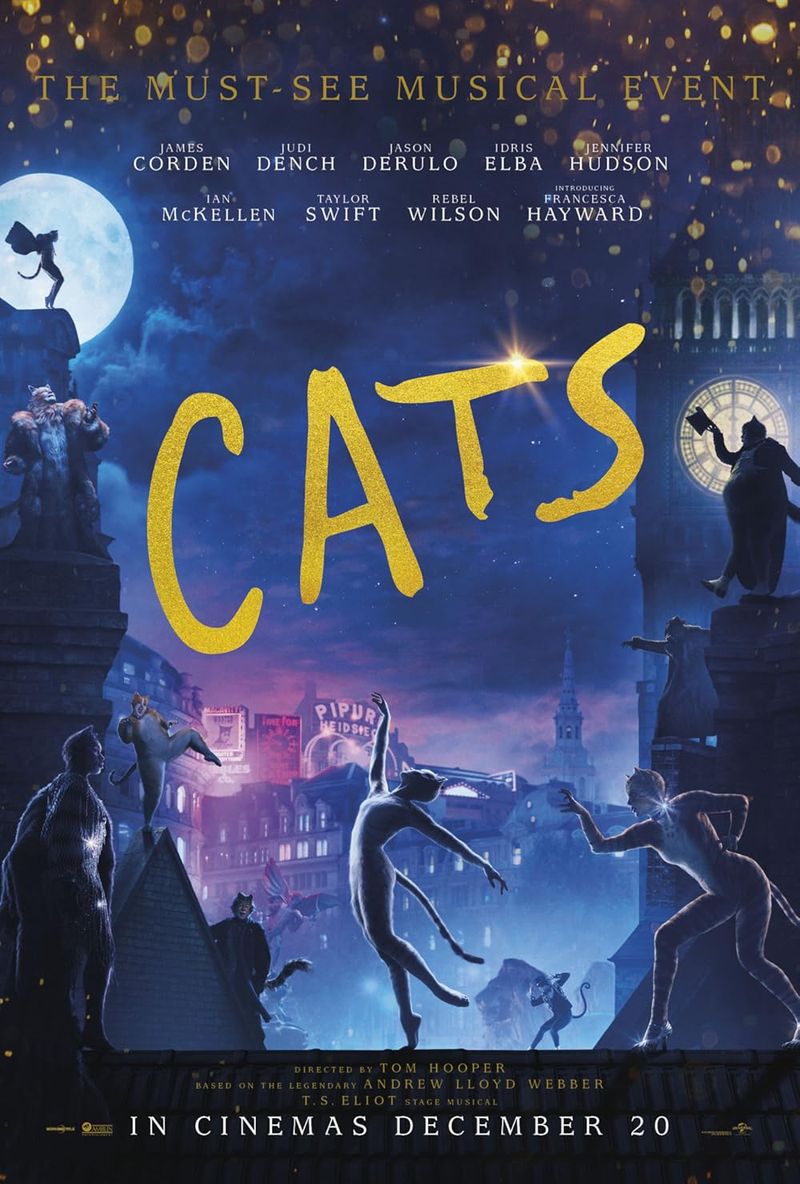
Nothing could have prepared the world for the first trailer of Cats.
When it dropped in 2019, the internet collectively lost its mind over the CGI “digital fur technology” that gave human actors disturbingly realistic cat features.
People weren’t just skeptical — they were horrified.
Director Tom Hooper adapted the famous Andrew Lloyd Webber musical with a star-studded cast including Judi Dench, Ian McKellen, and Jennifer Hudson.
Yet somehow, all that talent couldn’t save it.
Critics tore it apart, and audiences stayed away in droves.
The film reportedly lost around $100 million.
Strangely, it became a cult oddity people watch just to experience its weirdness firsthand.
2. Morbius (2022)
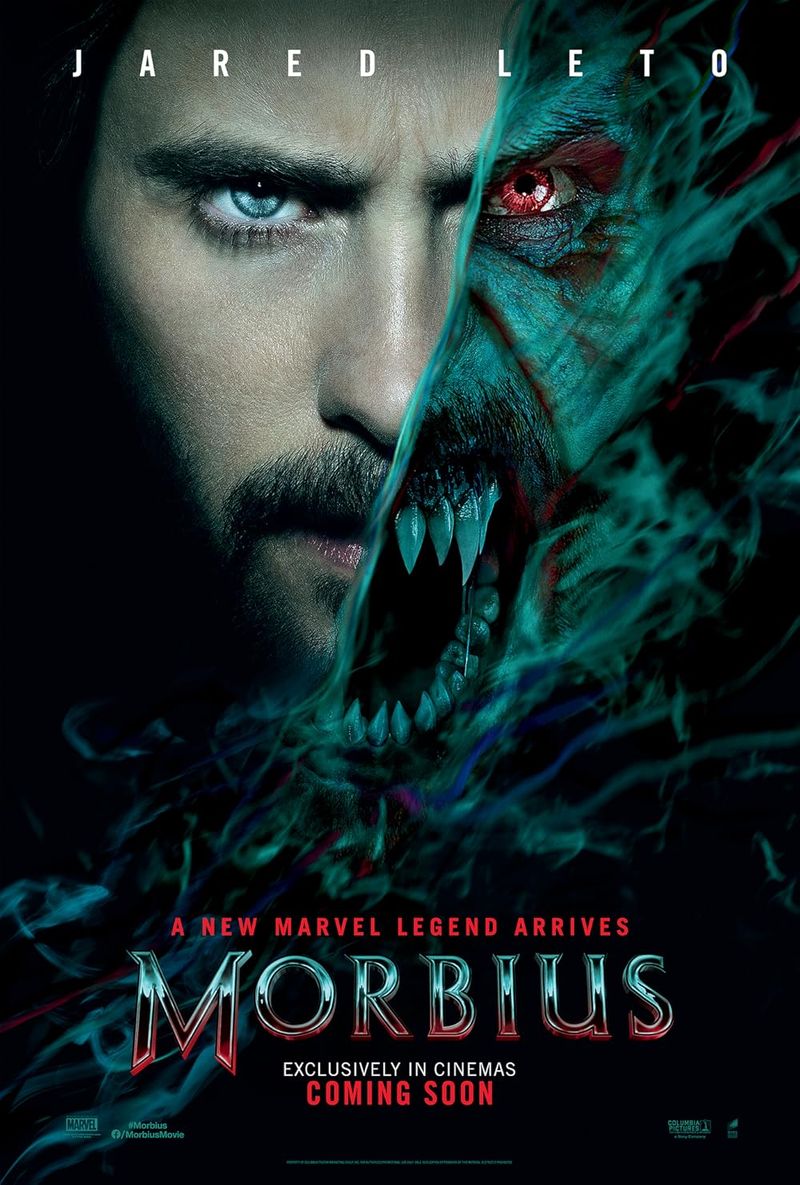
Jared Leto has had a complicated relationship with superhero movies, and Morbius did nothing to fix that.
Sony’s Spider-Man villain spinoff was delayed multiple times before finally crawling into theaters in 2022 — and audiences already had low expectations baked in.
The trailers looked generic, the story felt recycled, and fans of the comics weren’t exactly thrilled with the direction.
Critics confirmed every fear, calling it dull and poorly written.
It became one of the lowest-rated superhero films in recent memory.
Weirdly, a meme campaign brought it back to theaters briefly.
That second run flopped even harder, making the whole situation almost poetic.
3. The Emoji Movie (2017)
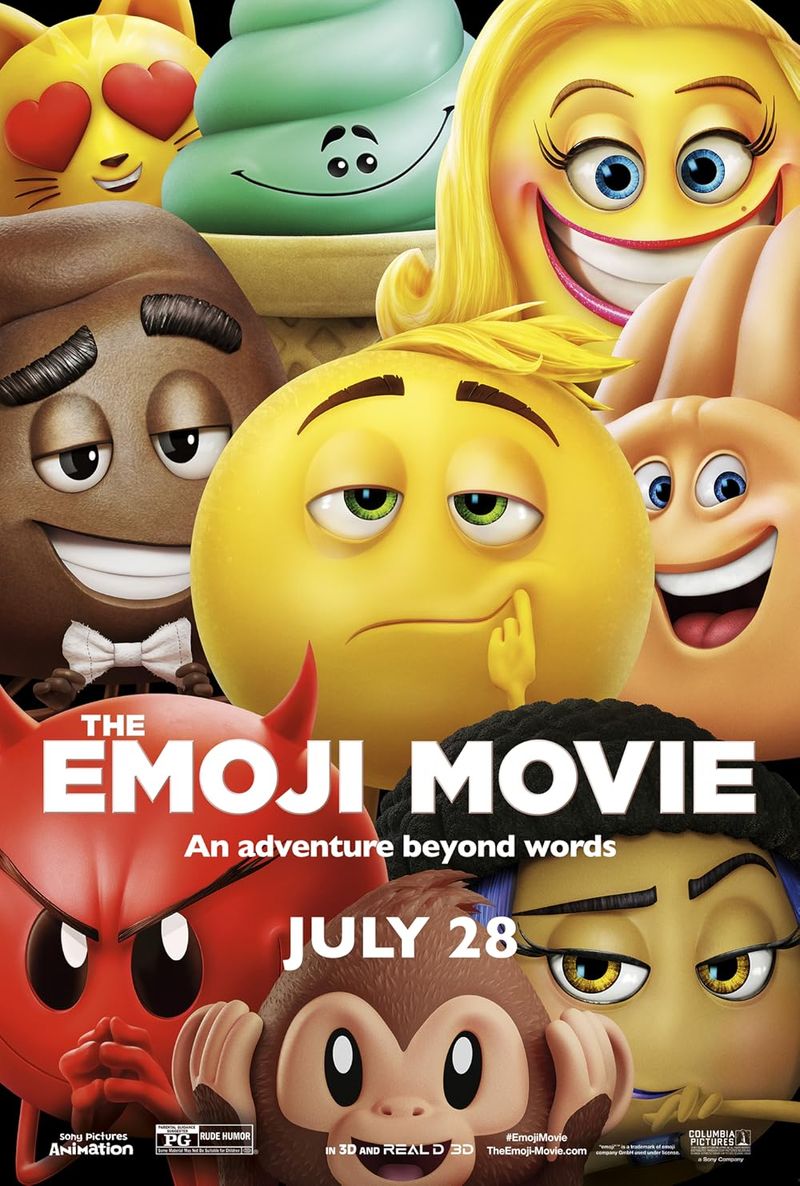
Honestly, the moment Sony announced a full animated feature film based on smartphone emojis, groans echoed across the internet.
Parents dreaded it.
Film critics braced themselves.
Even kids seemed unsure what to make of it.
The Emoji Movie follows Gene, a multi-expression emoji who doesn’t fit in with his single-expression peers.
It’s basically a Wreck-It Ralph knockoff set inside a phone, complete with obvious product placement for apps like Spotify and Candy Crush.
Critics called it lazy and cynical.
It won the Razzie for Worst Picture that year.
Yet somehow, younger kids watched it repeatedly — proving that low expectations don’t always mean low viewership.
4. Dragonball Evolution (2009)
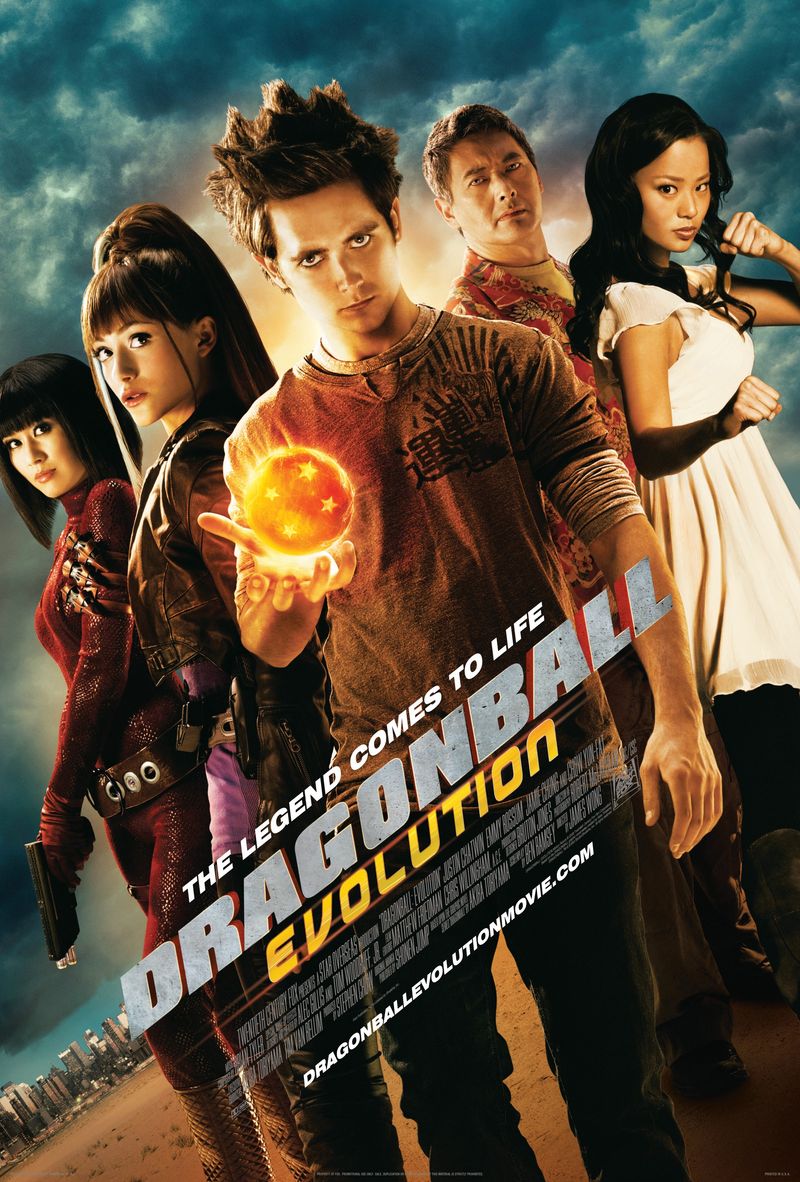
Adapting beloved anime into live-action films is notoriously risky, and Dragonball Evolution is Exhibit A for why fans panic every time it’s attempted.
The announcement alone sent shockwaves through the Dragon Ball fandom — and not the excited kind.
The film cast Justin Chatwin as Goku, drastically changed the lore, and reduced a rich, action-packed universe into a forgettable teen adventure.
Fans felt completely disrespected, and critics agreed the movie was a hollow shell of its source material.
Even the original manga creator, Akira Toriyama, admitted he wasn’t happy with it.
The film bombed hard and remains a cautionary tale in Hollywood adaptation history.
5. Batman v Superman: Dawn of Justice (2016)
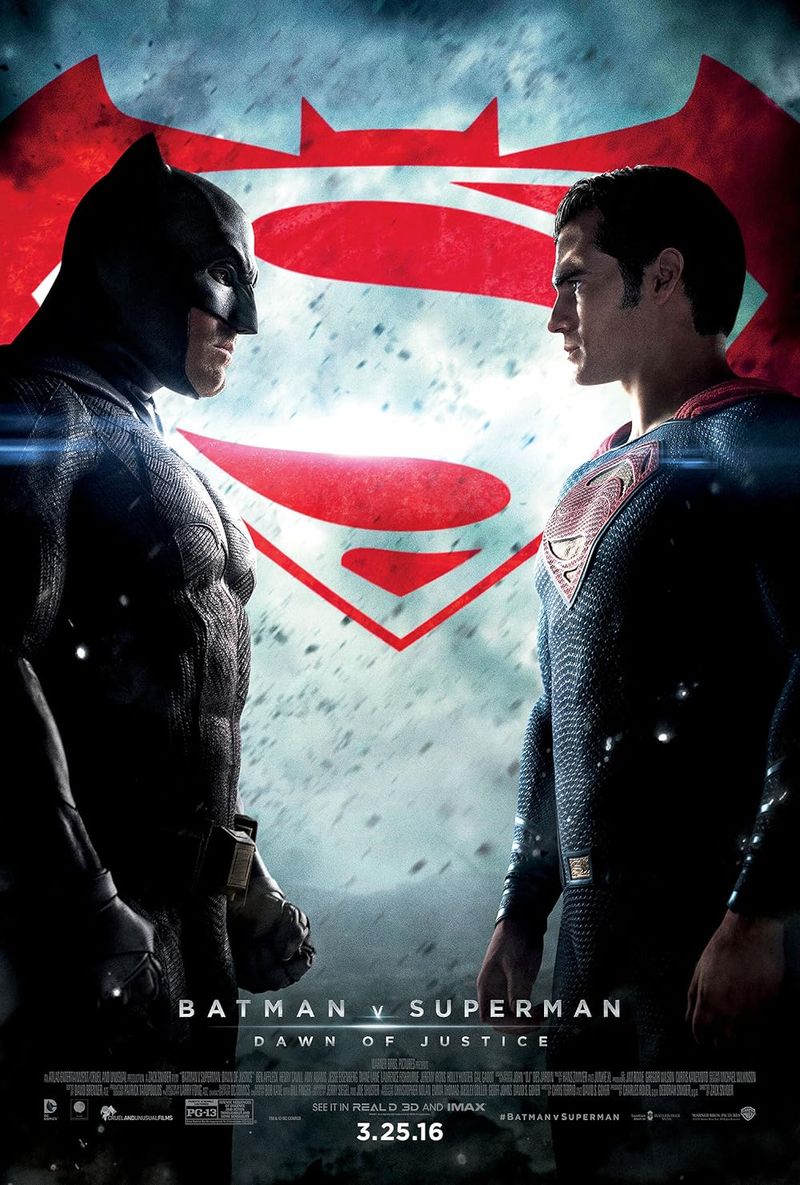
Two of the most iconic superheroes in history fighting each other on the big screen should have been a slam dunk.
Instead, Batman v Superman: Dawn of Justice arrived weighed down by sky-high expectations and a trailer that already seemed to give away too much.
Director Zack Snyder’s dark, brooding take divided audiences sharply.
Some admired its ambition; many others felt it was overstuffed, joyless, and hard to follow.
Critics were especially harsh, citing a confusing plot and underdeveloped characters.
The theatrical cut ran nearly three hours, and a longer director’s cut followed.
The film still sparks heated debate online, proving it left a complicated legacy.
6. Suicide Squad (2016)
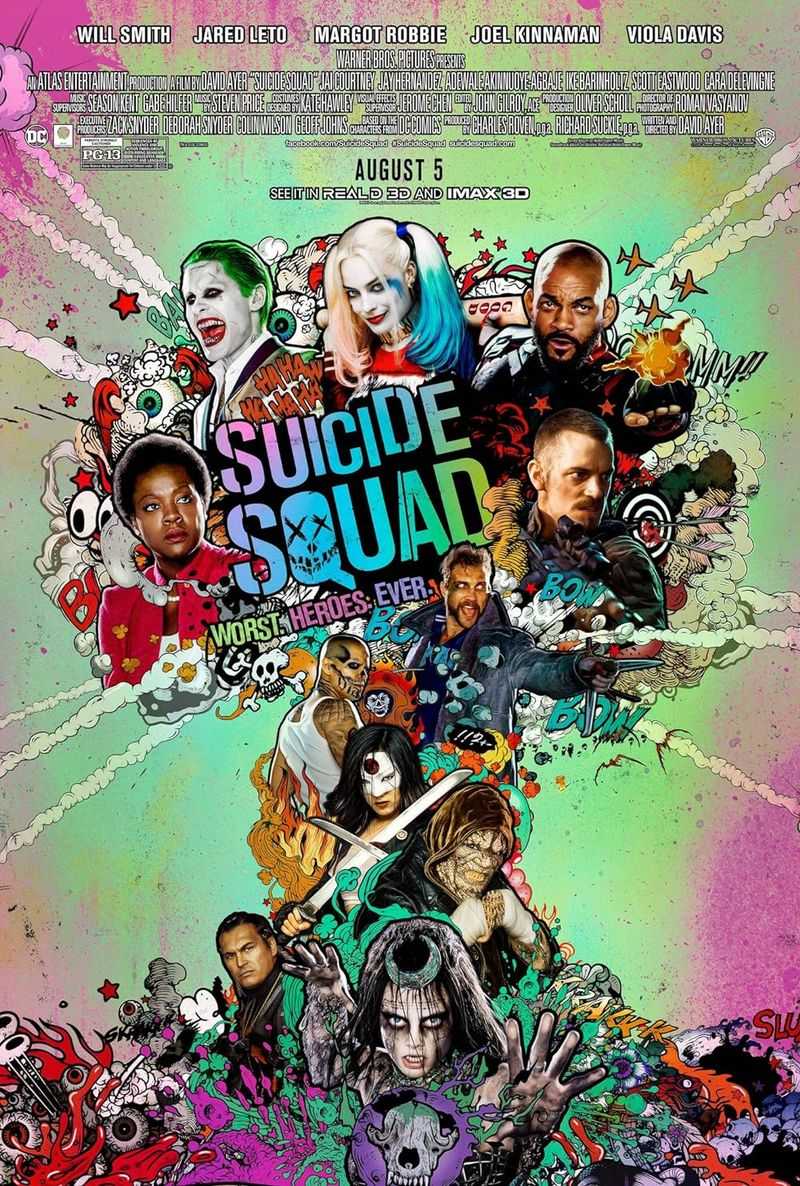
After Batman v Superman disappointed many DC fans, Suicide Squad was supposed to be the fun, wild card that saved the year.
The trailers were slick, the music was catchy, and Margot Robbie’s Harley Quinn looked like a breakout star waiting to happen.
Then the reviews hit.
Critics called it messy, tonally confused, and poorly edited.
Reports suggested heavy reshoots changed the film dramatically after Batman v Superman’s cold reception scared studio executives into demanding more laughs.
Still, audiences showed up in huge numbers, and it made over $700 million worldwide.
Margot Robbie’s Harley Quinn was universally praised — a bright spot in an otherwise chaotic film.
7. The Last Airbender (2010)
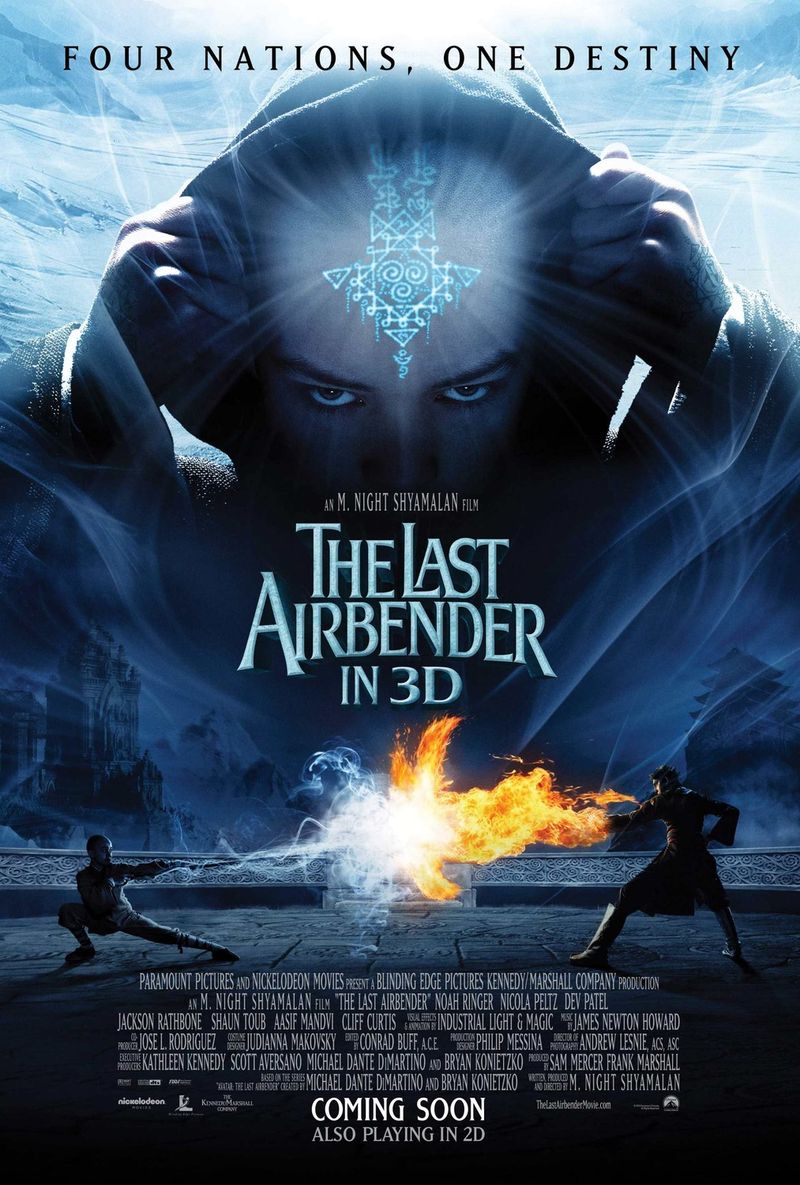
Avatar: The Last Airbender is one of the most beloved animated series of all time, so when M.
Night Shyamalan announced he was making a live-action adaptation, fans had every reason to be nervous.
The casting choices alone sparked major controversy before filming even began.
When the movie finally arrived, it was widely considered one of the worst adaptations ever made.
Characters were mispronounced, storylines were rushed, and the bending sequences lacked the fluidity and wonder of the show.
The emotional heart of the original was completely missing.
Roger Ebert gave it half a star.
Shyamalan’s once-promising career took a serious blow, and fans still treat the film like it simply doesn’t exist.
8. Green Lantern (2011)
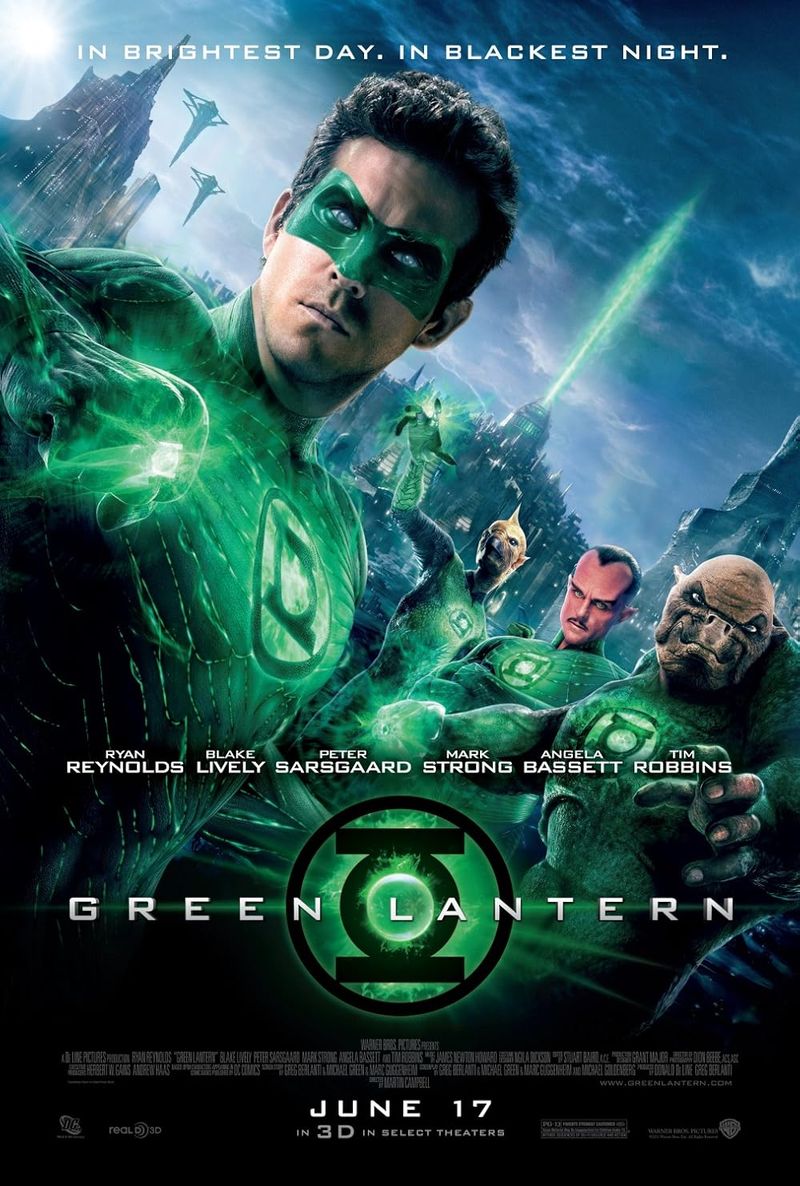
Ryan Reynolds himself has made a career out of joking about how bad Green Lantern was — and honestly, that self-awareness is part of his charm.
But back in 2011, audiences weren’t laughing.
They were disappointed.
The film had a massive budget and a charismatic lead, yet somehow produced a bloated, CGI-heavy mess that failed to establish a compelling universe.
The villain was forgettable, the romantic subplot felt forced, and the green suit Reynolds wore was entirely computer-generated — a choice that aged terribly.
Reynolds has referenced it mockingly in Deadpool films multiple times since.
Green Lantern remains the film that nearly derailed one of Hollywood’s most likable careers.
9. Jack and Jill (2011)
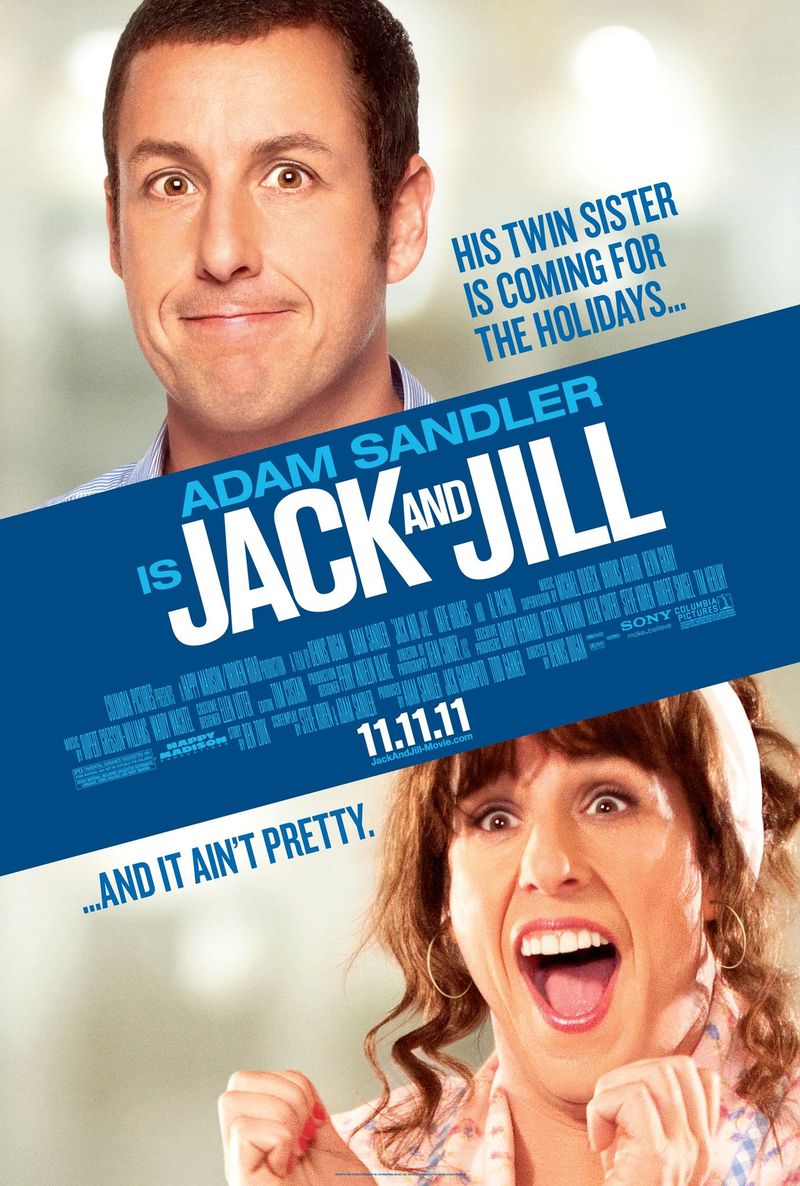
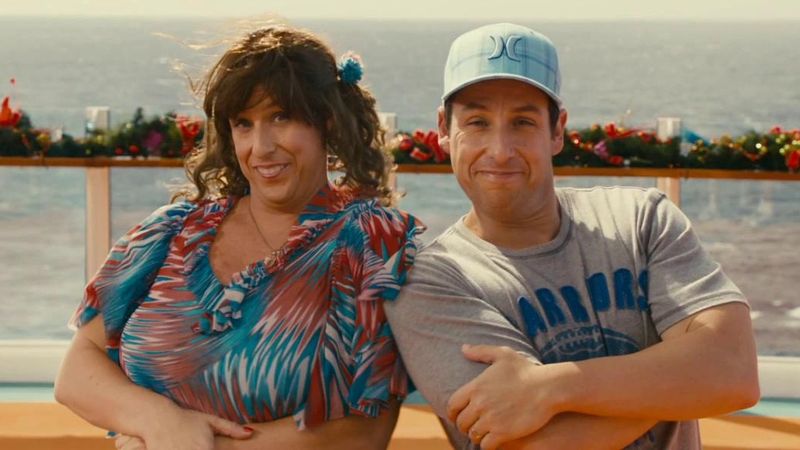
Adam Sandler playing twin siblings — one male, one female — in a broad slapstick comedy already sounded like a tough sell.
Jack and Jill arrived with almost no critical goodwill and a premise that felt like a dare rather than a real film idea.
Critics demolished it.
The film swept the Razzie Awards in 2012, winning in every single category it was nominated for — a historic achievement in cinematic badness.
Al Pacino’s appearance as a fictionalized version of himself was considered particularly baffling.
Surprisingly, it made over $149 million at the box office.
That number proves that Sandler’s loyal fanbase will show up regardless of what critics say about his films.
10. Fifty Shades of Grey (2015)
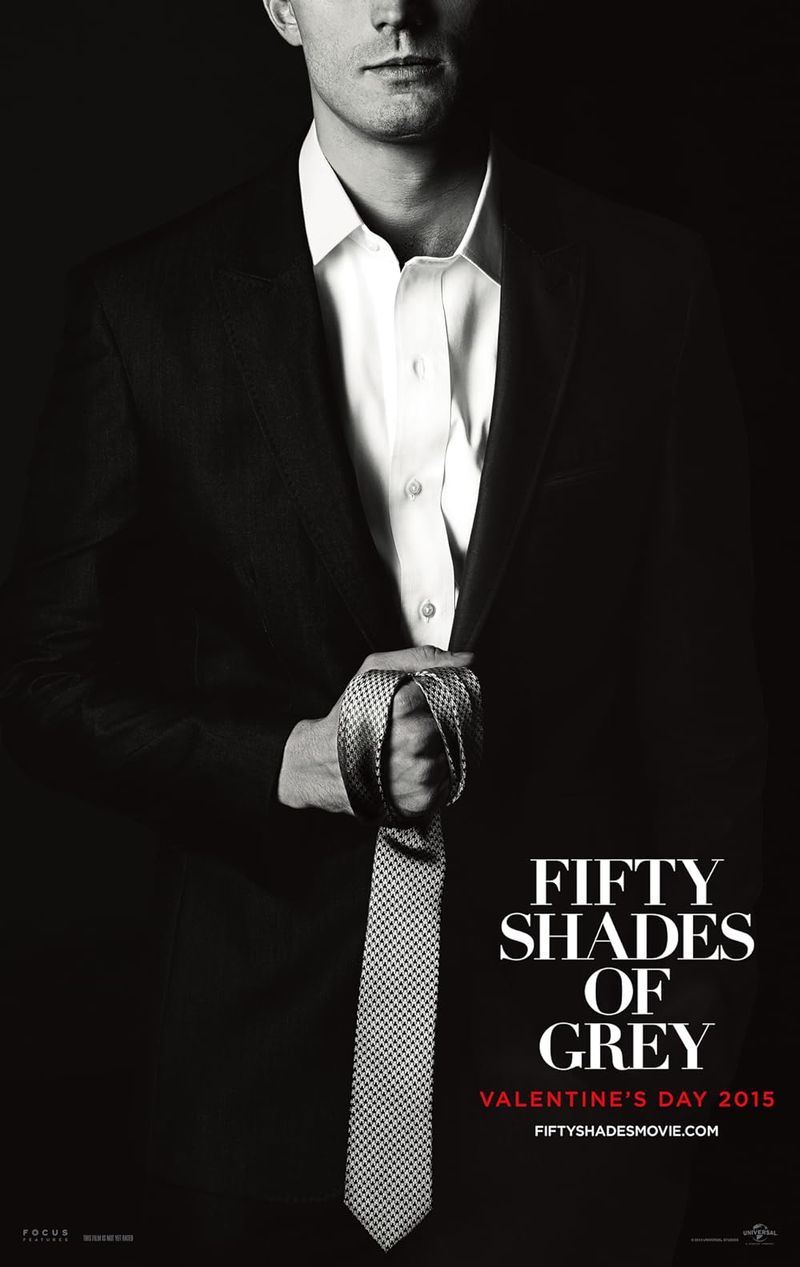
Based on the massively popular but critically panned novel, Fifty Shades of Grey walked into theaters carrying enormous baggage.
Fans of the books were excited, but nearly everyone else expected an awkward, poorly written romance film that would be hard to sit through.
The film delivered mixed results.
Dakota Johnson received some praise for her performance, but Jamie Dornan’s portrayal of Christian Grey felt stiff and unconvincing to many viewers.
The chemistry between the leads was widely questioned.
Despite terrible reviews, it earned over $570 million worldwide.
Clearly, curiosity and a massive built-in fanbase can override even the harshest critical consensus when the cultural moment is right.
11. Movie 43 (2013)
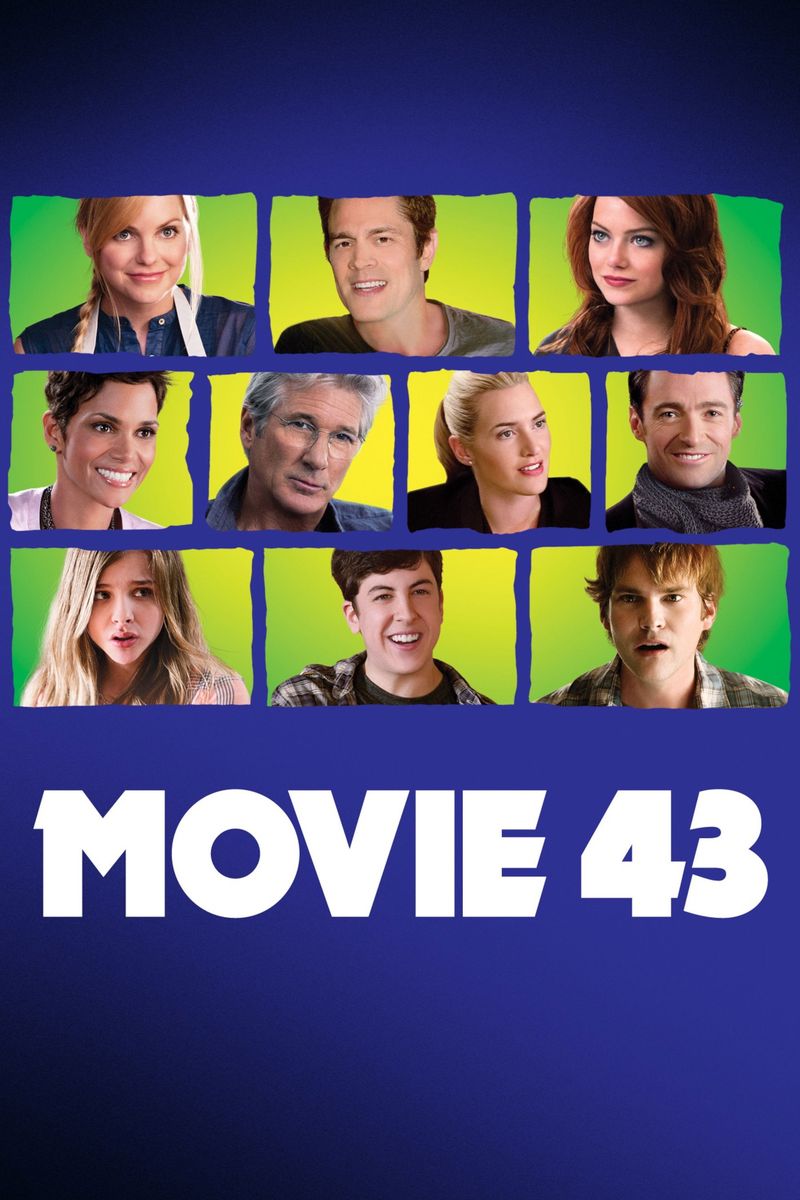
The sheer number of A-list celebrities involved in Movie 43 made its badness almost impressive.
Hugh Jackman, Kate Winslet, Halle Berry, and many more appeared in this anthology of crude, disconnected comedy sketches — and almost none of it worked.
Critics savaged it as one of the worst films ever made, calling the humor lazy, offensive, and shockingly unfunny for such a talented ensemble.
Rumors suggested some stars were pressured or tricked into participating, which added a strange behind-the-scenes drama to the whole affair.
It became a conversation piece precisely because of its awfulness.
Watching it feels like witnessing a Hollywood dare that somehow got greenlit and fully produced.
12. After Earth (2013)
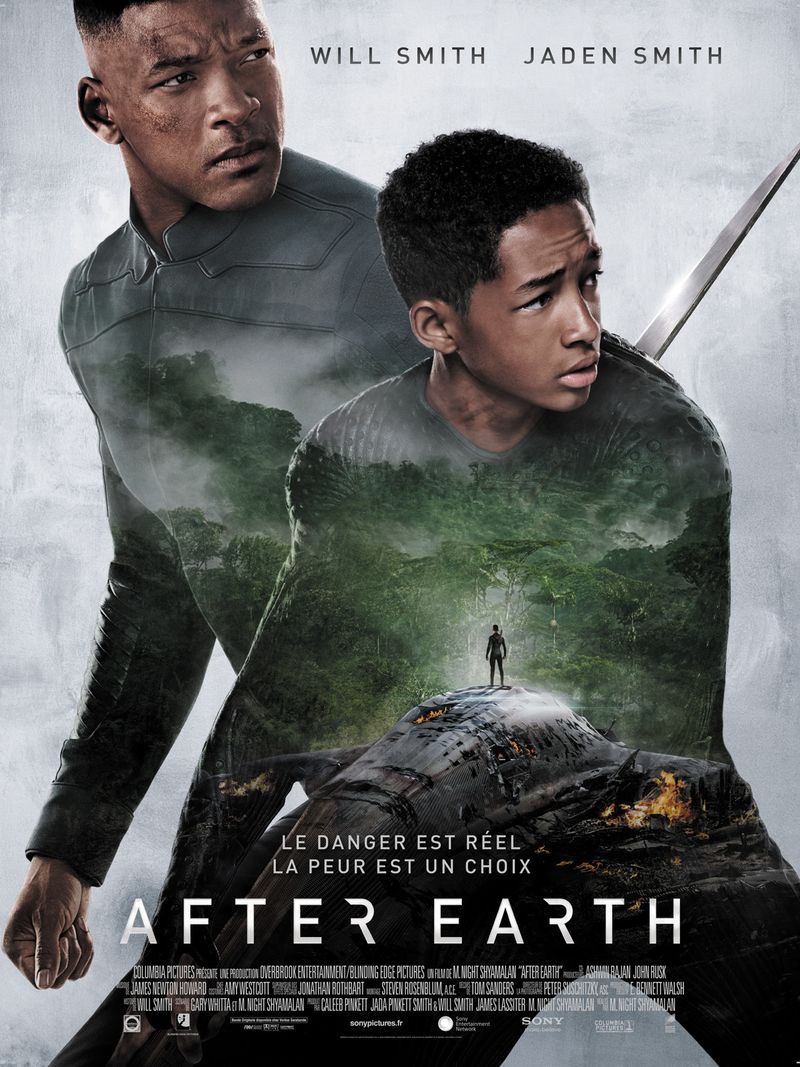
Will Smith was one of the biggest movie stars on the planet, and his son Jaden was being groomed for stardom.
After Earth was meant to be their big sci-fi adventure together — but whispers of vanity project and troubled production followed it everywhere before release.
M. Night Shyamalan directed, which added another layer of skepticism given his recent track record.
The film turned out to be emotionally flat and strangely paced, with Jaden carrying most of the screen time while Will remained largely sidelined by his character’s injuries.
Critics were unkind, and audiences followed suit.
It quietly became one of the bigger box office disappointments of that summer season.
13. Jupiter Ascending (2015)
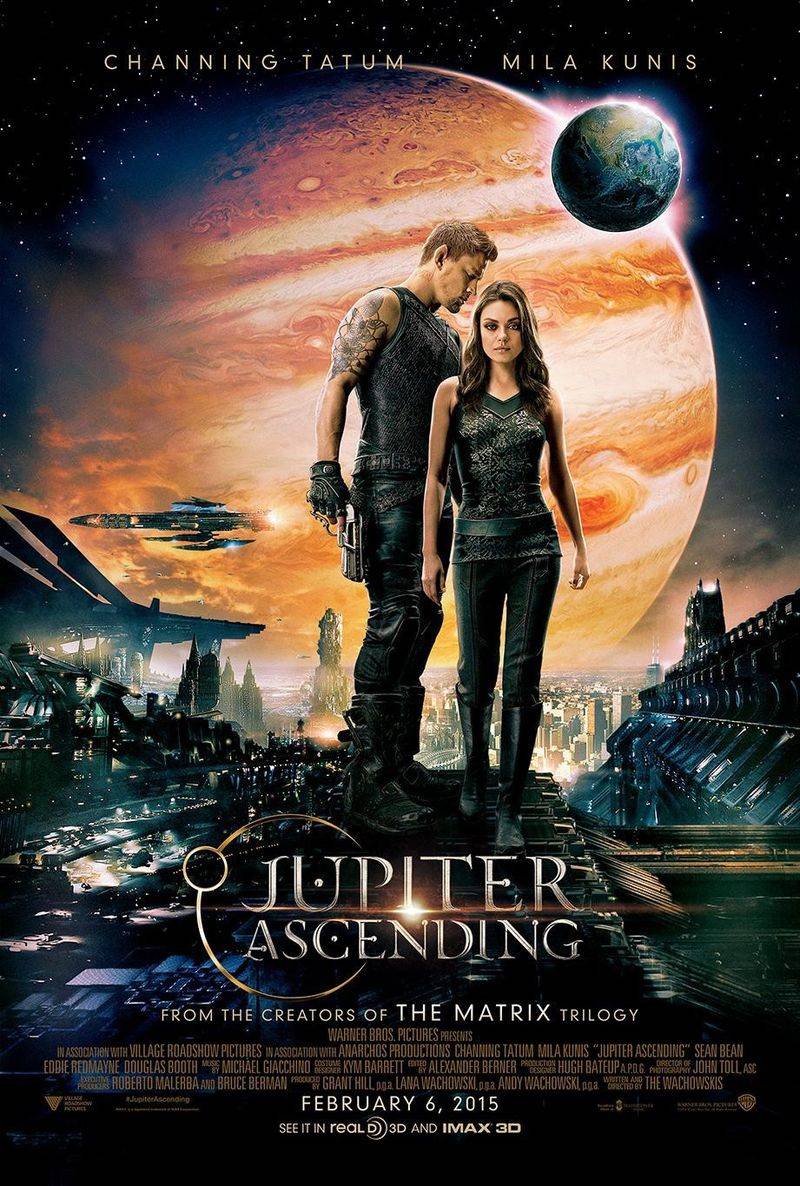
The Wachowskis built their reputation on The Matrix, so Jupiter Ascending arrived with a certain level of inherited credibility — even if the trailers looked absolutely bonkers.
A space opera about a cleaning woman who turns out to be alien royalty?
People weren’t sure whether to be excited or confused.
The answer turned out to be: mostly confused.
The film was visually stunning but narratively overwhelming, stuffed with world-building that never quite clicked.
Eddie Redmayne’s villain performance was so wildly over-the-top it became instantly iconic for all the wrong reasons.
Audiences largely skipped it in theaters.
Yet its campy, chaotic energy has earned it a devoted cult following in the years since its release.
14. Gigli (2003)
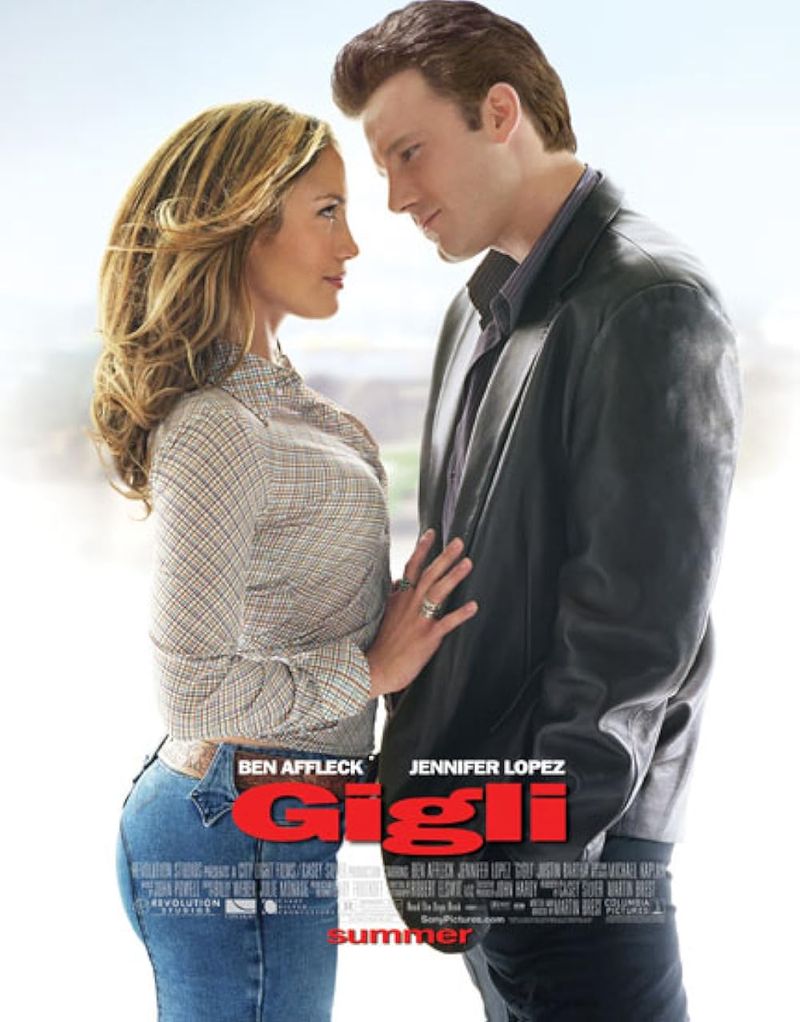
Few films have become as synonymous with Hollywood disaster as Gigli.
Released during the height of Bennifer mania — when Ben Affleck and Jennifer Lopez were the most talked-about couple in tabloids — the film seemed like a vanity project critics were already sharpening their knives for.
Their real-life chemistry didn’t translate on screen at all.
The story was muddled, the dialogue was awkward, and the film felt unsure of its own genre.
It bombed catastrophically at the box office, earning just $6 million against a $54 million budget.
Gigli essentially became shorthand for Hollywood excess and ego.
Both stars rebounded eventually, but this one lingered as an embarrassing footnote for years afterward.
Comments
Loading…