
 Hailey Watson
Sometimes we’re so focused on what we don’t have that we miss the signs of real progress.
You might actually be in better financial shape than you realize, even if your bank account doesn’t look like a celebrity’s.
Small wins and smart habits add up over time, creating a foundation that’s stronger than you think.
Let’s explore the signs that show you’re on the right track with your money.
1. You Have Money Set Aside for Emergencies

Having cash tucked away for unexpected moments means you’ve already mastered one of the hardest money skills.
Whether it’s $500 or $5,000, that safety net separates you from people living paycheck to paycheck.
Life throws curveballs like car repairs, medical bills, or sudden job changes.
Your emergency fund acts like a financial cushion that catches you before you fall into debt.
Most Americans don’t have enough saved to cover a $400 emergency without borrowing money or selling something.
Building this fund takes discipline and planning that many people never develop.
Even if your fund isn’t fully stocked yet, having anything saved shows you’re thinking ahead and protecting your future self.
2. Your Bills Get Paid on Time Every Month

Paying bills when they’re due might seem basic, but it’s actually a huge accomplishment that reflects solid money management.
Late fees and penalties can drain hundreds of dollars from your budget each year.
When you consistently meet deadlines, you’re avoiding these unnecessary costs while building excellent credit.
This habit shows you’re earning enough to cover your obligations and organizing your finances effectively.
Many people struggle with this basic task, juggling which bills to pay first or skipping payments entirely.
Your credit score benefits every time you make timely payments, opening doors to better loan rates later.
This reliability means lenders see you as trustworthy and responsible with borrowed money.
3. You’re Not Drowning in Credit Card Debt
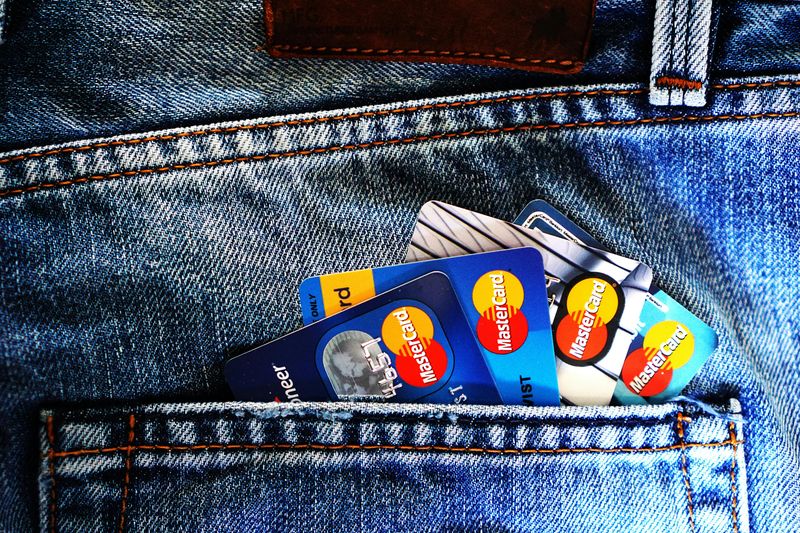
Keeping credit card balances low or completely paid off demonstrates incredible financial restraint in our swipe-happy world.
High-interest credit card debt traps millions of Americans in cycles they can’t escape, paying minimum amounts that barely touch the principal.
If you’re avoiding this trap, you’re already ahead of nearly half the country.
Using credit cards wisely means treating them like debit cards, only charging what you can pay off immediately.
The average American household carries over $6,000 in revolving credit card debt, paying hundreds in interest yearly.
Your ability to resist overspending or actively pay down balances shows strong willpower and smart planning.
This positions you for wealth-building instead of wealth-draining interest payments.
4. You Spend Less Than You Earn

Living within your means sounds simple, but it’s surprisingly rare in a culture built on instant gratification and easy credit.
When your monthly expenses consistently fall below your income, you’ve achieved what many financial experts call the golden rule of wealth.
This gap between earning and spending creates breathing room for savings, investments, and unexpected costs.
People who spend every dollar they make stay stuck in place, never building momentum toward bigger goals.
Your restraint might mean skipping trendy purchases or cooking at home instead of dining out constantly.
These small sacrifices compound over time, creating financial stability that feels effortless.
You’re proving that happiness doesn’t require spending everything you have or more.
5. Money Goes Into Your Retirement Account Regularly

Contributing to a 401(k), IRA, or other retirement account proves you’re thinking decades ahead, not just about next weekend.
Even small, automatic contributions of $50 or $100 monthly demonstrate a level of financial maturity many people lack.
Compound interest works magic over time, turning modest savings into substantial nest eggs.
The earlier you start, the less you need to contribute overall thanks to years of growth.
Many workers ignore retirement planning entirely, hoping Social Security will somehow be enough despite clear evidence it won’t be.
Your contributions show you understand that future-you deserves financial security and comfort.
This forward-thinking approach separates wealth-builders from those who’ll struggle in their golden years without adequate resources.
6. Your Credit Score Sits Above 700

A credit score over 700 opens financial doors that remain locked for millions of Americans struggling with poor credit.
Lenders offer you better interest rates, landlords approve your applications faster, and some employers view you more favorably.
This three-digit number reflects years of responsible borrowing, timely payments, and smart credit decisions.
Building good credit requires patience and consistency that many people never develop or maintain.
Your score didn’t happen by accident—it resulted from paying attention to due dates, keeping balances low, and avoiding financial mistakes.
Each point above 700 can save you thousands in interest over a mortgage or car loan.
You’ve essentially created an invisible asset that works in your favor every time you need to borrow money.
7. You Actually Learn About Personal Finance

Investing time in financial education sets you apart from people who avoid money topics entirely out of fear or confusion.
Reading articles, watching videos, or taking courses about budgeting, investing, and money management shows initiative that pays lifelong dividends.
Knowledge transforms intimidating financial concepts into tools you can actually use.
Most people never learn beyond basic math, leaving them vulnerable to bad advice and costly mistakes.
Your curiosity about money matters means you’re building a foundation for increasingly sophisticated financial decisions.
Understanding concepts like compound interest, tax advantages, and diversification helps you spot opportunities others miss.
This self-education creates confidence and competence that grows stronger with each new concept you master and apply to real life.
8. You Can Handle Small Surprises Without Panic

When minor financial emergencies pop up and you handle them calmly without borrowing or scrambling, you’ve reached impressive financial stability.
A $200 car repair or $150 medical copay doesn’t send you into crisis mode or force difficult choices.
This emotional and financial buffer indicates your money system works even when tested.
People living on the edge experience constant stress because any unexpected expense becomes a major problem requiring creative solutions.
Your ability to absorb these shocks without drama means you’ve built proper cushions through savings and smart spending.
Financial peace of mind affects your health, relationships, and overall happiness in ways you might not even realize.
You’re experiencing what true financial security feels like, even if you don’t have millions in the bank yet.
Comments
Loading…