
 Isabel Parker
Psychologists Say Women Who Thrive on Drama Often Share These 11 Traits

Some people seem to attract drama wherever they go, and psychologists say it is not always a coincidence.
Research suggests certain habits, emotional patterns, and social behaviors can make someone more likely to create or escalate tense situations.
Recognizing these traits is not about judging anyone but understanding patterns that affect relationships and well-being.
If you have ever wondered why some women seem to live in constant turmoil, these insights may help explain why.
1. She Needs to Be the Center of Attention

Picture walking into a room and feeling invisible — for some women, that feeling is unbearable.
Psychologists who study attention-seeking behavior have found that certain individuals will amplify emotions or intensify situations just to pull the spotlight back their way.
Being noticed gives them a deep sense of validation and importance.
When attention shifts to someone else, dramatic reactions can follow almost automatically.
It is not always a conscious choice — sometimes it is a deeply rooted need for reassurance that they matter and belong in the social space around them.
2. She Reacts With Over-the-Top Emotions

A spilled coffee becomes a catastrophe.
A minor disagreement turns into a full-blown argument.
For women who thrive on drama, everyday events rarely feel small — they feel enormous.
Psychologists explain that exaggerated emotional displays can be a way to hold social attention and maintain the emotional intensity these individuals subconsciously crave.
The bigger the reaction, the harder it is for others to look away.
Over time, people around them may feel emotionally exhausted, walking on eggshells and bracing for the next outburst over something that most would consider minor or easily resolved.
3. She Speaks Impulsively Without Thinking Things Through

Words fly out before the brain has a chance to catch up.
Research on what psychologists call the “Need for Drama” personality trait identifies impulsive outspokenness as one of its most defining features.
Strong opinions, emotionally charged accusations, or blunt statements often land without any filter — and the fallout can be significant.
Arguments ignite, friendships crack, and misunderstandings multiply.
Interestingly, the chaos that follows impulsive speech often feeds right back into the dramatic cycle.
The conflict that erupts becomes the new situation to react to, keeping the emotional engine running at full speed without pause.
4. She Manipulates Situations to Stir Emotions
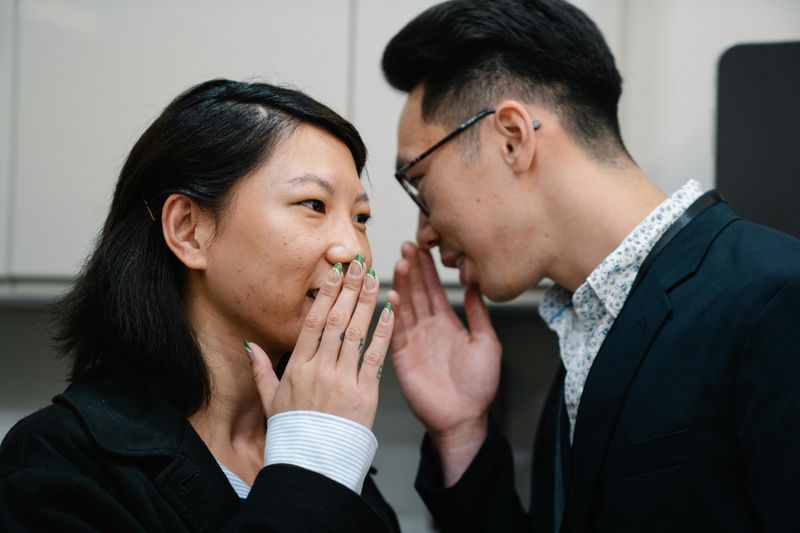
Not all drama arrives by accident.
Some individuals shape situations behind the scenes — sharing certain information, exaggerating stories, or quietly pitting people against each other to trigger emotional reactions.
Psychologists link this behavior to interpersonal manipulation tendencies that can overlap with narcissistic or Machiavellian personality traits.
The goal is not always obvious, even to the person doing it.
Sometimes the manipulation is subconscious, driven by a need to feel powerful or central within a social group.
Stirring the emotional pot keeps things lively and ensures that attention, concern, or conflict continues to orbit around them.
5. She Often Sees Herself as the Victim
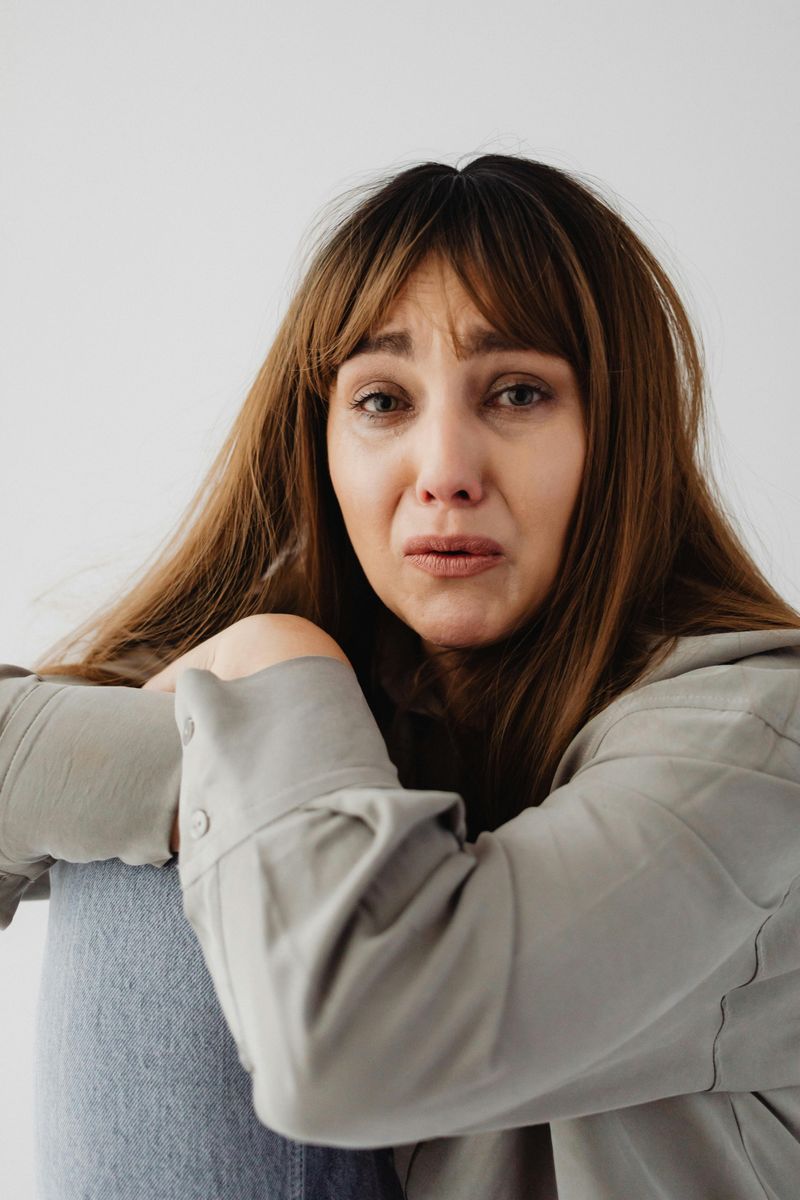
No matter how a situation unfolds, somehow she ends up as the one who was wronged.
Psychologists have identified persistent perceived victimhood as a hallmark trait in dramatic personalities, and it runs deeper than just seeking sympathy.
Viewing every conflict through a victim lens allows these women to justify intense emotional reactions and sidestep personal accountability.
It also draws others in, prompting comfort, reassurance, and renewed attention.
Over time, this pattern can strain even the most patient relationships.
Friends and family may grow tired of always being cast as the villain in a story that never seems to change its ending.
6. She Craves Constant Validation

Compliments feel like oxygen.
Reassurance is a daily necessity.
For women who thrive on drama, external approval plays a starring role in how they feel about themselves on any given day.
When that stream of validation slows down or disappears, something has to fill the gap.
Psychologists suggest that creating emotional tension or dramatic situations is one way these individuals unconsciously prompt others to respond, re-engage, and offer the reassurance they crave.
It is a cycle that can be exhausting for everyone involved — and often leaves the person seeking validation feeling just as empty once the attention fades again.
7. Her Emotions Change Rapidly

One minute she is laughing and full of energy; the next she is hurt, furious, or completely withdrawn.
Rapid emotional shifts are one of the most recognizable features of a dramatic personality style, and they can catch people off guard.
These sudden changes create an unpredictable social atmosphere that keeps others constantly alert and emotionally engaged.
In a strange way, the unpredictability itself becomes a form of control — no one ever quite knows what mood is coming next.
Psychologists note that this emotional volatility can make deep, stable relationships difficult to build and even harder to maintain over the long run.
8. She Turns Small Problems Into Big Crises

A slow internet connection becomes the worst day of her life.
A friend canceling plans turns into a personal betrayal.
The ability to inflate small inconveniences into full-scale emergencies is a well-documented feature of dramatic personality tendencies.
Psychologists explain that amplifying challenges keeps emotional engagement high and makes ordinary situations feel exciting or meaningful.
For someone who finds calm environments dull, a small problem is simply raw material for something bigger.
The challenge is that people around her often get pulled into these manufactured crises, spending real emotional energy on problems that never actually warranted that level of response.
9. She Takes Criticism Extremely Personally

Even the softest, most carefully worded feedback can land like a punch.
Women who lean toward dramatic personality patterns often have a heightened sensitivity to criticism or rejection that goes far beyond typical discomfort.
Because their self-worth tends to rest heavily on what others think of them, negative comments feel like attacks on their entire identity rather than simple observations.
The emotional response that follows can be intense — tears, anger, or a complete shutdown.
Psychologists point out that this sensitivity often leads to escalating tensions in workplaces and relationships, making honest communication feel risky for everyone involved in their circle.
10. Her Relationships Tend to Be Intense but Unstable

At first, relationships with dramatic personalities can feel electric — passionate, all-consuming, and deeply exciting.
Everything feels heightened, and the emotional connection seems unlike anything experienced before.
But psychologists caution that this intensity rarely sustains itself.
The same emotional highs and lows that make the connection feel thrilling early on begin to erode trust and communication as time goes on.
Partners may feel like they are always navigating a storm.
The push-and-pull dynamic that defines these relationships often leaves both people feeling drained, confused, and unsure of where they actually stand with each other on any given day.
11. She Is Drawn to Conflict and Chaos

While most people feel drained by conflict, some feel oddly alive in the middle of it.
Research suggests that individuals with high dramatic personality traits may actually seek out conflict because it delivers excitement, attention, and a sense of social control.
Emotionally charged environments feel stimulating rather than stressful to them.
Quiet, peaceful situations can even feel boring or anxiety-inducing by comparison.
Psychologists believe this pull toward chaos is often rooted in early life experiences where emotional intensity was the norm.
For these women, conflict is not something to avoid — it is familiar territory that somehow feels like home.
Comments
Loading…