
 Hailey Watson
12 Supporting Characters Who Became More Iconic Than the Lead
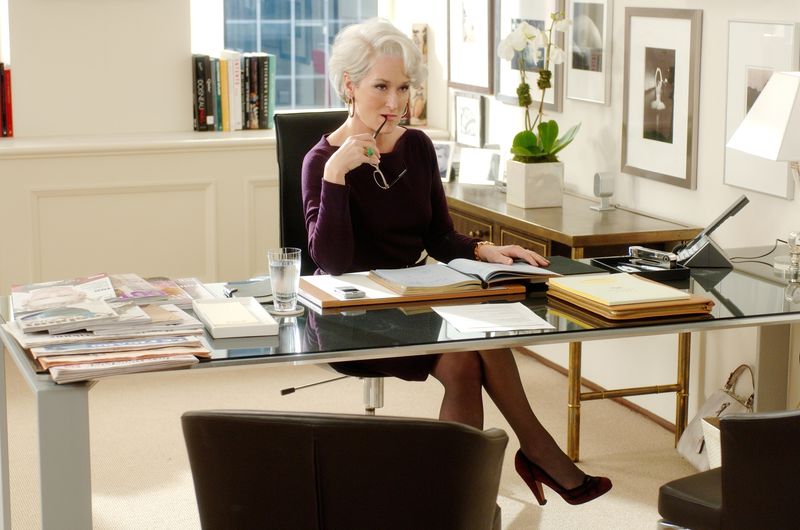
Sometimes the person in the spotlight isn’t the one everyone remembers.
In movies, supporting characters can be so vivid, so electric, or so deeply human that they end up stealing the whole show.
From terrifying villains to heartbroken mothers, these roles left marks that even the lead actors couldn’t match.
Get ready to revisit some of the most unforgettable performances in film history.
1. Heath Ledger as The Joker in The Dark Knight (2008)
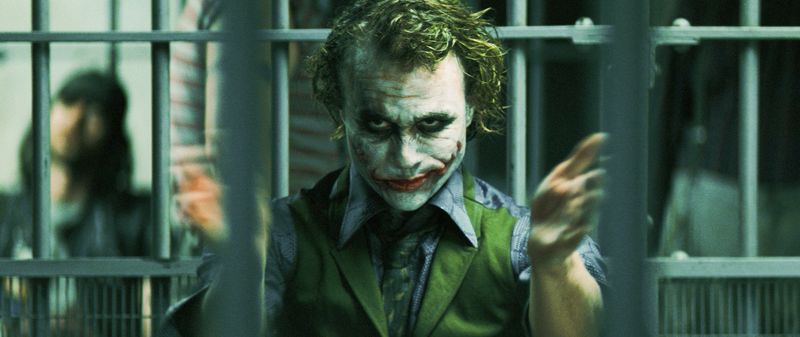
Chaos was never so compelling.
Heath Ledger’s Joker didn’t just play a villain — he redefined what movie villainy could look like.
Every scene he entered felt unpredictable, like a live wire nobody dared touch.
His philosophical ramblings about anarchy stuck with audiences long after the credits rolled.
Many viewers walked out of theaters talking more about the Joker than Batman himself.
The performance earned Ledger a posthumous Academy Award for Best Supporting Actor.
Ledger reportedly stayed in character throughout filming, keeping a personal diary written from the Joker’s twisted perspective.
That dedication shows in every single frame.
2. Joe Pesci as Tommy DeVito in Goodfellas (1990)
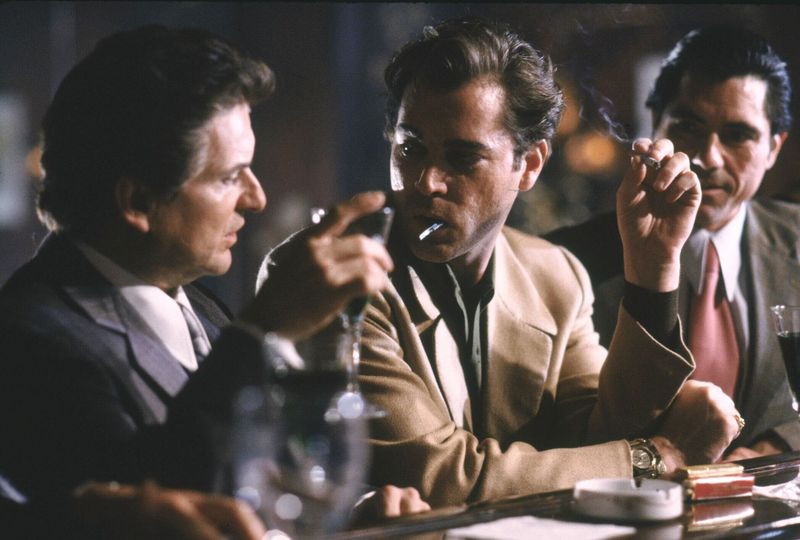
Joe Pesci’s Tommy DeVito is a powder keg with a hair trigger, and every scene he’s in crackles with nervous energy.
“Funny how?”
Two words.
That’s all it takes to send a chill down your spine if you’ve seen Goodfellas.
Ray Liotta narrates the whole story as Henry Hill, but Pesci’s explosive unpredictability is what audiences couldn’t stop quoting.
That restaurant scene became one of the most analyzed moments in crime-film history.
Pesci won the Academy Award for Best Supporting Actor for the role.
Surprisingly, his total screen time adds up to less than 30 minutes.
3. Christoph Waltz as Hans Landa in Inglourious Basterds (2009)
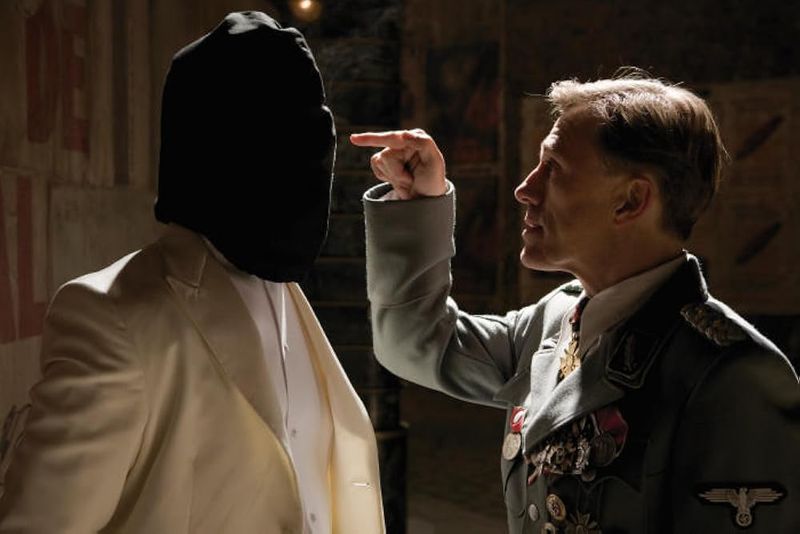
Some villains scare you by screaming.
Hans Landa scared you by smiling.
Christoph Waltz brought a terrifying politeness to his Nazi officer that made every conversation feel like a trap slowly closing shut.
Quentin Tarantino wrote the role specifically hoping Waltz would play it, and the result was cinematic magic.
Audiences were riveted by a character who was simultaneously charming, witty, and deeply monstrous.
The performance earned Waltz the Academy Award for Best Supporting Actor.
Even among Tarantino’s famously colorful characters, Landa stands apart.
Many film critics consider him the most chilling villain of the 2000s.
4. Robin Williams as Sean Maguire in Good Will Hunting (1997)
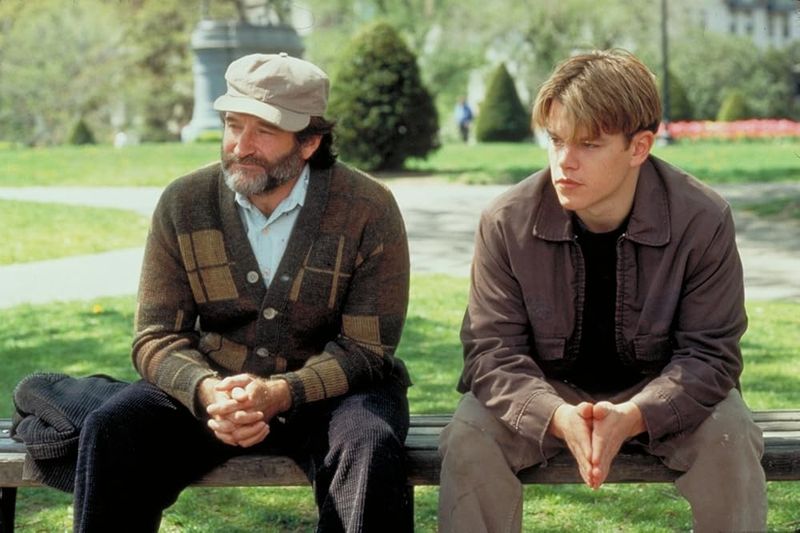
Matt Damon wrote the role of Will Hunting for himself, but Robin Williams quietly walked away with the whole film.
His therapist Sean Maguire brought something rare to the screen — warmth so genuine it felt like sitting across from someone who truly understood you.
The “It’s not your fault” scene became one of cinema’s most emotionally powerful moments, moving audiences to tears in theaters worldwide.
Williams balanced humor and heartbreak in a way only he could.
He won the Academy Award for Best Supporting Actor, a victory that felt deeply personal.
Williams later called Sean Maguire one of his most meaningful roles.
5. Leonardo DiCaprio as Arnie Grape in What’s Eating Gilbert Grape (1993)
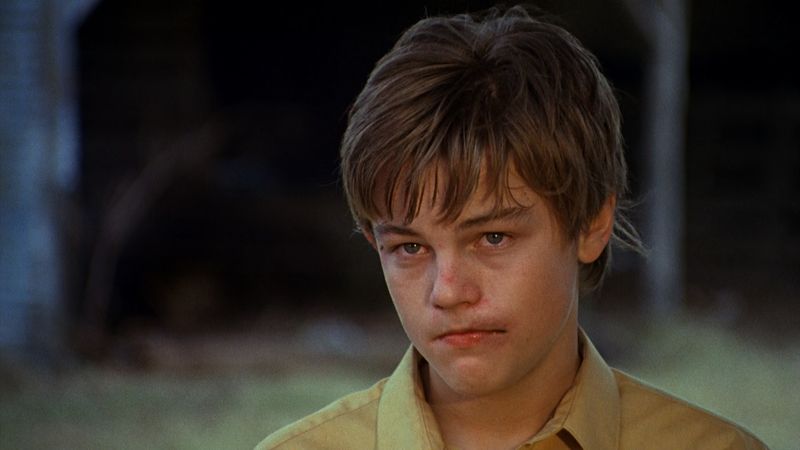
Nobody expected the teenage heartthrob from Growing Pains to deliver one of the decade’s most raw and honest performances.
Yet Leonardo DiCaprio’s portrayal of Arnie Grape left critics and audiences completely speechless.
Johnny Depp carries the movie’s title, but DiCaprio’s work as Arnie — a young man with an intellectual disability — became the film’s true emotional center.
His physicality and authenticity were so convincing that some viewers didn’t initially realize it was a performance.
The role earned him an Academy Award nomination for Best Supporting Actor at just 19 years old.
It announced to the world that a major star had arrived.
6. Robert De Niro as Young Vito Corleone in The Godfather Part II (1974)
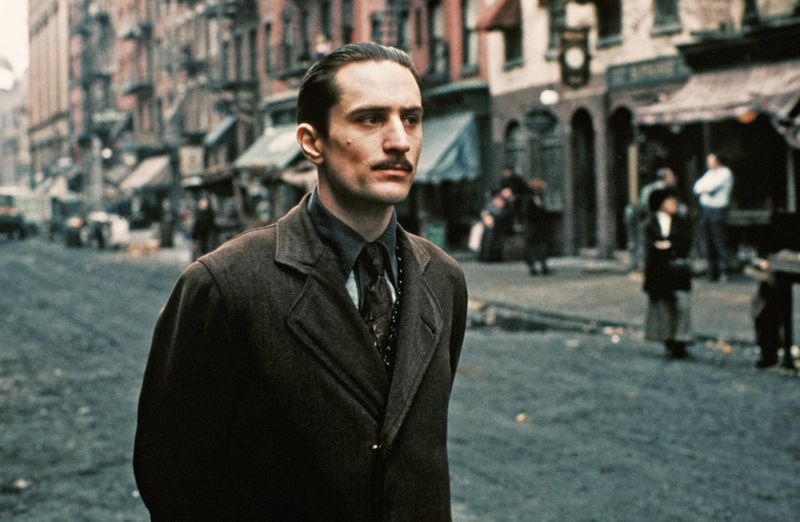
Playing a younger version of a character already immortalized by Marlon Brando sounds like an impossible task.
Robert De Niro didn’t just meet the challenge — he made the role entirely his own.
Al Pacino anchors the present-day story as Michael Corleone, but De Niro’s quiet, measured portrayal of young Vito building his empire in early 1900s New York carries equal dramatic weight.
There’s a stillness to his performance that feels utterly commanding.
De Niro won the Academy Award for Best Supporting Actor, making him and Brando the only two actors to win Oscars for playing the same character.
7. Melissa McCarthy as Megan in Bridesmaids (2011)
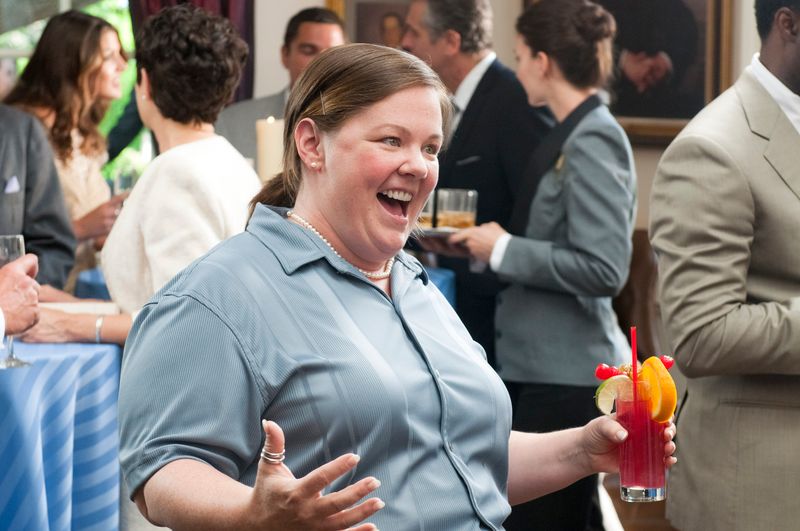
Megan didn’t walk into Bridesmaids — she crashed through the door and refused to leave your memory.
Melissa McCarthy’s fearless, wildly unpredictable performance turned what could have been a throwaway role into the movie’s undeniable highlight.
Kristen Wiig leads the film with charm and vulnerability, but audiences kept rewinding to every scene McCarthy owned.
Her comedic timing felt completely instinctive, like she was making it up on the spot while somehow nailing every beat.
The performance earned McCarthy an Academy Award nomination for Best Supporting Actress — a rare feat for a purely comedic role.
Hollywood took serious notice overnight.
8. Philip Seymour Hoffman as Lester Bangs in Almost Famous (2000)
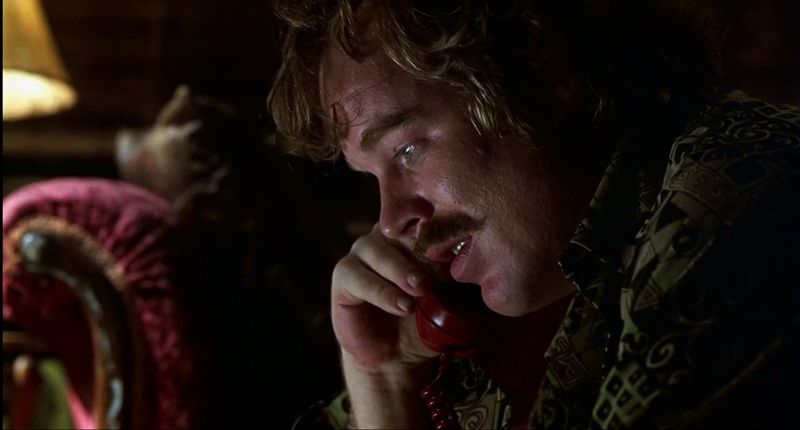
Screen time doesn’t equal impact — and Philip Seymour Hoffman proved that completely.
Lester Bangs appears in only a handful of scenes in Almost Famous, yet he delivers the film’s most quotable lines and its beating philosophical heart.
His late-night phone conversations with the teenage protagonist feel like wisdom passed down from someone who learned everything the hard way.
Hoffman brought a weary, passionate authenticity to the real-life music critic that resonated deeply with anyone who ever loved something obsessively.
Director Cameron Crowe called Hoffman’s performance the soul of the film.
Audiences who’ve seen it rarely forget a single word he says.
9. Meryl Streep as Miranda Priestly in The Devil Wears Prada (2006)
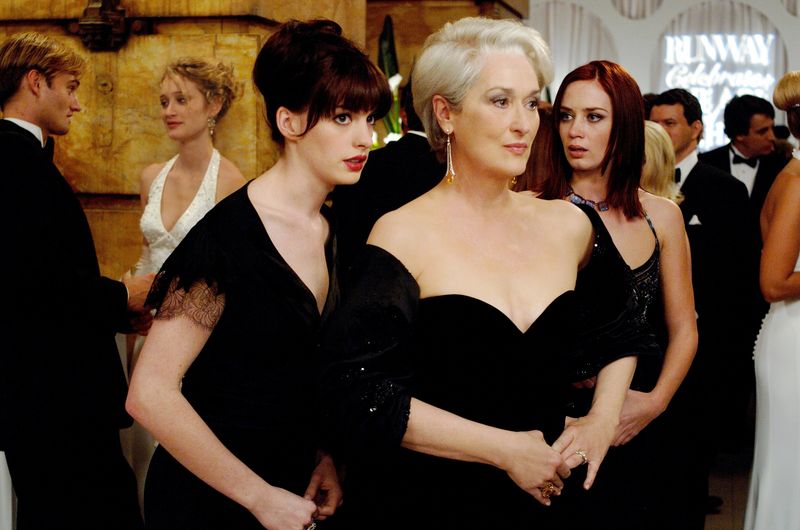
She barely raises her voice, and yet every assistant in the building trembles.
Meryl Streep’s Miranda Priestly is a masterclass in restrained power — a character who commands every room simply by existing in it.
Anne Hathaway’s Andy is the story’s protagonist, but audiences came out of theaters quoting Miranda.
Streep turned what could have been a cartoonish villain into something far more fascinating: a woman who is brilliant, ruthless, and somehow deeply lonely all at once.
The role earned Streep a Golden Globe win and an Academy Award nomination.
Fashion insiders called her portrayal so accurate it felt like a documentary.
10. Viola Davis as Rose Maxson in Fences (2016)
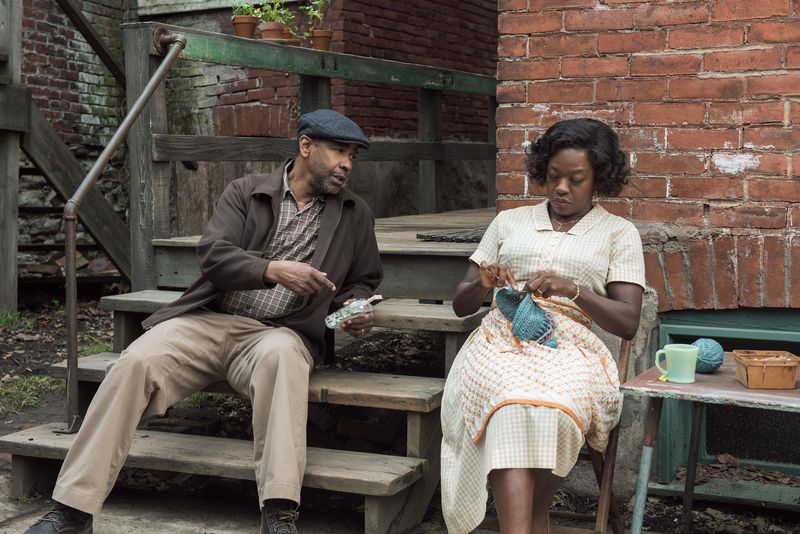
Denzel Washington commands the screen as Troy Maxson throughout Fences — but Viola Davis delivers a single monologue that stops the entire film cold.
It’s the kind of scene that makes audiences forget to breathe.
Rose’s confrontation with Troy’s betrayal is raw, devastating, and completely human.
Davis channels decades of quiet sacrifice into about three minutes of pure emotional truth, and the result is unforgettable.
Critics immediately recognized it as one of the great screen performances of the decade.
She won the Academy Award for Best Supporting Actress for the role.
Washington himself said Davis elevated every scene they shared together.
11. Mo’Nique as Mary Lee Johnston in Precious (2009)
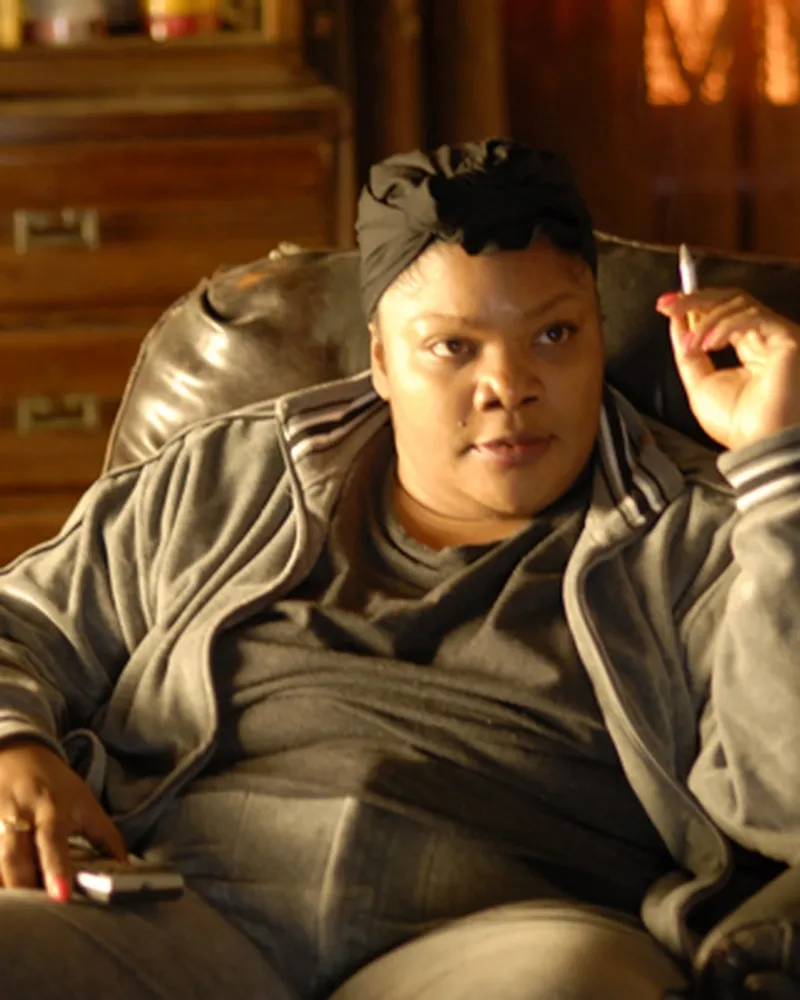
There are villains you love to hate, and then there’s Mary Lee Johnston — a character so disturbingly real that audiences sat in stunned silence.
Mo’Nique’s performance in Precious is one of the most courageous and unsettling in modern cinema.
The film follows Gabourey Sidibe’s Precious as its heart, but Mo’Nique’s portrayal of her abusive mother dominates the emotional landscape like a storm cloud.
Her final scene, where she attempts to explain herself, is heartbreaking in the most complicated way possible.
Mo’Nique won the Academy Award for Best Supporting Actress.
She reportedly stayed in character between takes to maintain the role’s emotional intensity.
12. Tom Hardy as John Fitzgerald in The Revenant (2015)
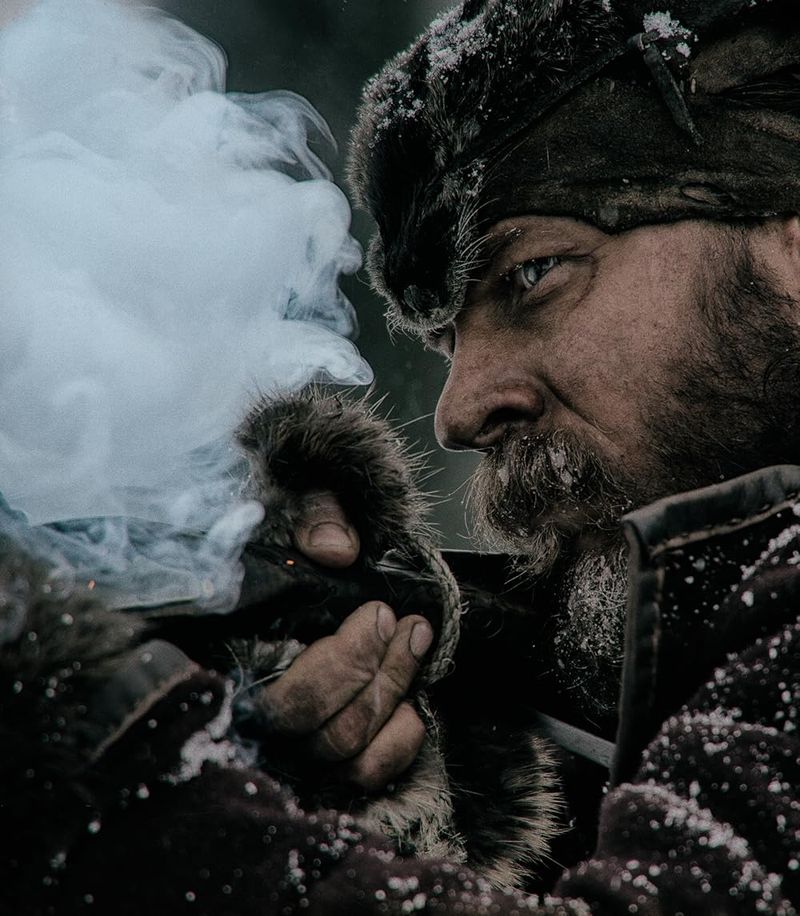
Leonardo DiCaprio crawled through snow and mud for his Oscar-winning role in The Revenant — and Tom Hardy made sure you never forgot who put him there.
Fitzgerald is cold, pragmatic, and convincingly dangerous in a way that feels completely real.
Hardy brings a grim logic to his villain that almost makes you understand him, even while despising every choice he makes.
That uncomfortable complexity is what separates a memorable antagonist from a forgettable one.
His performance earned an Academy Award nomination for Best Supporting Actor.
Many viewers argue that Hardy’s scenes carry the film’s sharpest dramatic tension from start to finish.
Comments
Loading…