
 Isabel Parker
Marriage has looked very different throughout history, and for many older generations, leaving an unhappy marriage simply was not an option.
Social pressure, financial fears, and deeply held beliefs kept countless couples together long after the love had faded.
Understanding why people stayed can help us appreciate how much has changed — and how much those choices shaped entire families.
These 9 reasons paint a vivid picture of a world where staying meant survival, not happiness.
1. Strong Stigma Around Divorce
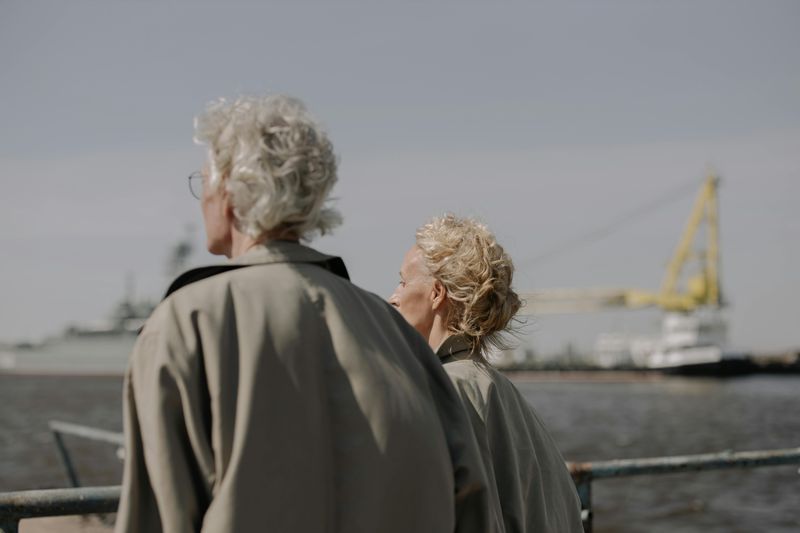
Back in the mid-1900s, divorce was not just a personal decision — it was a public scandal.
Neighbors talked, relatives whispered, and communities often treated divorced individuals like outcasts.
The shame alone was enough to keep many couples locked in miserable marriages for years.
Walking away meant risking your reputation and your place in society.
For many people, that price was simply too high to pay.
Fitting in and being accepted mattered enormously, sometimes more than personal happiness.
Social judgment was a powerful, invisible force that held marriages together long after the love was gone.
2. Financial Dependence on a Spouse

For millions of women in earlier decades, their husband was their only paycheck.
Without independent income, leaving a marriage meant walking out with almost nothing — no savings, no credit history, and no financial safety net to land on.
Banks rarely gave loans to women on their own, and owning property without a husband was nearly impossible in many places.
The financial system itself was designed to keep women dependent.
When your survival is tied to someone else’s wallet, even an unhappy home can feel safer than the terrifying unknown of starting completely from scratch.
3. Fear of Financial Hardship After Divorce

Divorce did not just end a relationship — it could wipe out a lifetime of financial security overnight.
Splitting a home, losing a shared income, and suddenly covering all expenses alone was a frightening reality that stopped many people from ever filing the paperwork.
The fear was especially real for those who had spent decades building a life together.
Starting over financially in your 40s or 50s felt nearly impossible, not dramatic.
Many stayed simply because poverty felt worse than an unhappy marriage.
Practical survival often won out over emotional well-being when the stakes were that high.
4. Religious and Moral Beliefs About Marriage
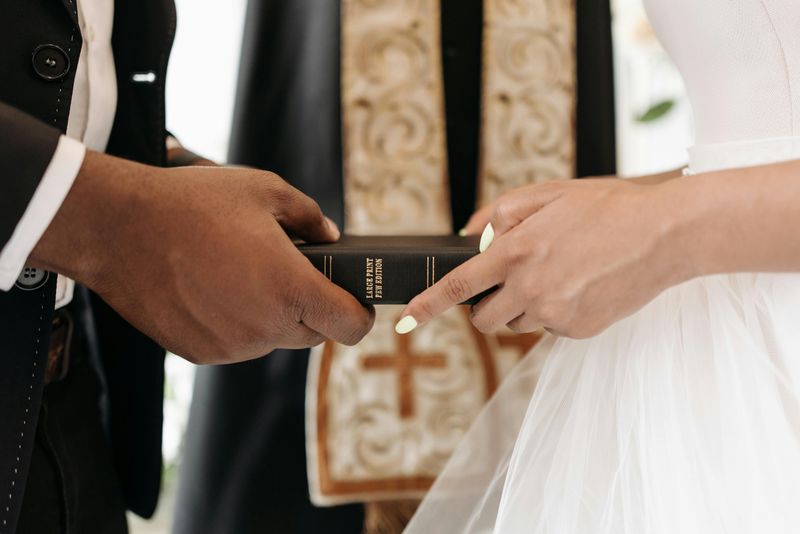
Many couples were taught from childhood that divorce was sinful, and breaking that bond meant risking their standing with God and their faith community.
“Till death do us part” was not just a wedding vow for many older generations — it was a deeply held spiritual contract.
Religious leaders often counseled struggling couples to pray harder and endure rather than separate.
Leaving felt like a moral failure, not just a personal choice.
That kind of deeply rooted belief system is incredibly hard to walk away from, even when a marriage becomes painful or emotionally damaging over time.
5. Staying Together for the Children
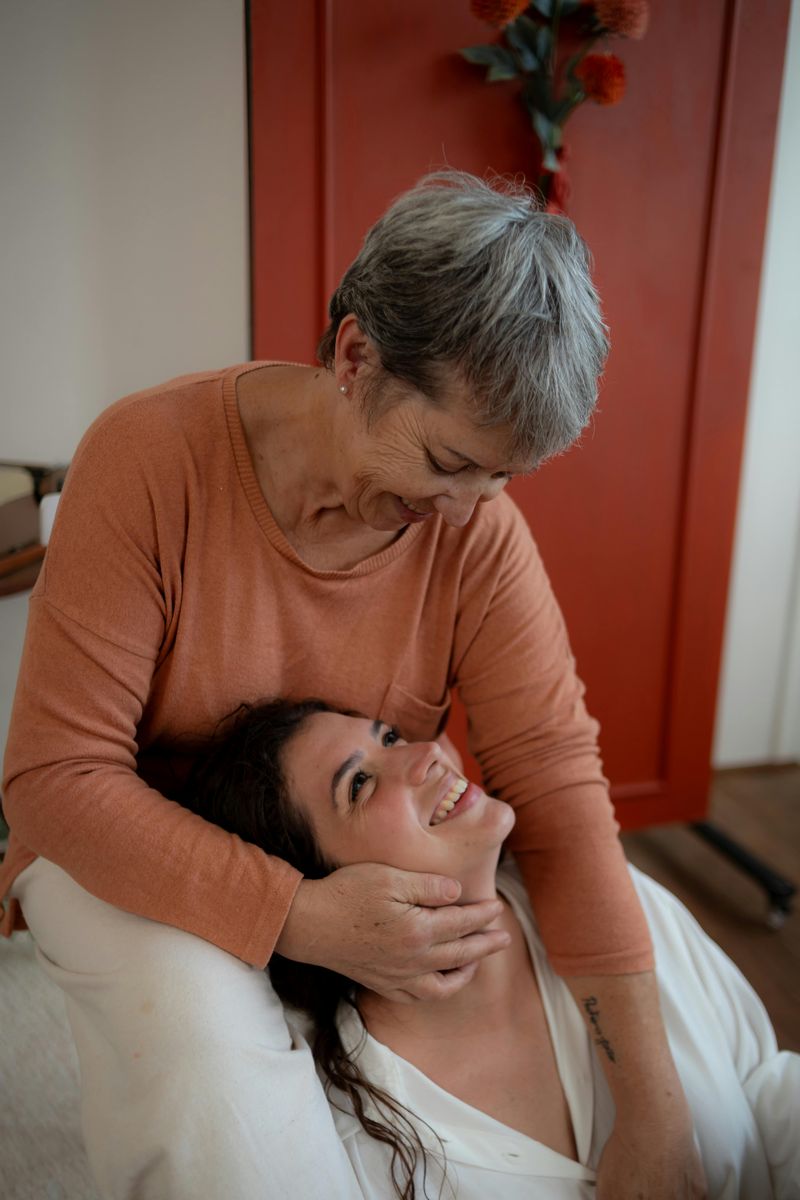
Ask almost any parent from an older generation why they stayed, and the answer comes quickly: the kids.
Many couples genuinely believed that an intact home — even a tense one — was better for children than a broken family.
That belief was powerful enough to last decades.
Child psychologists of the era often reinforced this idea, warning parents about the emotional damage divorce could cause.
Staying felt noble, even heroic, when framed as a sacrifice for your children.
Only later did many realize that growing up watching two unhappy parents could leave its own deep, lasting emotional scars.
6. Family and Social Expectations
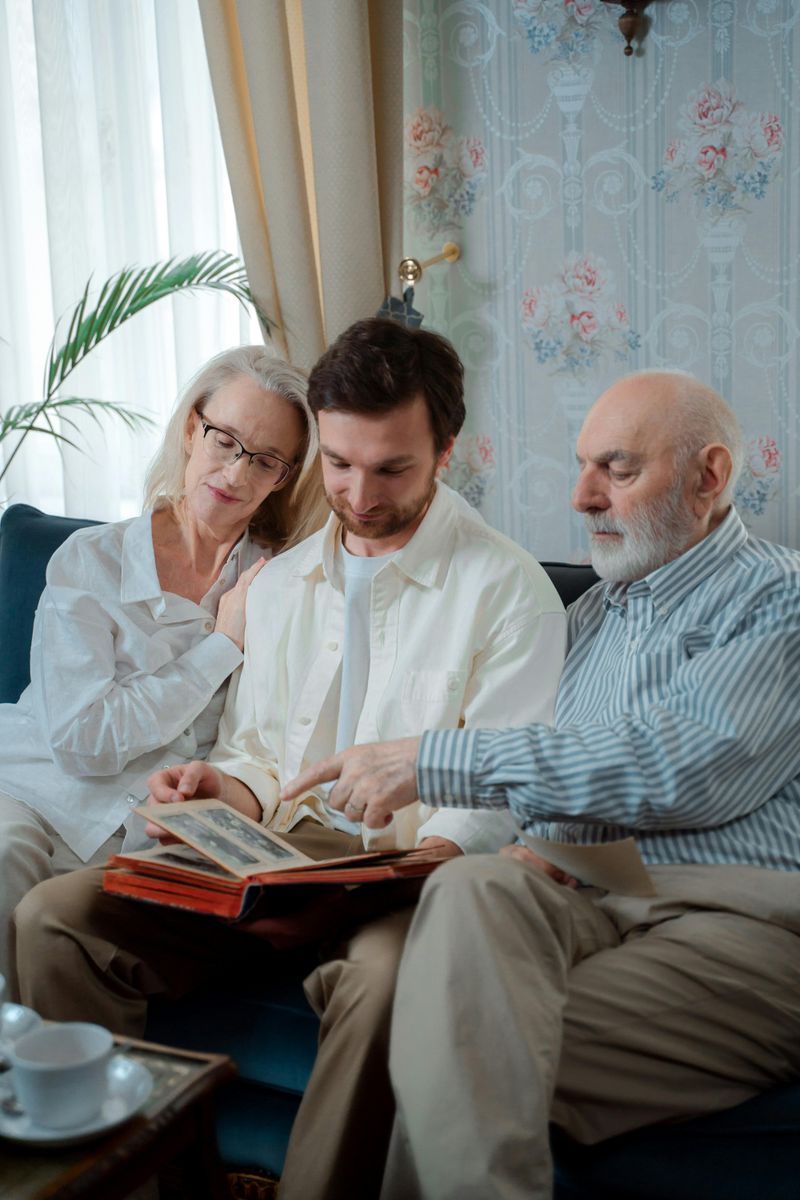
Extended families — grandparents, aunts, uncles, and in-laws — often had strong opinions about marriage, and those opinions came with real social consequences if ignored.
“What will the family think?”
That question haunted many couples considering separation.
In tight-knit communities, a divorce could mean being cut off from family events, losing friendships, or even being shunned by your neighborhood or cultural group.
The pressure was not always loud or aggressive — sometimes it was quiet, constant, and deeply effective.
Living up to family expectations often meant living down personal happiness, a trade-off that older generations made quietly and repeatedly throughout their lives.
7. Limited Career Opportunities for Women

Even if a woman wanted to leave her marriage, the job market offered little encouragement.
In earlier decades, most high-paying careers were reserved for men, and women were often steered toward low-wage clerical or domestic work.
Financial independence through a career was not a realistic option for most.
Without a solid income, leaving meant poverty — plain and simple.
The economic system made it almost impossible for women to thrive on their own, which kept many trapped in relationships they would have otherwise left.
Fewer choices outside the home meant fewer real choices inside it too, creating a cycle that was hard to escape.
8. Fear of Starting Over Later in Life

Imagine spending 25 years building a life — a home, a routine, a social circle — and then suddenly facing the idea of starting completely over.
For many people in long marriages, that thought was paralyzing.
The older you got, the scarier the blank slate felt.
Who would they be without the marriage?
Where would they go?
Making new friends, dating again, or simply living alone after decades felt foreign and frightening.
Sometimes staying was less about love and more about comfort with the familiar.
The known pain of a bad marriage felt easier to manage than the unknown pain of total reinvention.
9. Years of Shared Investment in the Marriage
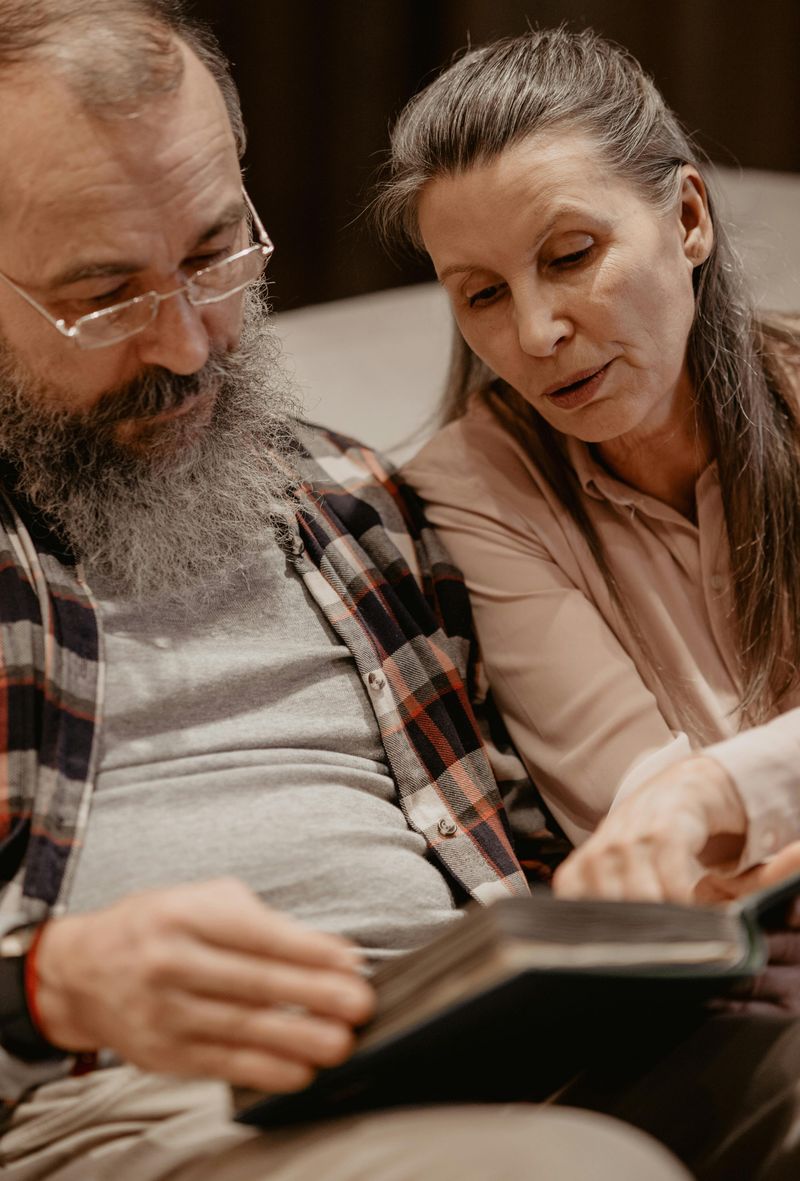
After 20, 30, or even 40 years together, a marriage becomes woven into every part of your life.
Shared bank accounts, a family home, mutual friends, and decades of memories create ties that feel almost impossible to cut.
Walking away from all of that at once is an enormous emotional weight to carry.
Many couples stayed simply because the thought of dividing everything — tangible and intangible — felt more painful than enduring the unhappiness.
There is a certain comfort in shared history, even when the relationship has grown cold.
Sometimes, what kept people together was not love but the sheer weight of everything they had already built.
Comments
Loading…