
 Isabel Parker
Gen Z — people born between the late 1990s and early 2010s — is growing up with more financial tools, investment apps, and side hustles than any generation before them. Yet despite having more access to money and opportunity, studies consistently show that Gen Z reports lower levels of happiness and mental well-being.
How can a generation with so much feel so little joy? These nine reasons help explain the surprising gap between Gen Z’s growing wealth and their shrinking happiness.
1. Social Media Steals Real Connection

Scrolling through a highlight reel of other people’s “perfect” lives can quietly destroy your own sense of joy.
Gen Z grew up with Instagram, TikTok, and Snapchat as daily companions — but these platforms often replace genuine human connection with curated performances.
Research shows that heavy social media use is linked to increased loneliness, anxiety, and feelings of not being “enough.” Unlike a real conversation, a like or comment rarely fills the emotional void.
The more time spent online comparing, the less time spent truly connecting — and real connection is one of the most powerful ingredients for lasting happiness.
2. The Pressure to Succeed Is Suffocating

“You can be anything” sounds inspiring — until it starts feeling like “you must be everything.”
Gen Z faces enormous pressure to excel academically, build a personal brand, start a business, and still somehow maintain a social life, all before turning 25.
This relentless push to achieve creates chronic stress that money simply cannot fix.
Studies link high achievement pressure to burnout, anxiety disorders, and even depression in young people.
Having wealth goals is fine, but when success becomes the only measure of worth, happiness quietly gets left behind.
Feeling enough — just as you are — is something no bank account can buy.
3. Financial Stress Still Exists — Just Differently

Here is a surprising truth: having more awareness of money does not always mean having less stress about it.
Gen Z may use budgeting apps and invest early, but they also carry massive student loan debt, face sky-high housing costs, and entered the workforce during economic uncertainty.
Knowing exactly how much you owe — down to the penny — can actually make financial anxiety worse.
The gap between what they earn and what life actually costs feels painfully visible.
Wealth-building tools gave Gen Z knowledge, but that knowledge sometimes highlights the mountain they still have to climb rather than the progress already made.
4. Climate Anxiety Is a Real, Daily Weight
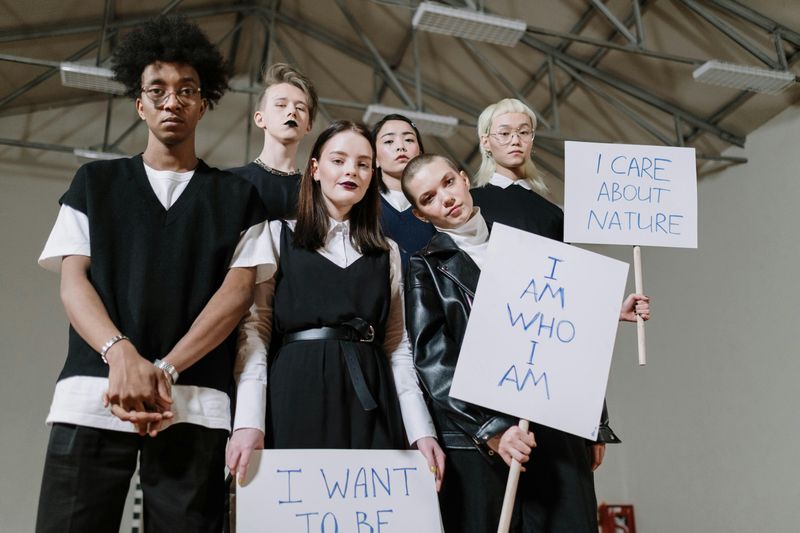
Growing up with constant news about wildfires, floods, and extinction timelines takes a serious emotional toll.
Unlike previous generations, Gen Z has never known a world without climate crisis headlines — and many genuinely wonder what kind of future they are building toward.
Psychologists have even coined the term “eco-anxiety” to describe the chronic fear tied to environmental collapse.
When you are not sure the planet will be livable in 50 years, it is hard to feel excited about a retirement savings account.
Wealth feels hollow if the world you plan to enjoy it in seems increasingly threatened.
That existential weight does not just disappear.
5. Loneliness Is at an All-Time High

Loneliness has become one of the defining struggles of Gen Z — and it is not just about being physically alone.
Many young people report feeling deeply misunderstood, even when surrounded by people or constantly connected online.
The U. S. Surgeon General has officially called loneliness a public health epidemic, and Gen Z tops the charts.
Strong friendships and community bonds are among the greatest predictors of happiness in human beings.
Yet busy schedules, remote work, online socializing, and the collapse of traditional community spaces have made deep connection harder to find.
A full wallet is no substitute for a full social life, and Gen Z is learning that lesson the hard way.
6. Mental Health Stigma Still Lingers

Compared to older generations, Gen Z is far more open to talking about mental health — but awareness alone does not equal access or healing.
Many still face barriers like cost, long wait times for therapists, or family members who dismiss mental health struggles as “just stress.”
Knowing the vocabulary of anxiety and depression is not the same as getting effective treatment.
Meanwhile, the mental health crisis among young people continues to grow.
Greater wealth has not automatically translated into better mental health care for everyone.
Real progress means closing the gap between understanding mental health and actually having the resources to treat it with consistency and compassion.
7. Comparison Culture Warps Self-Worth

Did you know that the average Gen Z user sees hundreds of curated, filtered images every single day?
Each one subtly sends a message: your life is not glamorous enough, your body is not right, your achievements are not impressive enough.
This constant comparison is exhausting — and damaging.
Even young people with solid savings and career momentum can feel like failures when their Instagram feed is full of 22-year-old millionaires and influencers on yachts.
Self-worth built on comparison is always fragile.
No matter how much money piles up, if the measuring stick keeps moving, satisfaction stays permanently out of reach.
Happiness rooted in comparison is happiness that never lasts.
8. Purpose and Meaning Feel Hard to Find

Money can solve a lot of problems, but it cannot answer the question “Why am I here?”
Many Gen Z individuals report feeling adrift — unsure of what truly matters to them beyond career metrics and financial milestones.
Traditional sources of meaning like religion, community, and long-term relationships have declined sharply for this generation.
Without a strong sense of purpose, even impressive achievements can feel empty.
Psychologists consistently find that meaning — not money — is the strongest driver of deep, lasting happiness.
Gen Z is searching hard for that meaning, often in a world that keeps pointing them toward productivity instead of passion, profit instead of purpose.
9. Sleep Deprivation Is Quietly Wrecking Well-Being

Here is something wild: nearly 73% of high school students get less sleep than recommended, according to the CDC.
Screens, stress, and packed schedules have made quality sleep a rare luxury for Gen Z — and the consequences go far deeper than feeling groggy in the morning.
Chronic sleep deprivation is directly linked to increased rates of anxiety, depression, poor decision-making, and reduced emotional resilience.
No investment portfolio can compensate for a brain running on fumes.
Sleep is one of the most powerful tools for emotional regulation and happiness, yet it remains one of the most overlooked.
Wealth means little when exhaustion colors every waking moment gray.
Comments
Loading…