
 Jade Reed
11 Old-School Parenting Rules That Are Now Considered Toxic—Do You Agree?
Many of us grew up hearing rules that seemed completely normal at the time.
Looking back, though, some of those rules may have done more harm than good.
Parenting advice has changed a lot over the years, and what was once considered standard is now being questioned by experts and parents alike.
Here are 11 old-school parenting rules that many people now consider toxic—see if any of them sound familiar.
1. “Children Should Be Seen and Not Heard”
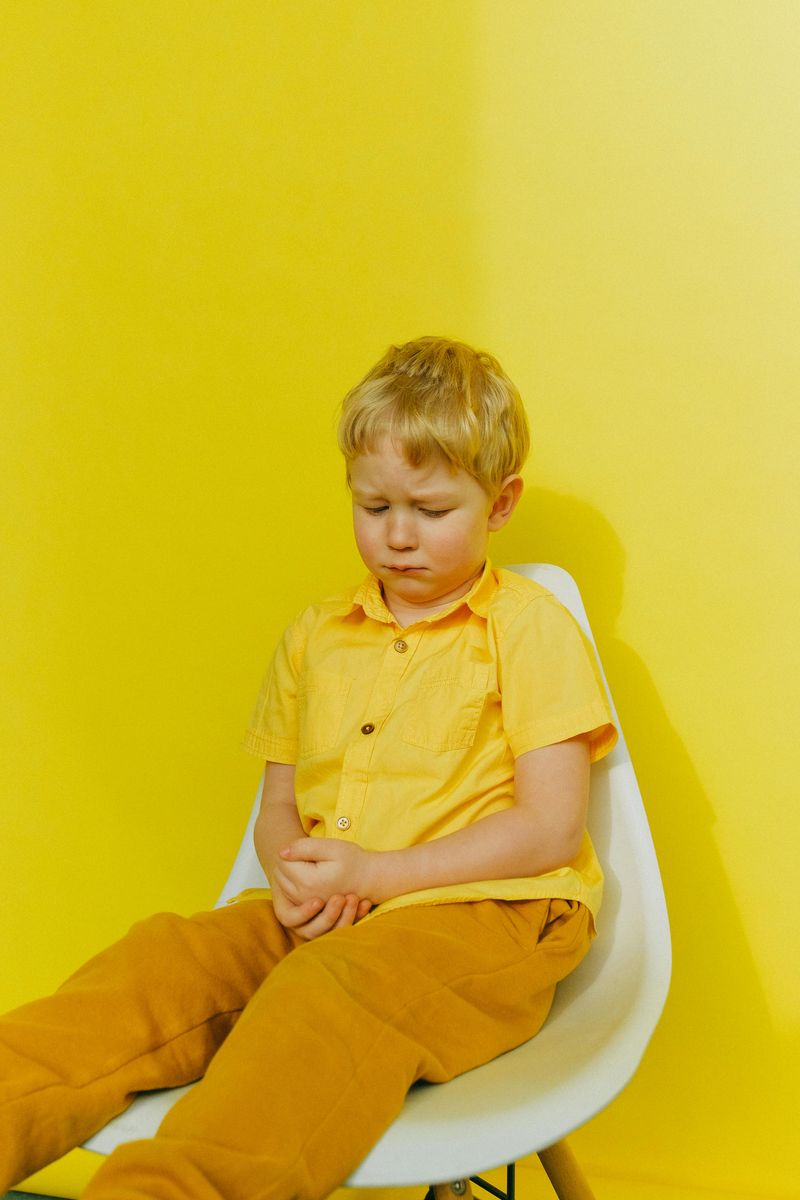
Picture a kid bursting with ideas, jokes, and questions—then being told to zip it simply because adults were talking.
This old rule trained children to stay silent and invisible, which sounds harmless but quietly chips away at their confidence over time.
When kids aren’t allowed to speak up, they stop believing their thoughts matter.
That can follow them into adulthood, making it harder to speak up at work or in relationships.
Modern parenting flips this script by encouraging kids to share their views respectfully, building communication skills that last a lifetime.
2. “Spanking Teaches Discipline”
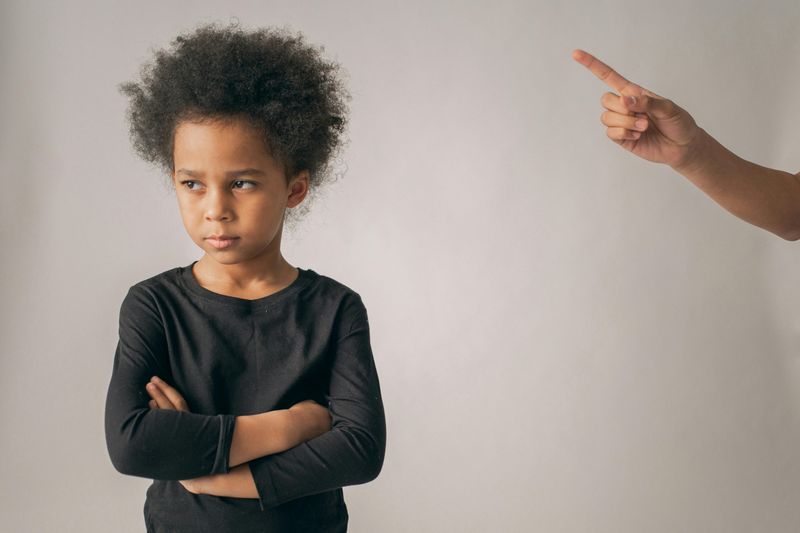
For decades, a quick swat on the bottom was seen as the go-to fix for bad behavior.
It felt straightforward—misbehave, face consequences.
But study after study has shown that physical punishment doesn’t actually teach kids what they did wrong.
Instead, it often creates fear, resentment, and even increased aggression.
Kids raised with physical discipline are more likely to struggle with anxiety and emotional regulation as they grow older.
Today’s experts push for calm, clear conversations about behavior—approaches that build understanding rather than just obedience born from pain.
3. “Stop Crying or I’ll Give You Something to Cry About”
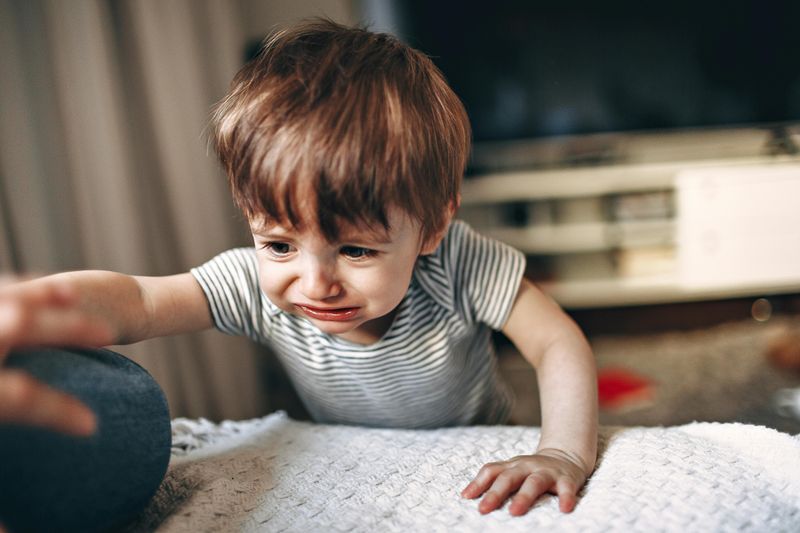
Few phrases sting quite like this one.
Meant to toughen kids up, it actually sends a pretty damaging message: your feelings are annoying and should be hidden.
Children who hear this repeatedly learn to bottle up emotions rather than express them in healthy ways.
Suppressed emotions don’t just disappear—they tend to resurface later as anxiety, anger, or difficulty connecting with others.
Emotional intelligence starts forming young, and kids need space to feel their feelings safely.
Validating a child’s tears, even when the reason seems small, teaches them that emotions are normal and manageable.
4. “Respect Your Elders, No Matter What”
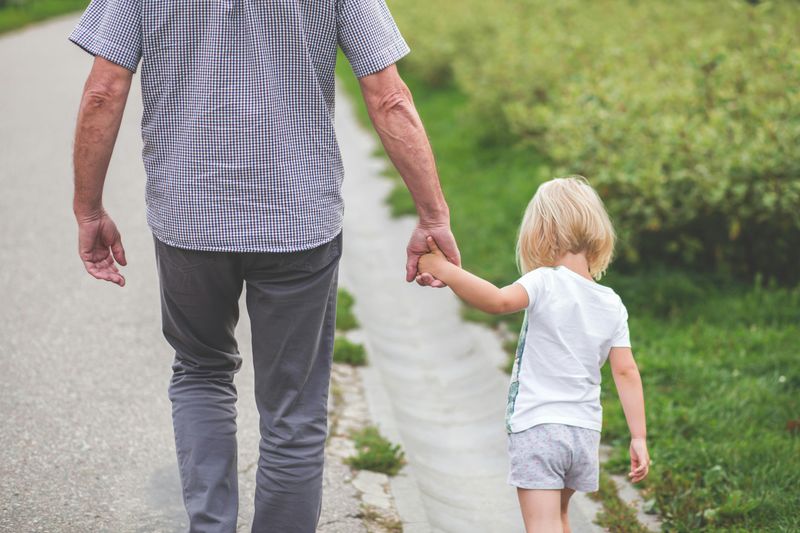
Respect is genuinely valuable—nobody’s arguing against that.
But there’s a big difference between teaching respect and demanding blind obedience to every adult, no questions asked.
The problem?
Kids who are trained never to question authority figures can struggle to recognize when something feels wrong.
This rule, when taken too far, can actually put children at greater risk of harm from adults who misuse their authority.
Teaching kids to trust their instincts and speak up when something feels unsafe is far more protective.
Real respect is earned and mutual—not something children owe automatically to every adult they meet.
5. “Finish Everything on Your Plate”

Back when food was scarcer, cleaning your plate made practical sense.
But in households where food is available, forcing kids to eat past the point of fullness can quietly rewire their relationship with food in damaging ways.
Children naturally regulate hunger pretty well when adults let them.
Override that instinct repeatedly, and they may lose touch with their body’s signals altogether—setting the stage for overeating or unhealthy food habits down the road.
Encouraging kids to try new foods without pressure, and stopping when they’re full, builds a far healthier foundation for lifelong eating habits.
6. “No Privacy Until You’re 18”
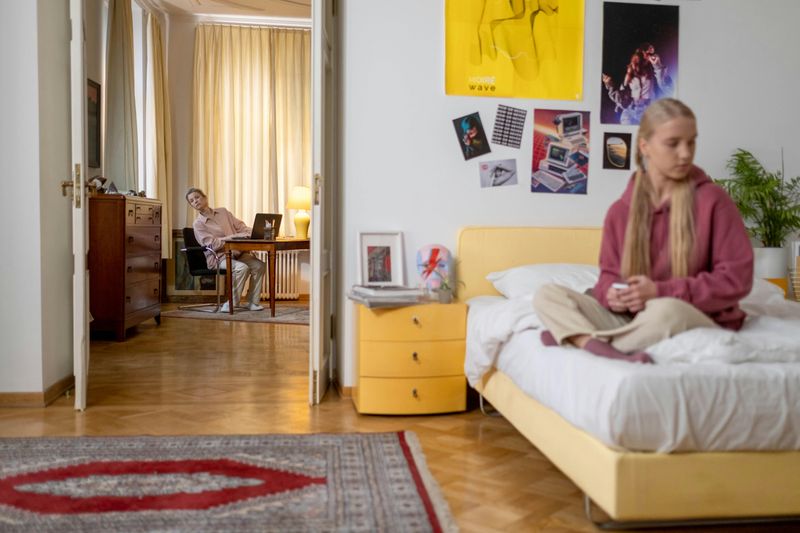
Trust is a two-way street, and completely stripping a child of privacy sends a loud message: I don’t trust you.
While parents absolutely need to keep kids safe, there’s a meaningful difference between healthy monitoring and total surveillance.
When teens have zero personal space—whether that’s a diary, a room, or private conversations—they often find sneakier ways to get it.
Ironically, less privacy can actually lead to less openness between parent and child.
Giving kids age-appropriate privacy, while keeping communication open, tends to build the kind of trust that makes them more likely to come to you when it really matters.
7. “Parents Are Always Right”
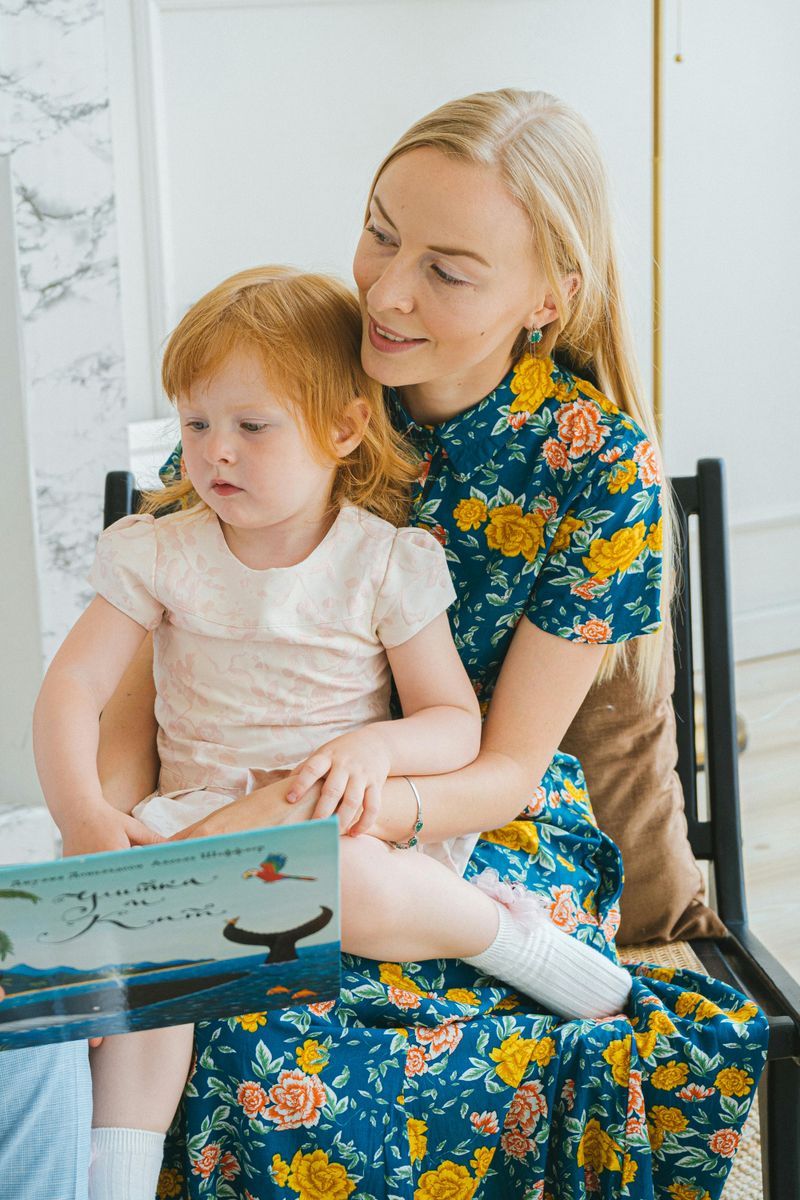
Nobody is right 100% of the time—not even parents.
When kids grow up in homes where that idea is never questioned, they miss out on seeing what accountability actually looks like in real life.
Admitting mistakes isn’t weakness; it’s one of the most powerful lessons a parent can model.
Children who watch adults own their errors learn to do the same.
They grow into people who can say “I was wrong” without shame, which is a genuinely rare and valuable quality.
Healthy families make room for honest conversations, disagreements, and yes—parents apologizing when they get it wrong.
8. “You’re Too Young to Be Stressed”
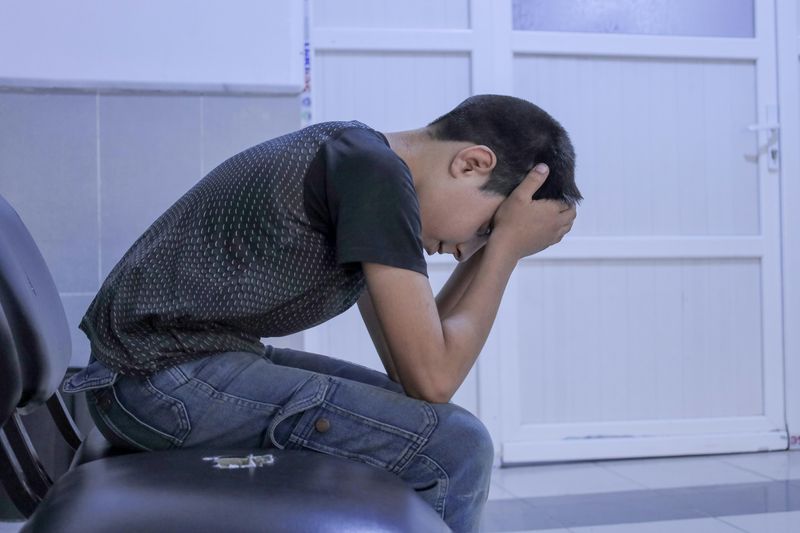
Here’s something many adults forget: kids feel stress just as intensely as grown-ups do.
School pressure, friendship drama, family tension—it all weighs on them, even if the source seems small by adult standards.
Telling a child they have “nothing to worry about” doesn’t ease the stress; it just makes them feel misunderstood.
When kids learn their worries are taken seriously, they develop stronger emotional resilience.
They also become more comfortable asking for help when things get tough, rather than suffering in silence.
Listening without judgment is one of the simplest and most powerful things a parent can offer.
9. “Punishment Is the Best Way to Teach a Lesson”
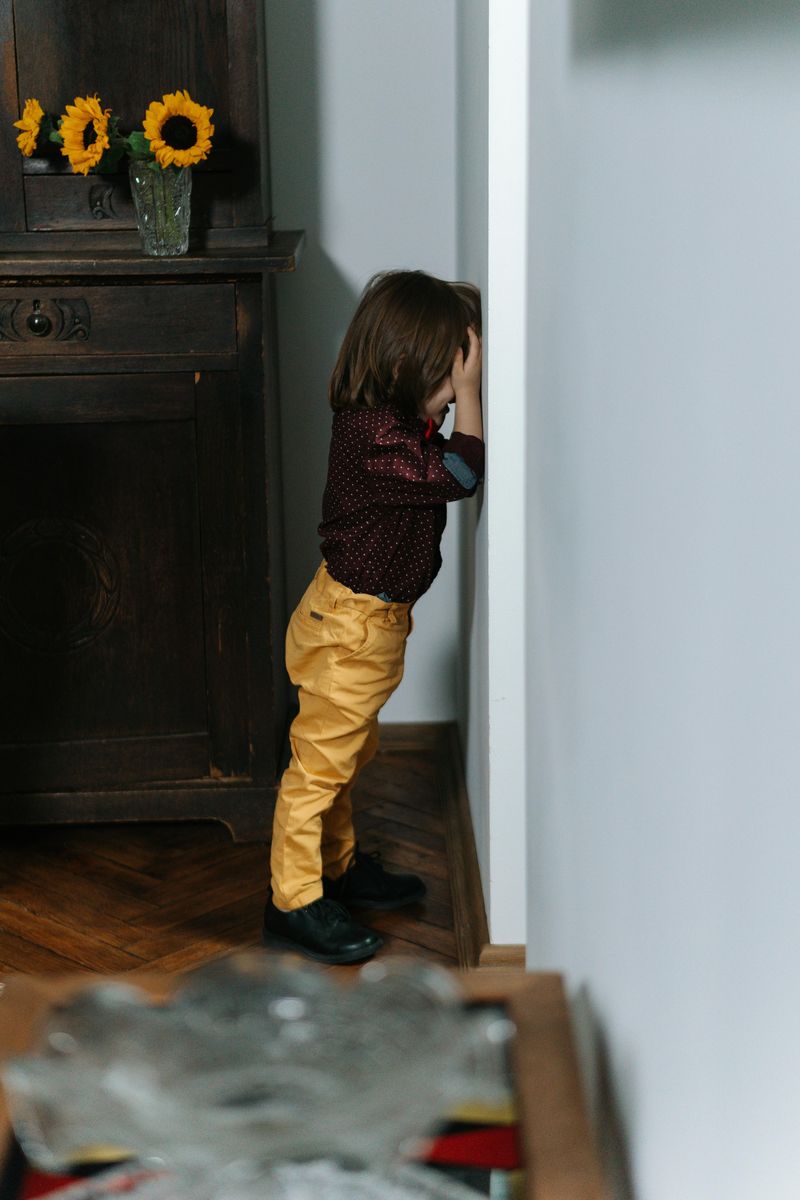
Strict punishment might stop a behavior in the moment, but it rarely teaches a child why something was wrong or what to do differently next time.
Fear of consequences and genuine understanding of right and wrong are very different things.
Kids raised on heavy punishment often become skilled at avoiding getting caught—not at making better choices.
The goal of discipline should be to guide, not just to penalize.
Positive discipline techniques—like logical consequences, calm conversations, and problem-solving together—give kids the reasoning tools they need to make genuinely good decisions on their own.
10. “Because I Said So”
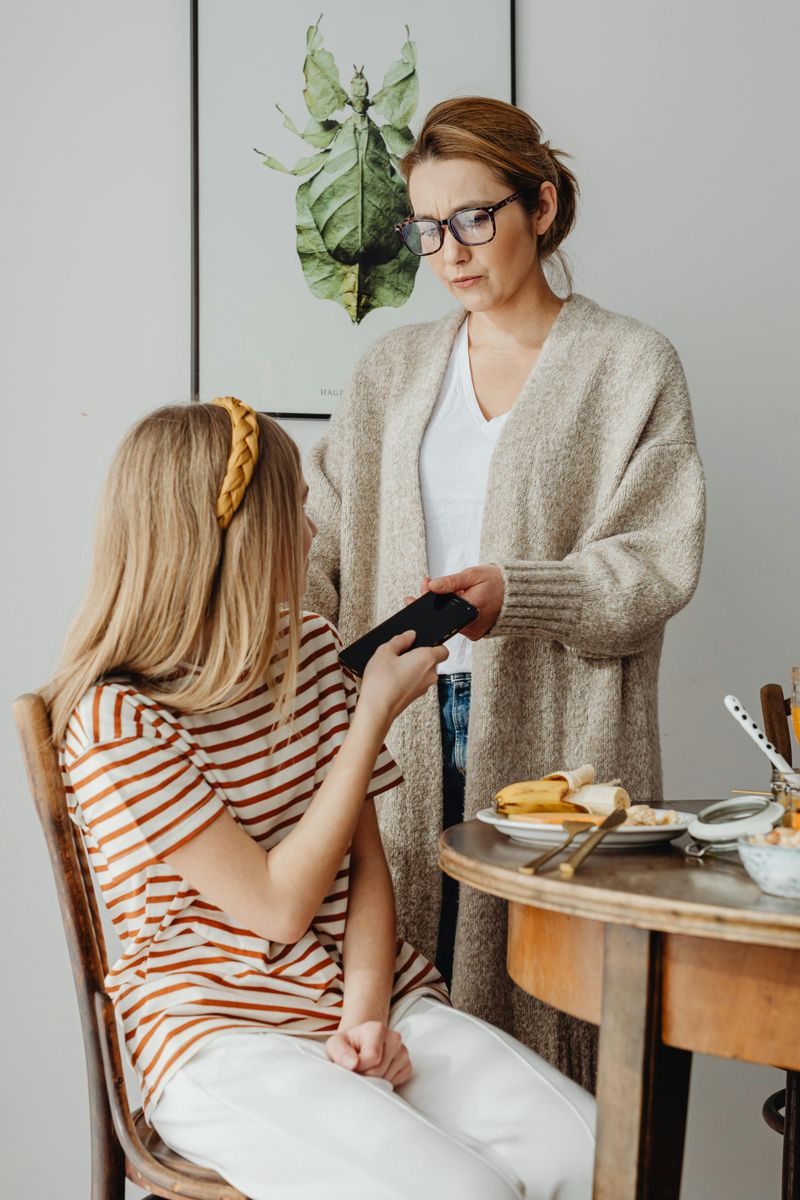
Every parent has been there—exhausted, out of patience, and just done explaining.
“Because I said so” is tempting in those moments.
But as a regular response, it shuts down one of the most important things kids do naturally: ask why.
Curiosity and critical thinking develop when children are encouraged to question and reason through situations.
Shutting that down repeatedly can create passive thinkers who follow rules without ever understanding them.
You don’t have to justify every single decision, but making space for honest explanations—even simple ones—helps kids build the reasoning skills they’ll need their whole lives.
11. “Never Talk Back to Your Parents”

On the surface, this rule sounds like it’s about respect—and sure, there’s a version of it that makes sense.
Nobody wants a child who’s rude or dismissive.
But there’s a big gap between disrespect and healthy pushback, and this rule often erases that gap entirely.
When kids are never allowed to voice disagreement, they miss out on learning how to communicate confidently and resolve conflict constructively.
Those are skills they’ll need in friendships, workplaces, and relationships for the rest of their lives.
Encouraging respectful dialogue—even when a child disagrees—teaches far more than silence ever could.
Comments
Loading…