
 Jade Reed
These 13 Villains Weren’t Truly Evil—Just Deeply Misunderstood
Not every villain twirls their cape because they love being bad.
Some of the most memorable antagonists in movies, TV shows, and books are the way they are because life handed them something truly painful.
Behind the scowls and schemes, many so-called villains are carrying wounds that most heroes never had to face.
Once you understand their stories, it becomes pretty hard to see them as purely evil.
1. Severus Snape – Harry Potter (2001)
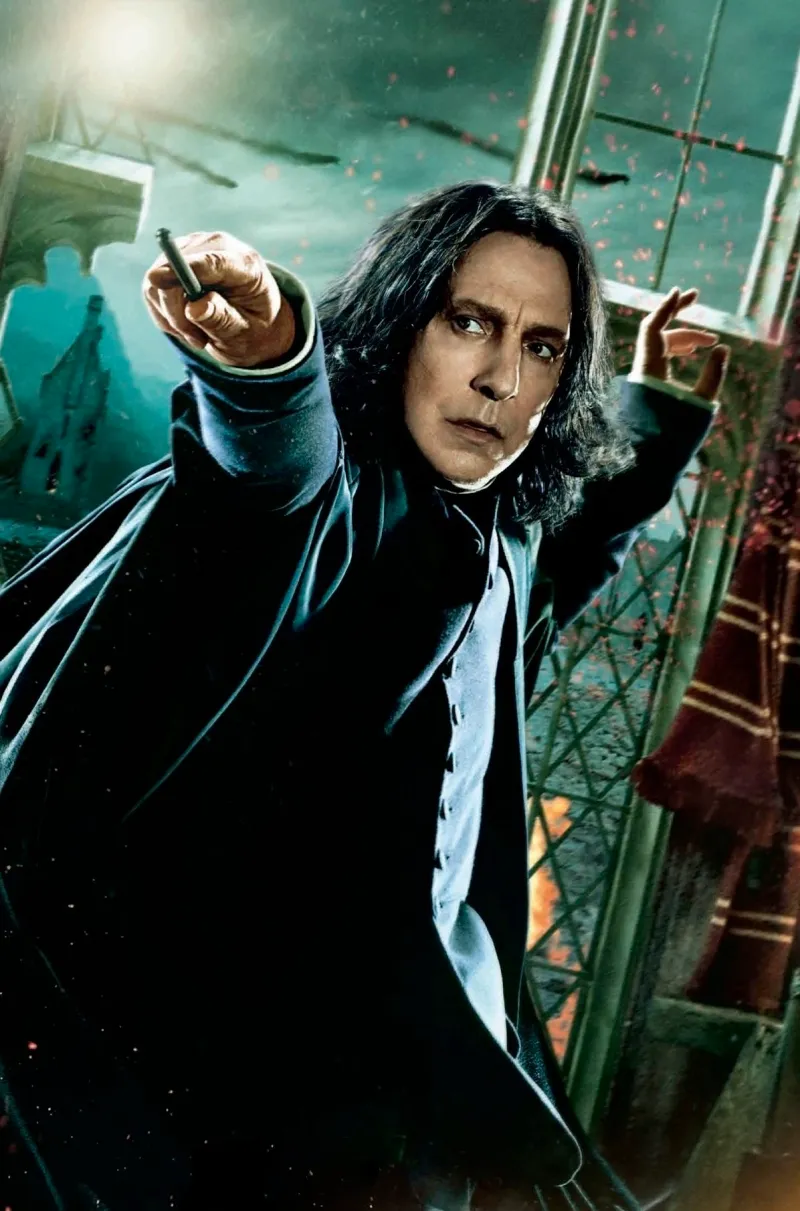
For years, Snape came across as the teacher everyone dreaded — cold, sarcastic, and seemingly out to get Harry at every turn.
Readers and viewers were convinced he was one of the bad guys.
Then came the memories in the Pensieve, and everything changed in an instant.
His entire life had been quietly devoted to protecting Harry, all out of a love that never faded for Lily Potter.
Snape endured insults, suspicion, and loneliness without ever asking for credit.
Few characters in fiction carry as much quiet sacrifice beneath such a prickly exterior.
He deserved far more understanding than he ever received.
2. Magneto – X-Men (2000)
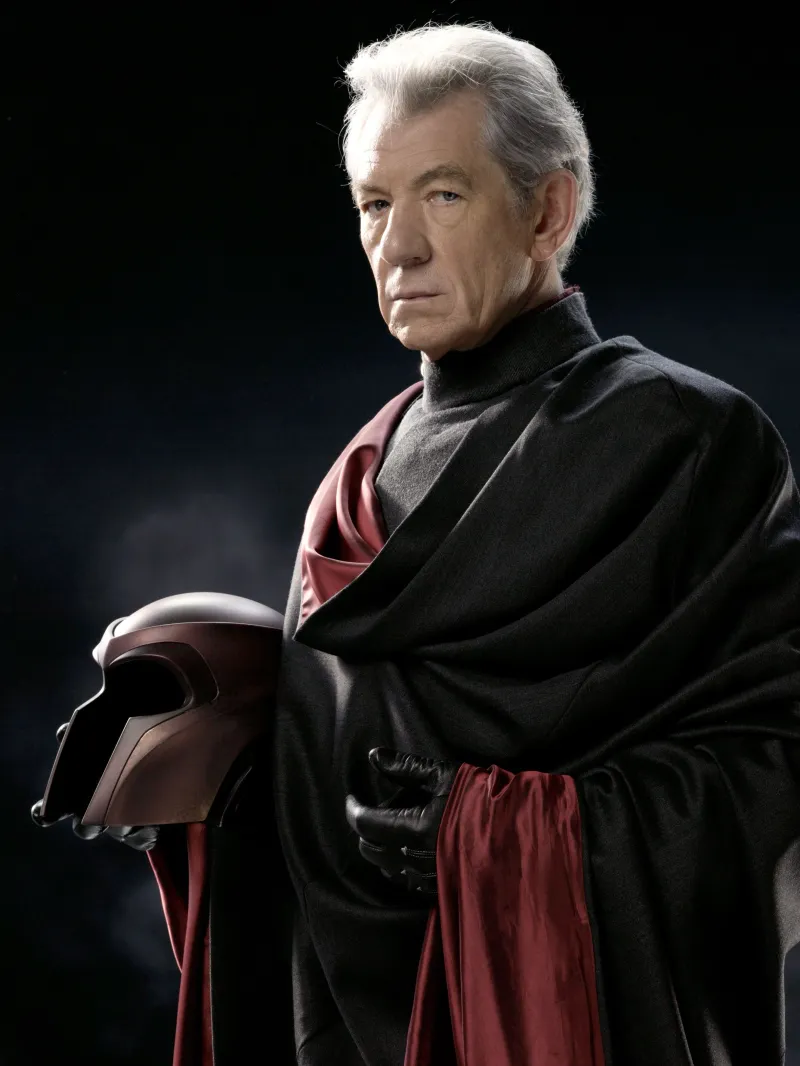
Surviving the Holocaust as a child left Erik Lehnsherr with scars that no amount of time could erase.
When the world later turned against mutants, he saw the same pattern repeating — hatred, fear, and persecution dressed up in new clothes.
His methods are extreme, sure. But his core mission — keeping his people from being wiped out — comes from a place of raw, lived trauma.
Magneto isn’t someone who enjoys causing pain.
He’s someone who decided he’d never be powerless again.
That distinction matters.
Understanding where his fury comes from doesn’t excuse his actions, but it absolutely explains them.
3. Erik Killmonger – Black Panther (2018)
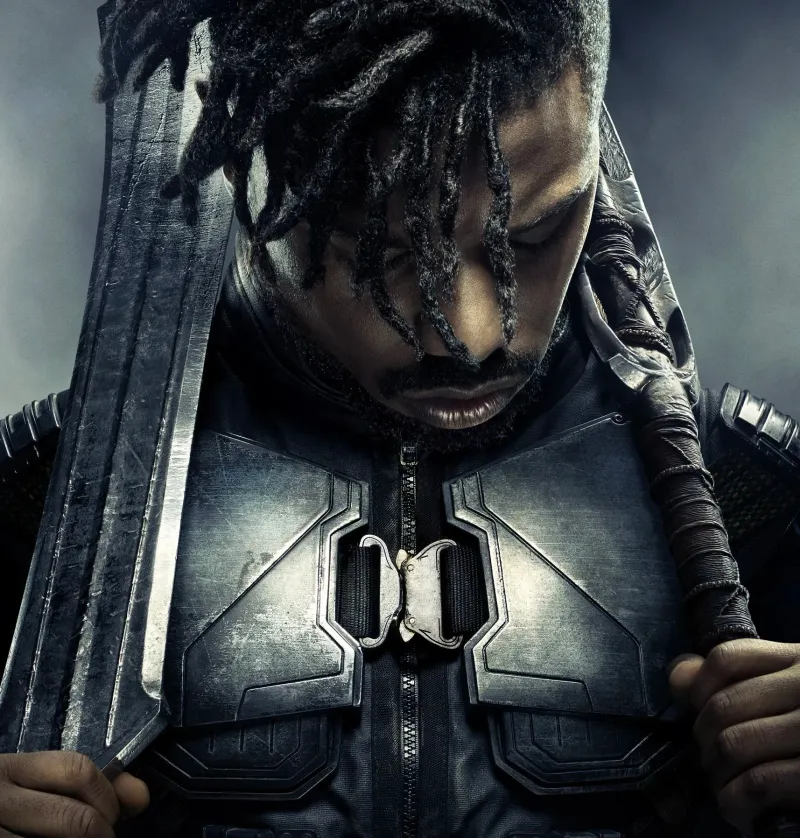
Killmonger grew up abandoned in Oakland after his father was killed, watching injustice unfold around him with no royal resources or safety net to fall back on.
His anger didn’t come from nowhere — it came from a lifetime of being left behind by the very people who should have protected him.
His goal of empowering oppressed people around the world wasn’t wrong.
The brutal way he planned to achieve it was.
That gap between a righteous cause and a violent method is exactly what makes him one of Marvel’s most compelling characters.
Many viewers walked out of the theater quietly agreeing with parts of his argument.
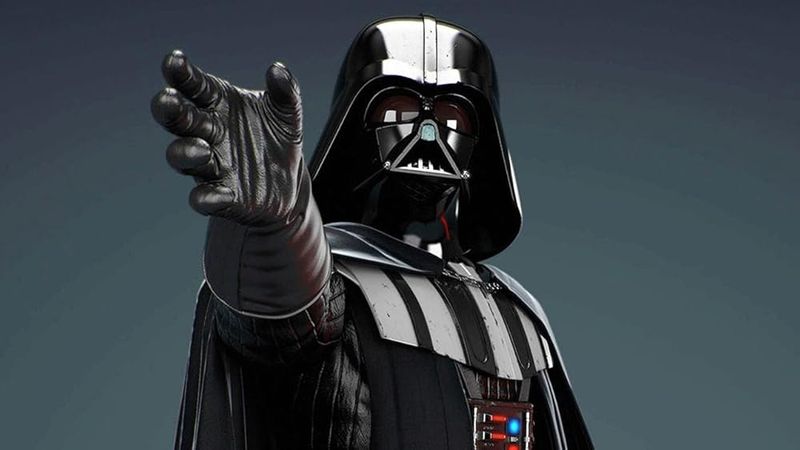
4. Darth Vader – Star Wars (1977)
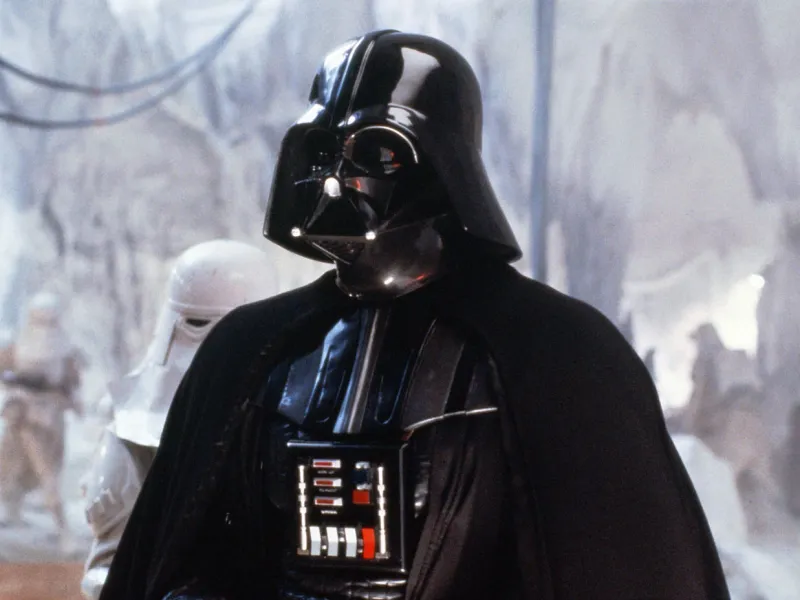
Before the black helmet and mechanical breathing, there was Anakin Skywalker — a gifted Jedi who just wanted to protect the people he loved.
Fear of losing his wife drove him straight into the arms of Emperor Palpatine, a manipulative mastermind who twisted that love into obedience.
Vader didn’t choose evil so much as stumble into it through grief and desperation.
That’s what makes his story hit so hard.
By the time he throws the Emperor down the shaft to save his son, it’s clear the real Anakin never fully disappeared.
He was a fallen hero, not a born monster.
5. Loki – Thor (2011)
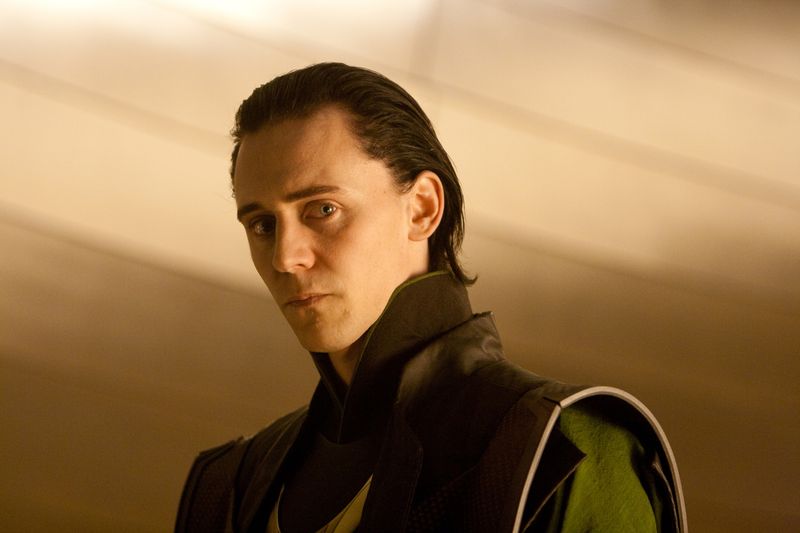
Imagine finding out everything you believed about yourself was a lie.
That’s exactly what happened to Loki when he discovered he was adopted — a Frost Giant raised in Asgard, always standing in Thor’s golden shadow without ever truly belonging.
His schemes and betrayals read differently once you understand that longing underneath.
He wasn’t chasing power for its own sake. He was desperately searching for a place where he mattered.
Loki became one of Marvel’s most beloved characters precisely because audiences recognized that ache.
Being the overlooked one, the outsider, the kid who never quite fit — that’s something a lot of people understand deeply.
6. Maleficent – Sleeping Beauty (1959)
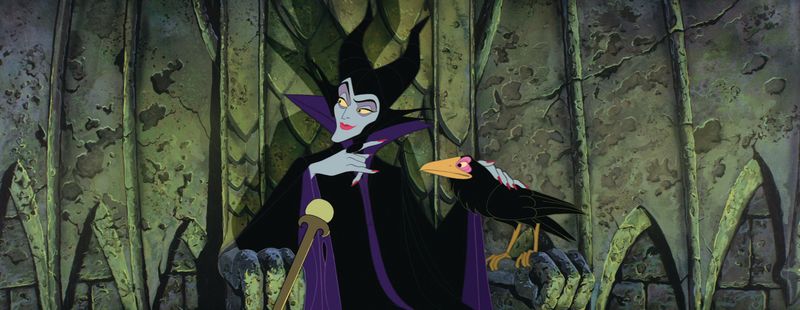
The classic Sleeping Beauty paints Maleficent as the picture of pure wickedness — cursing a baby simply because she wasn’t invited to a party. It seemed shallow and cruel.
Later retellings added something the original left out: her backstory.
She was betrayed in the cruelest way by someone she trusted, and the curse she cast was the howl of a broken heart.
Heartbreak doesn’t excuse placing a curse on an innocent child, but it reframes her as a wounded person rather than a cartoon villain.
When you see what she lost, her fury stops feeling random and starts feeling devastatingly human.
7. Mr. Freeze – Batman and Robin (1997)
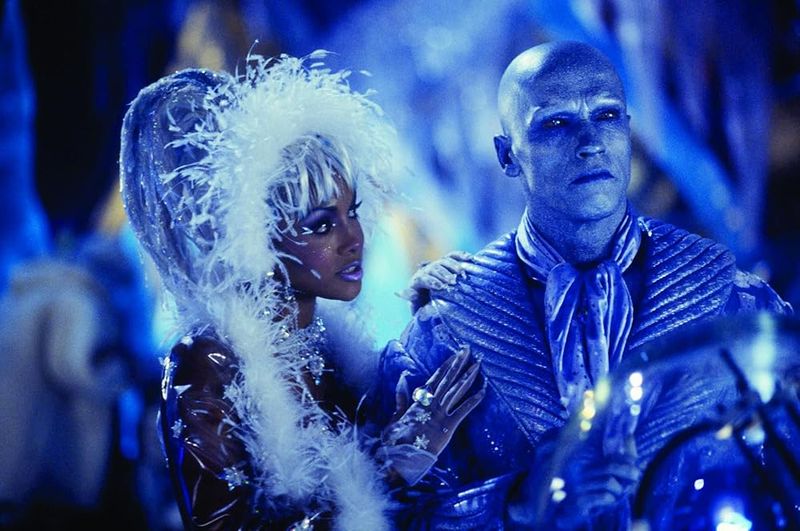
Victor Fries didn’t wake up one day and decide to become a criminal.
He was a scientist racing against time, trying to save his terminally ill wife Nora by cryogenically preserving her until a cure could be found.
A lab accident took away his ability to survive at room temperature and left him trapped in a frozen suit forever.
Every heist, every confrontation with Batman — all of it was driven by love. He just wanted his wife back.
Of all the villains in Gotham’s rogues’ gallery, Mr. Freeze is arguably the most heartbreaking.
His crime is devotion, and that’s a hard thing to condemn.
8. Catwoman – Batman Returns (1992)
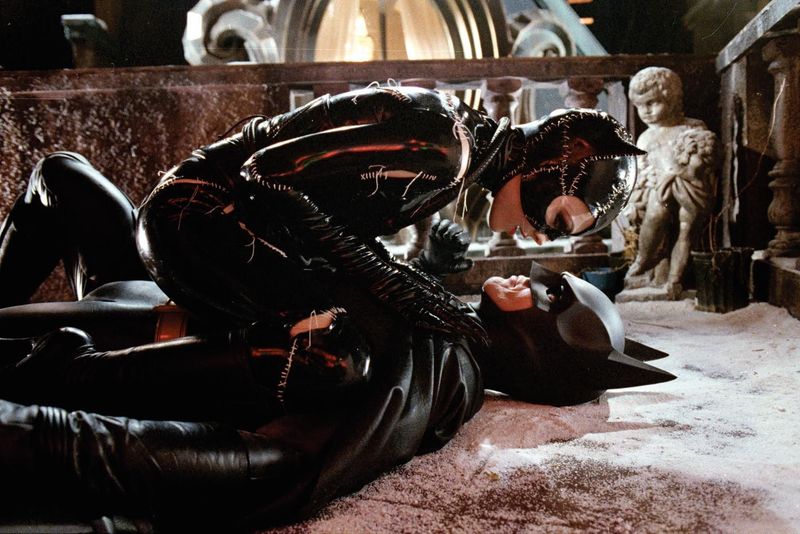
Selina Kyle didn’t start out as a villain.
She was a timid secretary who got pushed out a window by her corrupt boss and somehow survived, emerging with a completely different outlook on the world.
Her Catwoman persona is less a supervillain and more a woman who stopped playing by rules that were never designed to protect her.
She steals, she fights, she bends the law — but always on her own terms and usually against people who had it coming.
Catwoman operates in the messy gray space between right and wrong, which is honestly more realistic than most heroes in the franchise.
She’s complicated, and that’s the point.
9. Harley Quinn – Batman: The Animated Series (1992)
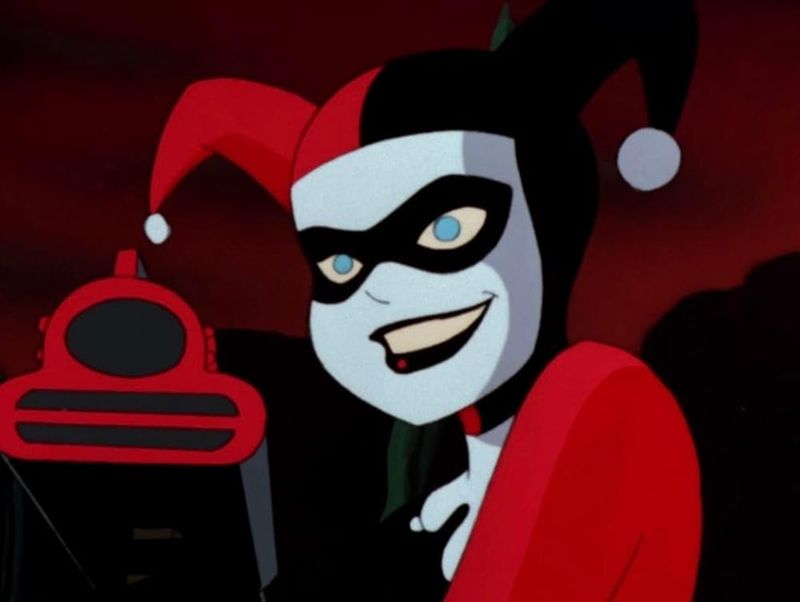
Dr. Harleen Quinzel had a real future ahead of her.
She was a trained psychiatrist working at Arkham Asylum, smart and ambitious.
Then she was assigned to treat the Joker, and what followed was a textbook case of psychological manipulation and emotional abuse.
Harley didn’t fall into villainy because she was bad at heart.
She fell because someone brilliant and toxic dismantled her self-worth piece by piece until she couldn’t see straight.
Her story sparked serious conversations about abusive relationships long before that was a common topic in pop culture.
She’s not a villain — she’s a victim who got handed a mallet instead of a therapist.
10. The Grinch – How the Grinch Stole Christmas! (1966)
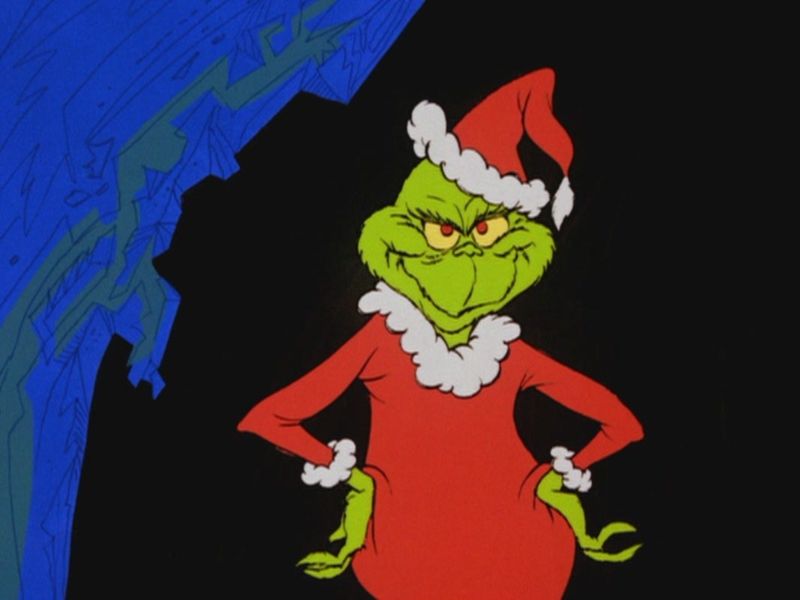
Up on Mount Crumpit, all alone with only his dog Max for company, the Grinch spent years listening to the sounds of joy he was never invited to share.
His hatred of Christmas wasn’t born evil — it grew from loneliness and exclusion, the kind that festers when nobody reaches out.
What makes his story so enduring is the transformation.
The moment the Whos sing despite losing everything, something cracks open in him.
His heart grows three sizes because kindness finally reached him.
The Grinch is proof that bitterness isn’t permanent — sometimes people just need one genuine moment of belonging to start turning things around.
11. Frankenstein’s Monster – Frankenstein (1931)
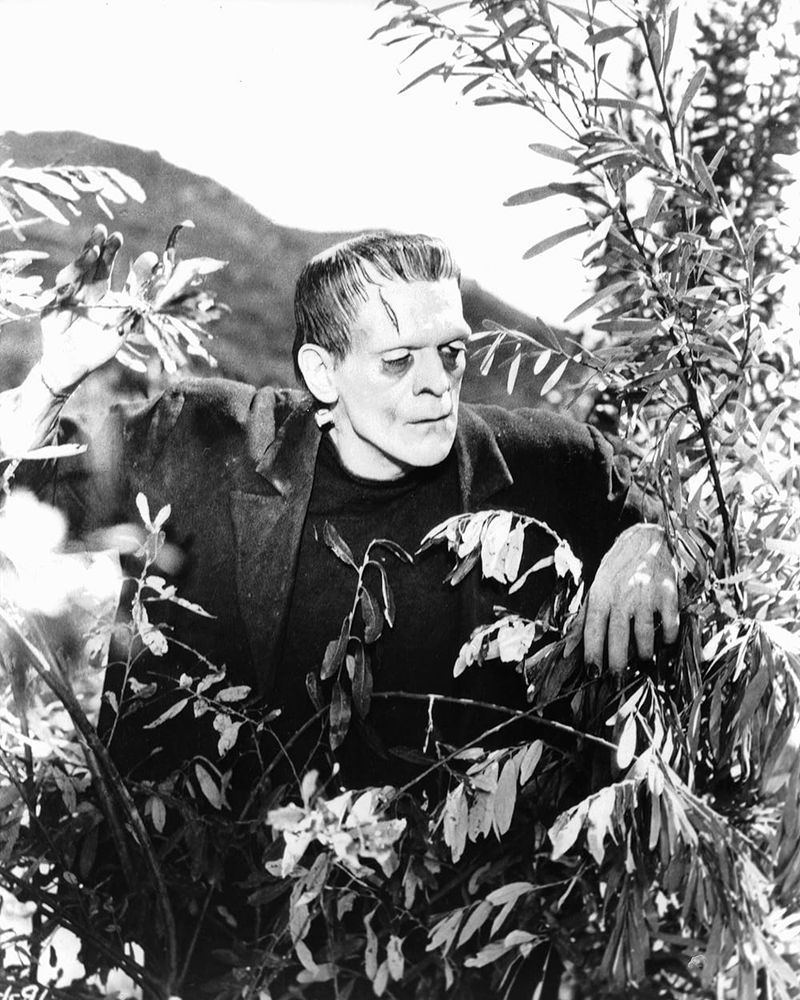
The creature stitched together by Victor Frankenstein didn’t ask to exist.
He came into the world with no knowledge, no family, and no guide — just a terrifying appearance that caused everyone around him to scream and run.
He reached out for connection again and again, only to be met with torches and terror.
Violence came later, after rejection piled on rejection with nowhere to put the pain.
He learned cruelty from the humans who taught him he was unworthy of love.
The real monster in Mary Shelley’s story was never the creature — it was the society that refused to see past his face.
12. Megamind – Megamind (2010)
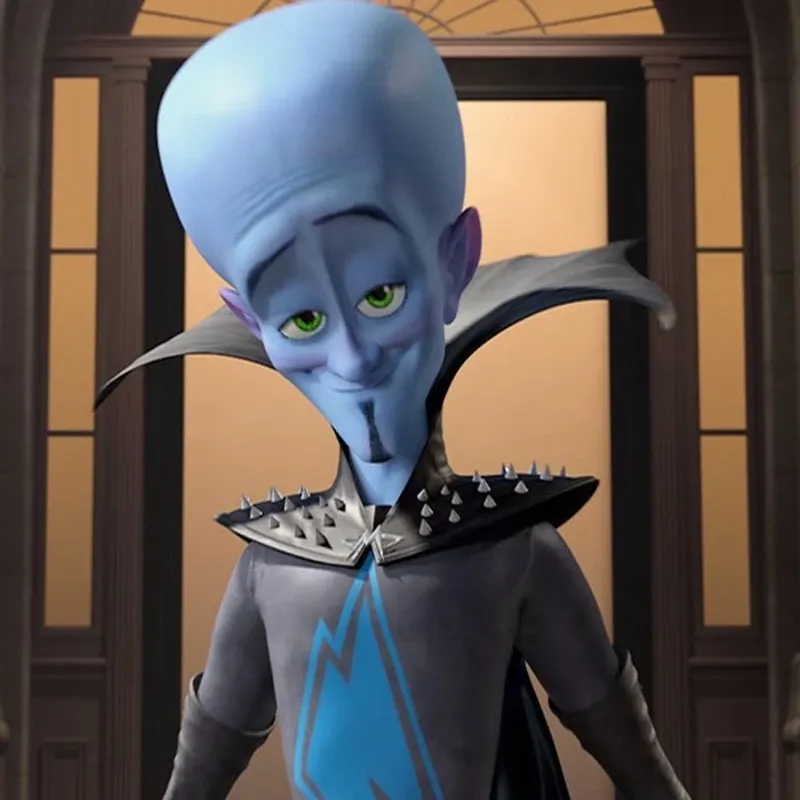
From the moment he crash-landed on Earth as a baby, Megamind was labeled the troublemaker while his rival Metro Man soaked up all the praise.
School, society, and circumstance kept pushing him toward the villain role until he just accepted it as his identity.
What makes his story genuinely touching is what happens when Metro Man fakes his death and Megamind wins.
Suddenly there’s no hero to fight, and he discovers he has no idea who he actually is without that conflict.
Given real choices, he picks kindness and courage every time.
Megamind shows that people often become what others expect of them — and that it’s never too late to rewrite that story.
13. Azula – Avatar: The Last Airbender (2005)

Growing up as Fire Lord Ozai’s favored child sounds like a privilege, but the price Azula paid was enormous.
Her father shaped her into a weapon — brilliant, ruthless, and utterly terrified of showing weakness.
Affection in her household came with conditions, and failure was never an option.
By the end of the series, the cracks show in devastating ways.
She hallucinates, she breaks down, she loses control of everything she built her identity around.
Azula was never simply cruel — she was a child who was never taught how to be anything other than perfect and powerful.
Her collapse is one of the most emotionally raw moments in the entire show.
Comments
Loading…