
 Jade Reed
15 Iconic Female Roles That Still Feel Revolutionary
Some characters do more than entertain us — they change how we see the world.
Over the decades, certain female roles in movies and TV shows have shattered expectations, proving that women can be warriors, leaders, scholars, and heroes just as powerfully as anyone else.
Here are 15 unforgettable female roles that still feel bold, brave, and revolutionary today.
1. Ellen Ripley in Alien (1979) / Aliens (1986)
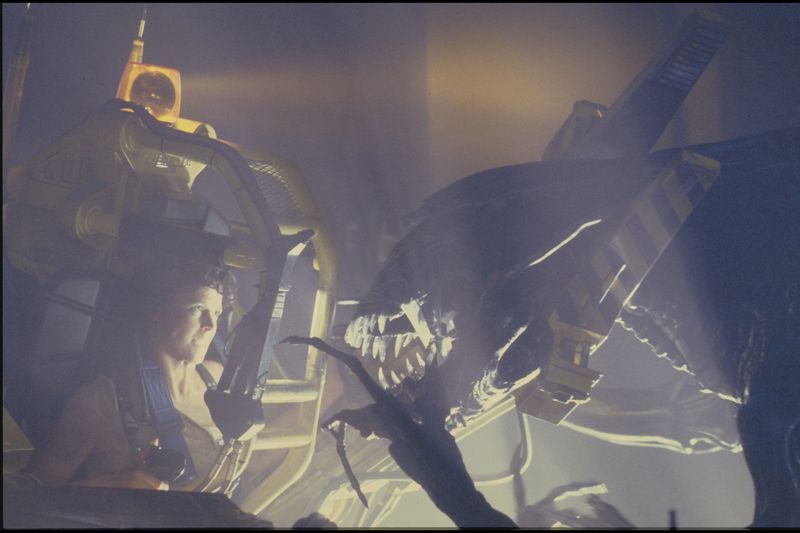
Before Ellen Ripley, most women in sci-fi horror were there to scream and be rescued.
Ripley flipped that script completely.
She outsmarted, outfought, and outlasted creatures that terrified everyone around her.
Actress Sigourney Weaver brought a raw toughness to the role that felt genuinely new.
Ripley did not rely on anyone to save her — she saved others instead.
She planned, adapted, and led with cold, clear-headed courage.
Even today, action heroines are often compared to Ripley as the gold standard.
She proved female characters could carry high-stakes films without losing an ounce of credibility or power.
2. Hermione Granger in Harry Potter Series (2001–2011)
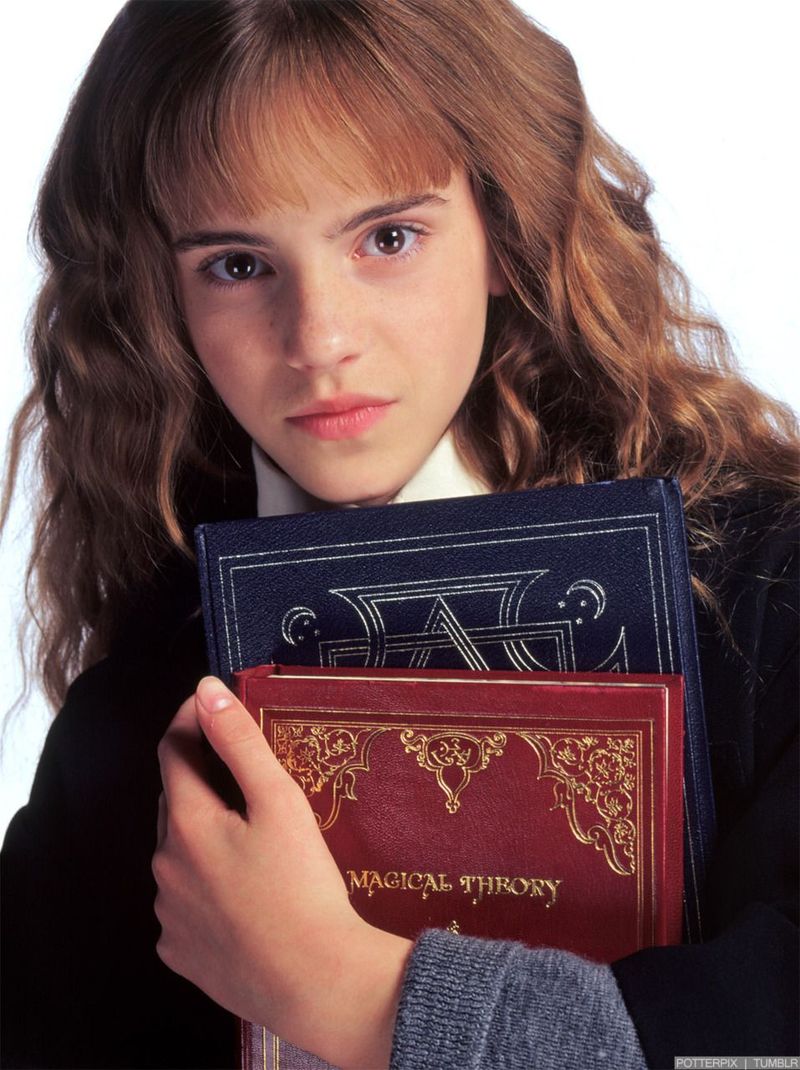
Hermione Granger did not wait to be told she was smart — she already knew it, and she used every ounce of that intelligence to protect her friends.
In a story full of magic and adventure, she was often the one who figured out how to survive it.
What made her revolutionary was how her cleverness was never treated as a flaw or something to tone down.
She studied harder, planned better, and spoke up louder than almost anyone.
For a generation of young readers and viewers, Hermione showed that being the smartest person in the room is genuinely something to celebrate.
3. Buffy Summers in Buffy the Vampire Slayer (1997–2003)
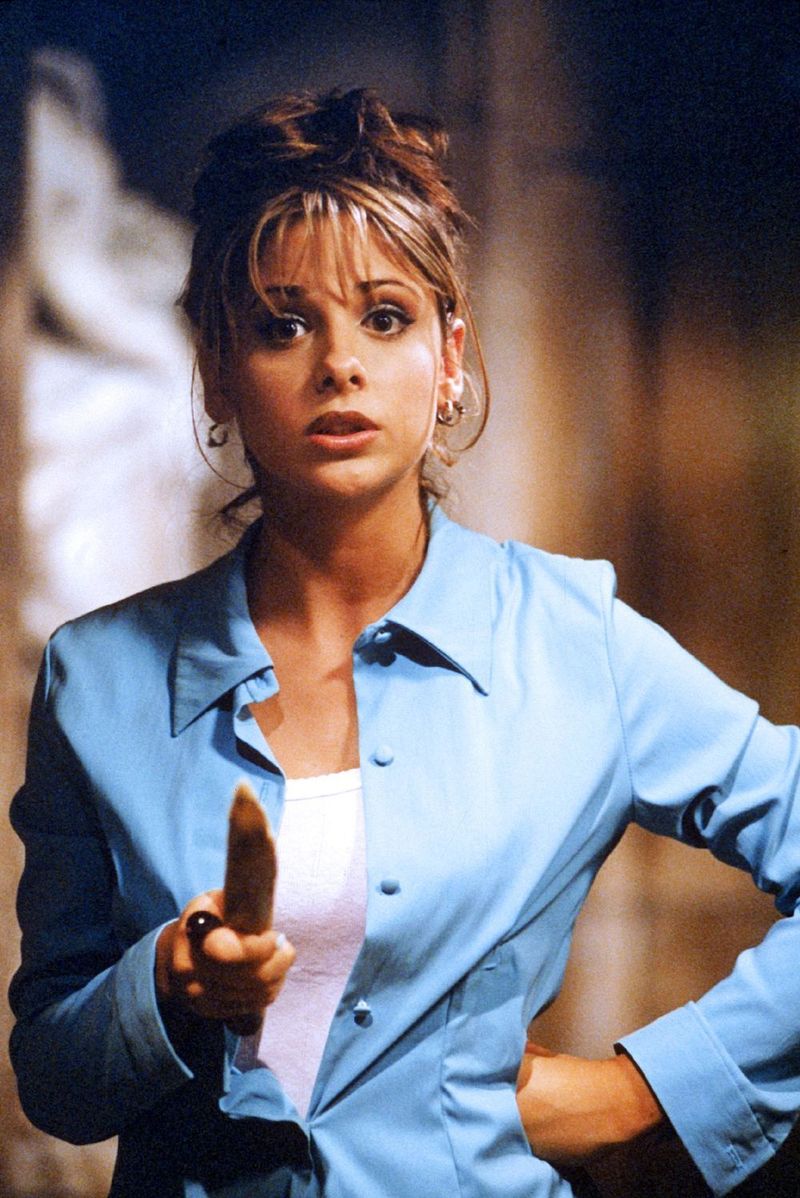
Creator Joss Whedon had one simple idea: take the classic horror-movie girl who always gets killed and make her the hero instead.
That single twist gave the world Buffy Summers — cheerleader, vampire slayer, and one of TV’s most enduring feminist icons.
Buffy balanced homework, heartbreak, and apocalypse-level battles without losing her humor or humanity.
She was vulnerable and powerful at the same time, which felt incredibly real.
Her show proved that a young woman could headline a high-stakes action series and keep audiences hooked for seven seasons.
Countless TV heroines since then owe Buffy a serious debt of gratitude.
4. Belle in Beauty and the Beast (1991)
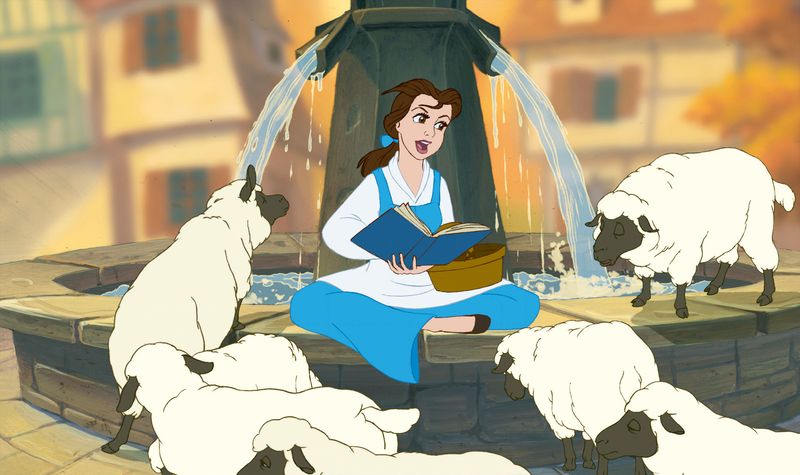
Long before Disney heroines were rewritten for modern audiences, Belle was already different.
While other animated princesses dreamed of princes, Belle dreamed of adventure — and she had a library to prove it.
She pushed back against the village bully Gaston, refused to be defined by her looks, and chose curiosity over comfort.
Her love of reading was not a quirky detail — it was central to who she was.
Belle showed young viewers that a heroine could be defined by her mind as much as her heart.
She expanded what an animated princess could look like, feel like, and stand for.
5. Princess Fiona in Shrek (2001)
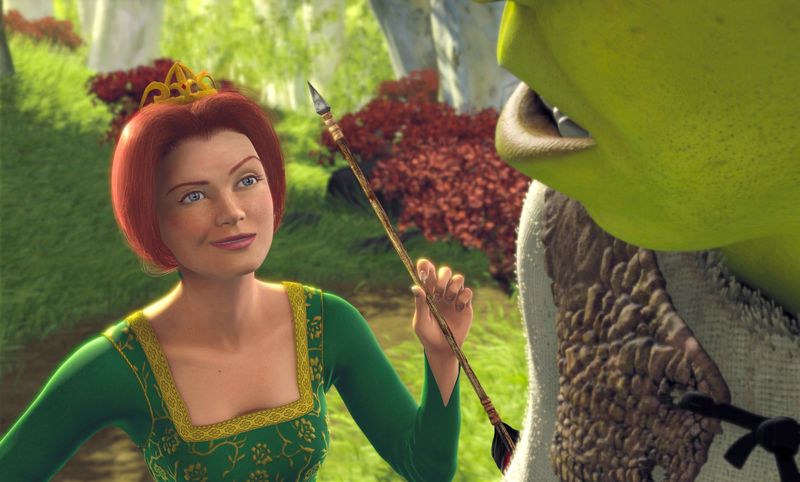
Princess Fiona showed up in Shrek expecting to follow the fairy-tale rulebook — and then cheerfully threw it out the window.
She could fight, she could lead, and she absolutely did not need saving in the way anyone expected.
Her arc challenged the idea that a princess must be delicate, passive, or conventionally beautiful to deserve a happy ending.
Fiona’s ending was messy, unconventional, and completely on her own terms.
Kids watching Shrek absorbed something quietly radical: that real worth has nothing to do with fitting a perfect mold.
Fiona remains one of animation’s most subversive and joyfully confident female characters.
6. Clair Huxtable in The Cosby Show (1984–1992)
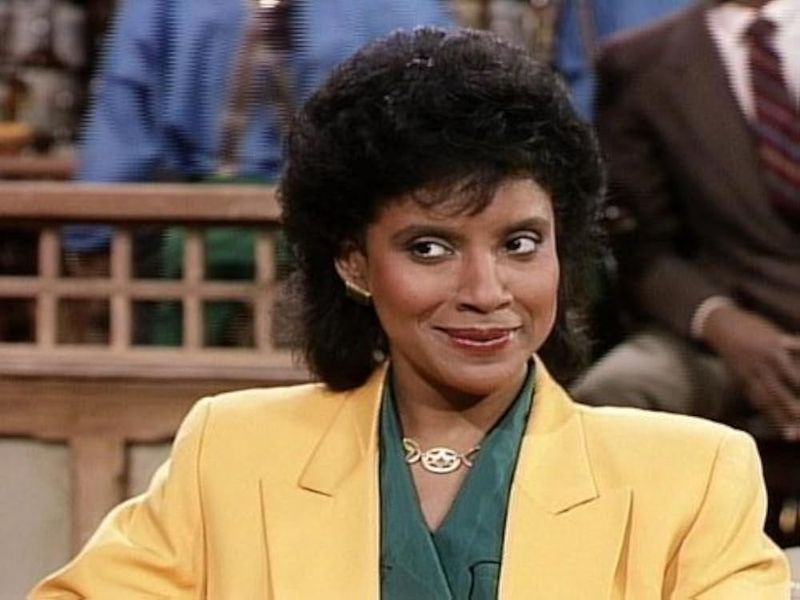
Long before the phrase “representation matters” became a rallying cry, Clair Huxtable was already living it on prime-time television.
She was a practicing attorney, a devoted mother, a sharp wit, and a fully realized human being — all at once, every week.
Phylicia Rashad gave Clair a quiet authority that never needed to raise its voice to command the room.
She was warm but not a pushover, accomplished but never cold.
At a time when Black women on TV were frequently reduced to narrow supporting roles, Clair Huxtable was unapologetically central, successful, and complex.
Her presence on screen normalized something that should never have needed normalizing.
7. Princess Leia in Star Wars (1977–present)
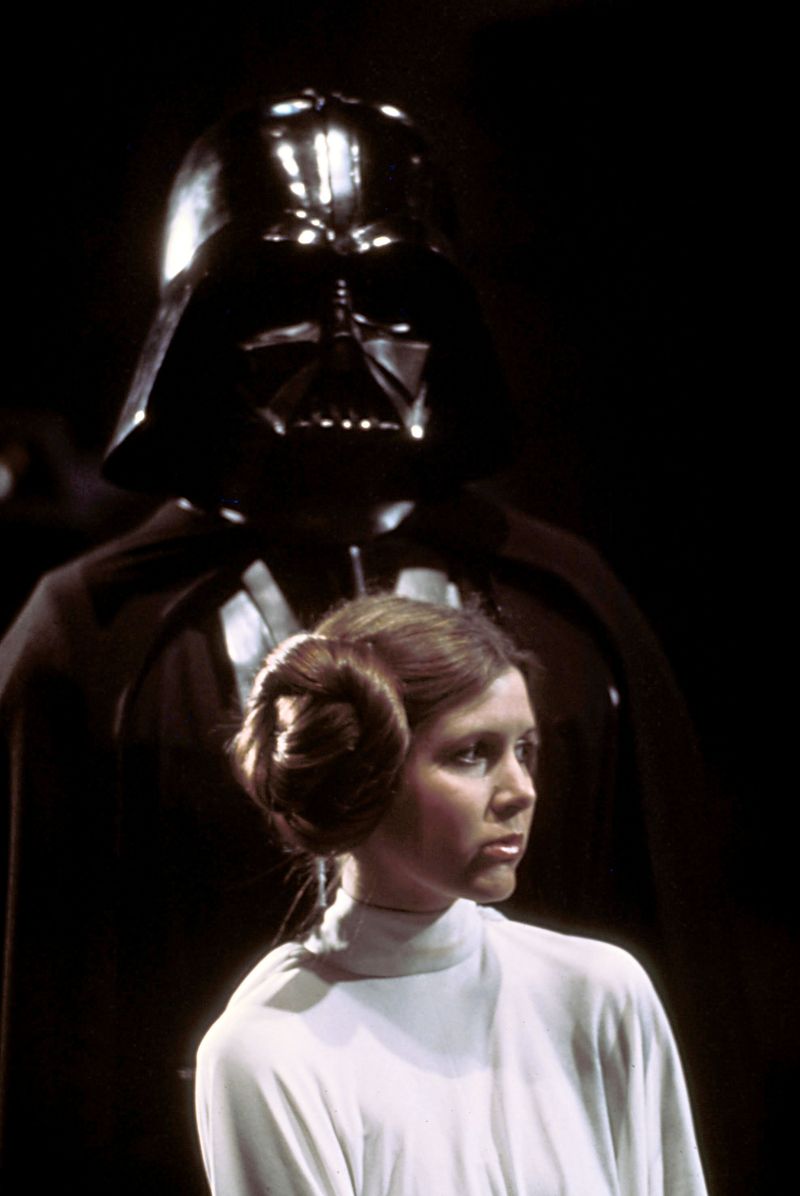
In 1977, most science fiction films kept women safely in the background.
Then Princess Leia walked onscreen and started giving orders.
She was a senator, a military strategist, and one of the Rebel Alliance’s sharpest minds — all before she was even rescued.
Leia did not wait for heroes.
She became one.
She talked back to villains, grabbed blasters from soldiers, and led missions herself.
Her authority was never questioned by the story, which was quietly groundbreaking.
Decades later, she evolved into General Leia — proving that her power only grew with time.
Few characters in film history have carried that kind of lasting, genre-defining weight.
8. Clarice Starling in The Silence of the Lambs (1991)
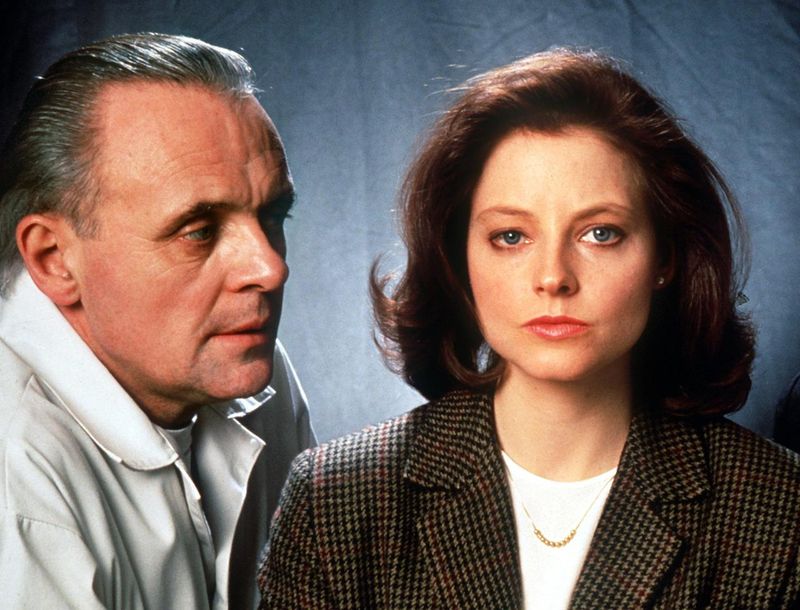
Walking into a maximum-security prison to interview one of the most dangerous minds in the world takes a specific kind of courage.
Clarice Starling had it, even as a trainee who everyone underestimated from the moment she walked through the door.
What made Clarice revolutionary was how the film never reduced her to a victim or a sidekick.
She was the protagonist — flawed, determined, and sharp enough to match wits with Hannibal Lecter himself.
Jodie Foster won an Oscar for the role, and rightfully so.
Clarice remains one of cinema’s most carefully drawn female heroes — tough without being cold, vulnerable without being weak.
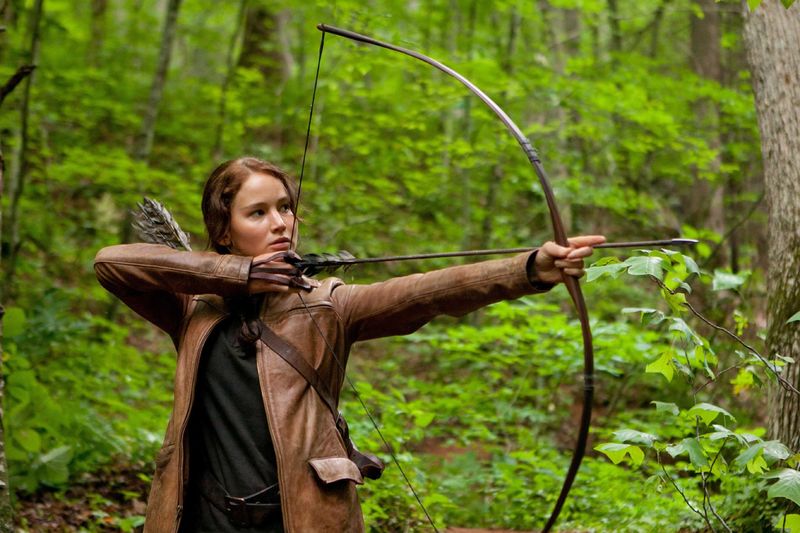
9. Katniss Everdeen in The Hunger Games (2012–2015)
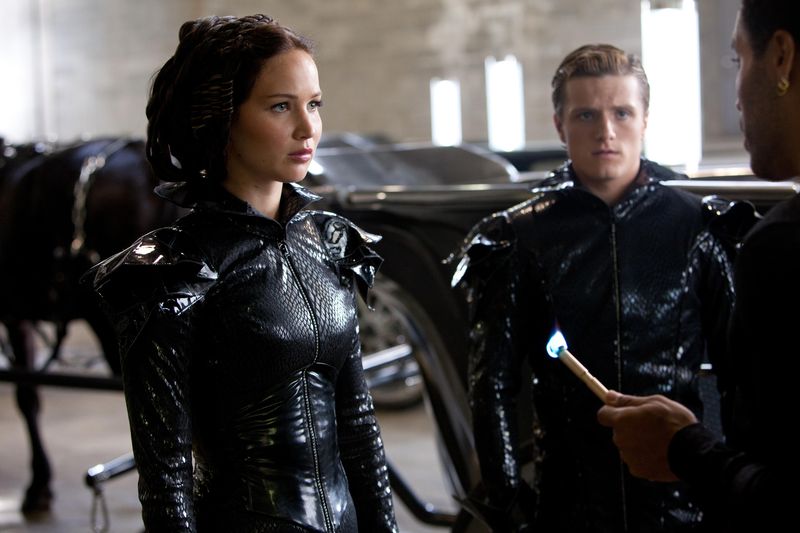
Katniss Everdeen did not want to be a symbol.
She just wanted to protect her sister.
But the world had other plans, and what followed was one of the most compelling portraits of reluctant heroism in modern storytelling.
She was not motivated by glory or destiny — she was motivated by love, survival, and a burning sense of justice.
That grounded her in a way that made her feel genuinely real to millions of fans.
Jennifer Lawrence brought an earthy authenticity to the role that matched the character perfectly.
Katniss became a global icon of resistance, proving that a quiet girl with a bow could change everything.
10. Elle Woods in Legally Blonde (2001)
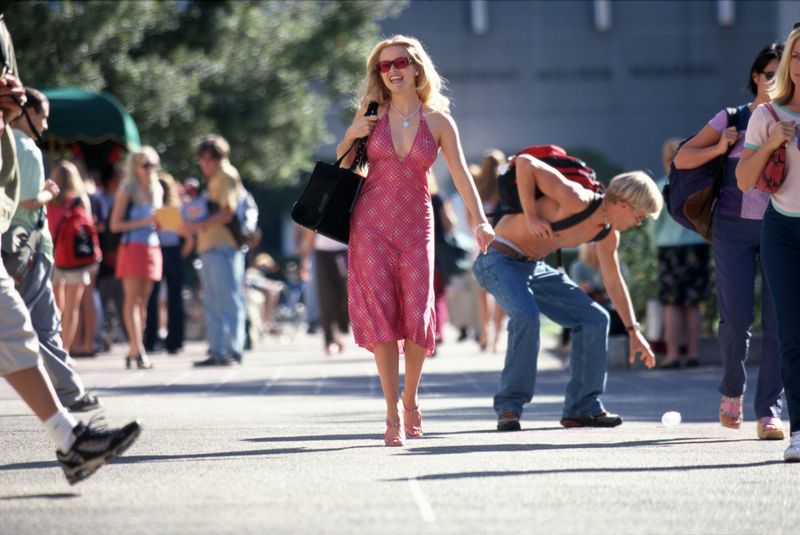
Everyone in the movie expected Elle Woods to fail — and that expectation was exactly the point.
She walked into Harvard Law School wearing pink and carrying a chihuahua, and then she quietly outworked almost everyone there.
What made Elle’s story so satisfying was that she did not have to change who she was to succeed.
She stayed warm, funny, and unapologetically herself while building a razor-sharp legal mind.
Reese Witherspoon gave the character a genuine spark that made her impossible to dismiss.
Elle proved that underestimating someone based on how they look or dress is always a mistake — sometimes a very expensive one.
11. Leslie Knope in Parks and Recreation (2009–2020)
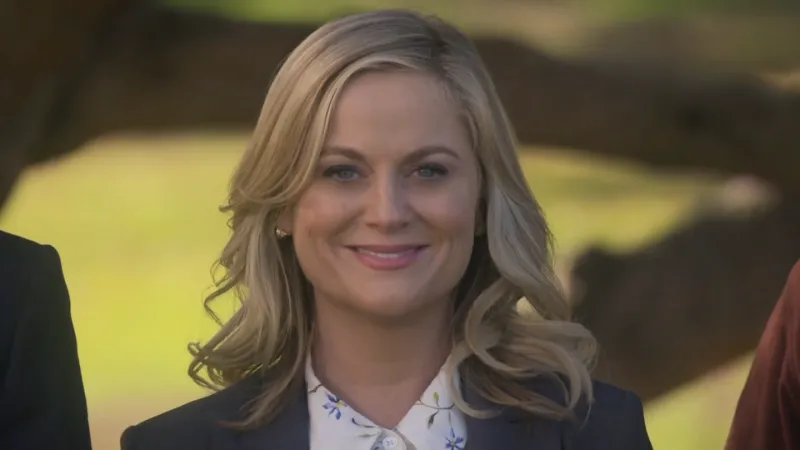
Leslie Knope cared deeply about her job in a way that was almost radical for television comedy.
Most workplace sitcoms found humor in incompetence or cynicism — Leslie found it in genuine passion, and somehow that was even funnier.
She was ambitious, organized to the point of obsession, and relentlessly optimistic even when the world around her was not.
Her belief that government could actually help people never wavered.
Amy Poehler played her with such warmth that audiences could not help but root for her.
Leslie Knope remains one of TV’s most fully realized celebrations of female ambition, friendship, and community-driven purpose.
12. Jo March in Little Women (2019)
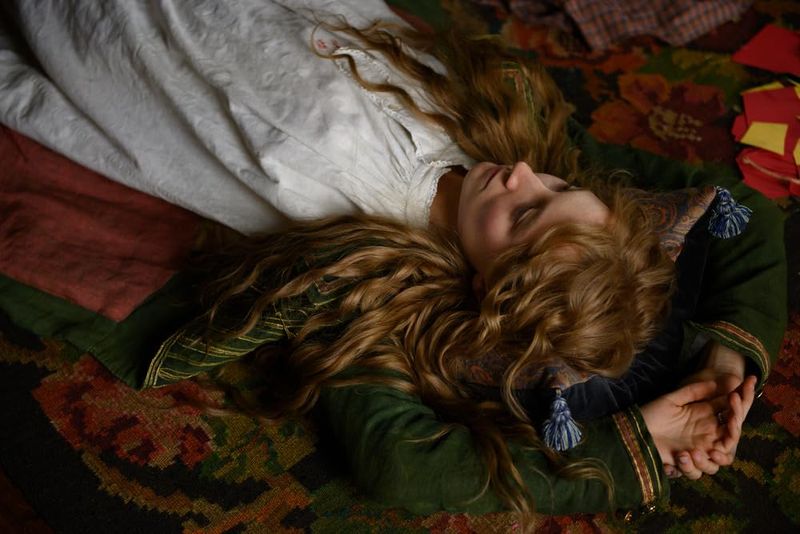
Jo March has been inspiring readers since Louisa May Alcott first put her on the page in 1868.
But Greta Gerwig’s 2019 film gave her a new urgency — a version of Jo who wrestled openly with what it meant to be a woman who wanted a career more than a conventional life.
She wrote furiously, argued passionately, and refused every easy path offered to her.
Her frustration felt modern even in its 19th-century setting.
Saoirse Ronan’s performance made Jo’s inner fire completely visible.
Watching her fight for her voice as a writer still resonates powerfully with anyone who has ever been told their ambitions are too big.
13. Xena in Xena: Warrior Princess (1995–2001)
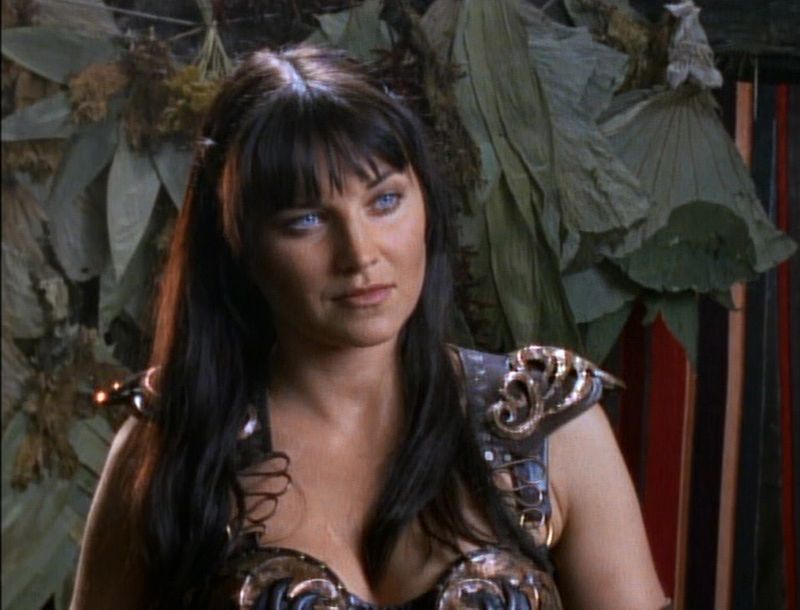
Xena arrived on television screens in the mid-nineties like a thunderclap.
She was physically powerful, morally complex, and completely in charge of her own destiny — qualities that were still surprisingly rare for a female TV lead at the time.
Lucy Lawless played her with a magnetic intensity that made every episode feel like an event.
Xena was not just fighting monsters — she was fighting her own dark past and choosing, every episode, to be better.
Her influence spread far beyond the show itself.
Xena helped open the door for the wave of female action heroes who followed in both television and film throughout the late nineties and beyond.
14. Furiosa in Mad Max: Fury Road (2015)
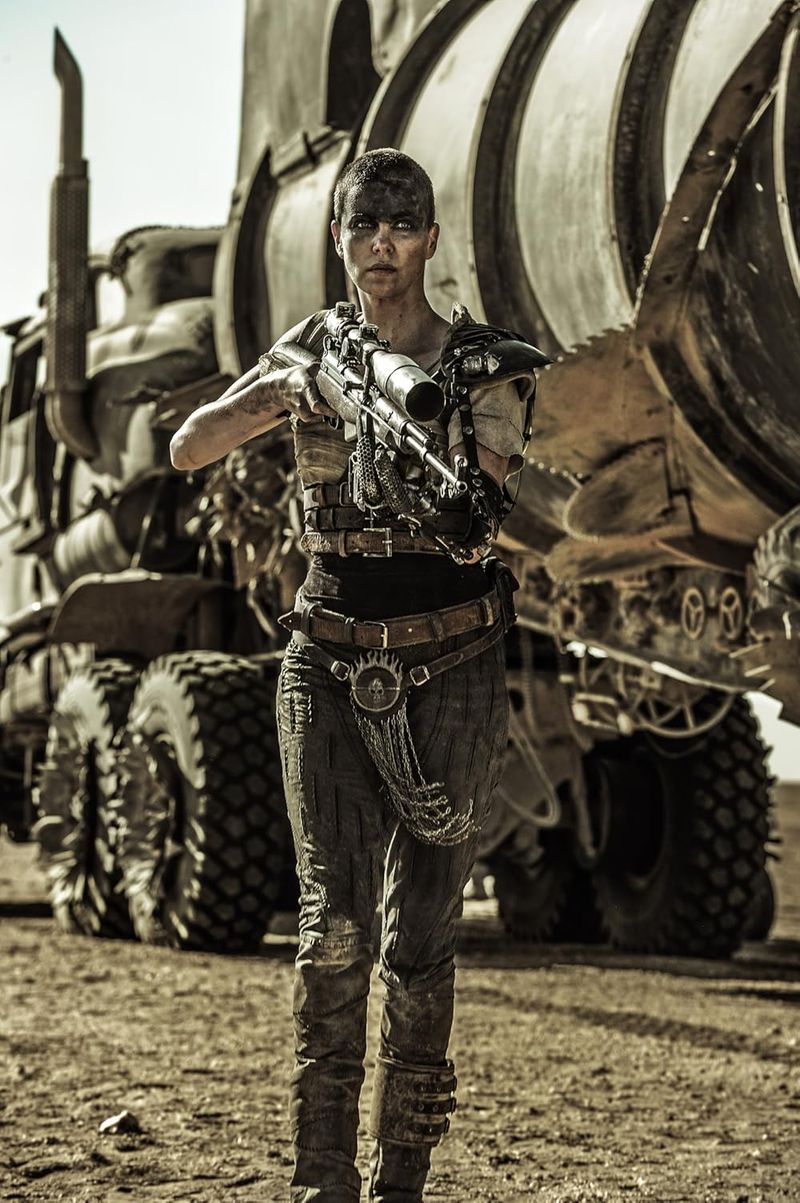
Mad Max: Fury Road had Max in the title — but everyone knew whose movie it really was.
Furiosa drove the story forward literally and figuratively, leading a desperate escape through a brutal wasteland with single-minded purpose.
Charlize Theron built the character almost entirely through physical performance and fierce stillness.
Furiosa spoke little, but every movement communicated years of survival, loss, and unbreakable will.
Critics and audiences recognized immediately that something new had happened in action cinema.
Furiosa was not the hero’s reward or his partner — she was the mission.
Her impact on how action films portray women has been felt ever since.
15. Jane Villanueva in Jane the Virgin (2014–2019)
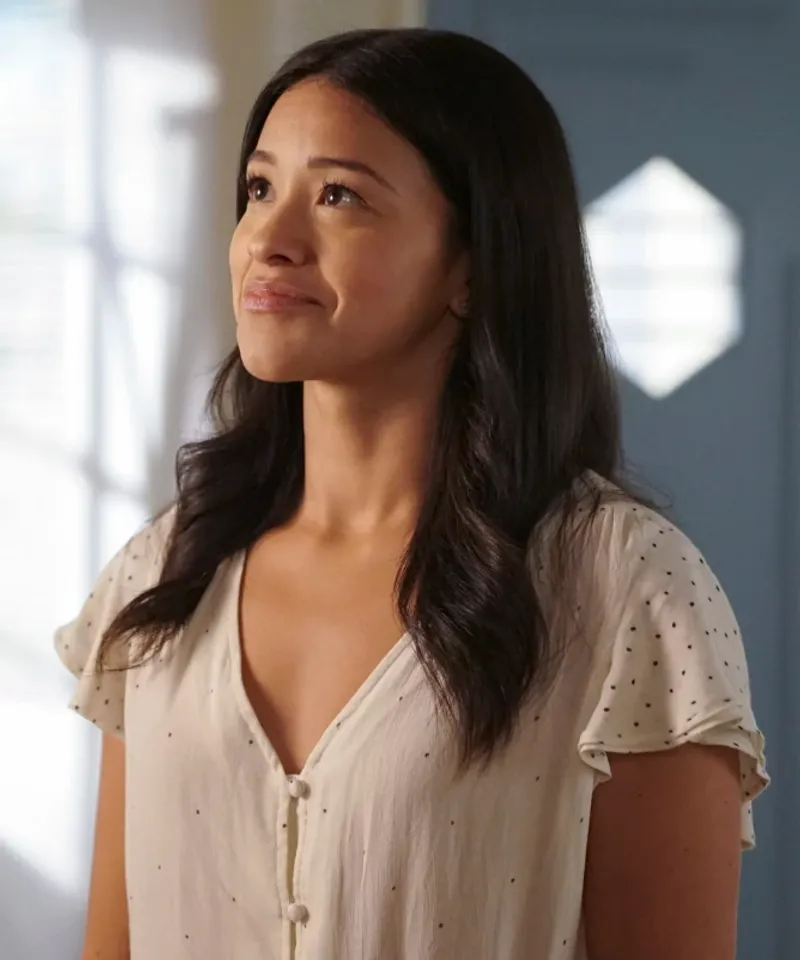
Jane the Virgin was built around a premise that could have been played entirely for laughs — a young woman accidentally artificially inseminated — but the show used it to tell something far richer.
Jane was layered, ambitious, funny, and deeply human.
She navigated motherhood, romance, a writing career, and a complicated multigenerational family without ever feeling like a stereotype.
Her Latina identity was central to her story, not a footnote or a punchline.
Gina Rodriguez brought enormous warmth and comedic timing to the role.
Jane Villanueva proved that complex, joyful, fully realized Latina women deserve to be at the center of their own stories.
Comments
Loading…