
 Jade Reed
13 TV Shows That Would Never Make It on Air Today
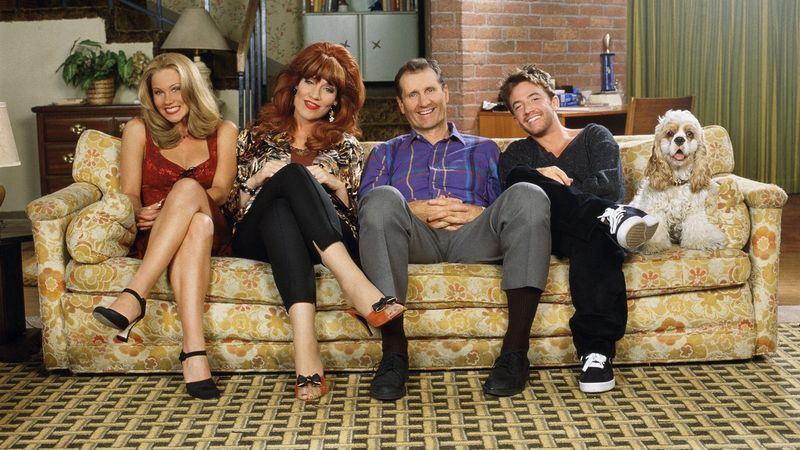
Television has changed a lot over the decades, and not every show from the past would survive in today’s world.
Some old favorites pushed boundaries in ways that felt bold at the time but would spark serious backlash now.
From offensive humor to dangerous stunts, these shows reflect a very different era of broadcasting.
Looking back at them tells us a lot about how far our cultural standards have come.
1. All in the Family (1971–1979)
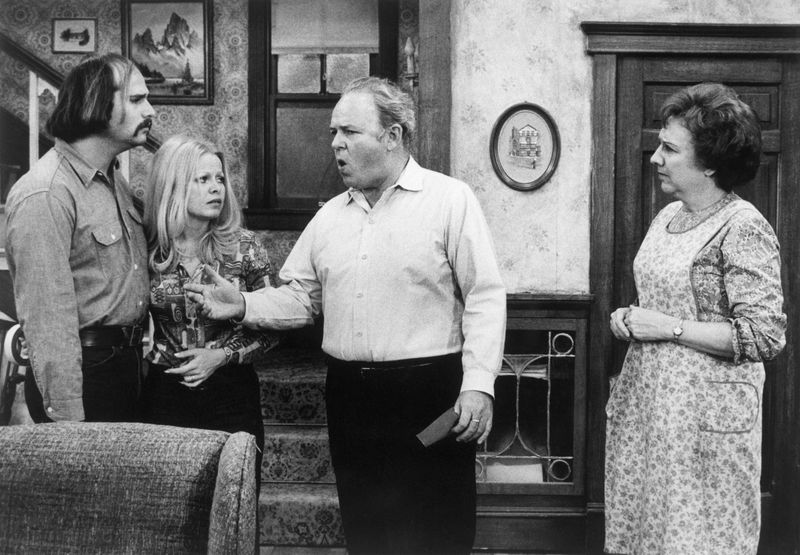
Few shows stirred the pot quite like this one.
Archie Bunker became one of TV’s most iconic characters, but his constant stream of racial slurs, sexist remarks, and bigoted opinions were meant to expose prejudice through satire.
The problem?
Many viewers laughed with him instead of at him.
Creator Norman Lear wanted to challenge social norms, and in the 1970s, that approach earned massive ratings.
Today, however, network executives would almost certainly pump the brakes before a single episode aired.
The show’s shock-value humor built on stereotypes would ignite fierce public debate and likely never survive a modern pitch meeting.
2. Married… with Children (1987–1997)
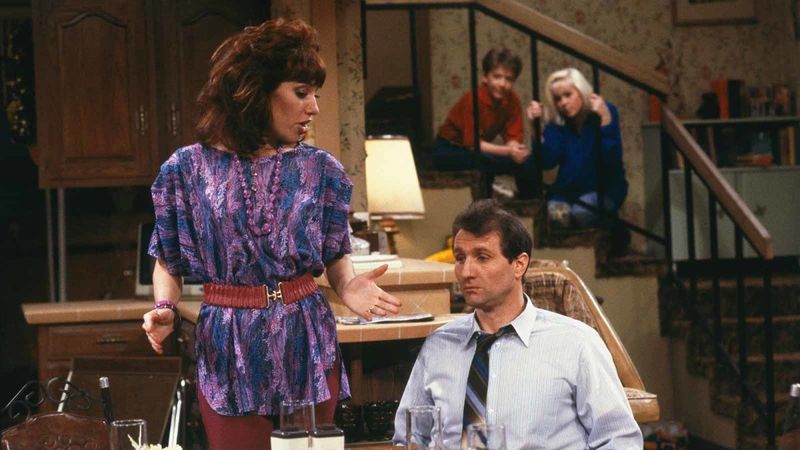
Back when Fox was the rebellious new kid on the broadcast block, this show was its crown jewel of dysfunction.
Al Bundy groaned about his wife, mocked his neighbors, and wallowed in misery in ways audiences found hilarious.
It was unapologetically crude, and that was kind of the point.
Peg’s frequent objectification and the show’s casual sexism defined a certain flavor of ’90s rebellion.
Audiences today would likely push back hard against the humor’s reliance on putting women down for laughs.
What once felt edgy now reads as a cultural artifact of a less accountable era in entertainment.
3. The Man Show (1999–2004)
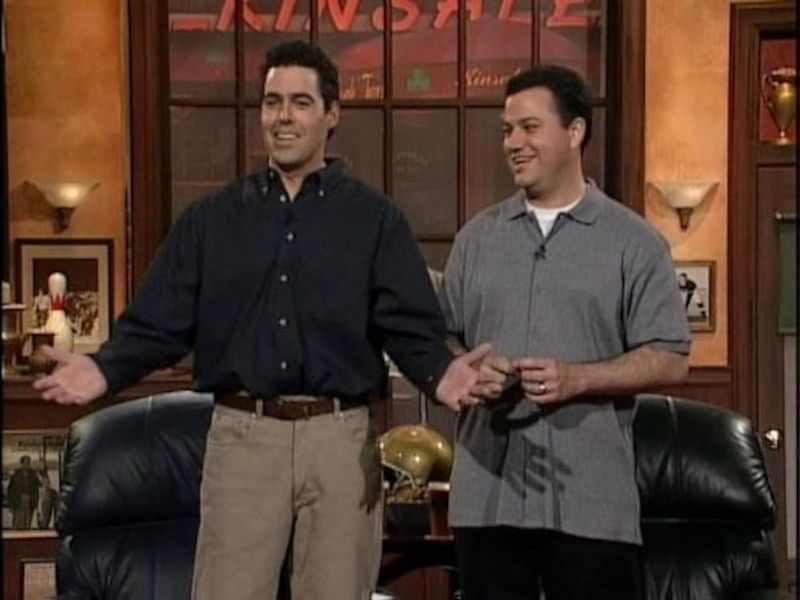
Jimmy Kimmel and Adam Carolla built an entire show around the idea that men just want to drink beer, ogle women, and avoid responsibility.
Segments like “Juggies” featured women jumping on trampolines, and the humor leaned heavily on exaggerated masculinity as a badge of honor.
At the time, it found a loyal audience among viewers who saw it as a comedic safe space from political correctness.
Today, both networks and streaming platforms would likely pass without hesitation.
The show’s brand of sexist comedy feels wildly out of step with current conversations about respect, representation, and workplace culture on screen.
4. Jersey Shore (2009–2012)
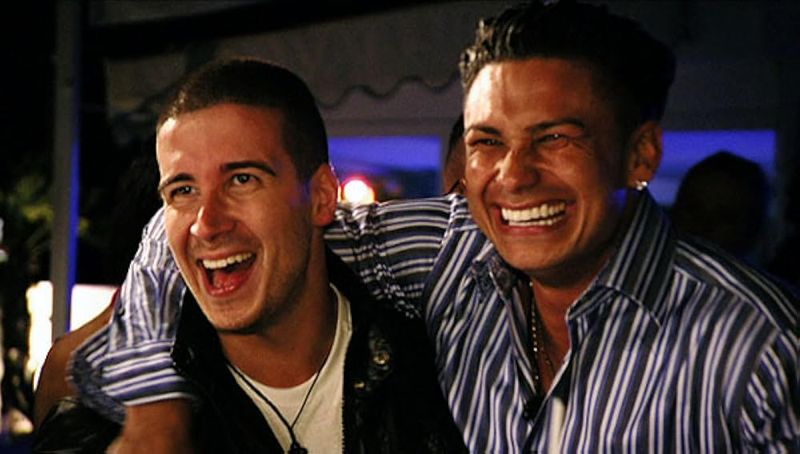
GTL — gym, tan, laundry — became a cultural catchphrase, but beneath the spray tans and fist pumps was a show that glamorized heavy drinking, volatile relationships, and reckless behavior.
MTV served it all up as must-watch entertainment, and millions tuned in every week.
Looking back, many critics argue the show stereotyped Italian-American culture in harmful ways and normalized behavior that could be genuinely dangerous.
Today, producers would face intense scrutiny and public pressure over the messaging.
Audiences have grown far more aware of how reality TV can exploit its cast and mislead viewers about what’s actually entertaining versus harmful.
5. South Park Early Seasons
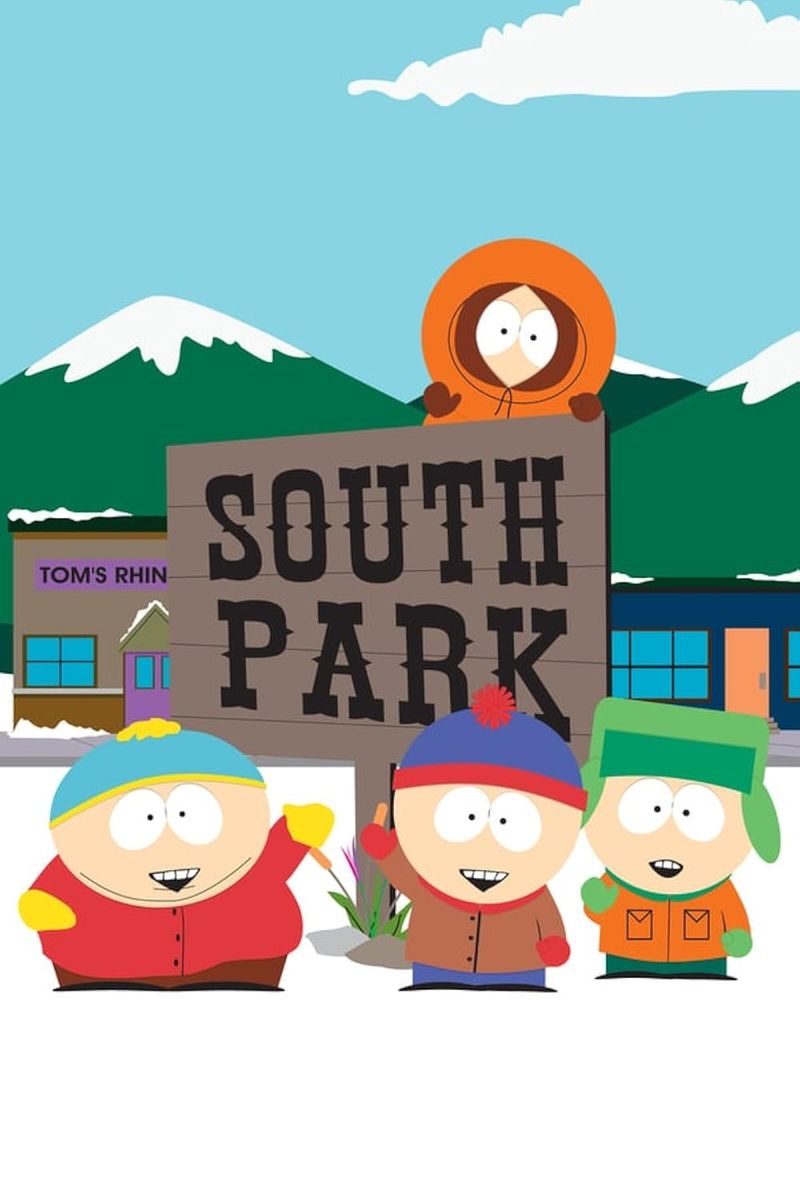
South Park is still on the air, which makes it a special case.
But scroll back to the early seasons and you will find episodes so aggressively offensive that even the show’s creators have distanced themselves from certain content.
The show targeted virtually every group imaginable with no filter whatsoever.
Trey Parker and Matt Stone built their reputation on saying the unsayable, and early episodes crossed lines that even shock comedy fans sometimes found uncomfortable.
Today’s media landscape, shaped by social media outrage cycles and advertiser pullouts, would make those early episodes nearly impossible to air without serious consequences.
The show survives now largely because of its long-established legacy status.
6. Fear Factor (2001–2006)
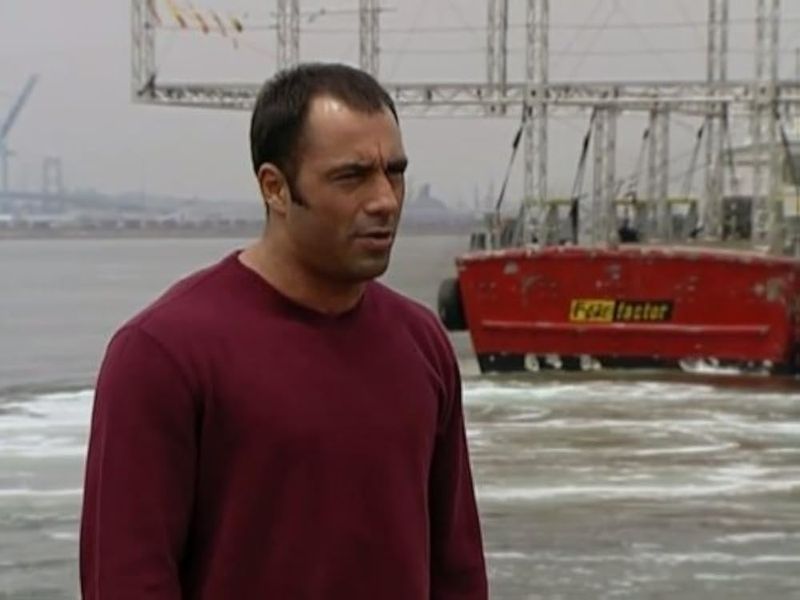
Eating live bugs, being submerged in tanks of snakes, dangling from helicopters — Fear Factor made ordinary people do truly terrifying things for cash prizes.
Host Joe Rogan delivered each challenge with a straight face while contestants pushed the limits of what humans willingly do on television.
Today’s legal and liability landscape would make most of those stunts nearly impossible to approve.
Networks face far stricter safety regulations, and insurance companies would run screaming from the liability risks involved.
Beyond the legal hurdles, modern audiences have also grown more sensitive to content that puts real people in genuine physical danger purely for entertainment value.
7. Jackass (2000–2002)
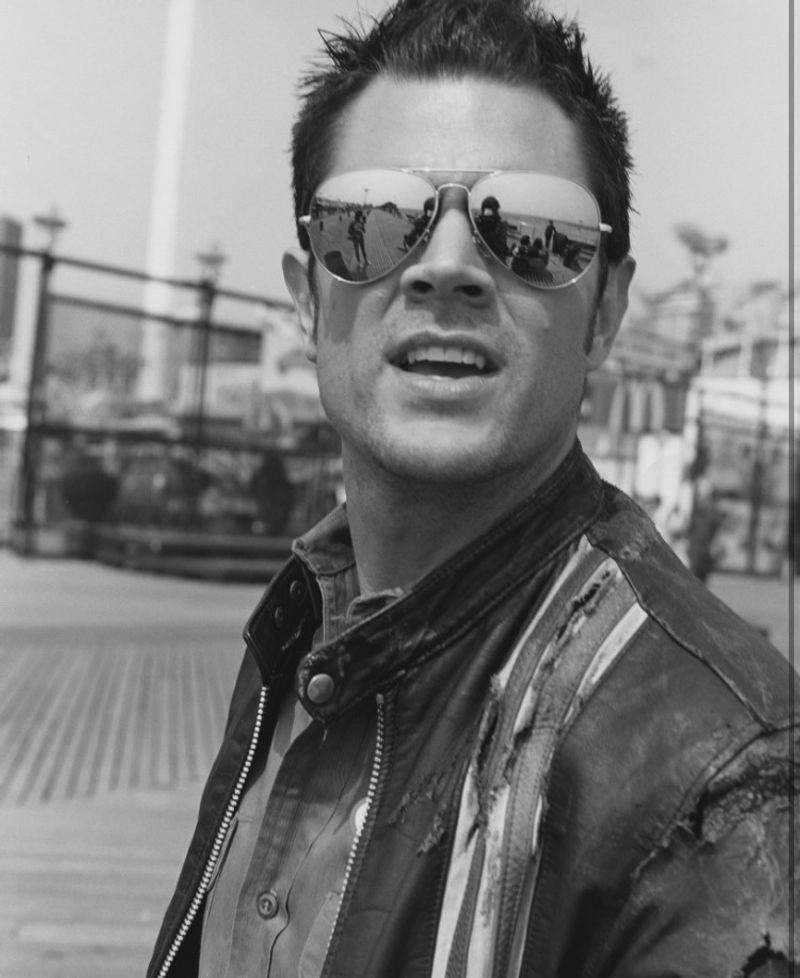
Johnny Knoxville and his crew turned self-inflicted pain into an art form.
Skateboard crashes, backyard wrestling, and pranks that ended in someone getting hurt were all just part of the show’s wild charm.
It was chaotic, stupid, and absolutely riveting to watch as a teenager.
Modern broadcast standards have tightened considerably since the early 2000s.
MTV faced enormous pressure even back then, with disclaimers warning kids not to try stunts at home.
Today, a show built entirely around dangerous self-harm would almost certainly be blocked before reaching air.
Streaming platforms might be slightly more flexible, but even they have clear content guidelines around physical harm.
8. Little Britain (2003–2006)
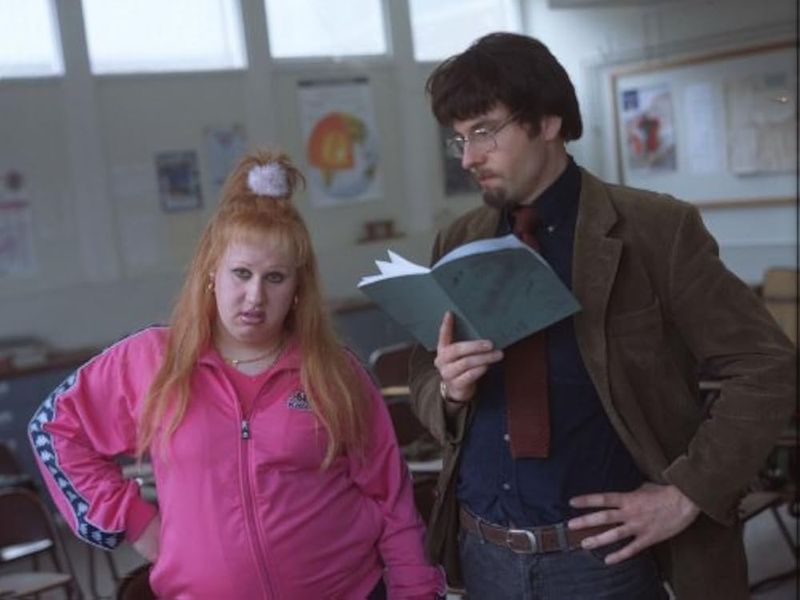
Matt Lucas and David Walliams created a wildly popular sketch comedy series that became a cultural phenomenon in the UK and beyond.
Characters like Daffyd Thomas and Lou and Andy were beloved by millions.
But the show’s reliance on caricatures of disabled people, transgender individuals, and racial minorities has aged terribly.
Both Lucas and Walliams have since publicly apologized for elements of the show they now recognize as harmful.
Netflix and BBC removed episodes from their platforms in 2020.
That kind of self-reckoning signals just how much cultural standards have shifted.
A new version pitched today would face an entirely different set of expectations from writers’ rooms to network approval.
9. The Apprentice (2004–2017)
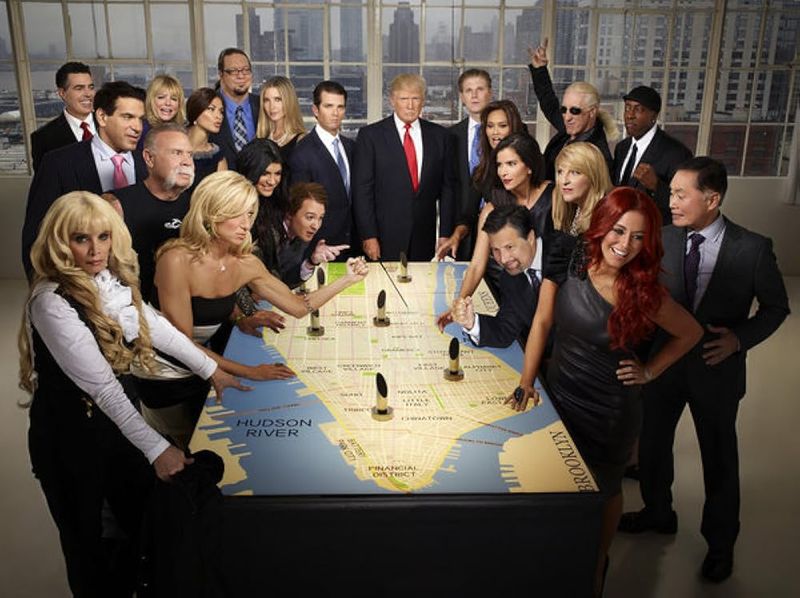
Donald Trump presided over a boardroom where contestants competed for a business opportunity, and the drama was carefully engineered for maximum tension and humiliation.
“You’re fired!” became one of the most recognizable phrases in reality TV history.
Watching someone get publicly torn apart was the whole appeal.
Workplace culture has shifted dramatically since the show’s peak years.
Toxic boss behavior that was once played as powerful leadership now reads as a textbook example of what HR departments warn against.
Add in the political baggage surrounding Trump’s later career, and it becomes nearly impossible to imagine a fresh version of this show getting a green light in today’s environment.
10. The Swan (2004)
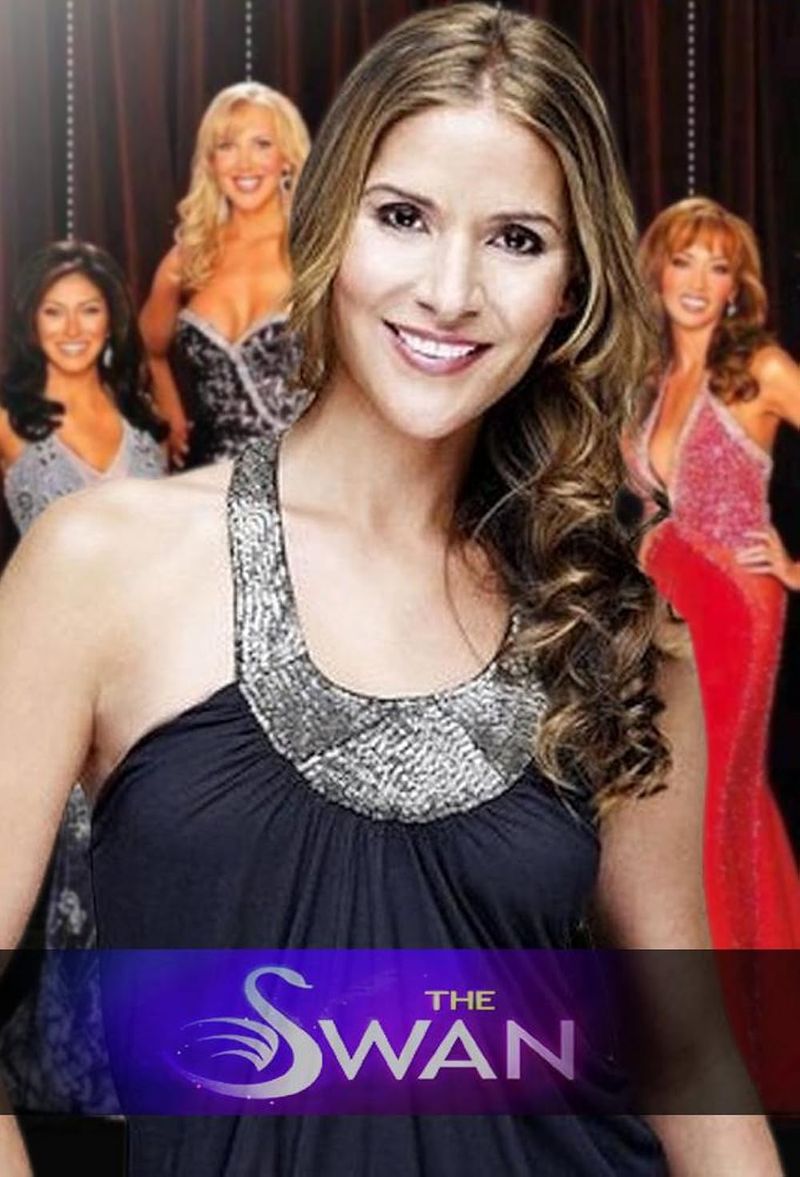
Imagine a show where women deemed not attractive enough were put through months of extreme plastic surgery, dental work, and fitness training, then judged in a beauty pageant at the end.
That was The Swan, and it aired on Fox to surprisingly strong ratings in 2004.
Body image experts and mental health advocates criticized the show intensely even at the time.
Today, in a media environment actively working to promote body positivity and challenge unrealistic beauty standards, this concept would be dead on arrival.
The premise essentially told contestants their natural appearance was a problem that needed surgical correction, which is a message no responsible network would greenlight now.
11. Baywatch (1989–2001)
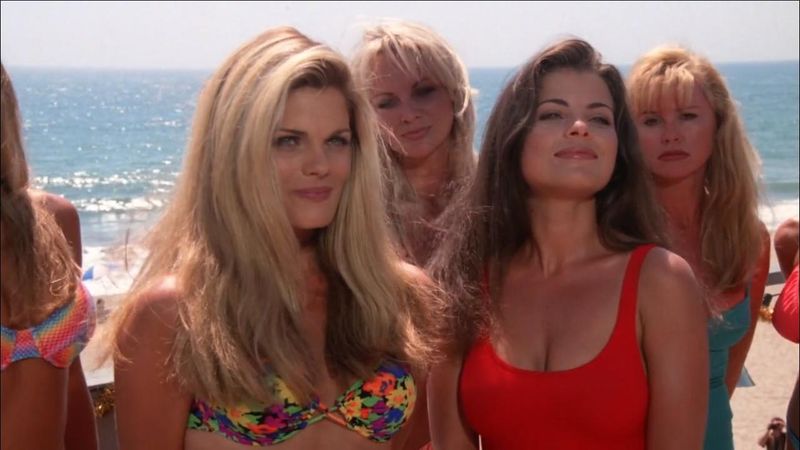
Slow-motion beach runs in red swimsuits made Baywatch one of the most-watched TV shows on the planet during its peak years.
The show was exported to over 140 countries and made household names out of Pamela Anderson and David Hasselhoff.
But let’s be honest — the plots were thin and the camera work was anything but subtle.
The series leaned hard into the physical appearance of its cast, particularly its female stars, in ways that would raise serious red flags today.
Modern audiences expect more from their beach dramas.
A reboot would need to completely rethink its relationship with objectification to stand any chance of earning critical respect or broad viewership.
12. Tosh.0 (2009–2020)
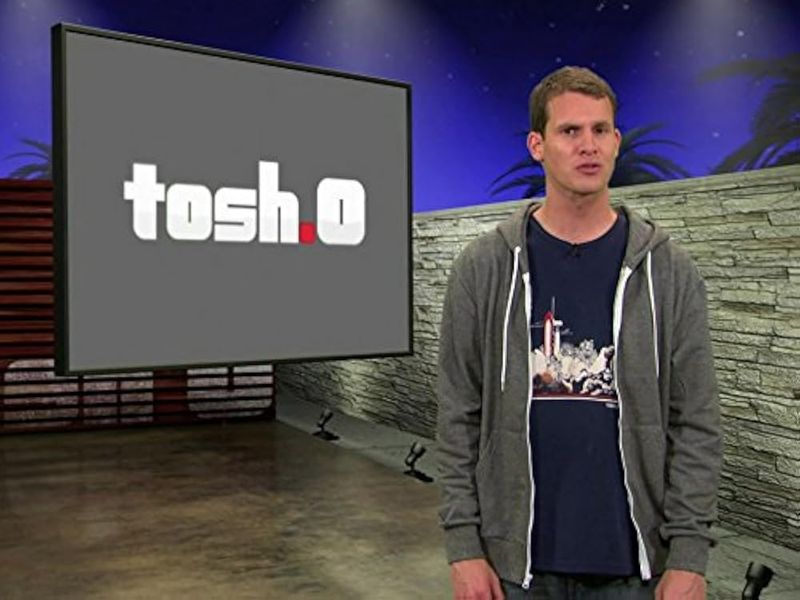
Daniel Tosh built a Comedy Central franchise around reacting to viral internet clips, often at the expense of the people in them.
The humor was deliberately edgy, targeting everything from race to disability to gender with a smirking confidence that dared audiences to be offended.
For years it worked, but the cultural mood shifted noticeably around the show’s later seasons.
Jokes that once seemed provocatively funny started feeling mean-spirited and punching down.
Today’s audiences and advertisers are far less tolerant of humor that mocks real people without their consent.
A show built on that foundation would face serious scrutiny from the very first episode pitch to network executives.
13. It Ain’t Half Hot Mum (1974–1981)
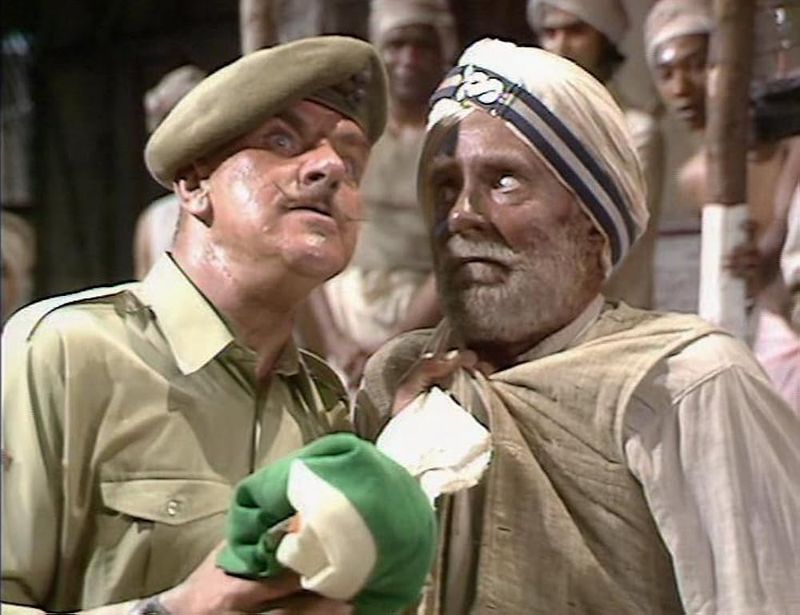
This beloved BBC sitcom followed a British Royal Artillery concert party stationed in India during World War II.
It was hugely popular in its time, regularly pulling in audiences of over 15 million viewers.
But revisiting it today is a genuinely uncomfortable experience for many viewers.
White actors performed in brownface to portray Indian characters, and the show leaned on imperialist attitudes that treated colonial subjects as comic props.
Racial caricatures were played entirely for laughs without any critical framing.
By modern broadcast standards, this would not survive a single script review.
The BBC has largely moved away from re-airing the series, and for good reason.
Comments
Loading…