
 Isabel Parker
12 Surprisingly Normal Things Teens Used to Do on Weekends That Feel Wild Today

Before smartphones took over, weekends looked completely different for teenagers.
Kids roamed freely, made plans on the fly, and somehow survived without GPS, group chats, or constant connectivity.
What felt totally normal back then would probably give today’s parents a mini heart attack.
Looking back at how teens spent their free time is equal parts hilarious and eye-opening.
1. Show Up at Someone’s House Unannounced

Picture this: you finish lunch, grab your sneakers, and just walk over to your friend’s house — no text, no heads-up, no nothing.
Back in the day, that was completely normal.
Nobody called it rude or invasive; it was just how plans got started.
If your friend wasn’t home, you shrugged and tried the next house.
There was something refreshingly low-pressure about it.
No awkward “are you busy?” texts, no waiting for a reply that never came.
Showing up unannounced meant you were always open to whatever the day brought.
Spontaneity wasn’t a personality trait — it was the default setting.
2. Leave the House for Hours Without Being Reachable

Whole afternoons would disappear, and parents just… waited.
Teens could leave after breakfast and not return until dinner with zero check-ins in between.
No location sharing, no “just letting you know I’m alive” texts — nothing.
Somehow, everyone survived.
Parents trusted that kids were okay, and kids trusted themselves to handle whatever came up.
It built a quiet kind of confidence that’s hard to replicate today.
Being unreachable for hours wasn’t considered irresponsible — it was just Tuesday.
Or Saturday, more accurately.
The freedom of being completely off the grid, even briefly, felt completely ordinary back then.
3. Memorize Every Important Phone Number by Heart

Your best friend’s number, your grandma’s number, the pizza place — all of it lived rent-free in your brain.
There was no contact list to scroll through, so you either knew the number or you didn’t call.
Simple as that.
Forgetting a number could genuinely mean losing touch with someone for weeks.
That sounds dramatic now, but it was just reality.
Memory did the heavy lifting that smartphones do today.
Interestingly, studies suggest that memorizing information actually strengthens focus and mental recall.
Teens back then were basically doing casual brain training every time they punched in a seven-digit number from memory.
4. Spend Entire Afternoons at the Mall

The mall was basically a second home on weekends.
Teens didn’t always go to buy something — they went to be seen, walk laps, and exist in the same general space as other humans their age.
The food court was a social throne room.
You could spend three hours there and spend less than five dollars.
A slice of pizza and a soda from the food court was basically a full afternoon’s entertainment budget.
Nobody needed more than that.
Bumping into people you knew felt exciting rather than exhausting.
The mall had energy, and teenagers fed off every bit of it.
5. Make Plans Without Any Digital Proof They Happened
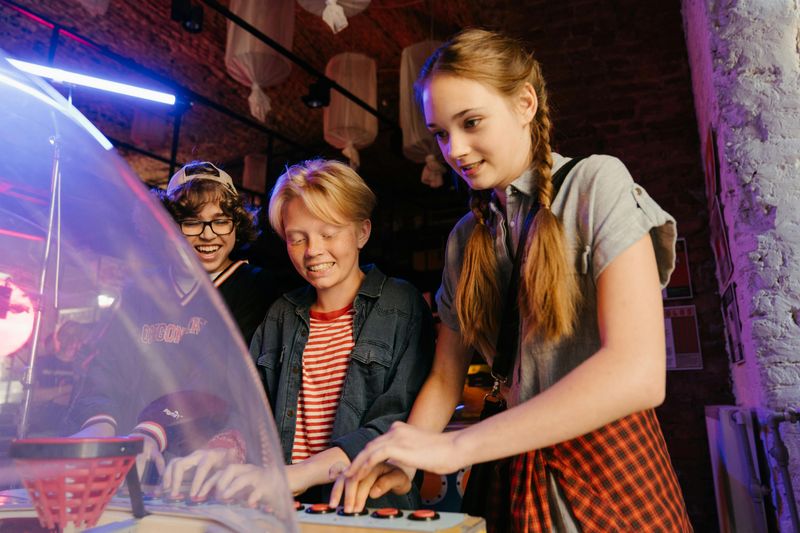
Weekends used to exist only in memory.
You’d hang out, laugh until your stomach hurt, and go home with nothing to show for it except a great mood.
No photos, no posts, no stories — just the experience itself.
Back then, if you weren’t there, you just heard about it Monday at school.
There was something almost sacred about moments that weren’t performed for an audience.
The fun was purely for the people in the room.
Today, an undocumented hangout almost feels like it didn’t happen.
But those unrecorded memories?
Often the ones people describe most vividly, because they were living them instead of filming them.
6. Wait by the House Phone for an Important Call

Waiting for a call used to be a full-body experience.
You’d hover near the landline, silently begging your little sibling not to pick it up and say something embarrassing.
Every ring sent your heart rate through the roof.
There was no caller ID on most home phones early on, so you’d answer with your fingers crossed.
And if someone called while the line was busy?
They just got a busy signal and tried again later.
No voicemail, no callback notification.
That kind of anticipation built real emotional investment in conversations.
You weren’t multitasking — you were fully committed to the moment someone might call.
7. Get Lost While Driving and Figure It Out Alone
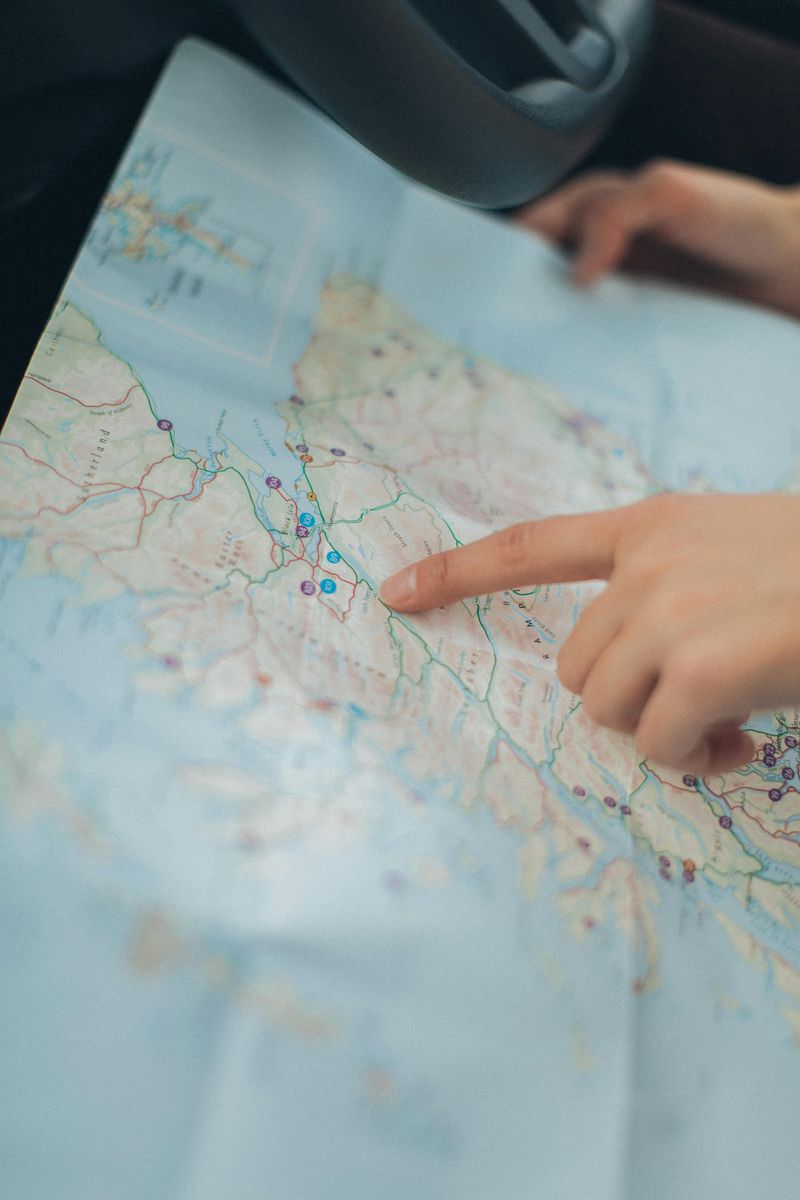
Getting lost was just part of the deal when you were learning to drive.
No robotic GPS voice rerouting you every 30 seconds — just a paper map, your gut instinct, and hopefully a street sign that made sense.
Sometimes you figured it out fast.
Sometimes you drove around for 40 minutes before admitting you had absolutely no idea where you were.
Either way, you eventually got home, and the story became legendary at school.
Problem-solving on the fly built real navigational confidence.
Reading a map, tracking landmarks, asking a stranger for directions — those were actual life skills that GPS has quietly made almost extinct.
8. Cruise Around Town With No Destination in Mind

“Wanna just drive around?” was a complete and totally acceptable weekend plan.
No destination, no agenda, just the open road and whatever came through the radio.
It sounds almost poetic now — because it kind of was.
Cruising wasn’t about going anywhere specific.
It was about the feeling of movement, freedom, and being together.
A full tank of gas and a good playlist (or mix tape) was all you needed for a genuinely great night.
There’s a reason so many nostalgic movies show teens cruising.
It captured something real — the pure, unscheduled joy of being young with nowhere you had to be and no one tracking where you went.
9. Hang Out Doing Absolutely Nothing Together

Boredom used to be a group activity.
You’d end up at someone’s house, flop onto the couch or the floor, and just… exist together.
No plans, no entertainment queued up — just the comfortable hum of shared nothingness.
Somehow, those afternoons always turned into something.
A weird conversation, a spontaneous walk, a prank call to someone from school.
The unstructured time created its own momentum without any help from an algorithm.
Researchers now suggest that boredom actually sparks creativity.
Teens back then were accidentally doing something brilliant — giving their brains room to wander, wonder, and occasionally come up with the best ideas of their young lives.
10. Argue Face-to-Face and Move On Fast

Fights happened, but they didn’t follow you home and multiply online.
When two teens had a disagreement, it happened out loud, in person, and usually wrapped up before the end of the afternoon.
No screenshots.
No subtweeting.
No group chat jury.
Looking someone in the eye while working through a conflict is actually incredibly effective.
You read their body language, hear their tone, and respond in real time.
The feedback loop is immediate and human.
Compare that to a text argument that can drag on for days, fueled by misread tone and forwarded messages.
Face-to-face resolution wasn’t just faster — it was genuinely healthier for everyone involved.
11. Feel Invisible in the Best Possible Way

Weekends used to offer something rare: the chance to completely disappear.
Not in a scary way — in a glorious, pressure-free way.
No one was tagging you, tracking your location, or waiting for you to post proof you were having fun.
You could be fully present in your own life without it being documented for public review.
Messing up your hair, wearing the wrong outfit, laughing at something dumb — none of it was captured or judged beyond the moment.
That kind of invisibility was actually a gift.
It gave teens permission to be imperfect, experimental, and real without worrying about how it would look to an audience of hundreds.
12. Leave the House Without a Phone at All

Walking out the door with just your keys and your confidence was the standard move.
No phone to charge, no notifications to check, no anxiety about battery percentage.
You were just… out there, living your life in full offline mode.
Being unreachable wasn’t a problem to solve — it was the whole point.
You dealt with things as they came, made decisions on your own, and trusted yourself to handle the afternoon without a digital safety net.
That kind of independence quietly built resilience.
Teens learned to navigate the world using instincts and resourcefulness rather than instant answers.
Honestly?
It sounds less wild and more like something worth bringing back.
Comments
Loading…