
 Isabel Parker
Growing up without consistent love and warmth can quietly shape the way a person responds to kindness, even years later.
When someone has been emotionally neglected, their reactions to care and affection can seem confusing or even hurtful to those around them.
These patterns aren’t personal — they’re protective habits built over time.
Understanding them can help you connect with the people in your life on a much deeper level.
1. They Struggle To Accept Kindness

Kindness should feel good — but for someone who grew up without much of it, warmth can actually feel suspicious.
When you do something thoughtful, they might laugh it off, deflect with a joke, or quietly wonder what you want in return.
Their brain has been wired to expect disappointment, so genuine care feels like a puzzle they can’t quite solve.
It’s not that they don’t appreciate you.
They simply haven’t had enough practice trusting that good things can just… happen without a catch attached.
2. They Assume You Want Something In Return

Watch what happens when you’re kind to someone who rarely experienced unconditional love growing up — they might narrow their eyes slightly, hesitate, or ask what you need from them.
Genuine warmth can feel suspicious when it clashes with a deeply held belief that affection always comes with strings attached.
Kindness is only easy to accept when you’ve learned it doesn’t require repayment.
Without that foundation, even the simplest gesture can feel like the start of a transaction.
Being patient and consistently showing up without hidden expectations, over time, can slowly help rebuild that fragile sense of trust between them and others.
3. They Over-Explain Themselves

Making a small mistake is normal.
But for someone who grew up in an environment where errors led to rejection or punishment, even the tiniest misstep can trigger a wave of panic.
They launch into long, detailed explanations — not to be annoying, but because silence feels dangerous.
They’re essentially bracing for impact, trying to talk their way out of losing your approval before they even know if it’s at risk.
If you notice this, a calm and reassuring response goes a long way.
Simply letting them know they’re still okay with you can ease that deeply ingrained fear.
4. They Over-Thank You For Small Gestures

Handing someone a pen.
Holding a door.
Passing the salt.
Most people say a quick “thanks” and move on — but someone starved of love may treat even the tiniest act of kindness like you’ve given them the world.
The over-the-top gratitude isn’t dramatic for show.
Deep down, they feel like basic consideration is something they have to earn, so when it arrives freely, they scramble to repay it.
It’s a quiet heartbreak wrapped in politeness.
Recognizing this pattern helps you understand just how much small, consistent kindness can mean to someone who rarely experienced it growing up.
5. They Apologize Constantly

Sorry rolls off their tongue before they’ve even figured out what they’re apologizing for.
Bumping into a chair?
Sorry.
Asking a question?
Sorry.
Simply existing in the same space as you?
Sorry for that too.
Chronic apologizing is one of the clearest signs that someone has internalized the belief that they are a burden.
Love deprivation teaches people that their needs, presence, and feelings are inconvenient to others.
The good news is that this habit can soften over time with consistent reassurance.
Telling someone directly — and often — that they don’t need to apologize for being themselves genuinely helps.
6. They Downplay Compliments Immediately

Downplaying praise is practically a reflex for someone who grew up without consistent affirmation.
“Oh, it was nothing.”
“Anyone could have done that.”
“You’re just being nice.”
Sound familiar?
Accepting a compliment requires believing you deserve it — and that belief takes time to build.
Rather than pushing back or repeating your compliment louder, try a softer approach.
Say something like, “I mean it, and I’d love for you to just sit with that for a second.”
Giving them space to receive kindness without pressure can slowly make the experience feel less threatening and more natural over time.
7. They Pull Away When Things Get Warm Or Close
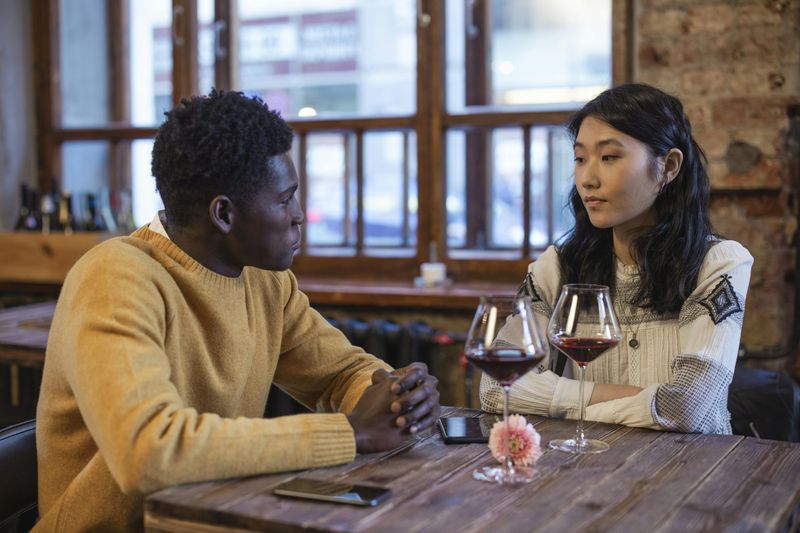
Just when things start to feel genuinely close and safe, they disappear — emotionally or physically.
It might look like picking a fight out of nowhere, going quiet, or suddenly becoming “too busy” to connect.
This isn’t manipulation.
It’s fear wearing a disguise.
Emotional closeness is unfamiliar territory for someone who grew up without reliable love.
Getting too close can feel like standing at the edge of something that could hurt them.
The instinct is to retreat before the fall happens.
Understanding this pattern with compassion — rather than frustration — is often the first step toward helping someone feel safe enough to stay.
Comments
Loading…